Tag

Epilepsy

All articles tagged with #epilepsy

AI Detects Hidden Brain Lesions to Improve Childhood Epilepsy Treatment

Originally Published 3 months ago — by Australian Broadcasting Corporation

Featured image for AI Detects Hidden Brain Lesions to Improve Childhood Epilepsy Treatment
Source: Australian Broadcasting Corporation

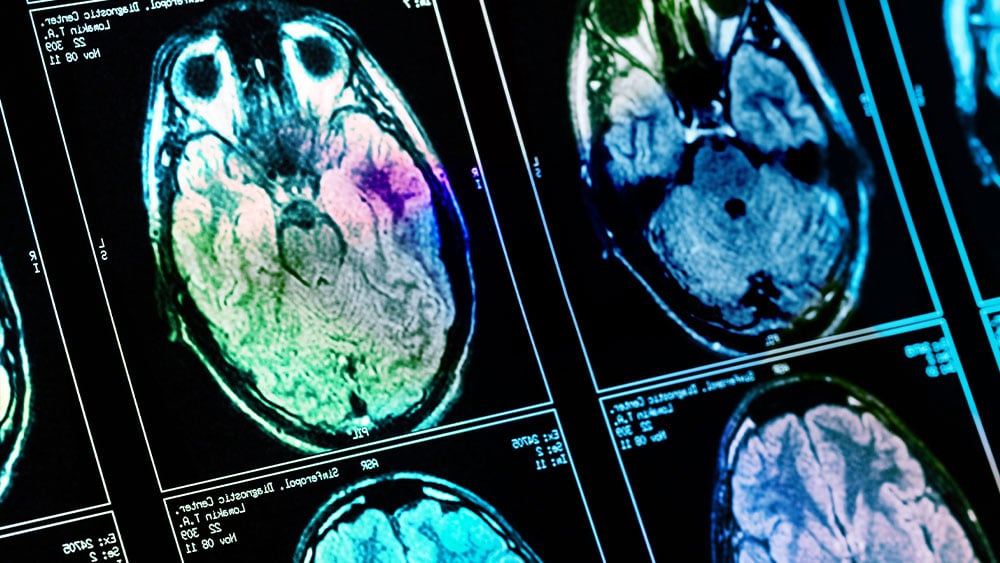
An AI tool developed by researchers at Murdoch Children's Research Institute and The Royal Children's Hospital has significantly improved the detection of tiny brain lesions in children with epilepsy, leading to targeted surgeries that have successfully made some children, like John, seizure-free. The AI, called 'AI epilepsy detective,' enhances MRI and PET scan analysis, allowing for earlier and more precise treatment, which can prevent long-term learning difficulties associated with uncontrolled seizures.

Neuronal Synchronization in Memory Formation and Recall

Originally Published 5 months ago — by Neuroscience News

Featured image for Neuronal Synchronization in Memory Formation and Recall
Source: Neuroscience News

Researchers studying epilepsy patients found that nerve cells in the medial temporal lobe synchronize their firing with slow brain waves, known as theta rhythms, during both learning and recall, suggesting this synchronization is a general feature of memory processing rather than a predictor of successful recall. The findings deepen understanding of brain rhythms in memory and could inform future treatments for memory disorders.

Epileptic Patient Threatens Legal Action Against Arima Hospital

Originally Published 5 months ago — by Trinidad and Tobago Newsday

Featured image for Epileptic Patient Threatens Legal Action Against Arima Hospital
Source: Trinidad and Tobago Newsday

Shaquille Edwards, an epileptic patient, plans to take legal action against Arima Hospital after suffering a severe wrist injury due to alleged medical negligence during a seizure, highlighting systemic issues in healthcare and inadequate patient care.

Mini-Brains Unlock Secrets of Mitochondrial Disorders

Originally Published 1 year ago — by Neuroscience News

Featured image for Mini-Brains Unlock Secrets of Mitochondrial Disorders
Source: Neuroscience News

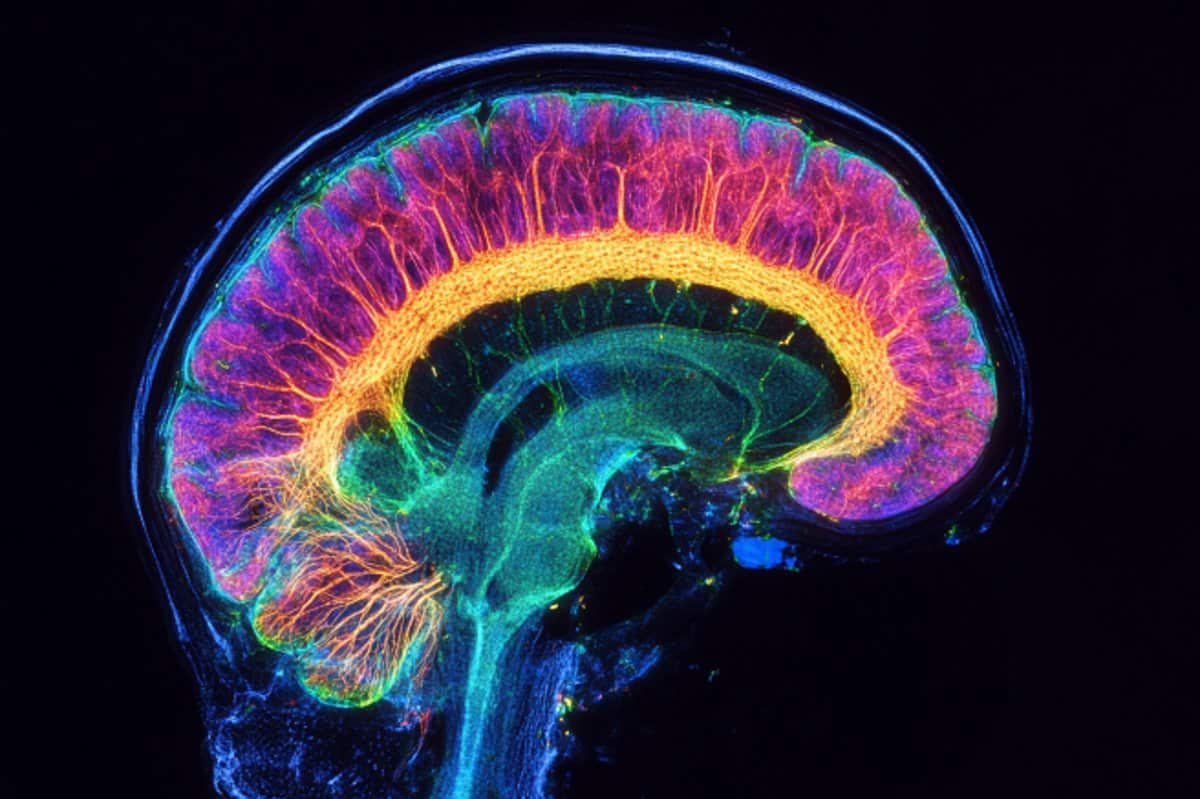
Researchers at the University of Bergen have developed mini-brains, or brain organoids, to study mitochondrial dysfunction in brain cells, offering new insights into treating conditions like epilepsy, Alzheimer's, and Parkinson's diseases. These organoids mimic disease processes, allowing for real-time observation and testing of potential treatments, potentially revolutionizing the understanding and treatment of mitochondrial brain disorders.

Growing Up with a Baby Monitor: Independence and Connection

Originally Published 1 year ago — by Business Insider

Featured image for Growing Up with a Baby Monitor: Independence and Connection
Source: Business Insider

A personal story recounts how a baby monitor helped a young girl with epilepsy maintain independence while allowing her parents to monitor her health. After her first seizure at 11, her parents used the monitor to ensure her safety without sharing a room. Now 28 and seizure-free due to medication, she reflects on the monitor as both a nuisance and a comfort, symbolizing her parents' sacrifices and support in managing her condition.

New Brain Cells Aid Learning Through Listening in Adults

Originally Published 1 year ago — by ScienceAlert

Featured image for New Brain Cells Aid Learning Through Listening in Adults
Source: ScienceAlert

New research indicates that adults can generate new neurons, which are linked to improved verbal learning and cognitive function. This discovery, based on studies of epilepsy patients, suggests that enhancing neurogenesis could help mitigate cognitive decline associated with aging and neurological disorders. The findings highlight the importance of studying neurogenesis in humans, as it may differ from animal models like mice. Current clinical trials are exploring the potential of aerobic exercise to boost neuron production and cognition in epilepsy patients.

New Brain Cells Boost Language Skills and Memory

Originally Published 1 year ago — by Neuroscience News

Featured image for New Brain Cells Boost Language Skills and Memory
Source: Neuroscience News

A study using brain tissue from epilepsy patients reveals that adult neurogenesis, the creation of new brain cells, is crucial for verbal learning and memory. The research found a direct link between fewer immature brain cells and cognitive decline, particularly in verbal learning and memory. This suggests potential therapies, such as exercise or drugs, to boost neurogenesis and improve cognitive function in conditions like epilepsy, Alzheimer's, and aging. The findings highlight the importance of studying human brain tissue to gain insights not visible in animal models.

Staten Island Mom Faces Breast Cancer Amid Daughter's Health Struggles

Originally Published 1 year ago — by SILive.com

Featured image for Staten Island Mom Faces Breast Cancer Amid Daughter's Health Struggles
Source: SILive.com

Kim LaRosa, a 33-year-old mother from New Jersey, has been diagnosed with triple-negative breast cancer while her 3-year-old daughter, Lily, battles a rare form of epilepsy. The family faces overwhelming medical bills as Kim undergoes chemotherapy and Lily recovers from multiple brain surgeries. Despite the challenges, Kim draws inspiration from her daughter's resilience and is supported by her husband, Vincent, who has joined a caregiver support group. A GoFundMe page has been set up to help alleviate the financial burden on the family.

Innovative Technique Tracks Gene Activity in Real-Time Brain

Originally Published 1 year ago — by Neuroscience News

Featured image for Innovative Technique Tracks Gene Activity in Real-Time Brain
Source: Neuroscience News

Researchers have developed a new method to map gene activity in the living human brain using RNA and DNA from electrodes implanted in epilepsy patients. This approach links molecular data with electrical seizure recordings, potentially improving epilepsy surgery precision and offering insights into other neurological disorders like Alzheimer's and Parkinson's. The study, a collaboration between FutureNeuro and international partners, represents a significant advancement in understanding brain disorders at the molecular level.

Innovative Lenses Designed to Prevent Seizure-Inducing Light

Originally Published 1 year ago — by Phys.org

Featured image for Innovative Lenses Designed to Prevent Seizure-Inducing Light
Source: Phys.org

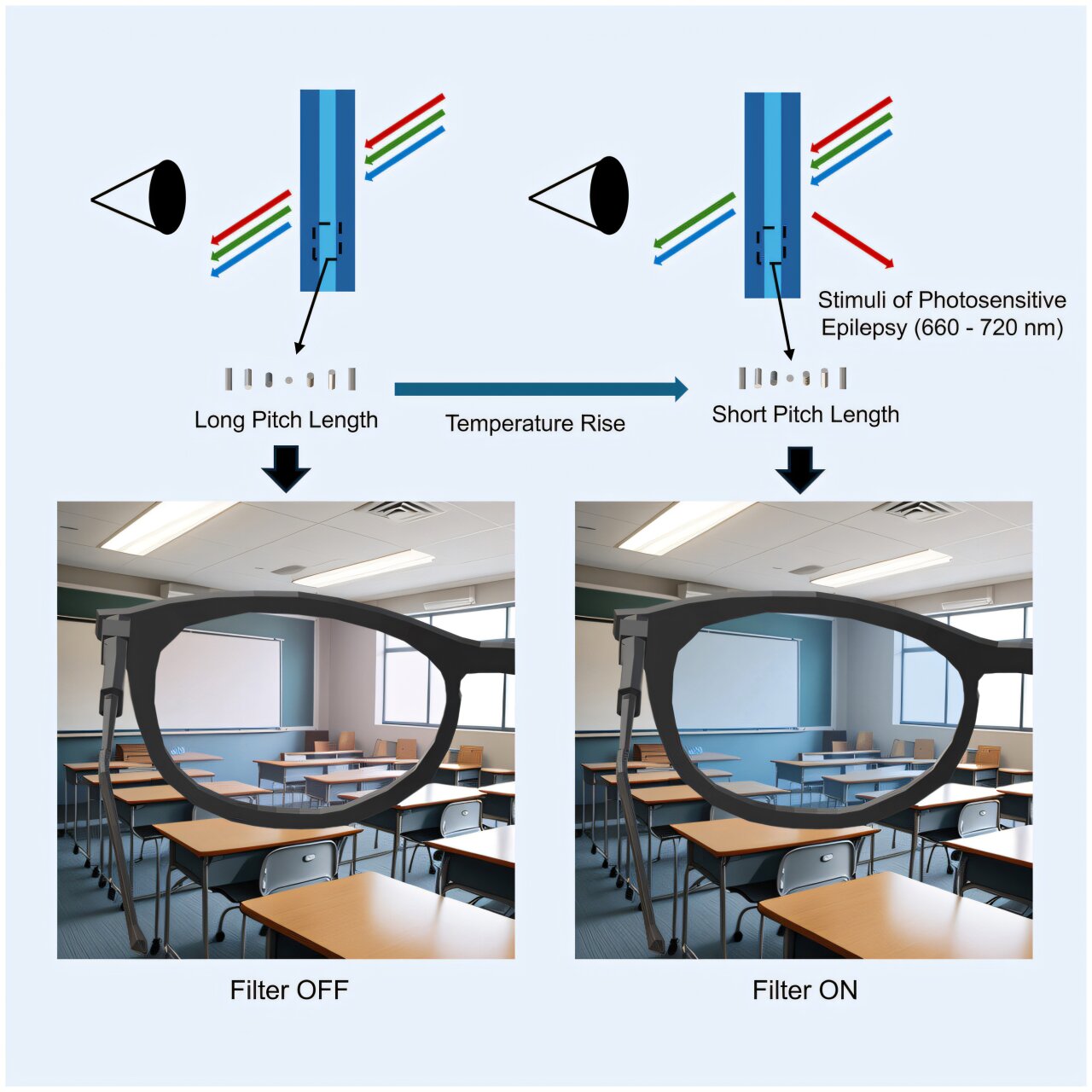
Researchers from the University of Glasgow and University of Birmingham have developed a prototype liquid crystal lens that can block over 98% of light in the 660–720nm wavelength range, which is known to trigger seizures in people with photosensitive epilepsy. The lenses are controlled by small temperature changes and can be integrated into glasses, potentially helping patients avoid seizures in environments with triggering light, such as while watching TV or playing video games. Further development is needed to enhance performance and adapt to different temperatures.

Reprogrammed Cells Offer Hope for Brain Circuit Repair

Originally Published 1 year ago — by Neuroscience News

Featured image for Reprogrammed Cells Offer Hope for Brain Circuit Repair
Source: Neuroscience News

Researchers at King's College London have reprogrammed astroglia, brain support cells, into neurons that mimic specific interneurons crucial for brain function. By modifying the Ascl1 protein, they enhanced its ability to convert astroglia into neuron-like cells, potentially offering new regenerative treatments for brain disorders like epilepsy. The engineered neurons exhibit high-frequency firing, essential for regulating brain activity, suggesting astroglia could be used to repair damaged brain circuits.

Overcoming Epilepsy Fears to Embrace Motherhood

Originally Published 1 year ago — by BBC.com

Featured image for Overcoming Epilepsy Fears to Embrace Motherhood
Source: BBC.com

Debbie McCrudden, diagnosed with epilepsy in 2014, overcame her fears of seizures to have two children, despite the challenges posed by her condition. Her seizures decreased during her first pregnancy but increased during her second, requiring significant support from her family. After changing her medication post-pregnancy, her epilepsy is now under control, allowing her to care for her children independently. Debbie emphasizes the importance of not letting fear dictate life decisions, despite the ongoing anxiety about potential seizures.