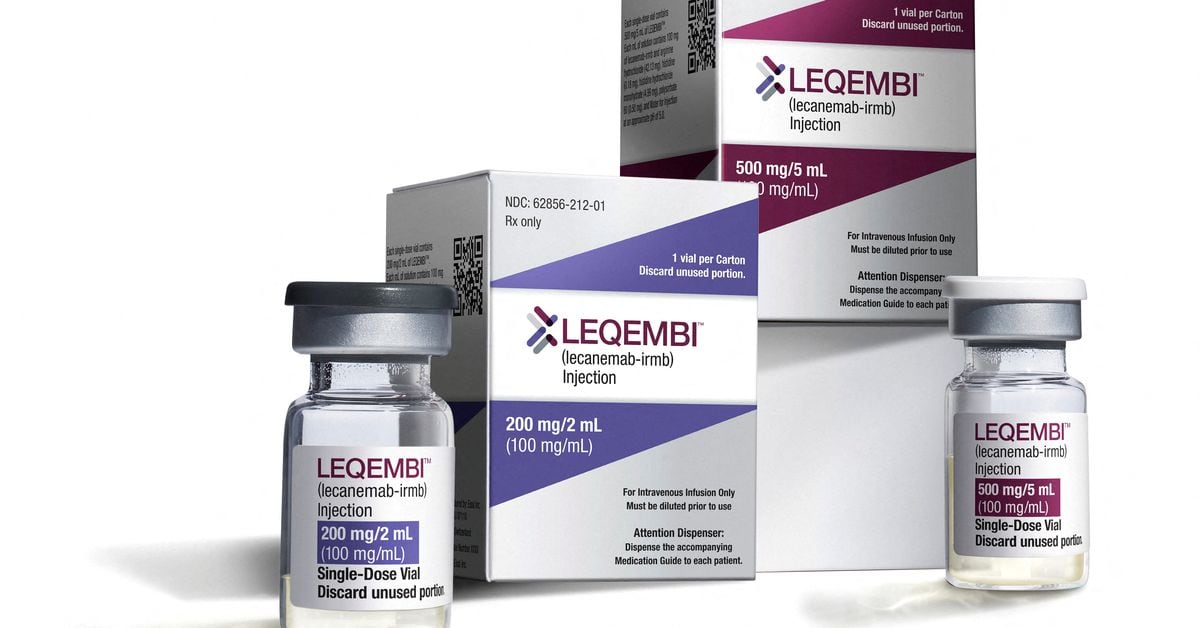
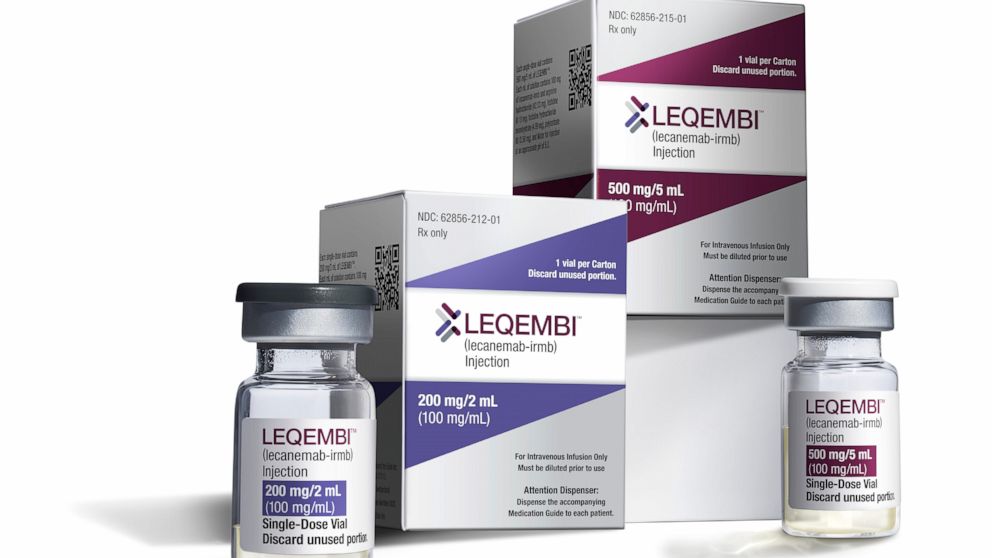
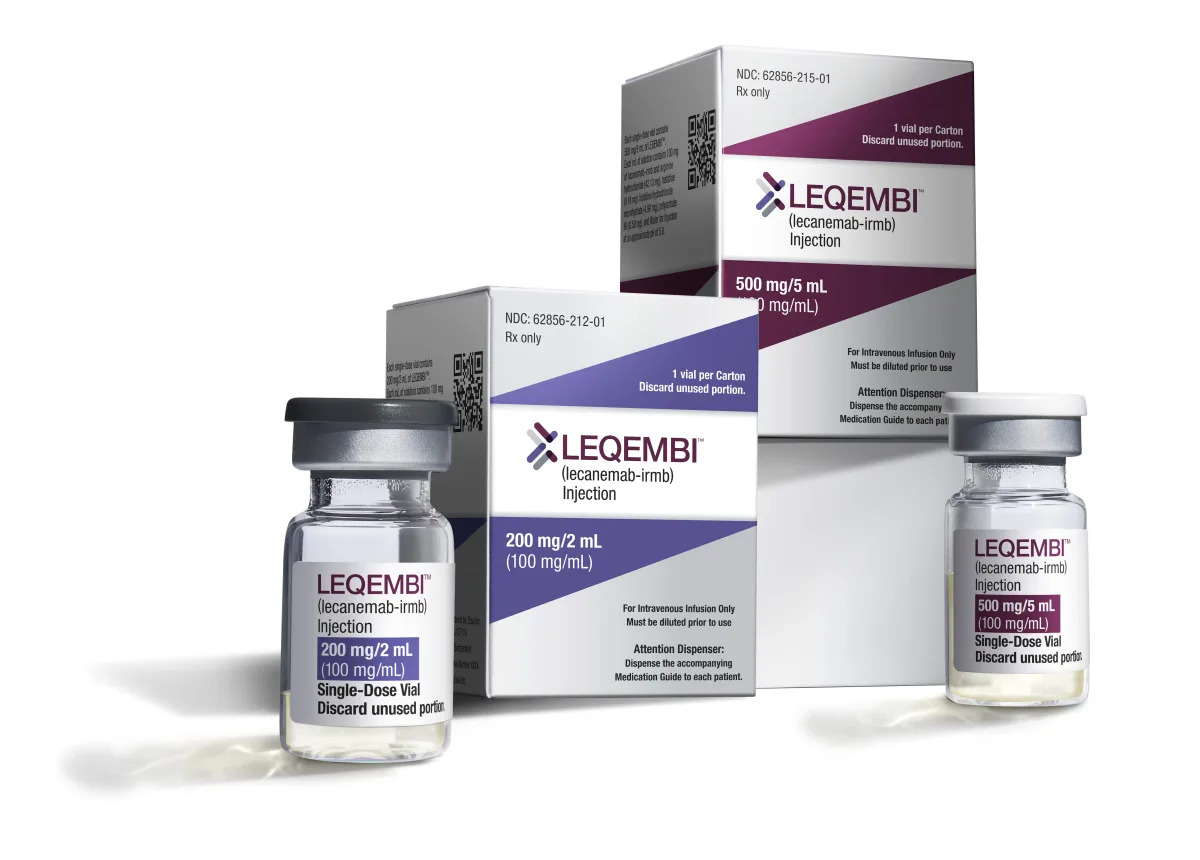
Israel is pioneering new Alzheimer's treatments like Leqembi, which can slow disease progression, but access is limited to the wealthy due to high costs not covered by public health, raising concerns about inequality in healthcare.
Scientists have utilized focused ultrasound to temporarily open the blood-brain barrier, allowing Alzheimer's drugs to enter the brain more effectively. In a small study involving three patients, this method, combined with the Alzheimer's drug Aduhelm, showed a 32% greater reduction in amyloid plaques in treated brain regions compared to untreated areas. While the results are promising, larger studies are needed to confirm efficacy and safety, including potential side effects like brain swelling and bleeding. This approach could also enhance treatment for other neurological diseases and brain tumors.
Researchers are exploring the potential of "exercise pills" as a means to replicate the health benefits of physical activity, particularly for those unable to exercise due to age or disability. The ExPlas trial in Norway is testing the effects of injecting plasma from active young adults into older individuals with early-stage Alzheimer's. Additionally, scientists are investigating specific hormones like irisin, which could lead to exercise-based treatments. While the full impact and safety of such treatments are still under study, with results expected in 2025, the concept represents a promising frontier in medical science that could benefit a wide range of patients, including those with Alzheimer's, osteoporosis, and obesity.
The hunt for Alzheimer's treatments has seen significant breakthroughs this year, with the approval of drugs like Leqembi and donanemab that target the buildup of toxic plaque in the brain. While these drugs slow cognitive decline, they do not offer a complete cure. Biotech companies are exploring ways to improve the safety and delivery of these treatments, as well as looking beyond the removal of beta amyloid to other potential drug targets. The successes in Alzheimer's treatment have created excitement in the biotech industry, with new players expected to emerge in a market projected to be worth $13.7 billion by 2030. Despite the challenges, there is hope that continued research and innovation will lead to better and more effective ways of tackling this devastating disease.
Japan's health ministry has approved the Alzheimer's treatment Leqembi, developed by Eisai and Biogen, making it the second country after the United States to clear its use. Leqembi is an antibody designed to remove sticky deposits of a protein called amyloid beta from the brains of Alzheimer's patients and is the first treatment shown to slow the progression of the disease in the earlier stages. Eisai will conduct a post-marketing special use results survey to collect data on patients administered with Leqembi. The drug will be co-promoted by Eisai and Biogen in Japan.
Some private insurers in states like North Carolina, Pennsylvania, and New York are refusing to cover the newly approved Alzheimer's drug, Leqembi, citing it as experimental and questioning its safety and effectiveness. This decision contrasts with Medicare, which will cover most patients taking the drug. While the majority of patients taking Leqembi will be covered by Medicare, those under 65 with commercial coverage are being denied access to the treatment, leading to concerns of discrimination. The full picture on commercial insurance coverage is still emerging, with some insurers yet to make a decision. The high cost and serious side effects of the drug are factors contributing to the coverage denials.
Some private insurers in states like North Carolina, Pennsylvania, and New York are refusing to cover the newly approved Alzheimer's drug, Leqembi, citing it as experimental and not fully proven. This decision contrasts with Medicare, which will cover most patients taking the drug. While Leqembi is the first drug shown to slow cognitive decline in Alzheimer's patients, insurers are concerned about its side effects and high cost. The denial of coverage by commercial insurers may leave some patients without access to the treatment, as they wait for Medicare or Medicaid coverage.
Medicare Part B premiums may increase in 2024 due to the introduction of a new Alzheimer's treatment called Leqembi, which has been approved for Medicare coverage. The estimated increase in premiums is around $10 per month, bringing the total to $174.80. The drug and related services may add an additional $5 per month, resulting in a total premium of $179.80. This increase is expected to be driven by the high cost of the treatment, making it one of the most costly drugs covered by Medicare Part B. The rise in premiums may impact Social Security checks, particularly for individuals with lower benefits, as the premiums are typically deducted directly from monthly Social Security payments.
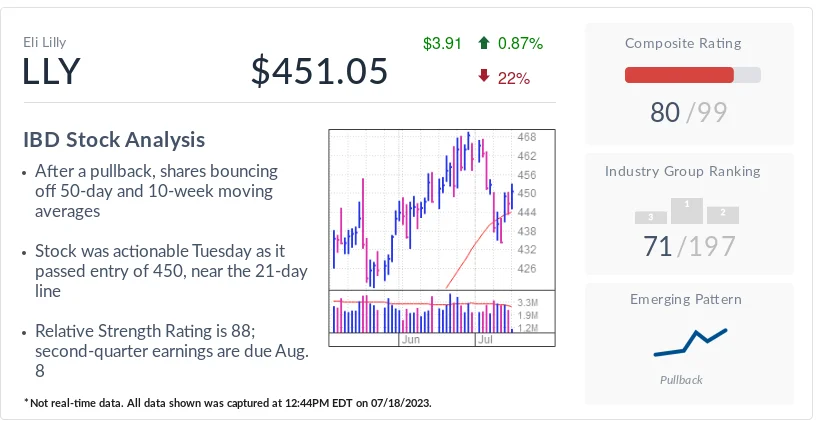
Eli Lilly's stock is surging as its Alzheimer's treatment, donanemab, shows promising results in slowing cognitive decline, making it a strong competitor to Biogen's drug. The company is also bolstering its weight-loss drug portfolio with the acquisition of Versanis Bio. Analysts project strong earnings growth for Eli Lilly, with expectations of blockbuster sales for Mounjaro and donanemab in the coming years.
Biogen's stock fell after the FDA granted full approval for its Alzheimer's treatment, Leqembi. The approval allows Medicare to reimburse patients for the cost of the treatment, but doctors will need to submit patient data to a registry database. Analysts are divided on how quickly Biogen and partner Eisai can ramp up the drug. The approval comes with a black box warning for a heightened risk of brain swelling in certain patients, and the FDA recommends genetic testing prior to treatment. Biogen's ability to expand the use of Leqembi will depend on securing coverage from other payers, as Medicare only covers patients with early Alzheimer's disease.
Eli Lilly's experimental Alzheimer's treatment, donanemab, is expected to gain approval and generate $465 million in sales in 2024, with projected sales of $1.4 billion and $3.2 billion in 2025 and 2030, respectively. The company is also working on a subcutaneous shot and an oral treatment for Alzheimer's disease. Analysts expect Medicare officials to sign off on reimbursement for donanemab and other anti-amyloid beta Alzheimer's treatments. Biogen and Eisai's Leqembi, which gained FDA accelerated approval in January, is a potential rival to donanemab.