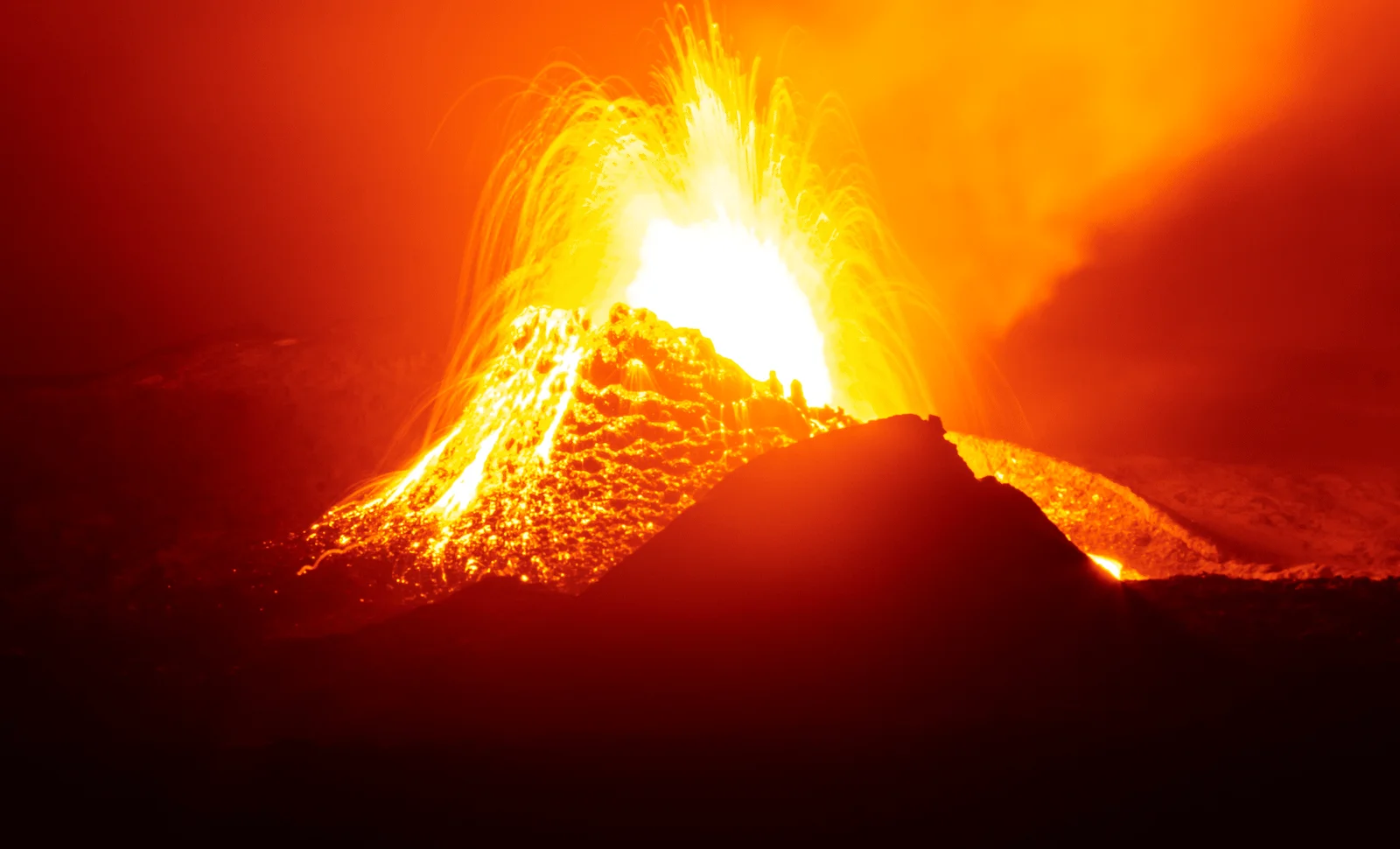
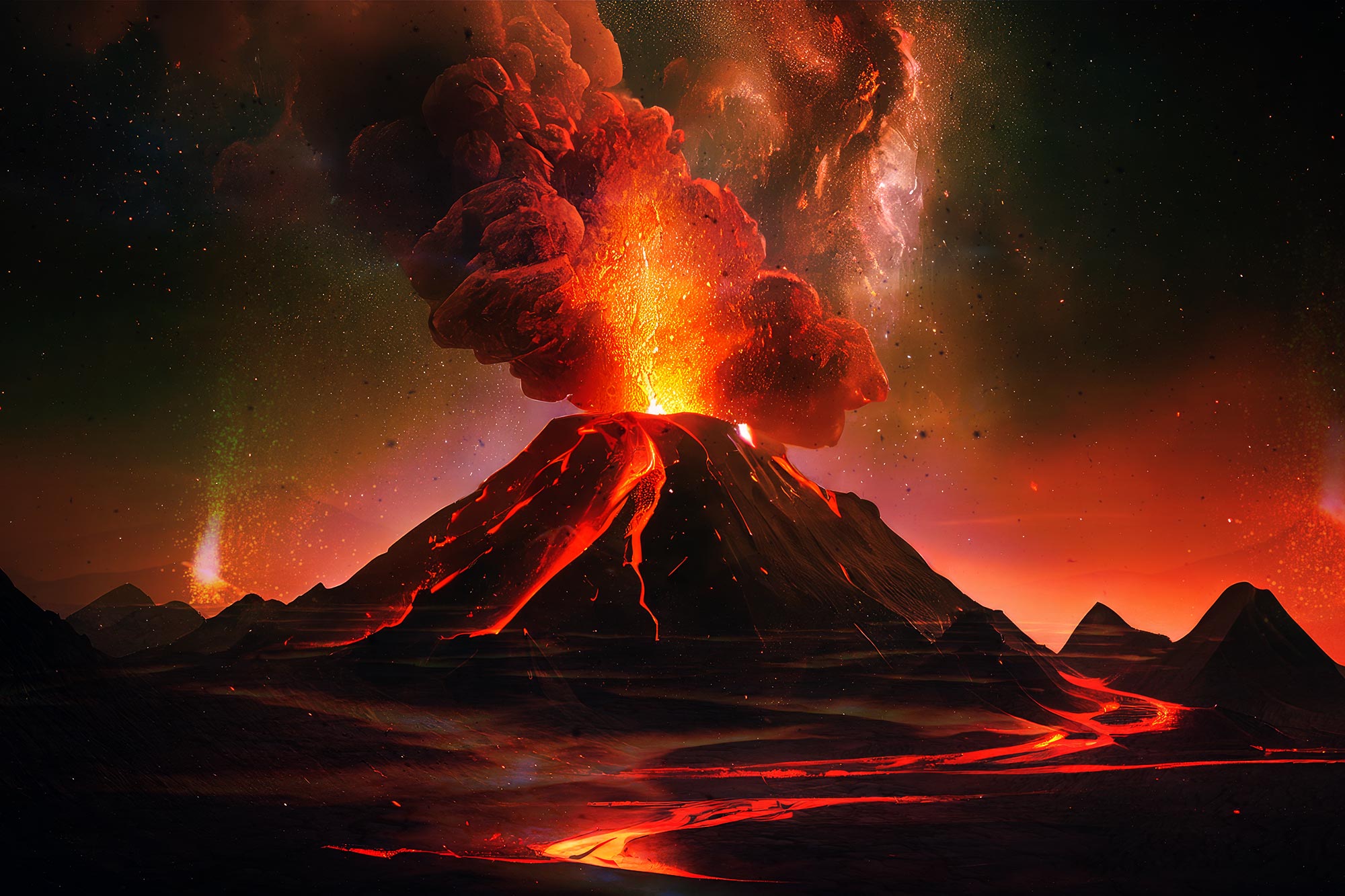
Large Igneous Provinces (LIPs) are massive, long-lasting volcanic events capable of causing global destruction and mass extinctions, with historical examples like the Siberian Traps illustrating their potential to reshape Earth's environment and climate. While rare today, understanding LIPs is crucial for preparedness, as their effects include climate disruption, ecosystem collapse, and potential threats to civilization.
A new study suggests that the boundaries between Earth's geological periods follow a hidden hierarchical, fractal pattern, which could improve our understanding of past planetary changes and help predict future shifts.
A new study reveals that Earth's biodiversity is influenced by a 60-million-year tectonic cycle, which affects geological activity, ocean chemistry, and climate, leading to periodic mass extinctions and shaping the evolution of life on Earth.
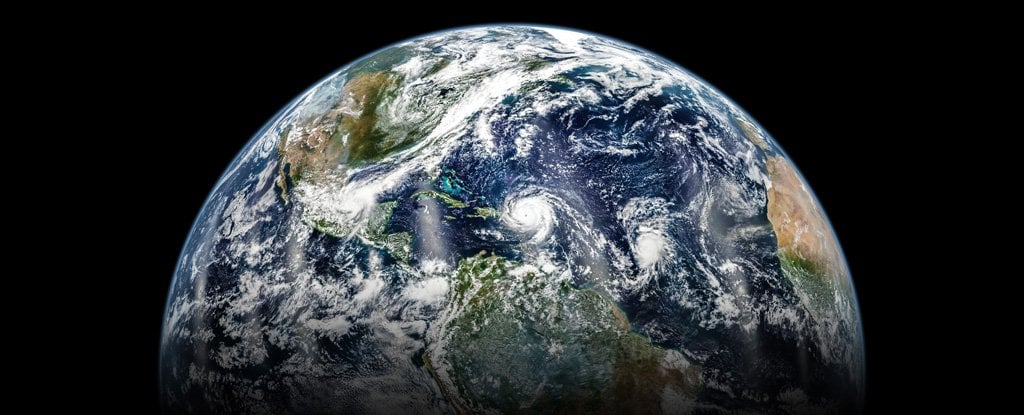
Earth has experienced five major mass extinctions caused by natural events, but now scientists warn that human activity may be triggering a sixth, potentially catastrophic, extinction event with up to a million species at risk.
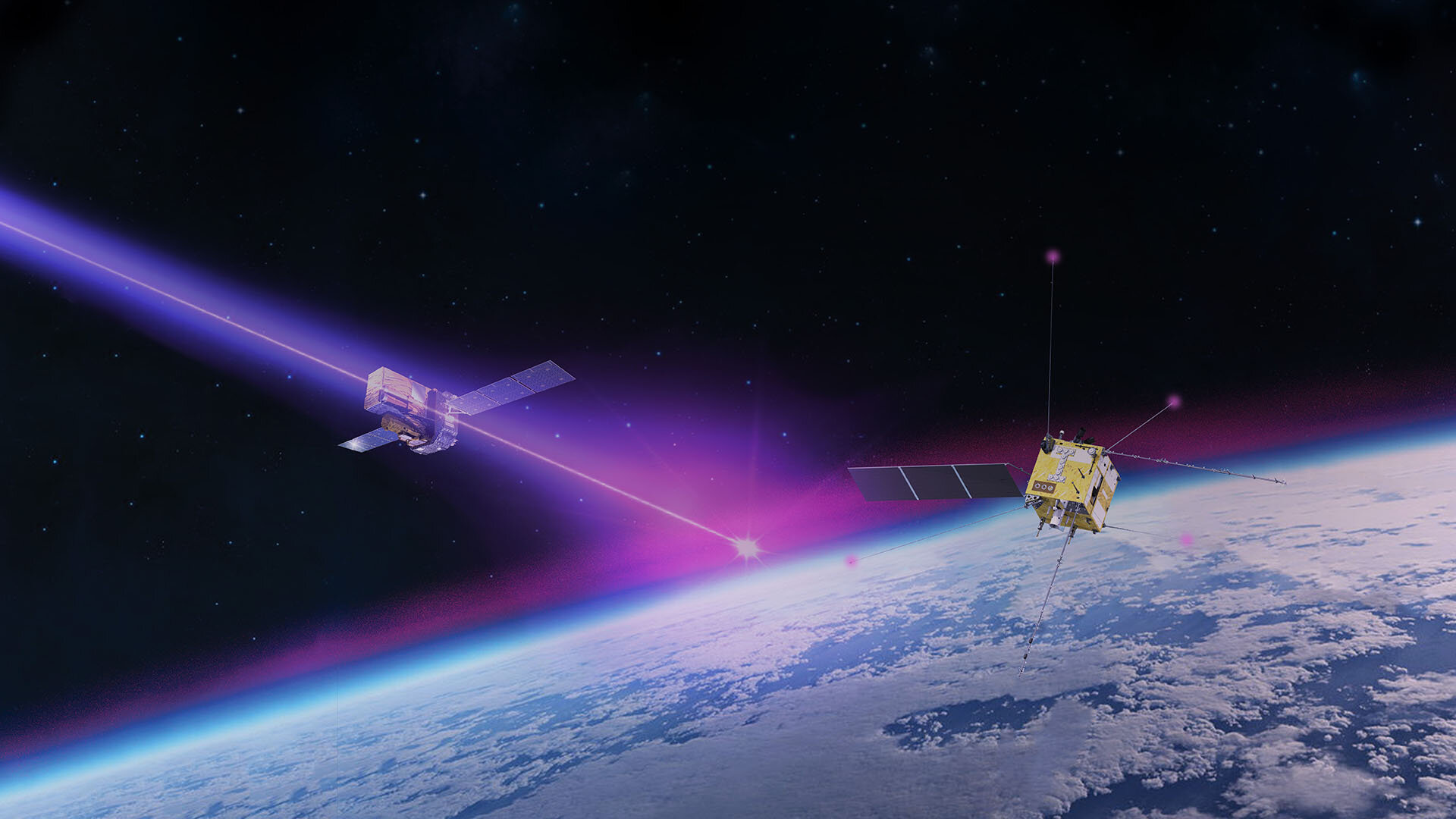
An extremely bright and long-lasting gamma-ray burst (GRB), named GRB 221009A, struck Earth, causing a disturbance in the ionosphere. This burst, originating from an exploding star almost two billion light-years away, was the strongest ever measured and delivered enough energy to activate lightning detectors in India. The effects of the blast on Earth's ionosphere could provide valuable information about mass extinctions in Earth's history.
Earth appears to have a slow, steady "heartbeat" of geological activity that occurs approximately every 27 million years, according to research analyzing ancient geological events. This cycle of clustered events includes volcanic activity, mass extinctions, plate reorganizations, and sea level rises. The study provides statistical evidence for a common cycle, suggesting that these geologic events are correlated and not random. The cause of this cycle is still uncertain, with potential factors including geophysical processes related to plate tectonics and mantle plumes, or astronomical cycles associated with Earth's motions in the Solar System and the Galaxy. Fortunately, researchers believe we have another 20 million years before the next pulse of geological activity.
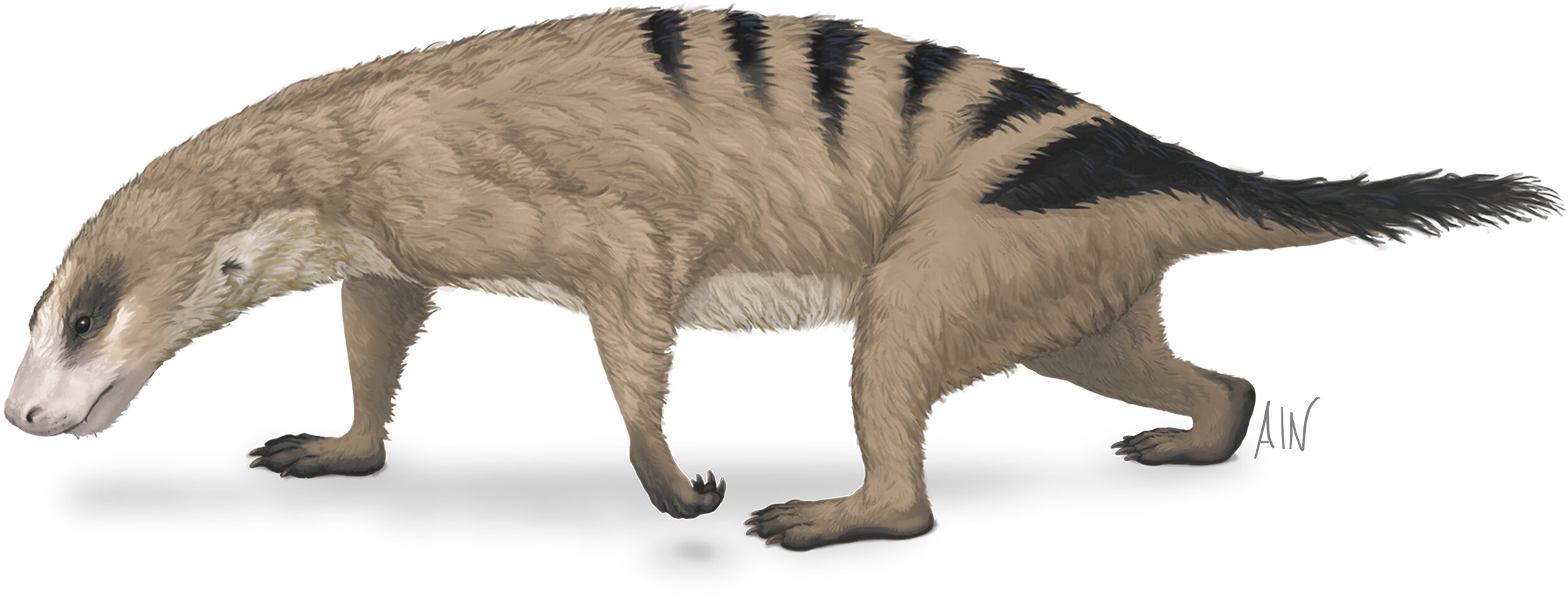
A new study challenges the long-held belief that mammals that survive mass extinctions are generic generalists. Researchers found that the survivors actually possessed new and different traits that helped them adapt and thrive in the aftermath of catastrophes. The study focused on the mammal family tree and revealed that larger synapsids, not just small insect-eaters, were the ones that survived at certain points in evolution. These survivors had novel characteristics, such as specialized teeth, which allowed them to eat a wider variety of food. The findings suggest that the mammals that made it through mass extinctions were not as generic as previously assumed, highlighting the importance of new traits in evolutionary success.
Scientists predict that in 250 million years, Earth's continents will merge to form a supercontinent called "Pangea Ultima," resulting in inhospitable conditions for most mammals. The formation of this supercontinent will lead to increased volcanic activity and a hotter sun, causing land surface temperatures to exceed 40℃ and transforming much of the continent into a vast, hot desert. The average annual land temperature would increase from the pre-industrial average to approximately 24℃, reducing habitable areas on Earth to just 54%. The projected location of Pangea Ultima at the equator, along with other factors, would contribute to this warming. The increased solar intensity and elevated CO₂ levels would further reduce Earth's habitability, leaving only a quarter of the planet's surface habitable. Mammals' adaptability may not be enough to survive these extreme conditions, as their temperature thresholds are surpassed, making it challenging for them to regulate their body temperature.
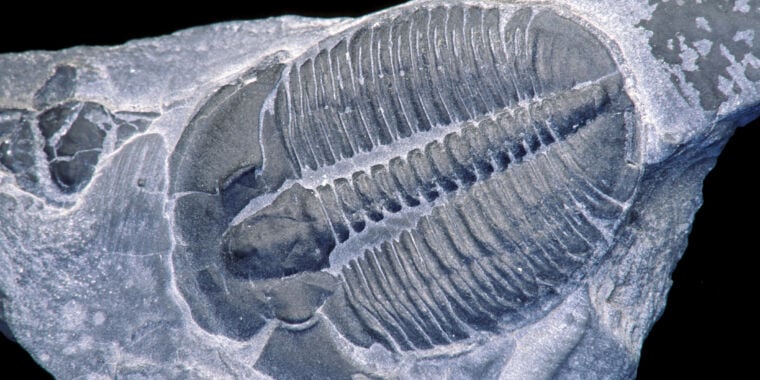
Trilobites, ancient marine organisms, survived mass extinctions by evolving an adaptation that allowed them to breathe in low oxygen environments. One species, Auracopleura koninckii, developed additional segments with legs that doubled as gills, providing more breathing opportunities. While younger trilobites could roll into a perfect ball for protection, older individuals with more segments had to extend their tails over their heads. This trade-off between vulnerability to predation and increased breathing capabilities helped A. koninckii survive and escape predators during times of low oxygen levels.
Concentrations of CO2 in Earth's atmosphere could reach levels associated with 19 "mass extinctions" that have occurred in the last 534 million years within a human lifetime, warns a new study. By 2100, atmospheric CO2 levels could rise to 800 parts per million by volume (ppmv), close to the average CO2 concentrations associated with significant crashes in marine biodiversity. The study highlights that current CO2 levels are already causing losses in biodiversity, primarily through ocean acidification, which reduces the availability of calcium carbonate ions needed for organisms to build their skeletons and shells. Scientists warn that if emissions from burning fossil fuels and land conversion for agriculture are not curbed, the consequences could be severe for global biodiversity.
Two mass extinctions that occurred approximately 259 million and 262 million years ago during the Middle Permian Period were caused by massive volcanic eruptions, according to an international team of researchers. The study of uranium isotope profiles of marine samples collected in the South China Sea revealed two “pulses” where the oceans were deprived of life-giving oxygen. The research can help predict the potential impact of modern-day global warming on ocean food chains, and researchers emphasize the importance of addressing global environmental issues to prevent a sixth mass extinction.