A study finds that increased atmospheric CO2 makes food more caloric but less nutritious and potentially more toxic, with significant drops in essential nutrients like zinc and iron, raising concerns about future food quality and health impacts.
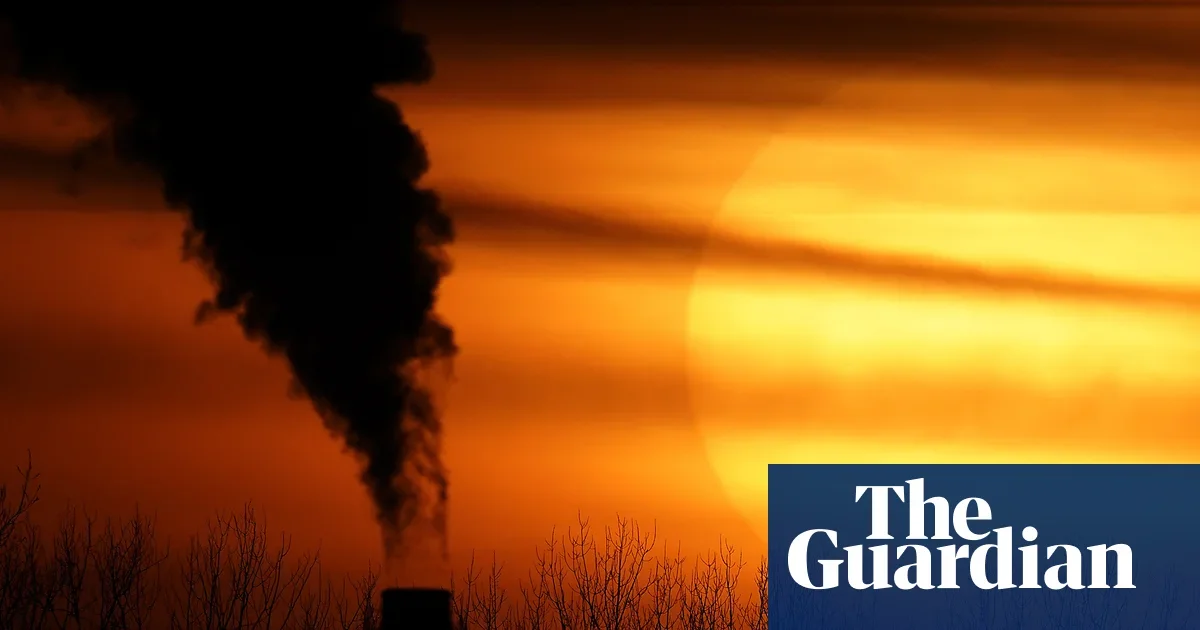
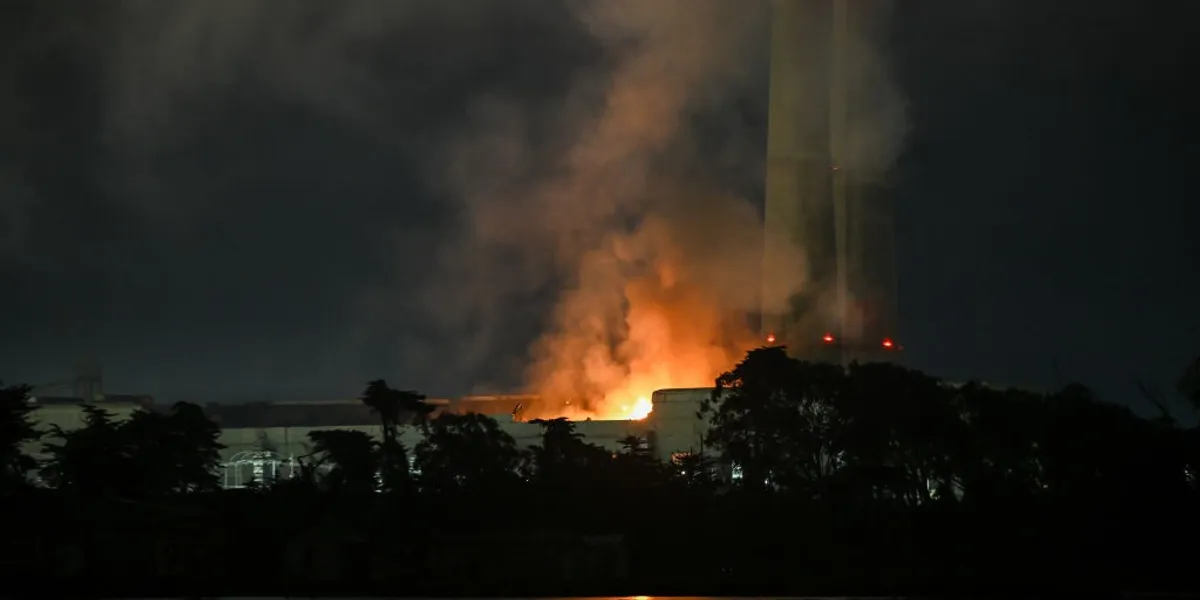
In 2024, atmospheric CO2 levels hit a record high, driven by continued fossil fuel use, wildfires, and weakening natural carbon sinks, intensifying the climate crisis and raising concerns about faster global warming and extreme weather events.
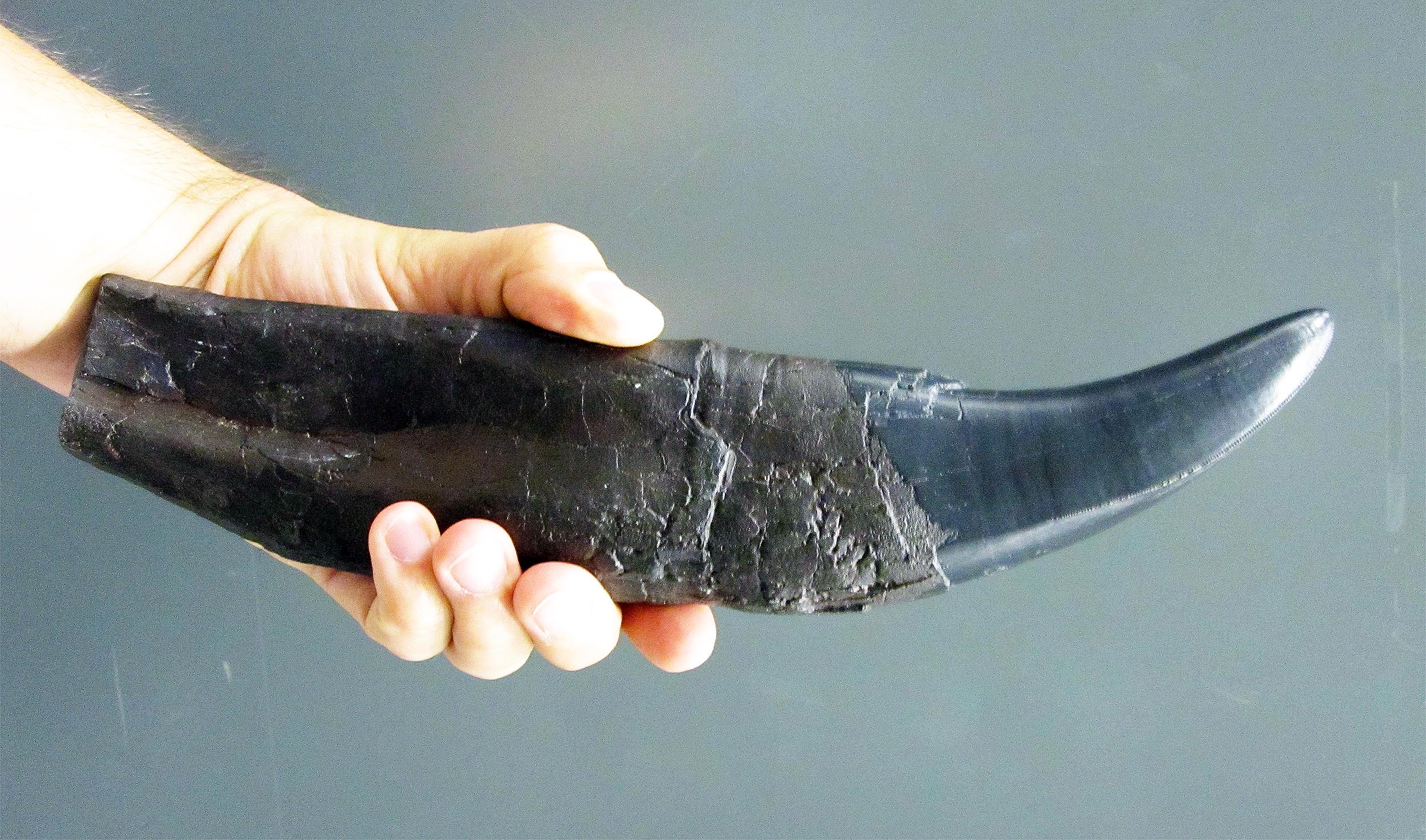
Scientists analyzed the enamel of dinosaur teeth to reconstruct past CO2 levels and climate conditions during the Jurassic and Cretaceous periods, revealing high CO2 concentrations, increased plant productivity, and volcanic CO2 spikes, providing new insights into Earth's ancient climate and its influence on ecosystems.
For the first time, atmospheric CO2 levels exceeded 430 ppm at Mauna Loa Observatory, marking a significant and rapid increase in greenhouse gases, with scientists warning that this unprecedented rise could have severe implications for global climate stability.
In 2025, atmospheric CO2 levels peaked above 430 ppm, the highest in millions of years, highlighting ongoing climate change driven by human activities, despite overshadowing political feuds. This milestone serves as a stark wake-up call about the urgent need to reduce fossil fuel emissions to prevent catastrophic global warming.
Scientists have reported that atmospheric CO2 levels have reached a record high of over 430 parts per million for the first time in human history, primarily driven by fossil fuel combustion, which intensifies global warming and climate change impacts.
Atmospheric CO2 levels have surpassed 430 ppm for the first time in millions of years, reaching record highs due to human activities, indicating a rapidly changing climate and raising concerns about global warming and its impacts.
Earth's atmospheric CO2 levels have reached over 430 ppm for the first time in millions of years, surpassing previous records and indicating insufficient efforts to curb emissions, which significantly contribute to global warming and climate change.
Scientists from Oregon State University analyzed air bubbles in a 50,000-year-old Antarctic ice core, revealing that the current rate of CO2 increase, driven by human activity, is unprecedented and 10 times faster than the fastest natural CO2 rise observed in the past. This rapid increase, compared to historical natural events, highlights the severe impact of human emissions on climate change.
New research analyzing the last ice age suggests a decrease in the likelihood of the worst-case global warming scenarios, refining our understanding of climate sensitivity and predicting future warming under rising CO2. While the best-case and most likely warming estimates remain unchanged, the absolute worst-case scenario for doubling CO2 has been reduced from 5 to 4 degrees Celsius. By studying ancient climate conditions, researchers have narrowed the estimate of climate sensitivity, providing more confident predictions and indicating that the most extreme warming scenario is less likely.
A study published in Science reveals that current levels of atmospheric carbon dioxide (CO2) are the highest in 14 million years, surpassing any levels seen during human existence. The research, based on the most comprehensive analysis to date, warns that industrial capitalism has raised CO2 levels to 419 parts per million (ppm) from around 280 ppm since the industrial revolution. The study emphasizes the urgent need for action to reduce CO2 emissions, as failure to do so could result in levels reaching 600 to 800 ppm by 2100, with severe consequences for the environment and ecosystems. The report serves as a "call to action" to address the climate crisis and highlights the importance of sequestering carbon dioxide and reducing emissions to mitigate the long-lasting impacts.
Concentrations of CO2 in Earth's atmosphere could reach levels associated with 19 "mass extinctions" that have occurred in the last 534 million years within a human lifetime, warns a new study. By 2100, atmospheric CO2 levels could rise to 800 parts per million by volume (ppmv), close to the average CO2 concentrations associated with significant crashes in marine biodiversity. The study highlights that current CO2 levels are already causing losses in biodiversity, primarily through ocean acidification, which reduces the availability of calcium carbonate ions needed for organisms to build their skeletons and shells. Scientists warn that if emissions from burning fossil fuels and land conversion for agriculture are not curbed, the consequences could be severe for global biodiversity.