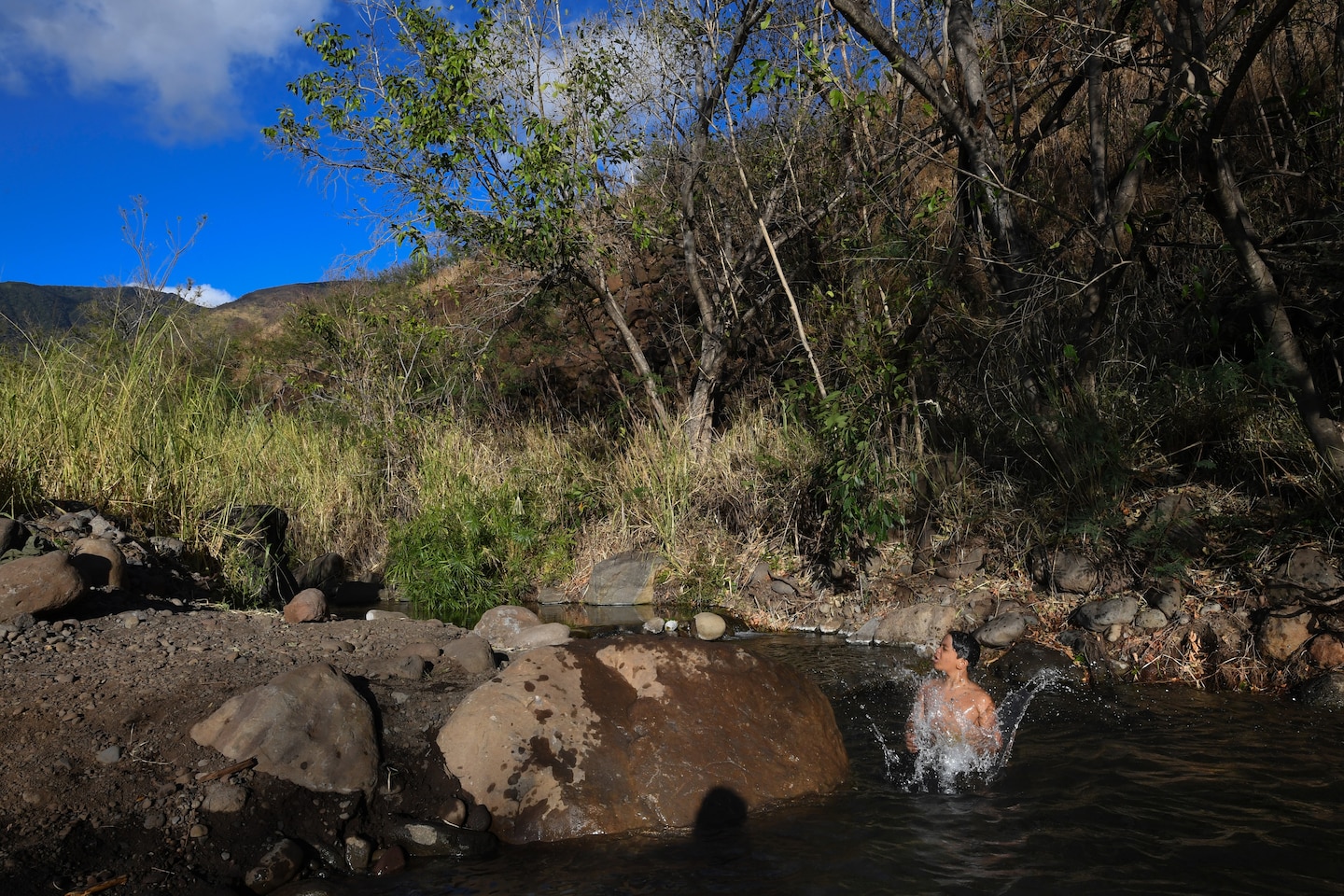
Native Hawaiians in Maui are engaged in a long-standing battle over water rights, with recent wildfires intensifying the conflict. Developers and government officials argue that water needs to flow more freely for fire protection, while Native Hawaiians emphasize the importance of water for cultural and agricultural purposes. The aftermath of the deadly Lahaina fire has led to accusations of scapegoating, with the government seeking to relax stream flow limits and developers requesting water to fill reservoirs. The dispute highlights the struggle to restore a less-flammable landscape that was destroyed by plantation farming, and the increasing vulnerability to wildfires due to climate change. The ongoing demand for housing and development in fire-prone areas further complicates the issue.
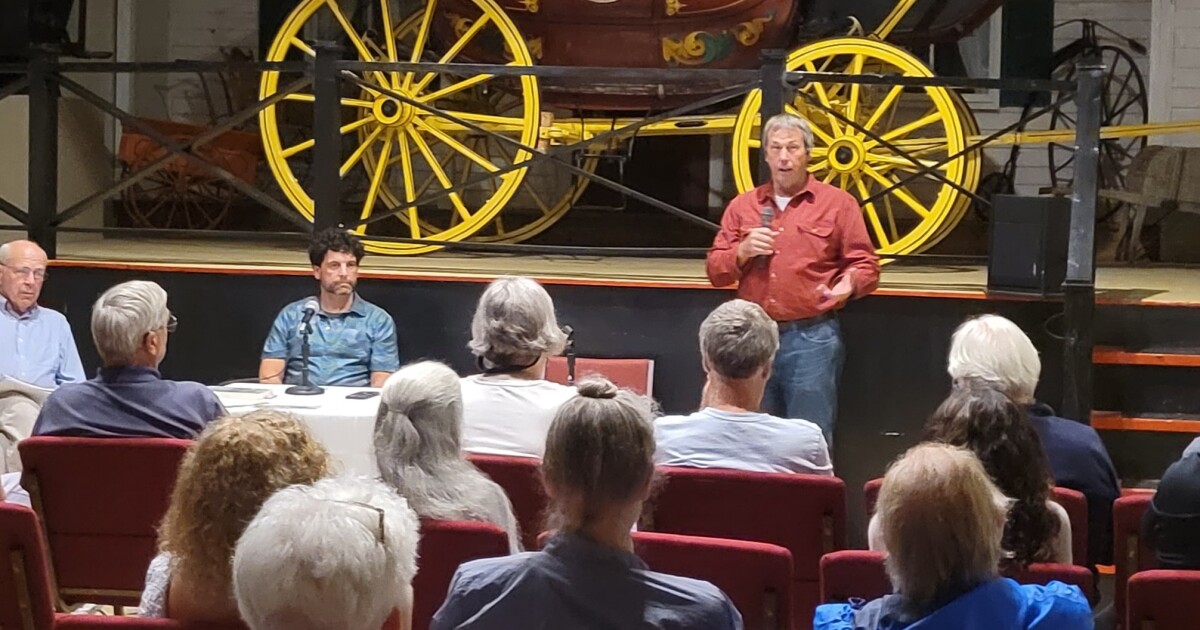
In the midst of a divided America, the Adirondack Park in northern New York has become a model for finding common ground. Once a battleground between urban and rural interests, as well as development and environmental concerns, the region has seen a shift towards collaboration and compromise. The formation of the Common Ground Alliance and the leadership of former Governor George Pataki have played a significant role in fostering dialogue and building trust between warring factions. Despite political divisions and national forces, local government leaders and environmental activists in the Adirondacks continue to work together, recognizing that tearing communities apart is counterproductive. The success of this civic experiment has led to progress in economic development and environmental conservation, making it a potential model for other communities across the country.
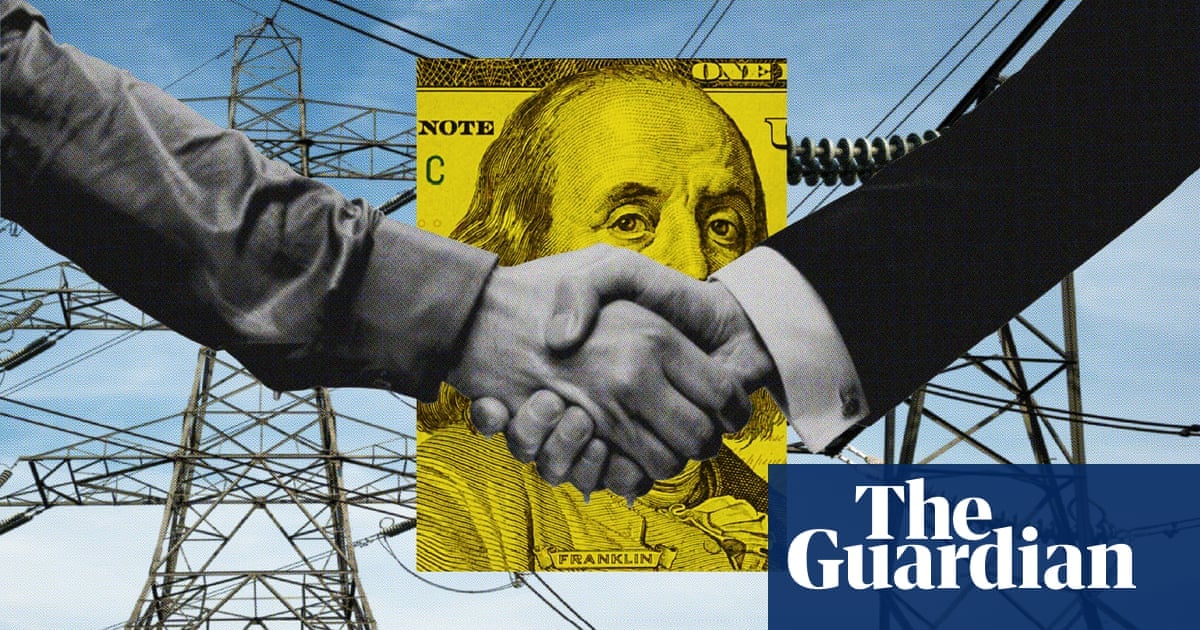
US power companies have donated at least $215m to dark money groups in recent years, according to an analysis of 25 for-profit utilities. While such donations to barely regulated non-profit groups are legal, a number of utilities have faced criticism for it. Dark money giving to tax exempt groups has helped utilities increase electricity prices, hinder solar schemes and helped elect sympathetic legislators in recent years. Critics argue the dark money spending is kept private, in part to ensure the disruptive transition to green energy happens on the companies’ terms or not at all, and to hinder oversight.
Shareholders are submitting proposals on environmental, social, and governance issues as the proxy season is underway, with annual shareholder meetings taking place between mid-April and mid-June. The rising number of proposals reflects investors' efforts to influence corporate behavior and manage long-term risks.
Two mass extinctions that occurred approximately 259 million and 262 million years ago during the Middle Permian Period were caused by massive volcanic eruptions, according to an international team of researchers. The study of uranium isotope profiles of marine samples collected in the South China Sea revealed two “pulses” where the oceans were deprived of life-giving oxygen. The research can help predict the potential impact of modern-day global warming on ocean food chains, and researchers emphasize the importance of addressing global environmental issues to prevent a sixth mass extinction.
Researchers are warning of the urgent need to clean up the 100 trillion human-made objects floating in space, including live and decommissioned satellites, which are vital to the health of our people, economies, security, and Earth itself. The team of researchers, which includes experts in ocean plastic pollution, published an open letter about the problem this month in Science, calling for a legally binding global treaty to hold government and commercial space launch services accountable for limiting the amount of space debris they cause and starting to remove what's floating out there now.