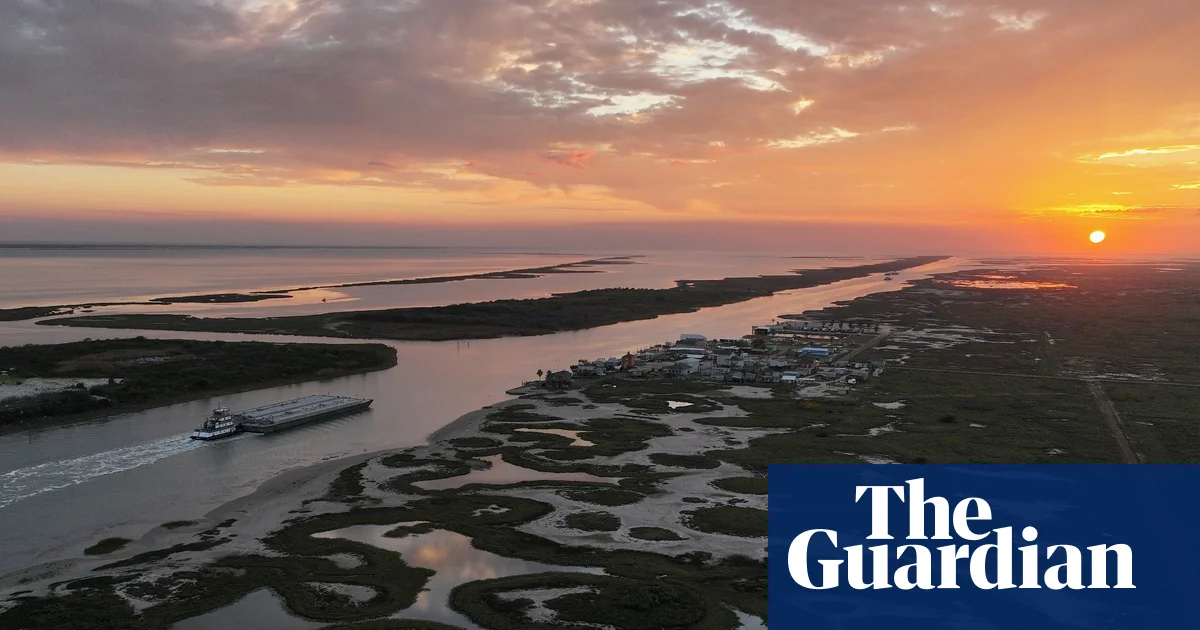
The article highlights how the climate crisis has increasingly impacted Americans' lives through record heat, wildfires, water shortages, shrinking growing seasons, and loss of biodiversity, with individuals sharing personal experiences of these changes and efforts to adapt.
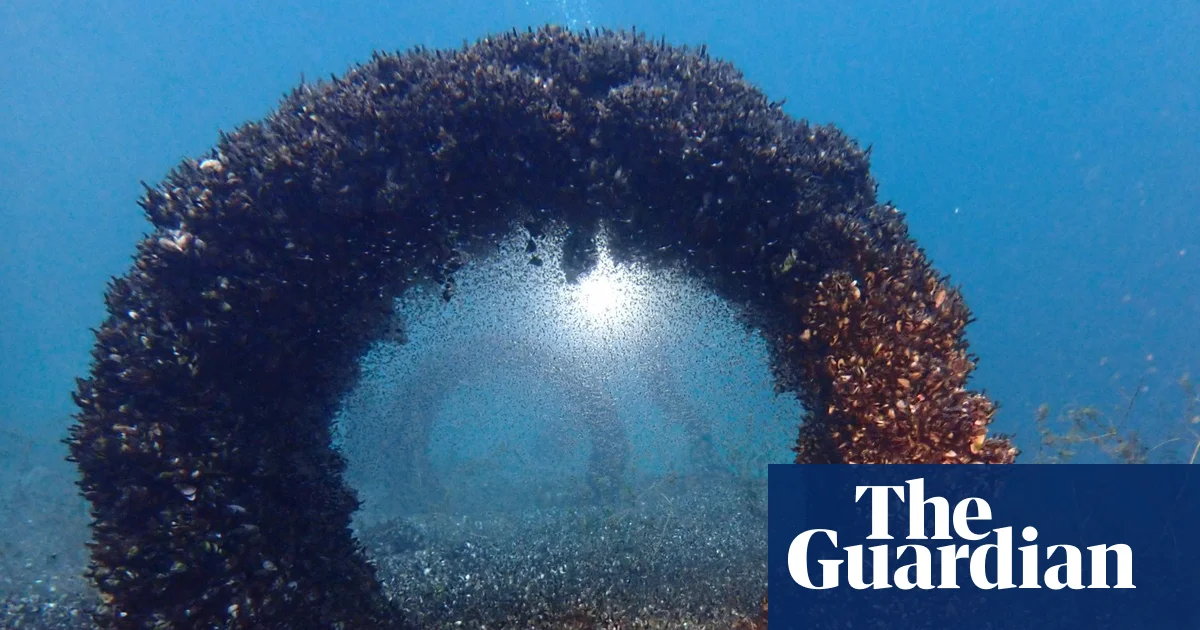
Quagga mussels have rapidly invaded Lake Geneva, causing irreversible ecological and infrastructural damage, including blocking cooling systems vital for research and industry, and drastically altering the lake's ecosystem, with experts warning that the lake will never return to its original state.
A UN report warns that if current environmental practices continue, by 2050 the planet will face severe heatwaves, species extinctions, resource depletion, and economic decline, but urgent global action can still prevent the worst outcomes.
The luxury effect describes how wealthier urban areas tend to have higher biodiversity, including plants, animals, and indoor arthropods, which can positively impact human health by increasing exposure to microbial ecosystems. This pattern, observed in various cities worldwide, highlights social and environmental inequalities and suggests that preserving biodiversity in urban settings could help address health disparities and ecological challenges.
Earth has experienced five major mass extinctions caused by natural events, but now scientists warn that human activity may be triggering a sixth, potentially catastrophic, extinction event with up to a million species at risk.
An international team of scientists led by Oregon State University researchers has proposed a "restorative" pathway to address climate change, biodiversity loss, and social injustice, emphasizing social and economic justice as well as environmental sustainability. The pathway, outlined in a paper published in Environmental Research Letters, aims to limit warming more effectively by prioritizing large-scale societal change and reducing resource consumption, without relying on carbon capture technologies or assuming continued economic growth. The researchers argue that their scenario should be included in climate models to provide a contrast to current scenarios and offer a bold solution to environmental and social crises.
Global finance flows of nearly $7 trillion annually are fueling climate change, biodiversity loss, and land degradation, according to a report by the UN Environment Programme (UNEP) and partners. The report reveals that investments in nature-based solutions, which promote a stable climate and healthy land and nature, totaled around $200 billion in 2022, while finance flows to activities directly harming nature were over 30 times larger. Private nature-negative finance flows amount to $5 trillion annually, 140 times larger than private investments in nature-based solutions. The report highlights the urgent need to address this disparity and increase funding for nature-based solutions to meet sustainable development goals.
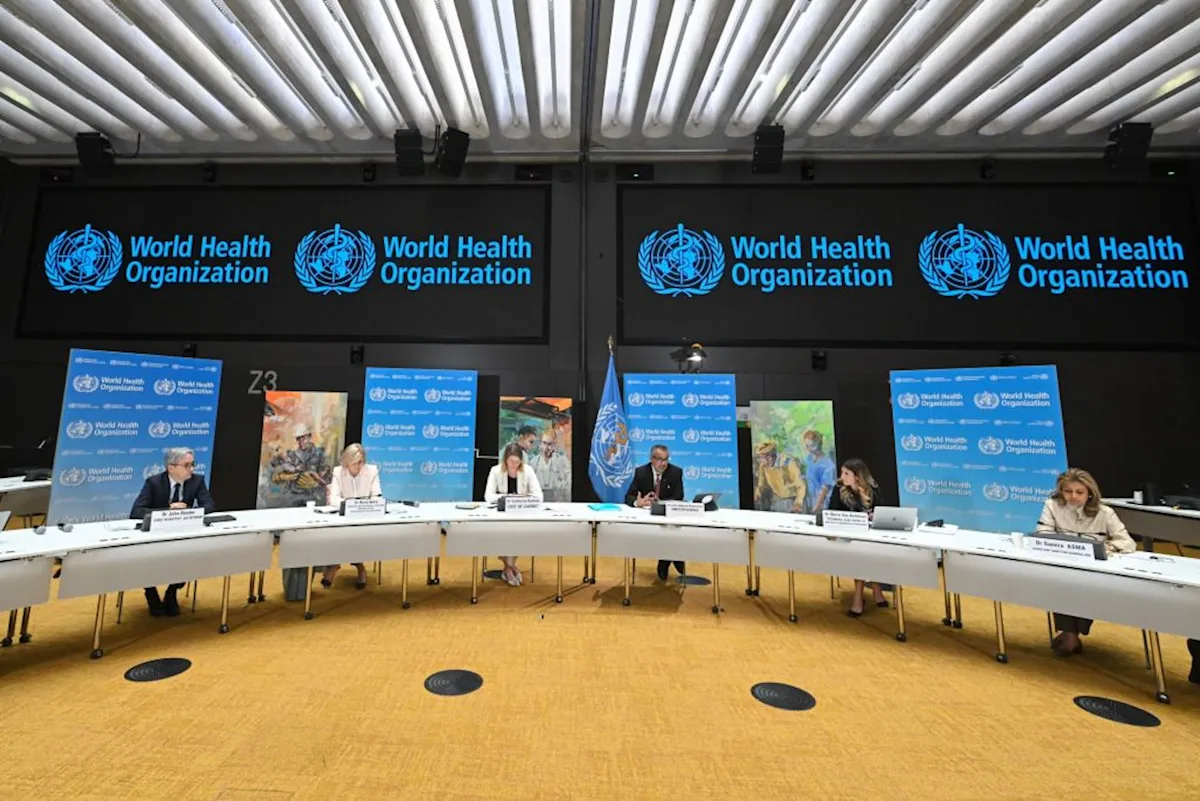
Over 200 medical journals have called on the World Health Organization (WHO) to declare a global health emergency due to the combination of biodiversity loss and changing global temperatures. The rise in global temperatures, driven by human activities, is disrupting social and economic systems and leading to the displacement of millions of people. Waterborne diseases and pollution are also affecting human health and the availability of quality food from oceans. The WHO's recognition of the crisis and involvement in climate-related initiatives is seen as a positive step towards galvanizing efforts from scientists, governments, and policymakers worldwide.
Human beings are causing species extinction at a rate 35 times faster than if it had followed the natural pace of the previous 65 million years, according to a study published in the journal PNAS. The loss of entire genera is impacting ecosystems and changing the course of evolution. At least one-third of known vertebrates are declining in population, and the human-imposed homogenization of the environment is causing the disappearance of equilibrium beneficial to our existence. The authors of the study call for unprecedented investment in conserving tropical forests, where the greatest biodiversity is found, to avoid a widespread collapse.
The CEO of the Global Environment Facility (GEF) has called on countries to stop investing in activities that harm nature, such as the oil and gas industry, in order to effectively tackle biodiversity loss. The GEF is launching a new fund to support developing countries in reaching ambitious nature conservation targets, with the aim of raising $200 million by December. However, the CEO expressed skepticism that countries will divert funds away from harmful activities, highlighting the need for a radical shift in global leadership to address climate change and biodiversity loss.
Experts from Charles Darwin University (CDU) have called for a radical shift in our relationship with the environment to address the extinction crisis. A review led by CDU found negative trends in Australian biodiversity loss, driven by invasive species, disrupted land and sea management, altered fire regimes, and changed water flows. The study highlights the urgent need for increased investment, policy reform, and expanded conservation management. The researchers emphasize the inadequacies in current legislation, policy, and management and stress the importance of strategic expansion in conservation efforts. They also note the compounding effect of climate change on existing threats and new environmental stresses.
Concentrations of CO2 in Earth's atmosphere could reach levels associated with 19 "mass extinctions" that have occurred in the last 534 million years within a human lifetime, warns a new study. By 2100, atmospheric CO2 levels could rise to 800 parts per million by volume (ppmv), close to the average CO2 concentrations associated with significant crashes in marine biodiversity. The study highlights that current CO2 levels are already causing losses in biodiversity, primarily through ocean acidification, which reduces the availability of calcium carbonate ions needed for organisms to build their skeletons and shells. Scientists warn that if emissions from burning fossil fuels and land conversion for agriculture are not curbed, the consequences could be severe for global biodiversity.
The Endangered Species Act, which has protected and preserved over 99% of the listed species for the past 50 years, is facing potential peril as conservative administrations and lawmakers seek to weaken it, arguing that it hampers property rights and economic growth. Environmentalists accuse regulators of slow-walking new listings and claim that insufficient funding is hindering the act's mission. Rebuilding bipartisan support is seen as crucial for the law's survival, but in a polarized political climate, this may prove challenging. The recent nullification of the endangered designation for the northern long-eared bat by the Senate raises concerns about the act's future effectiveness.
A new study suggests that achieving the 2°C global warming target set out in the Paris Agreement is not economically reasonable without major changes. The study emphasizes the need to prioritize non-market factors such as human health and biodiversity loss in climate change goals. The cost of climate change, including mitigation efforts, is estimated to range from 46 to 230 trillion US dollars, while the cost of additional mitigation efforts is estimated to be 45 to 130 trillion US dollars. The study highlights the importance of integrating climate change, biodiversity, and health issues and accelerating technological innovations to reduce mitigation costs.
A new study analyzing fossil teeth measurements reveals the decline of African megafauna over the past 10 million years. The research shows a correlation between an animal's size and its population density, with larger species having lower population densities. The study also suggests that the decline of African megafauna began around 4 million years ago, much earlier than previously thought, and was driven by environmental factors such as decreasing global temperatures and the expansion of tropical grasslands. The loss of large individuals and restructuring of biomass distributions in African large mammal communities may have been linked to decreases in primary productivity. These findings have implications for understanding ecosystem dynamics and can inform conservation efforts in the face of biodiversity loss and environmental change.