Johnson & Johnson's FDA approval of CAPLYTA (lumateperone) as an adjunctive treatment for major depressive disorder in adults offers a new hope for remission, demonstrating efficacy and a favorable safety profile based on Phase 3 trials, potentially transforming treatment expectations for depression.
AbbVie is acquiring Gilgamesh Pharmaceuticals' investigational drug bretisilocin, a promising psychedelic therapy in Phase 2 trials for major depressive disorder, aiming to expand its psychiatric treatment portfolio. The drug has shown significant antidepressant effects with a shorter psychoactive duration, and the deal includes up to $1.2 billion in potential payments. This move underscores AbbVie's commitment to innovative mental health treatments.
Researchers from the University of Colorado have developed a new framework suggesting that antidepressants treat major depressive disorder (MDD) by restoring brain connectivity and promoting neuroplasticity, rather than correcting a serotonin imbalance. This new understanding aims to improve patient-clinician conversations and reframe public perception of antidepressant efficacy.
Marisol, a member of the Hispanic community, struggled with Major Depressive Disorder (MDD) due to the stigma surrounding mental health in her culture. After a health scare, she sought help and found a psychiatrist who recommended Trintellix, a medication for MDD. She emphasizes the importance of open dialogue about mental health in the Hispanic community and encourages others to seek help without fear of judgment. Dr. Virmarie Diaz Fernandez, a psychiatrist, stresses the significance of creating a safe space for patients to discuss their mental health.
A study published in the Journal of Affective Disorders Reports found that 19% of individuals without prior sexual issues reported encountering sexual problems related to the usage of at least one antidepressant. The survey involved 900 people aged 18 to 64 with major depressive disorder, categorizing them based on their antidepressant use over the past year into continuers, switchers, and discontinuers. The study sheds light on the experiences of antidepressant use, highlighting the impact of treatment-emergent sexual dysfunction and the reasons for continuing therapy, switching to a different antidepressant, and discontinuation.
A study using UK Biobank data found that loneliness is associated with reduced gray matter volume in specific brain regions, particularly in men with major depressive disorder. The research suggests a link between loneliness and structural brain changes, highlighting the potential impact of social engagement on brain health in middle-aged men vulnerable to depression. However, the study's cross-sectional design leaves the long-term relationship between brain structure and loneliness unclear, and further research is needed to determine causality between loneliness, major depressive disorder, and observed brain changes.
New research published in Science Translational Medicine reveals that rapid-acting antidepressants like ketamine, psilocybin, and scopolamine can alter negative mood biases in rodent models, shedding light on the neuropsychological mechanisms behind their effects. The study suggests that these drugs not only dampen negative emotional memories but also enhance positive emotional learning, potentially offering new avenues for understanding and treating Major Depressive Disorder. The findings indicate that these rapid-acting antidepressants have long-lasting effects on mood and memory, hinting at potential therapeutic applications for conditions such as PTSD.
A meta-analysis of 13 randomized controlled trials has highlighted the potential of psilocybin-assisted psychotherapy as a treatment for patients with treatment-resistant depression. The analysis found that patients receiving psilocybin therapy showed significantly more improvement in depressive symptoms compared to those who did not receive the treatment. Response rates and remission rates were higher in the psilocybin group, and the positive effects of psilocybin therapy were observed shortly after administration and could last for several months. While psilocybin was generally well-tolerated, some participants experienced non-serious side effects. However, careful screening and monitoring of participants, especially those with a complex psychiatric history, is necessary. Further research is needed to establish psilocybin-assisted psychotherapy as an accepted medical alternative.
The FDA has finally approved a tablet developed by Fabre-Kramer Pharmaceuticals for adults with major depressive disorder, after a 24-year-long process involving multiple companies and regulatory scrutiny over its efficacy. The drug, known as Exxua (gepirone), is expected to be available in pharmacies in early 2024.
Sage Therapeutics' stock plummeted by 49% in premarket trading after the FDA approved its zuranolone treatment for postpartum depression but not for major depressive disorder (MDD). The FDA's approval makes zuranolone the first and only oral treatment for postpartum depression, a condition that affects one in eight new mothers in the US. Sage is currently reviewing the FDA's feedback and considering its next steps, including resource allocation and a workforce reorganization. CEO Barry Greene stated that the company plans to provide more details and next steps before the end of the third quarter. Biogen, which co-developed zuranolone, also saw a decline in its stock.
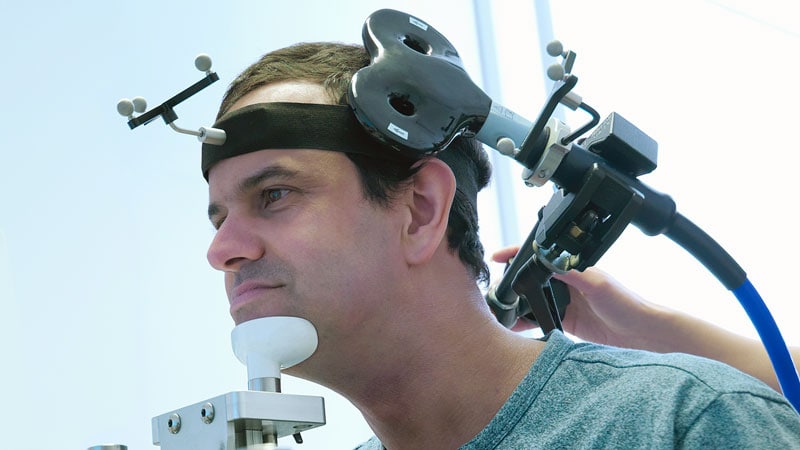
A triple-blind, randomized, sham-controlled trial found that transcranial direct current stimulation (tDCS) does not provide additional benefit when added to selective serotonin reuptake inhibitor (SSRI) therapy for adults with major depressive disorder (MDD). The study showed no difference in improvement in depression scores between active and sham tDCS. While the results question the efficacy of tDCS as an adjunct treatment for MDD, researchers suggest that combining tDCS with specific behavioral or cognitive interventions or personalizing tDCS based on individual MRI-based computational modeling may hold promise. Further research is needed to explore placebo response and individualized treatment options for MDD.
A new study published in the Journal of Affective Disorders suggests a causal link between early sexual intercourse and major depressive disorder (MDD). Researchers utilized large-scale genetic data and Mendelian randomization analysis to investigate the relationship between sexual behaviors and MDD. The findings indicate that early sexual intercourse increases the risk of MDD, and delaying the age at first sexual intercourse may have a protective effect against the development of depression. However, the study has limitations, including its focus on the European population and reliance on self-reported data. Nonetheless, the study highlights the importance of addressing depression among sexually active adolescents and the potential benefits of interventions aimed at delaying early sexual activity in preventing or reducing the risk of MDD.
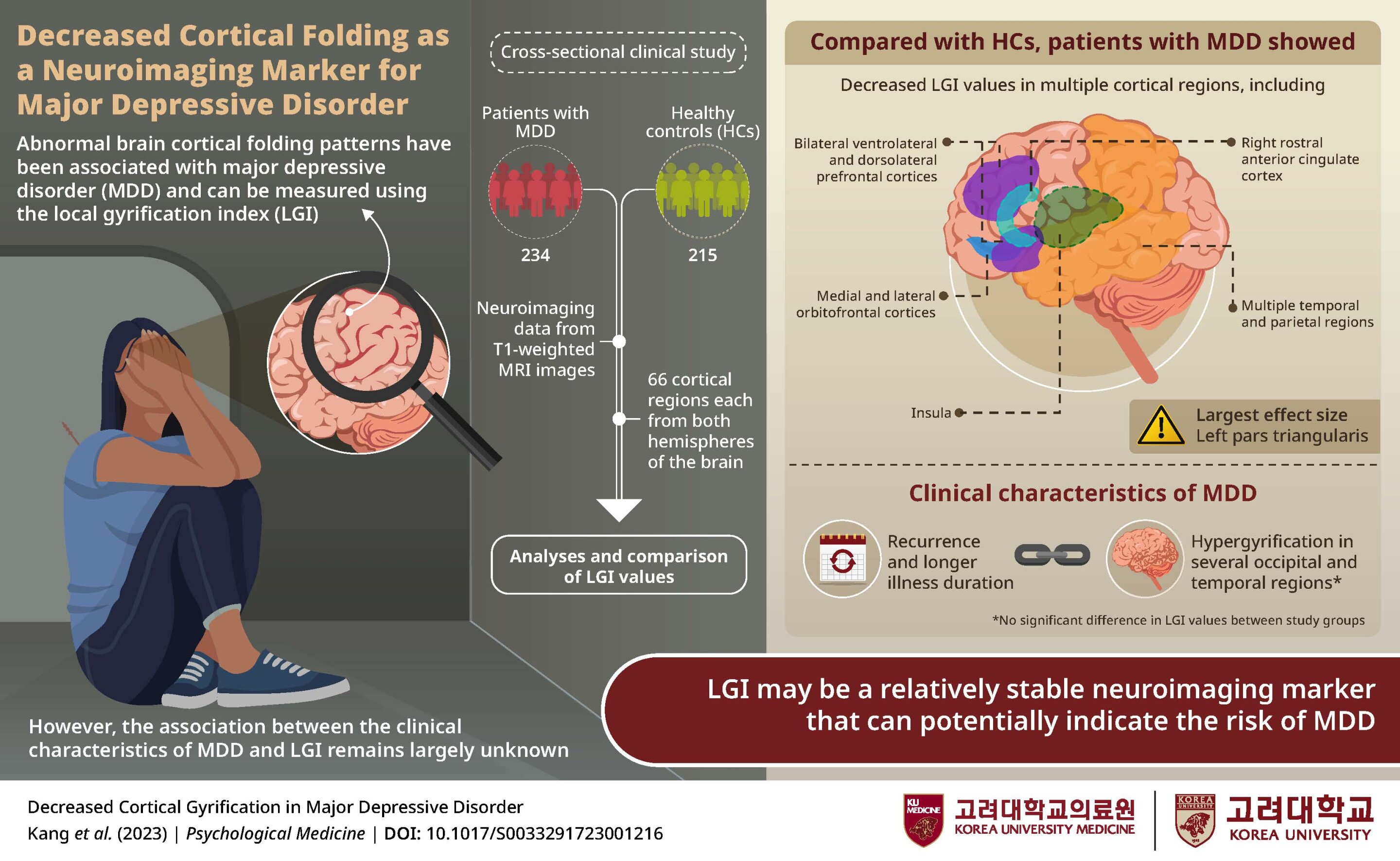
Researchers from Korea have identified a neuroimaging-based biomarker, known as the local gyrification index (LGI), for major depressive disorder (MDD). The study found that patients with MDD had significantly lower LGI values in multiple cortical regions compared to healthy individuals, indicating hypogyrification or decreased cortical folding. The findings suggest that abnormal cortical folding patterns may be associated with the dysfunction of neural circuits involved in emotional regulation, contributing to the pathophysiology of MDD. The study's results provide a deeper understanding of MDD and pave the way for future research on genetic factors and targeted medical treatments.
Situational depression and clinical depression are similar in some ways, but they have distinct differences. Situational depression is a normal reaction to a specific adverse event, such as the loss of a loved one, and typically resolves on its own within one to three months. Clinical depression, on the other hand, is more severe and can develop when situational depression is not adequately addressed. It is characterized by persistent feelings of hopelessness, lack of energy, cognitive problems, and suicidal ideation. Treatment for situational depression may involve self-care strategies and social support, while clinical depression may require therapy, medication, and other interventions. Risk factors for developing clinical depression include adverse childhood experiences, lack of social support, and difficulty regulating stress and anxiety. Seeking help for depression is important for maintaining mental health.
A recent study identified multiple subtypes of Major Depressive Disorder (MDD) using brain imaging. Over 2,000 participants were involved in the study, which analyzed functional connectivity in the brain. The findings reveal two distinct subtypes of MDD, each characterized by different patterns of brain connectivity, indicating the underlying complexity of depression. The work could help develop precise diagnostic and treatment strategies for each specific neurophysiological subtype of depression.