Tag

Functional Connectivity

All articles tagged with #functional connectivity

neuroscience1 year ago

Newborns Experience Rapid Brain Connectivity Growth

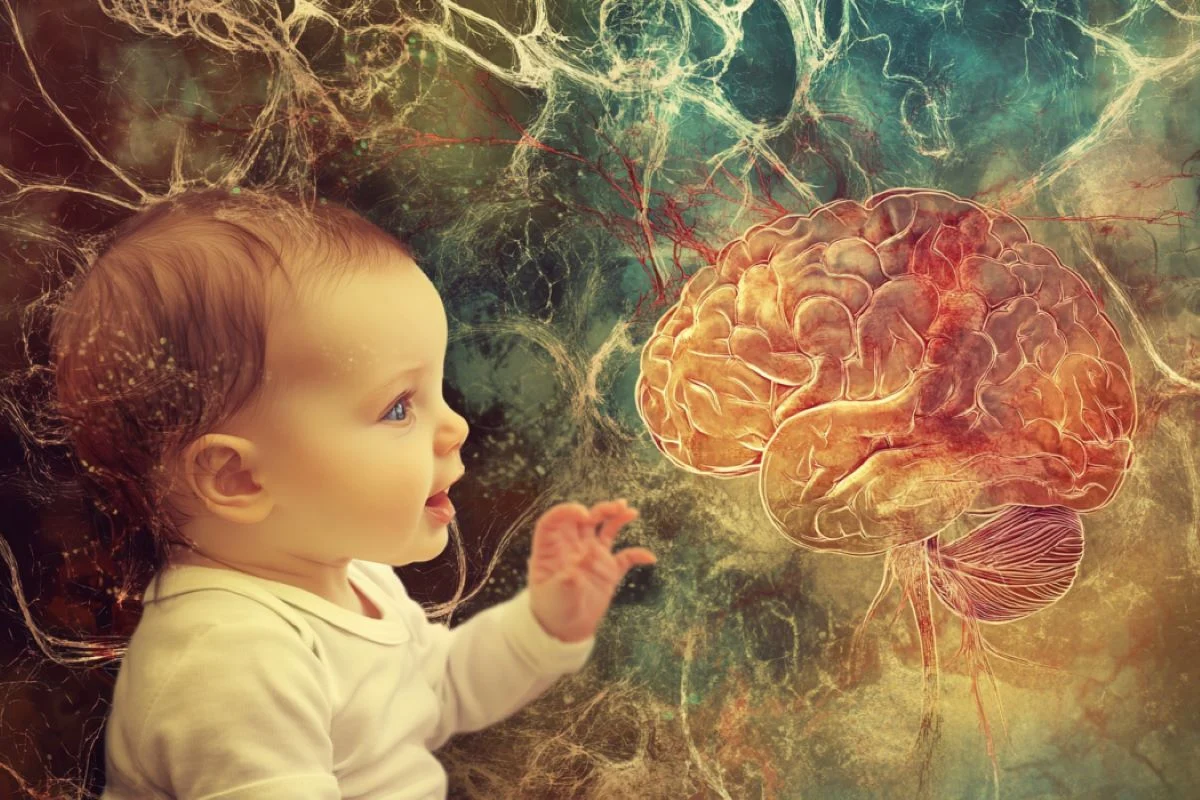
A study using brain imaging of fetuses and infants reveals a rapid increase in functional brain connectivity at birth, particularly in subcortical, sensorimotor, and superior frontal regions. This reorganization aids adaptation to the external world and highlights the sensitivity of specific brain networks to environmental factors. The research provides insights into early brain adaptability and lays the groundwork for exploring how factors like prenatal adversity and prematurity influence brain development.

neuroscience2 years ago

"Unveiling Altered Brain Connectivity in Autism through Brain Imaging"

Researchers have used advanced brain imaging and machine learning techniques to identify altered functional brain connectivity in individuals with Autism Spectrum Disorder (ASD), taking into account the diversity within the disorder. The study distinguishes between shared and individual-specific connectivity patterns in ASD, revealing both common and unique brain alterations. This personalized approach could pave the way for tailored treatments that address the specific neural characteristics of individuals with ASD.

neuroscience2 years ago

Unveiling New Subtypes of Depression: Implications for Diagnosis and Treatment

A recent study identified multiple subtypes of Major Depressive Disorder (MDD) using brain imaging. Over 2,000 participants were involved in the study, which analyzed functional connectivity in the brain. The findings reveal two distinct subtypes of MDD, each characterized by different patterns of brain connectivity, indicating the underlying complexity of depression. The work could help develop precise diagnostic and treatment strategies for each specific neurophysiological subtype of depression.

neuroscience2 years ago

Autistic preschoolers' sleep issues linked to thalamus connectivity.

Preschool children with autism spectrum disorder who have sleep problems show heightened sensory sensitivity and excessive connectivity between the thalamus and auditory cortex regions of the brain, according to a neuroimaging study. The research also indicated a likely lack of auditory habituation during sleep. The study makes an important contribution to the scientific understanding of the physiological aspects of autism spectrum disorder.

neuroscience2 years ago

Brain network reconfigurations shed light on psychedelics' neurobiology.

Scientists have identified specific patterns of brain network reconfigurations that occur when people take both classical and non-classical psychedelic drugs. Both LSD and non-classical psychedelics like nitrous oxide and ketamine have similar effects on brain connectivity, suggesting that there may be a common biological mechanism underlying the effects of both classical and non-classical psychedelics on large-scale brain networks. The study identified certain areas in the brain that consistently showed changes in connectivity when people were under the influence of psychedelics.

neuroscience2 years ago

Temporal lobe neural circuits linked to insomnia in depression

A neuroimaging study has found that people with depression and insomnia have higher resting-state functional connectivity in the superior temporal gyrus region of the brain on both sides. This type of connectivity was decreased in the left supplementary motor area and bilateral postcentral gyrus regions of the brain. The study gives an important contribution to the scientific understanding of neural correlates of insomnia in people with depression.

neuroscience2 years ago

Gender Differences in Depression-Related Brain Network Development During Adolescence

Brain regions implicated in depression tend to develop differently in adolescent girls and boys, according to new research published in Science Advances. The findings provide evidence that there may be a connection between the way brain networks develop during adolescence and sex differences in the risk of depression. The study utilized a large fMRI dataset with approximately equal numbers of males and females. The results provide new insights into the neural mechanisms underlying the development of depression and may help to develop sex-specific prevention and treatment strategies for depression.