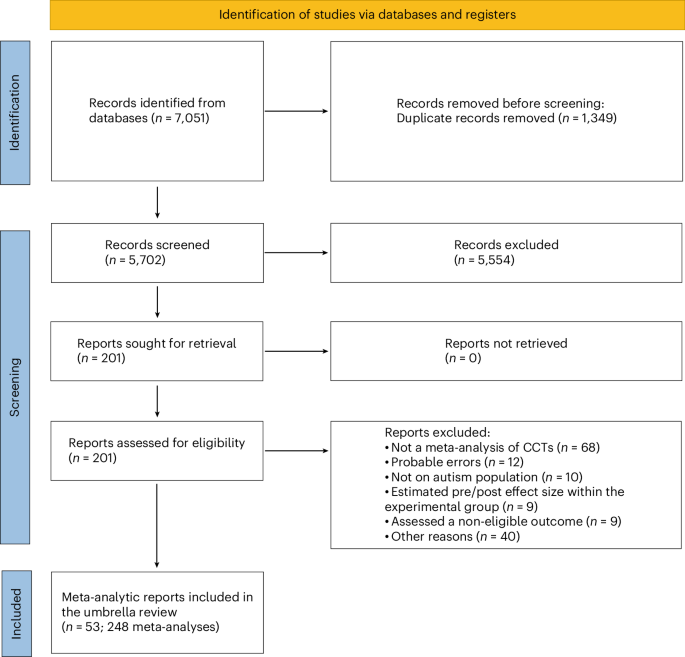
This article reviews the evidence on the efficacy and safety of complementary, alternative, and integrative medicine (CAIM) for autism, finding limited support for most interventions due to low-quality evidence, and introduces an online platform to help stakeholders access and interpret this evidence for informed decision-making.
The Vaccine Integrity Project presented reassuring data on the safety and effectiveness of flu, RSV, and COVID-19 vaccines, indicating no new safety concerns and supporting vaccination, especially in children and pregnant women, despite recent changes in federal recommendations and vaccine policy debates.
A review of 209 clinical trials on 64 OTC products for depression found that some, like St John’s Wort, saffron, probiotics, and vitamin D, show promising results comparable to prescription antidepressants, while others have mixed or limited evidence. Few safety concerns were reported, but more rigorous research is needed to confirm effectiveness and safety, especially for popular but less-studied products.
A team of researchers, including Dr. Jake Scott from Stanford, has created a crowd-sourced spreadsheet documenting hundreds of randomized controlled trials of licensed vaccines to combat misinformation about vaccine safety and efficacy, emphasizing that vaccines are thoroughly tested and monitored for safety.
The US FDA has approved Moderna's RSV vaccine, mRESVIA, for adults aged 60 and older, with a label indicating 79% efficacy, lower than the 84% initially reported. This approval marks the first non-COVID-19 mRNA vaccine in the US. Moderna aims to generate new revenue as demand for its COVID-19 vaccine declines, with analysts forecasting significant sales growth for the RSV vaccine in the coming years. The CDC will vote on usage recommendations next month.
A discussion thread on kottke.org revolves around a list of "Things That Don’t Work," with some commenters expressing skepticism about the author's opinions and others sharing their positive experiences, particularly with acupuncture for pain relief and therapy. The conversation also touches on the efficacy of non-fiction books and the potential benefits of acupuncture for various conditions.
Moderna's shares dropped 7% as analysts expressed concerns over the faster decline in efficacy of its RSV vaccine compared to competitors GSK and Pfizer, with data showing a drop from 84% to 63% after 8.6 months. Moderna cautioned against direct comparisons, citing different trial methodologies, but analysts raised questions about the competitive profile of its vaccine. GSK and Pfizer's vaccines also showed declines in efficacy over time, with both companies exploring the possibility of at least two years of efficacy.
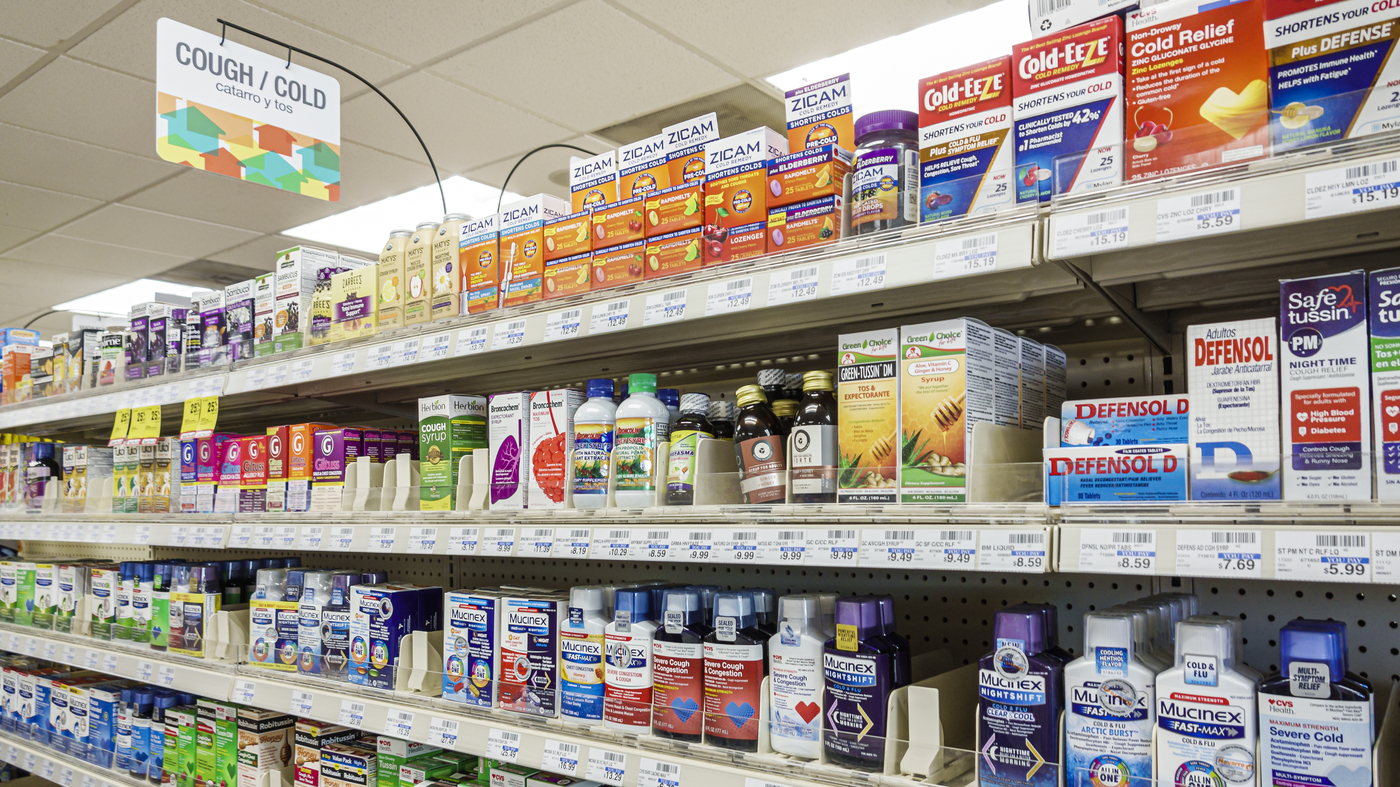
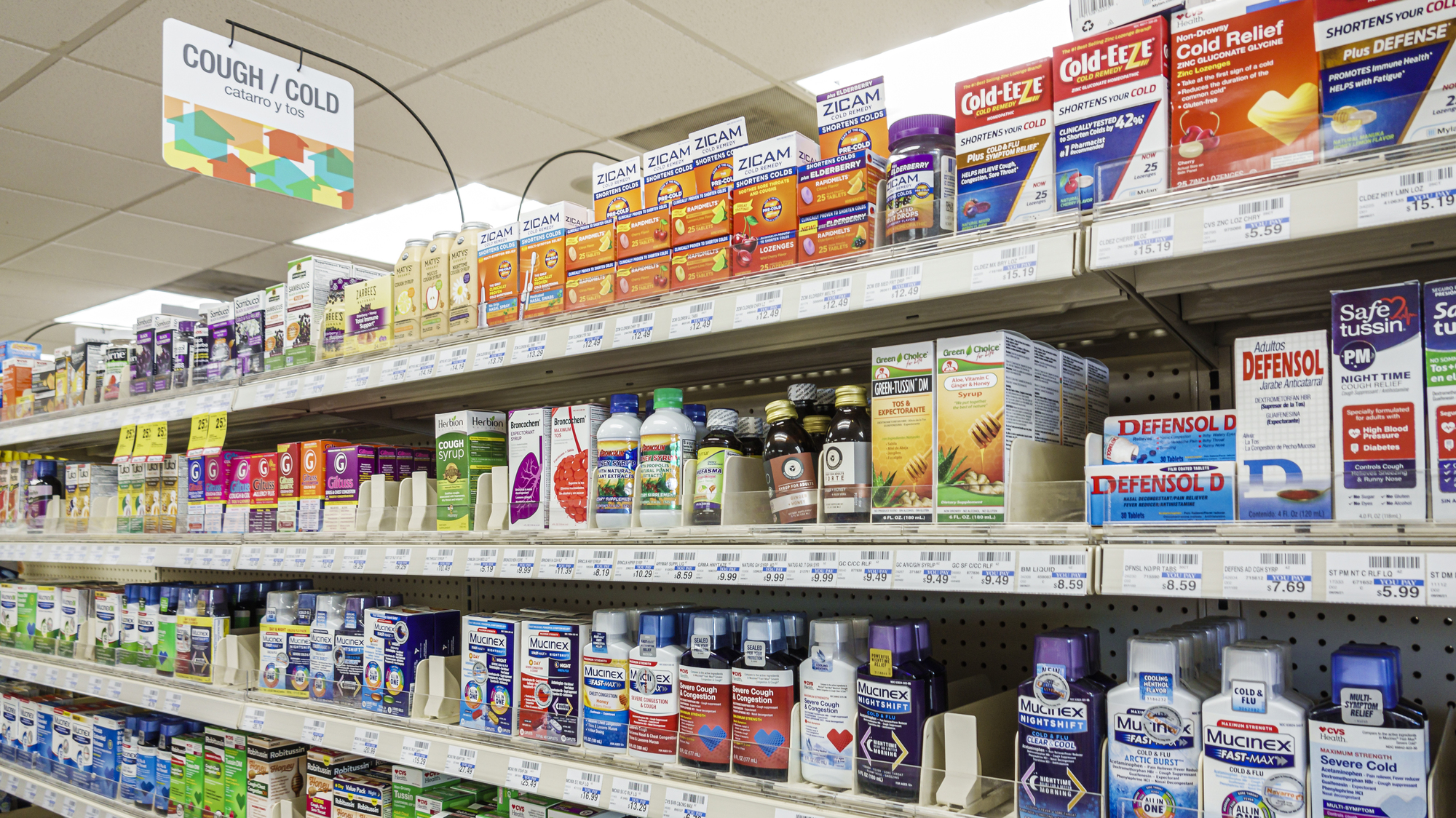
Doctors and researchers are questioning the effectiveness of many common over-the-counter treatments for the common cold and flu. Antihistamines, decongestants, cough medicines, and other remedies have limited evidence of improving symptoms. Concerns over the effectiveness of these products have prompted a review by the FDA, which has been slow due to regulatory processes. Many of these drugs have remained on store shelves without rigorous testing of their effectiveness. While some products may provide relief, experts recommend using single-ingredient products and relying on natural remedies such as saline nasal rinses and honey. Ultimately, the common cold often needs to run its course, and instant relief is unlikely.
Doctors and researchers are questioning the effectiveness of many over-the-counter treatments for the common cold, including antihistamines, decongestants, and cough medicines. A recent FDA review found that oral phenylephrine, an active ingredient in some cold and flu products, is not effective. Concerns over the effectiveness of other ingredients in cold and flu medications have also been raised. Many of these drugs have remained on store shelves without being tested for effectiveness due to outdated regulations. While some medications like nasal sprays and analgesics may be effective, others like antihistamines and herbal remedies are deemed ineffective. Experts recommend using products with the best evidence, such as acetaminophen (Tylenol) for pain relief, and suggest trying natural remedies like saline nasal rinses and honey for cough relief. Ultimately, the common cold often needs to run its course, and instant relief is unlikely.
Bayer's phase III OCEANIC-AF study, comparing asundexian to apixaban in patients with atrial fibrillation at risk for stroke, is being stopped early due to the recommendation of the study's Independent Data Monitoring Committee (IDMC) citing inferior efficacy of asundexian compared to the control arm. Safety data remains consistent with previous reports, and Bayer will analyze the data further. The OCEANIC-STROKE study will continue as planned, and measures will be taken to close the OCEANIC-AF study. Asundexian is an investigational agent and has not been approved for use by any health authority.
A new study confirms the effectiveness of newer oral medications called JAK inhibitors for rheumatoid arthritis (RA). The study found that most patients with RA who were treated with JAK inhibitors experienced symptom relief or even remission. The findings suggest that JAK inhibitors are effective in real-world settings, even for patients who have not responded well to standard treatments. While JAK inhibitors have been associated with some increased risks, such as heart attack and stroke, the overall risks appear to be low and similar to other RA medications. Long-term effectiveness and safety of JAK inhibitors still need further investigation.
A re-evaluation of trials and studies on the efficacy of Xanax, a commonly prescribed anxiety medication, has found that its effectiveness may have been exaggerated by approximately 40 percent due to publication bias. While still more effective than a placebo, the drug's efficacy was inflated in published studies. Only one out of the five trials reviewed by the FDA was deemed positive, raising questions about the drug's actual effectiveness. Xanax, a benzodiazepine, is known for its addictive nature and potential side effects. The study highlights the need for further examination of the drug's efficacy and raises concerns about its widespread use.
A new study published in Psychological Medicine suggests that the widely prescribed sedative alprazolam (Xanax XR) may be less effective than previously believed, with publication bias potentially inflating its efficacy by over 40%. The research examined both published and unpublished data from five randomized controlled clinical trials reviewed by the FDA for alprazolam. Benzodiazepines, including Xanax, have been associated with clinical risks such as dependence, withdrawal, falls, and cognitive impairment. The study's findings raise questions about the effectiveness of Xanax and highlight the need for caution when prescribing benzodiazepines.
A new study analyzing both published and unpublished clinical trial data has raised questions about the efficacy of alprazolam (Xanax XR), a widely prescribed benzodiazepine sedative. Out of the five FDA-reviewed trials, only one showed a clearly positive outcome. The study suggests that publication bias may have inflated the drug's effectiveness by over 40%. Researchers emphasize the need for caution when prescribing this medication, especially for first-time users.
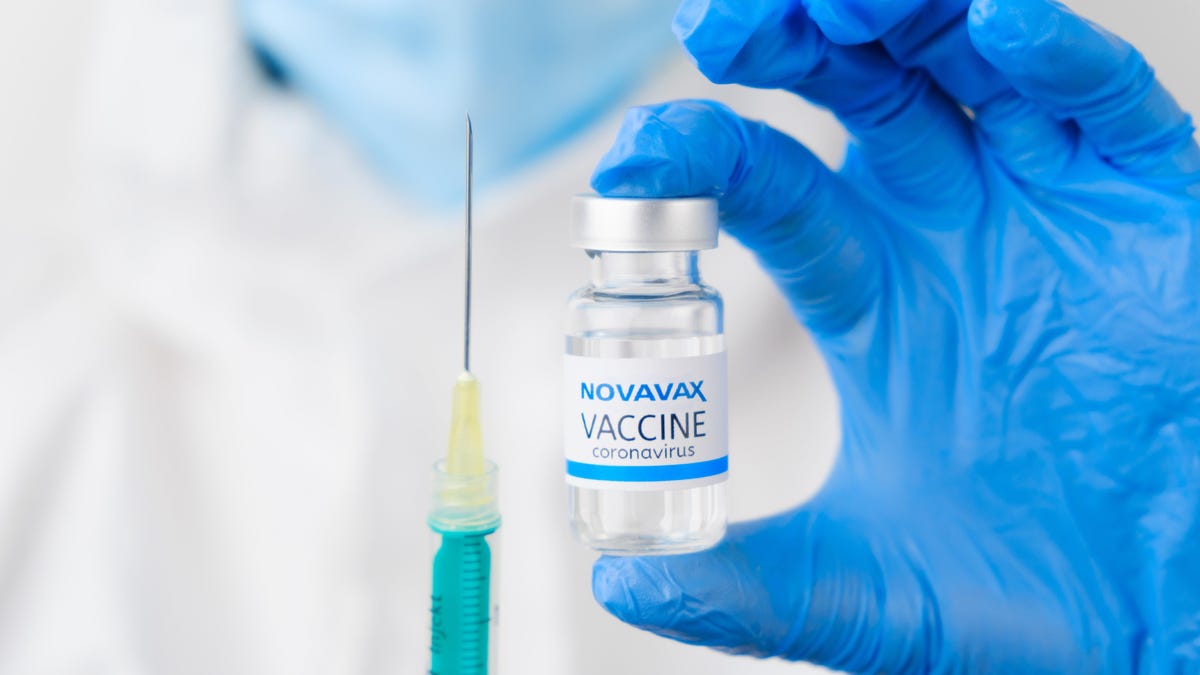
Novavax, the fourth COVID-19 vaccine option in the U.S., has been authorized for use as a primary vaccine series since early 2022 and recently as a booster for anyone ages 12 or older. It is a protein/adjuvant vaccine that includes a fully formed spike protein, unlike mRNA vaccines. Studies suggest that Novavax has comparable efficacy to Moderna and Pfizer vaccines, with around 55% effectiveness against symptoms and 28% effectiveness against infection during the Omicron wave. Mixing Novavax with mRNA vaccines may provide more durable protection, but further studies are needed. Novavax may have fewer side effects, but conclusive evidence is lacking. To get Novavax, individuals can check vaccines.gov or visit large pharmacy chains like Costco and CVS.