Tag

Magma

All articles tagged with #magma

science6 months ago

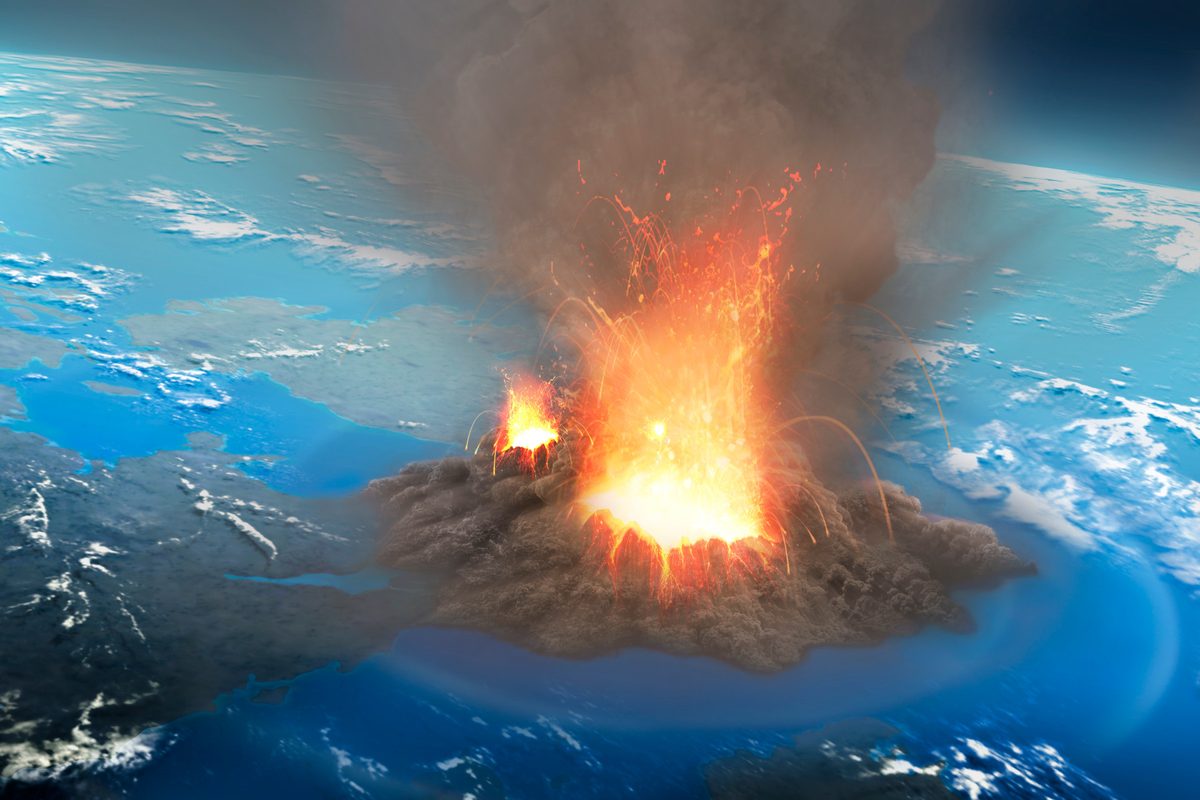
How a Yellowstone Supervolcano Eruption Would Unfold

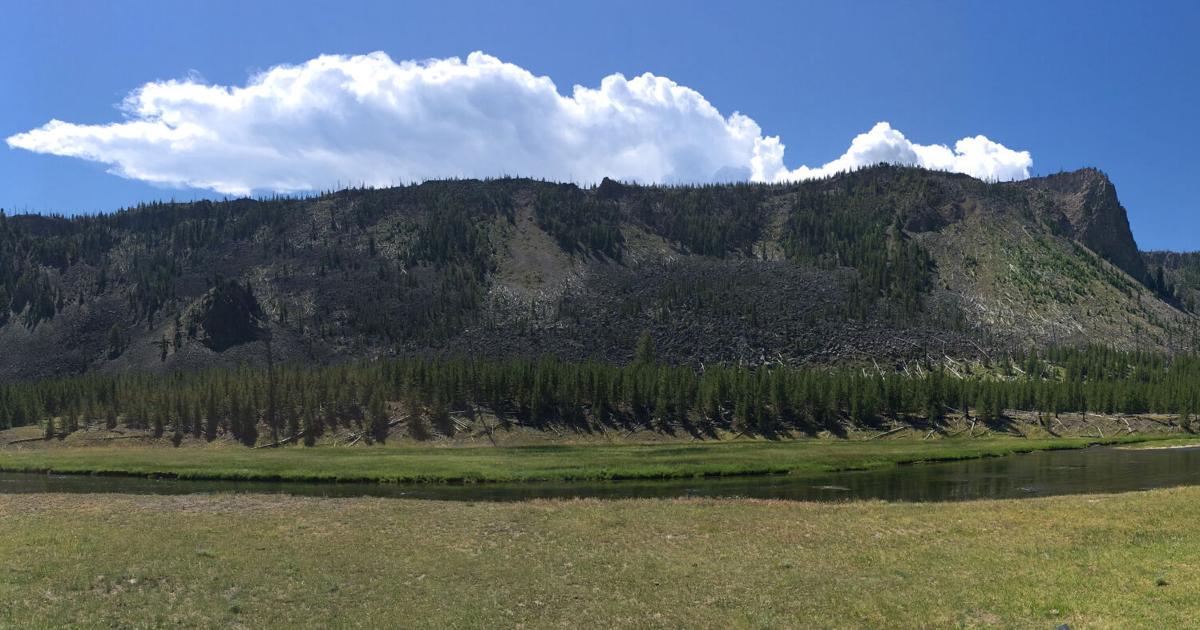
Recent research shows Yellowstone's magma is concentrated mainly under the northeast of the caldera, with a significant volume that could potentially lead to a super-eruption, but such an event is not imminent, occurring roughly every 735,000 years on average. The eruption would cause widespread ash fall, pyroclastic flows, and global climate cooling, but warning signs might be minimal, making prediction difficult. The last super-eruption was 630,000 years ago, and while the impact would be catastrophic, the likelihood of an immediate eruption remains low.

science6 months ago

Scientists Investigate the Revival Potential of Extinct Volcanoes

Scientists have studied Bolivia's Uturuncu volcano, which shows signs of activity despite being classified as extinct, revealing that such volcanoes can 'breathe' and potentially reawaken due to underground fluid movements. Using seismic tomography and satellite data, researchers found no imminent eruption threat but emphasized the importance of monitoring these restless volcanoes, especially as climate change may influence their activity. The study highlights how advanced imaging techniques can better predict volcanic behavior and improve safety measures.

science1 year ago

Supervolcano Threat Looms: Potential for Global Disruption

The Phlegraean Fields supervolcano near Naples, Italy, is showing signs of reawakening, with increased gas emissions and ground deformation raising concerns among scientists. The Solfatara crater is releasing 4,000 to 5,000 tons of carbon dioxide daily, primarily from magma beneath the surface. This activity has prompted heightened monitoring and a raised volcanic alert level, as experts work to determine if these signs indicate an impending eruption or are part of natural geological processes. The situation underscores the potential global impact of a supervolcano eruption.

science1 year ago

"Unprecedented: 2000 Earthquakes in 1 Day Off Canada Coast Signal Ocean Floor Ripping Apart"

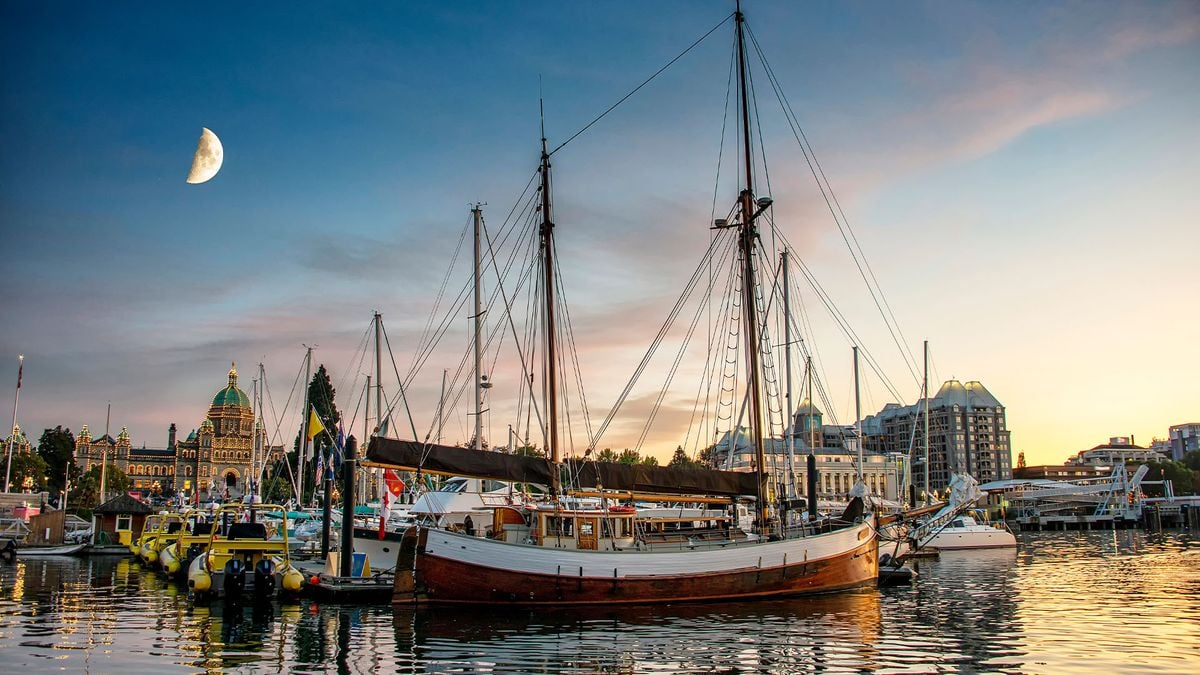
Nearly 2,000 earthquakes were recorded in a single day off the coast of Canada, indicating a potential deep sea magmatic rupture and the birth of new oceanic crust. The quakes, centered on the Endeavour site near Vancouver Island, are not a threat to people and are part of the ocean floor spreading apart. Scientists are closely monitoring the area to understand how the ocean floor pulls apart and new crust forms, as well as the impact on the hydrothermal vent system.

science1 year ago

"Accidental Discovery: Mystery Magma Reservoir Uncovered in Volcanoless Alaska"

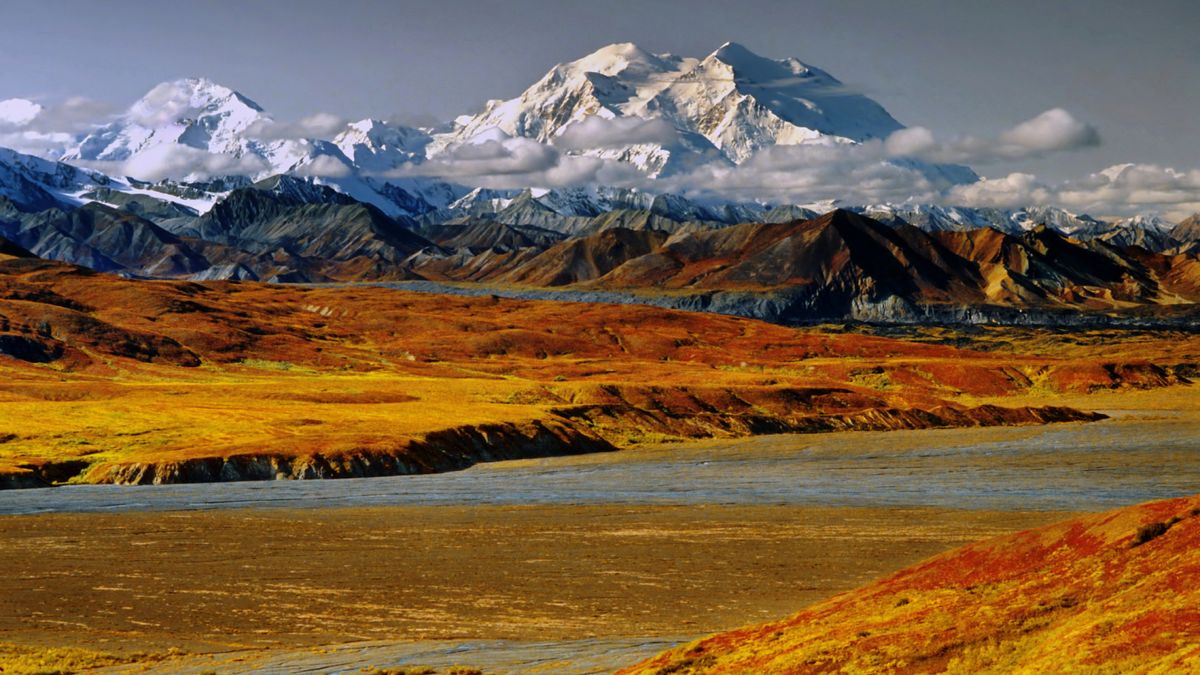
Scientists studying seismic activity in the Denali volcanic gap region of Alaska accidentally discovered evidence of a magma reservoir about 7 miles beneath the surface, challenging the belief that the area is volcanoless. The discovery was made by analyzing seismic data collected after a 2018 earthquake, revealing a "seismic-velocity anomaly" indicating the presence of slow-moving, molten magma. Further research is needed to confirm the presence of magma, but the rugged terrain of inland Alaska presents challenges for installing seismic monitoring instruments directly above the mystery spot.

science2 years ago

"Revealing the Timing of Yellowstone's Lava Flows"

Recent research using 40Ar/39Ar geochronology has revealed that Yellowstone's intracaldera rhyolite eruptions, occurring over the past 160,000 years, were more dramatic than previously believed. The study found that these eruptions occurred in five brief episodes, involving multiple eruptions spread over several kilometers to tens of kilometers, with each episode lasting a maximum of 400 years. The results suggest that intracaldera eruptions can involve multiple simultaneous eruptions and are less frequent than previously thought, shedding new light on the volcanic activity at Yellowstone.

science-and-environment2 years ago

"Uncovering the Growing Dinosaur-Era Superstructure in the Pacific Ocean"

A groundbreaking study led by University of Nevada geoscientist Kevin Konrad and an international team of researchers reveals that the Melanesia Border Plateau, a 222,000 square-kilometer underwater landmass, is still growing due to ongoing crust deformation influenced by the rollback of the Pacific plate beneath the Tongan trench. The plateau's rocky bones consist of cooled magma released during the Cretaceous Normal Superchron, and its formation challenges previous notions about large igneous provinces, suggesting they may emerge slowly and silently over time. Understanding this superstructure's formation has important environmental ramifications and provides insights into Earth's climate.

geology2 years ago

"The Geological Influence of Magma and Water on the Columbia River Gorge"

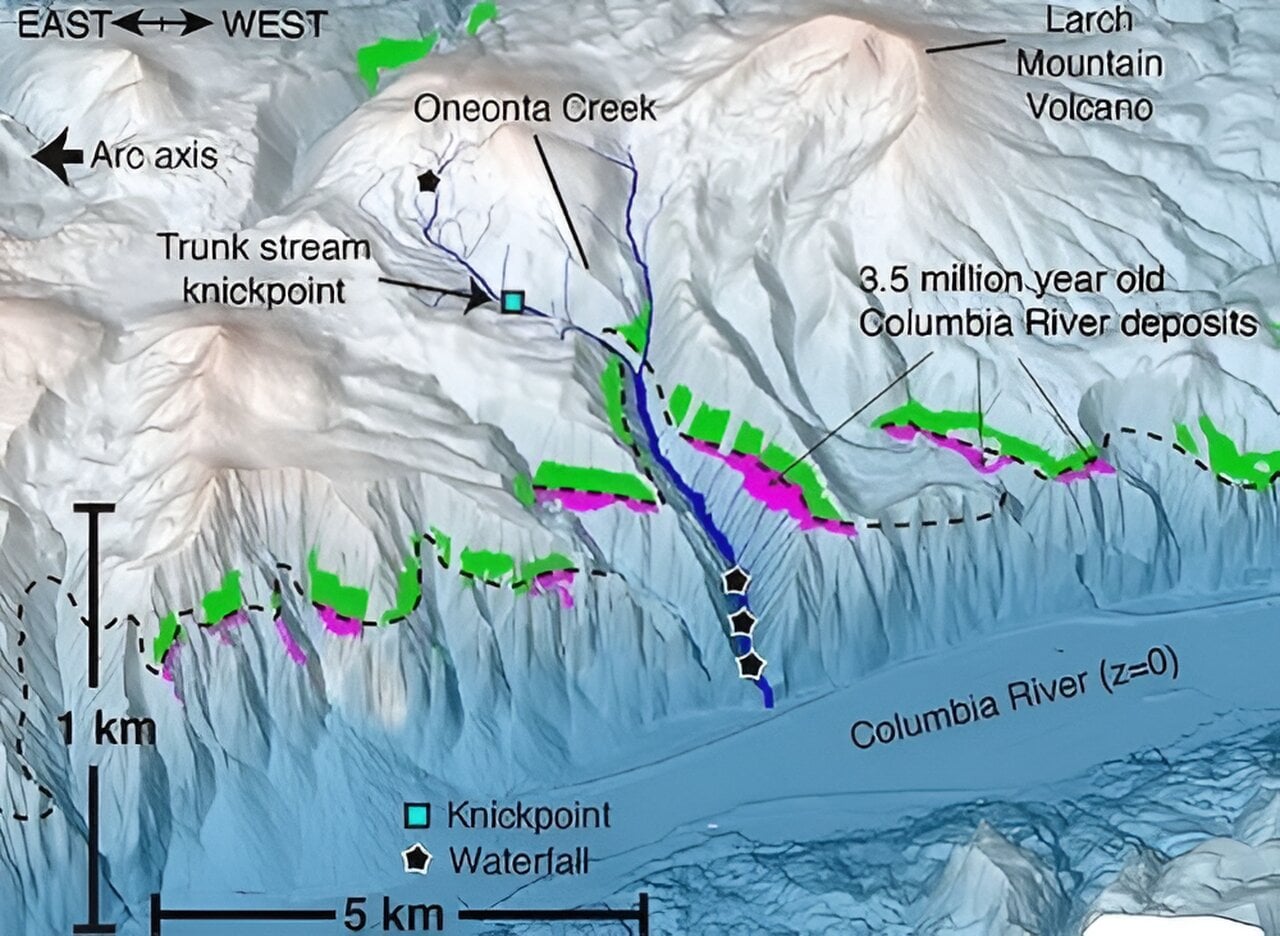
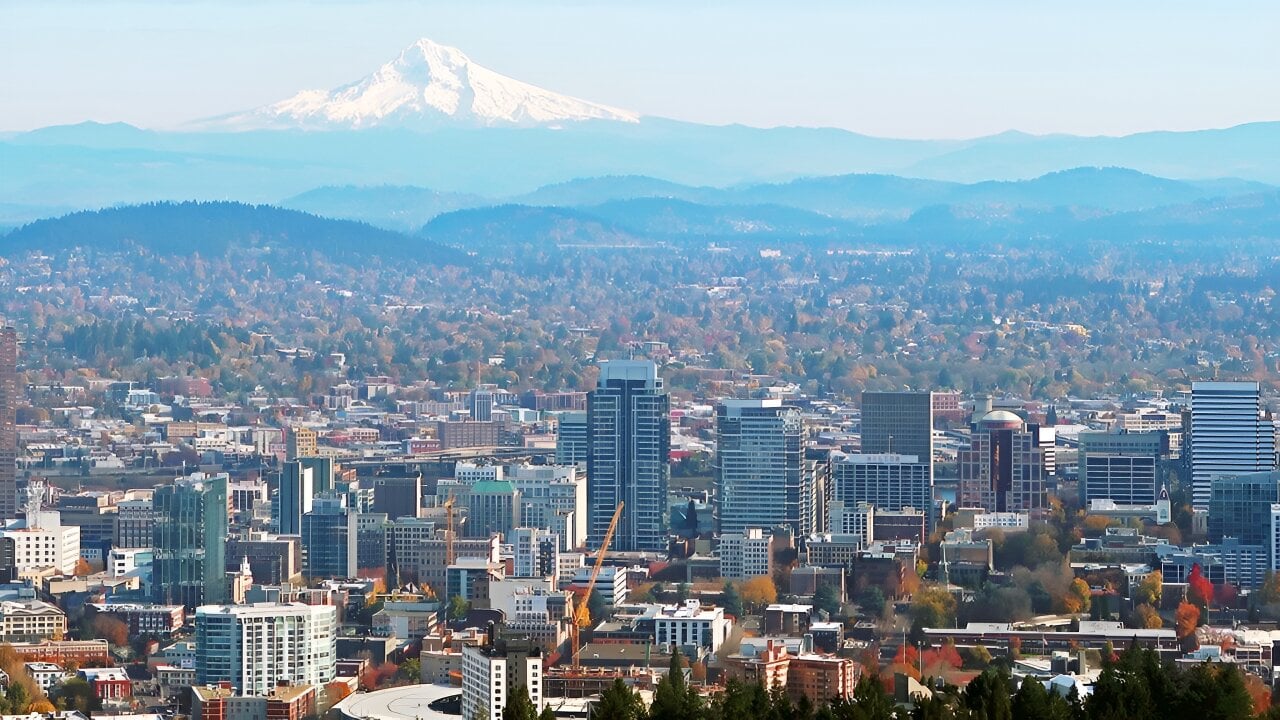
University of Oregon researchers have detailed how magma and water have shaped the iconic Columbia River Gorge, revealing that prolonged upwelling of magma beneath the earth's crust bent the river channel and pushed up cliffs and peaks, while water carved a deep channel between them. The study shows that the movement of magma, rather than other tectonic forces, explains the uplift, and that magma is still influencing the landscape today, with a pool of molten magma lying beneath the gorge. This research sheds light on the geological history of the gorge and its surrounding landscape.

natural-disasters2 years ago

Iceland's Reykjanes Peninsula experiences volcanic eruption after seismic activity

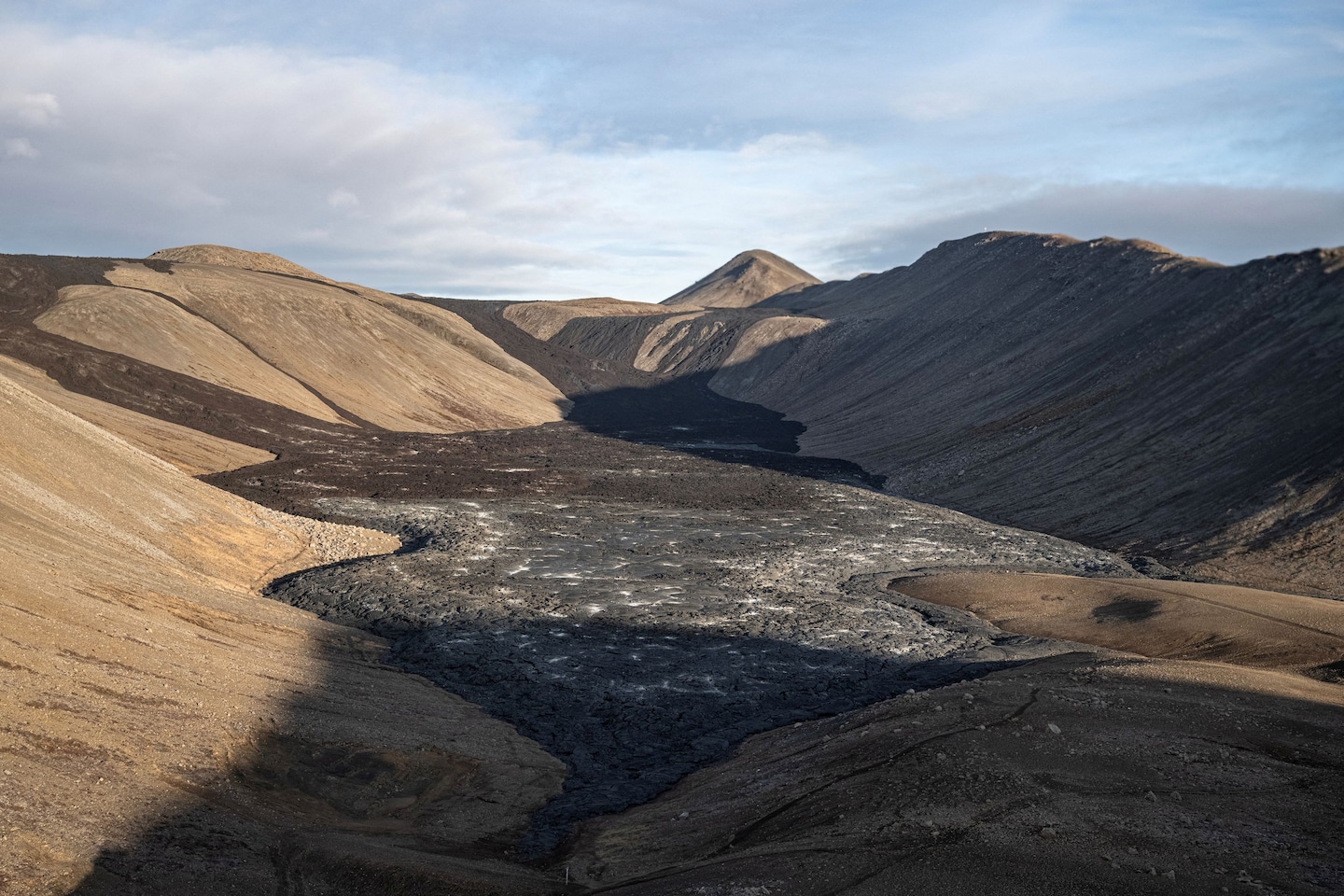
A volcanic eruption is underway in southwestern Iceland, with magma breaching the surface north of the town of Grindavik. The eruption prompted the evacuation of nearly 4,000 residents due to the threat of destructive lava flows. Iceland, known for its volcanic activity, experienced a significant increase in earthquakes in October and November, leading up to the eruption. While experts downplayed the potential for global travel disruption or decrease in air quality, concerns remain about the impact on infrastructure and houses in the affected area.

earth-science2 years ago

Ciomadul study reveals rapid and explosive eruptions of long dormant volcanoes

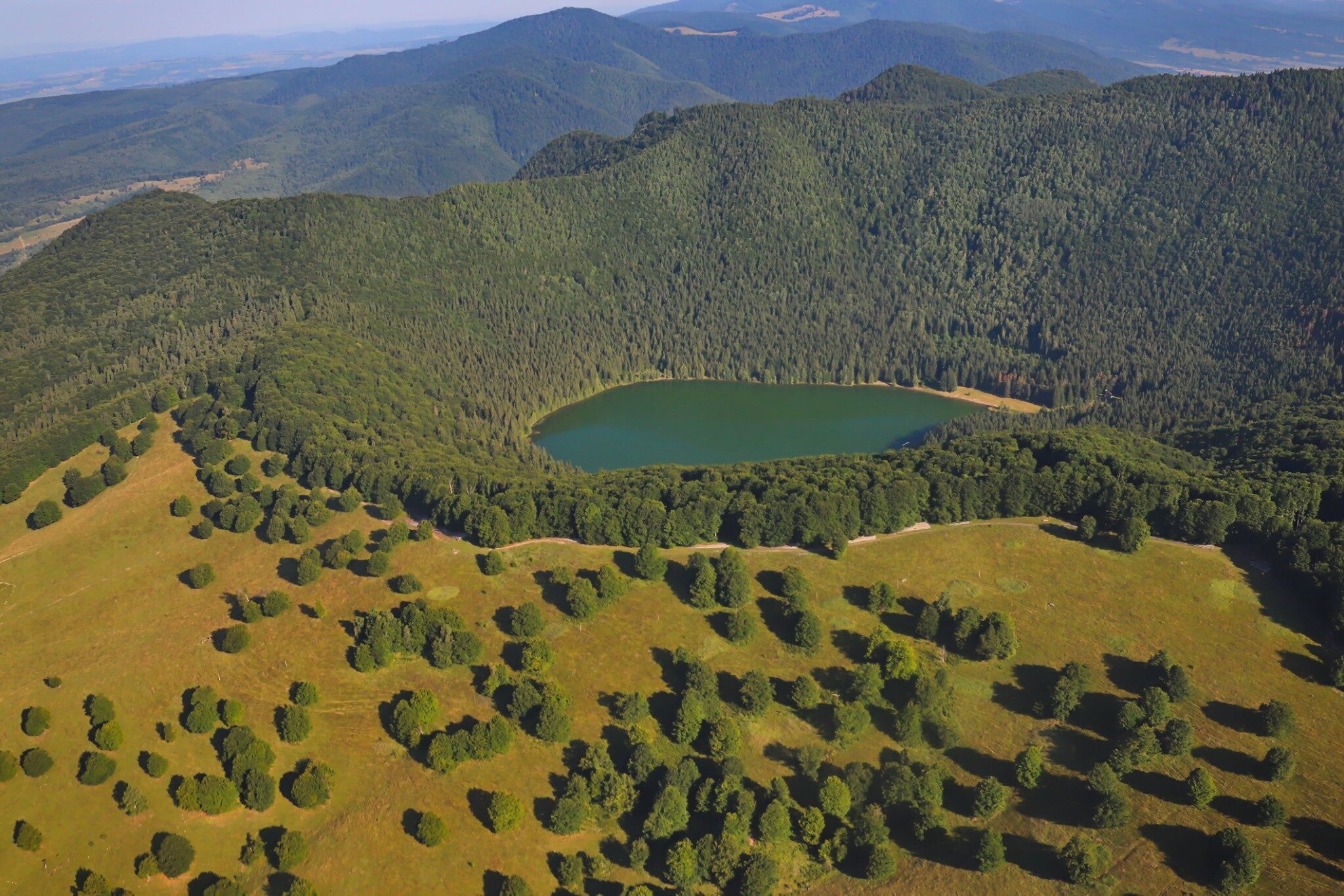
Hungarian scientists studying the Ciomadul volcano have found that even after tens of thousands of years of dormancy, a volcano can rapidly become active and pose a previously unknown threat. By analyzing the mineral composition of volcanic rocks, the researchers identified the conditions and processes that lead to explosive eruptions. They discovered that the presence of distinct amphibole compositions in the magma played a key role in triggering the explosive eruptions. This research highlights the importance of studying long-dormant volcanoes and understanding their potential hazards.

earth-science2 years ago

Uncovering the Neglected Danger: Understudied High-Threat Volcanoes

A recent study highlights the severe lack of data on high-threat volcanoes in the Cascade Volcanic Arc, which stretches from Northern California to southern British Columbia. Despite their significant hazards, scientists have limited knowledge of where magma is stored beneath these volcanoes, hindering their ability to understand and predict future eruptions. Practical limitations, such as the difficulty of detecting magma movement and installing monitoring equipment in protected areas, contribute to the lack of data. The researchers hope their work will help prioritize efforts to study the most dangerous and least understood volcanoes in the region.

natural-disasters2 years ago

Impending Volcanic Eruption in Iceland Raises Concerns and Evacuation Plans

Iceland is on high alert as the country prepares for a possible volcanic eruption following a series of small earthquakes. Volcanic eruptions occur when molten rock (magma) rises due to its lower density compared to the surrounding rock. Eruptions can be triggered by various events, such as the accumulation of magma or the mixing of new and existing magma. The most recent eruptions in the US are happening in Alaska and Hawaii. Iceland, being one of the most volcanically active places on Earth, is likely to experience lava flows and fountains similar to those in Hawaii if an eruption occurs. Volcanic eruptions are often preceded by earthquakes, and tsunamis can occur if the volcano is located on the coast or underwater.

natural-disasters2 years ago

Iceland on the Brink: Volcanic Tremors and Eruption Threaten Region

Iceland has experienced another 800 earthquakes since midnight, following the detection of sulfur dioxide gas, indicating that magma is near the surface. The earthquakes are occurring in a magma dyke at a depth of two to three miles, with signs of deformation and ongoing magma flow. The likelihood of a volcanic eruption remains high, and the most probable location would be the magma dyke. Iceland is under a state of emergency, with thousands of residents evacuated from the earthquake-affected area.

natural-disasters2 years ago

Iceland on Edge: Volcanic Eruption Threat Looms as Earthquakes Shake Nation

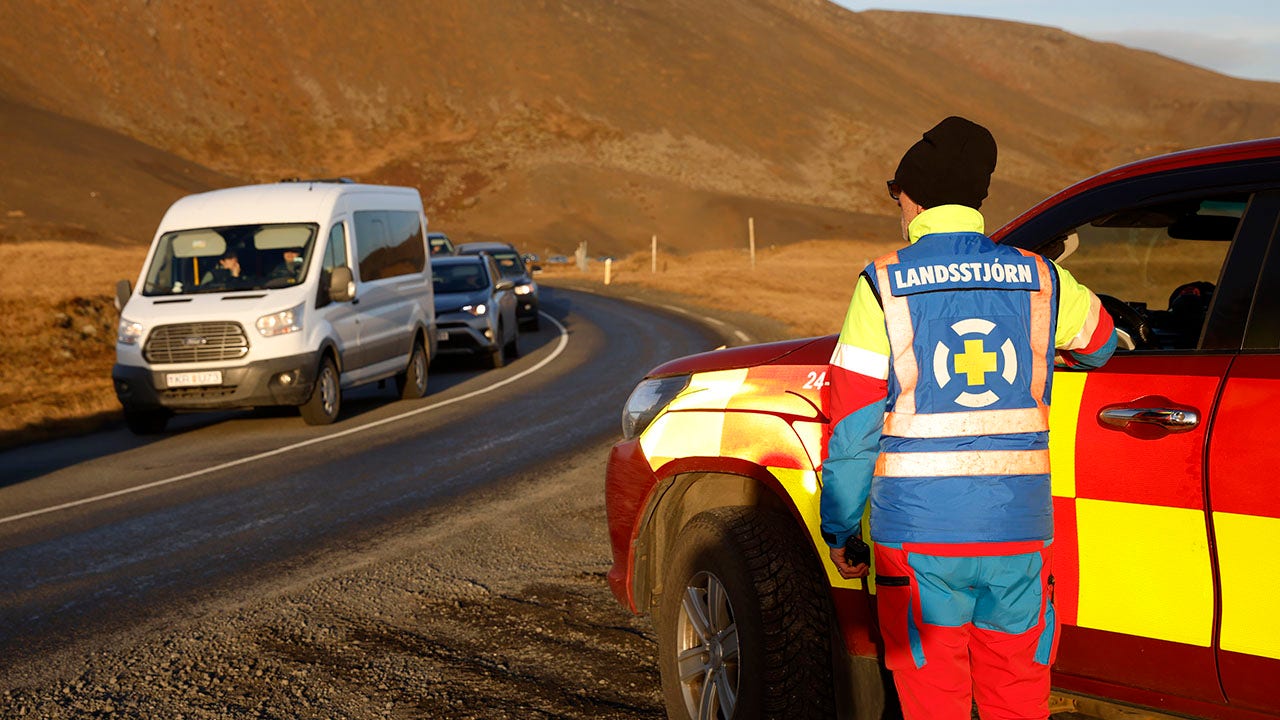
Iceland has declared a state of emergency and evacuated the town of Grindavík as a volcano in its southwestern peninsula is expected to erupt. Scientists have observed changes indicating that magma is moving closer to the surface, with the greatest area of magma upwelling northeast of Grindavík. The eruption could be explosive if it interacts with seawater, potentially causing a Surtseyan eruption. The risks include toxic fumes, road damage, and potential threats to Grindavík. While there is a possibility that the magma may not reach the surface, authorities are taking precautions. Iceland's unique geological position on a tectonic plate boundary and a mantle plume beneath it make it prone to volcanic activity.