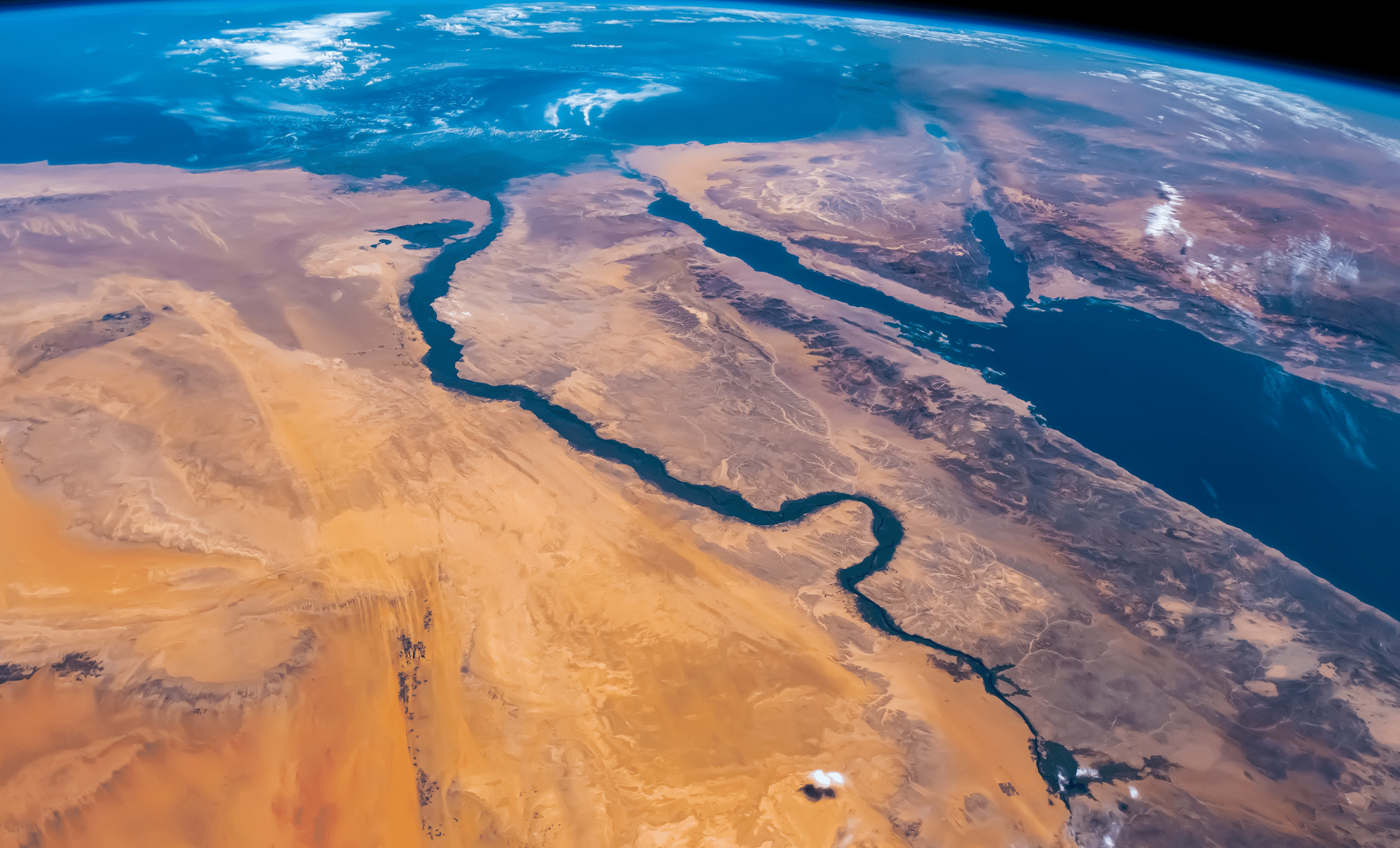
Scientists have uncovered that the Red Sea experienced a major environmental catastrophe over 6 million years ago, including a period of hypersalinity and near desiccation, followed by a catastrophic megaflood from the Indian Ocean that refilled it and restored marine life, shaping its current ecosystem. The study highlights the Red Sea's resilience and the ongoing threats posed by climate change.
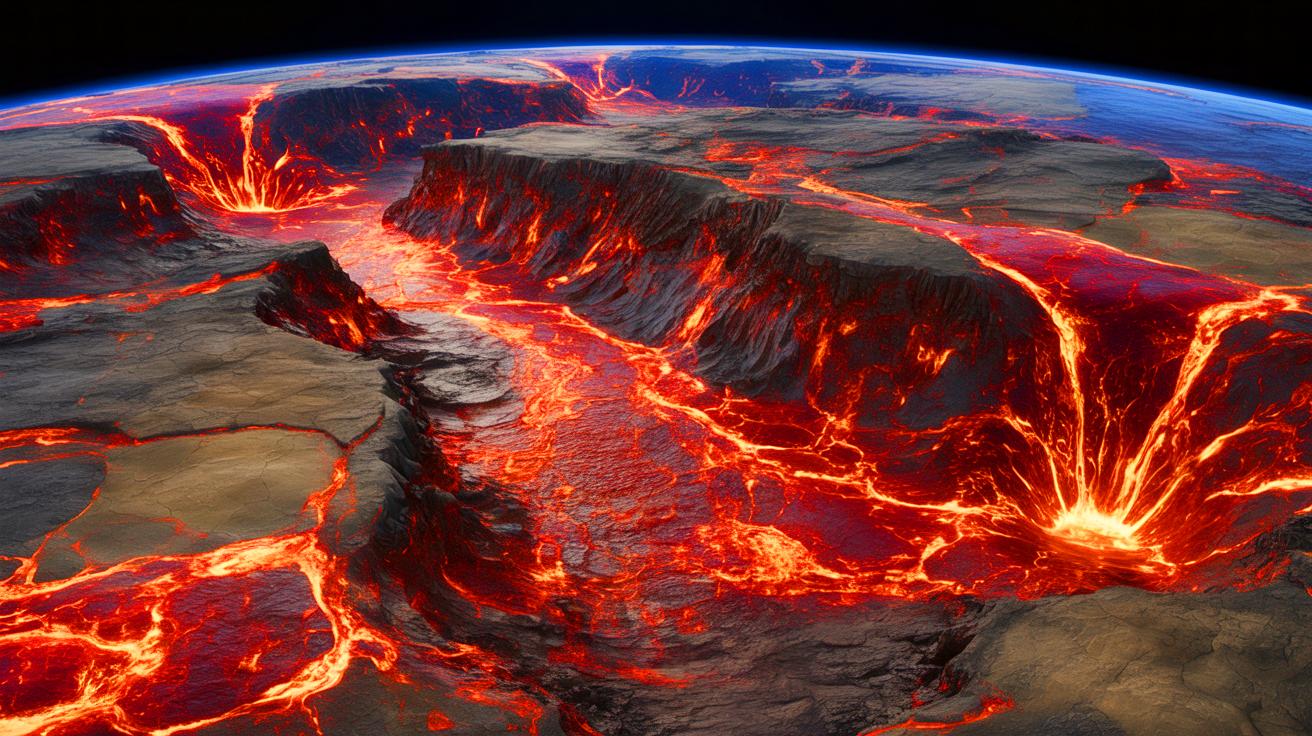
Recent research using ancient crystal chemistry and geodynamic models shows Earth's continents began forming over 4.3 billion years ago, much earlier than previously believed, with implications for understanding Earth's climate and the development of life.
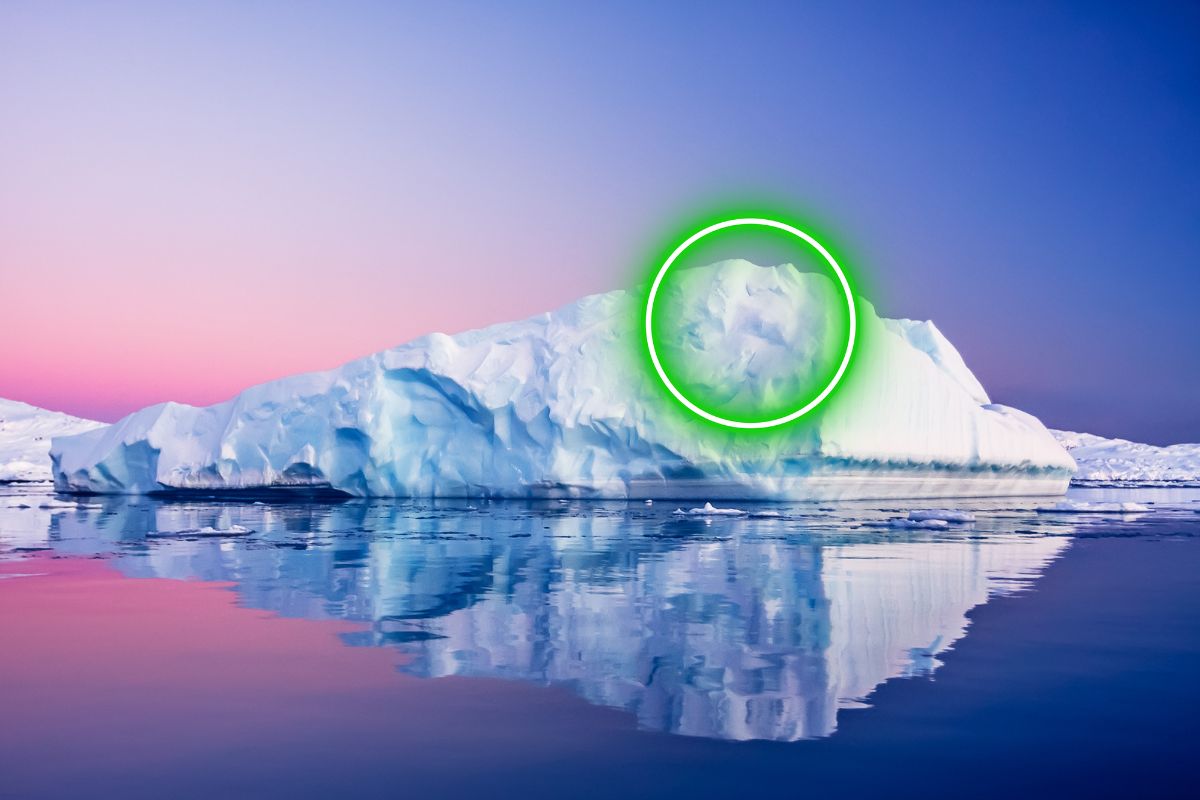
Scientists have discovered evidence of multiple ancient mountain ranges beneath Antarctica's ice sheets, including the well-known Transantarctic Mountains and a potentially older range over 500 million years old, using advanced geophysical techniques. These hidden formations play a crucial role in Earth's geological history and influence climate patterns, with ongoing research promising to deepen our understanding of the planet's past.
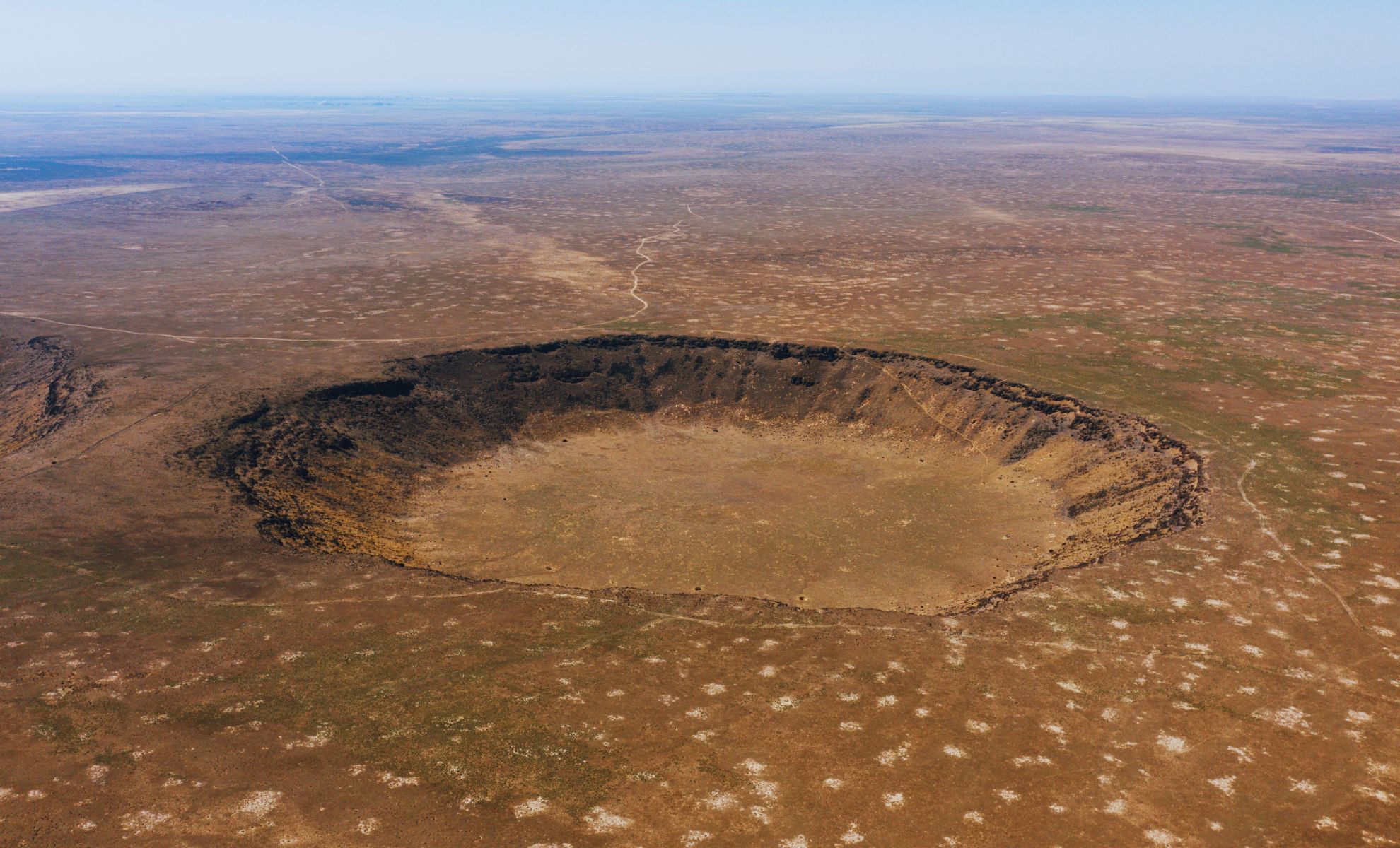
Scientists have discovered the largest known impact crater in the U.S., buried beneath Chesapeake Bay, formed by a massive asteroid collision around 35 million years ago, which caused widespread fires, earthquakes, and tsunamis, significantly shaping the region's landscape and contributing to Earth's geological history.
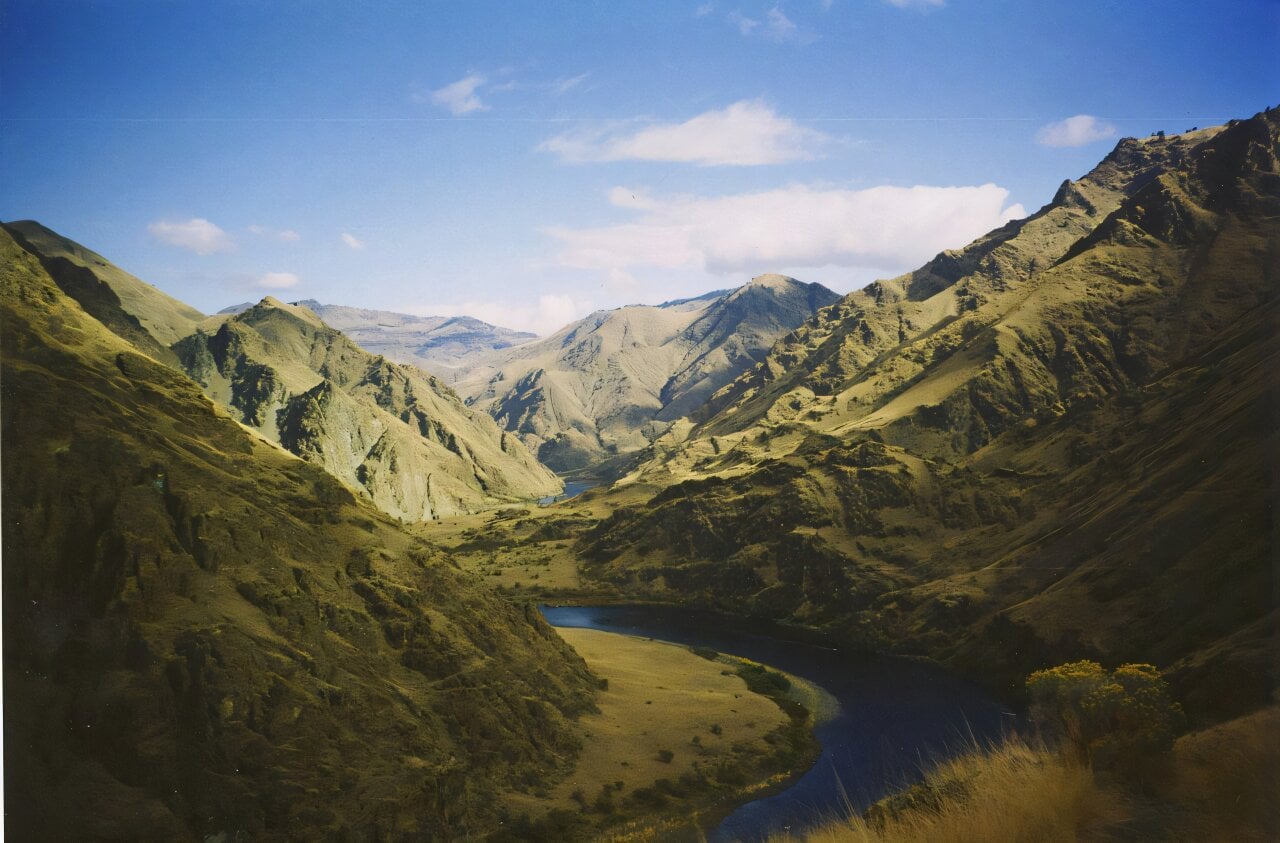
Recent research indicates that Hells Canyon, North America's deepest gorge, is only about 2.1 million years old, having been carved by a major drainage capture event involving the Snake River around that time, with evidence derived from cave sediment dating and river profile analysis.
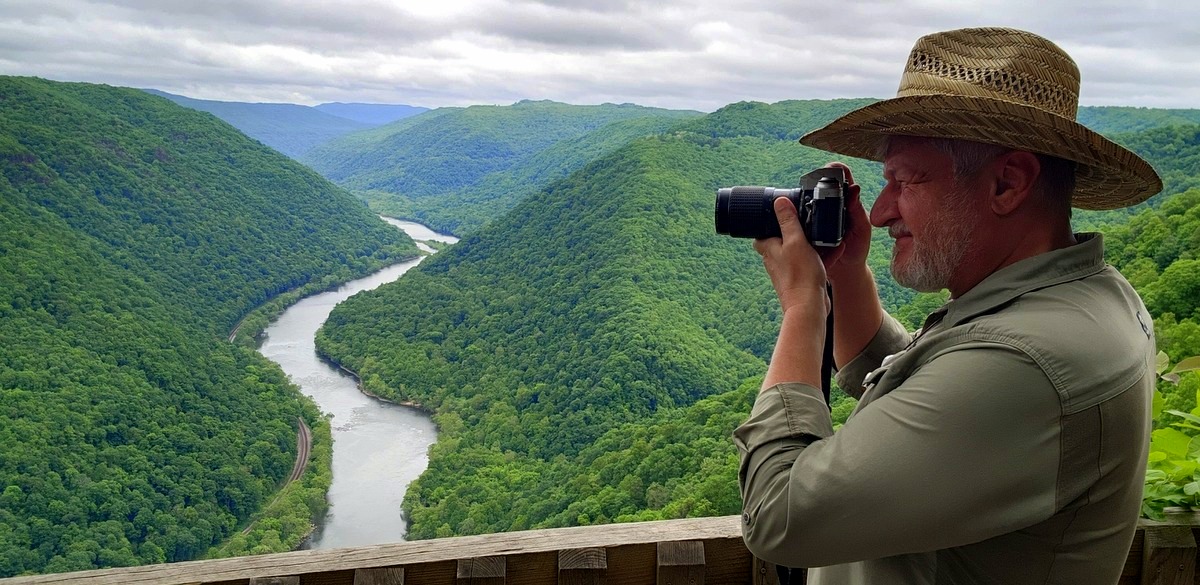
The ancient Teays River, once a major river system in West Virginia, was buried under sediment by the Laurentide Ice Sheet during the last Ice Age. This glaciation reshaped the region's geography, creating large lakes like Lake Tight and Lake Monongahela, which altered river courses and led to the formation of the Ohio River. Geologists continue to study these changes, piecing together the complex history of the region's prehistoric rivers and glacial impacts.
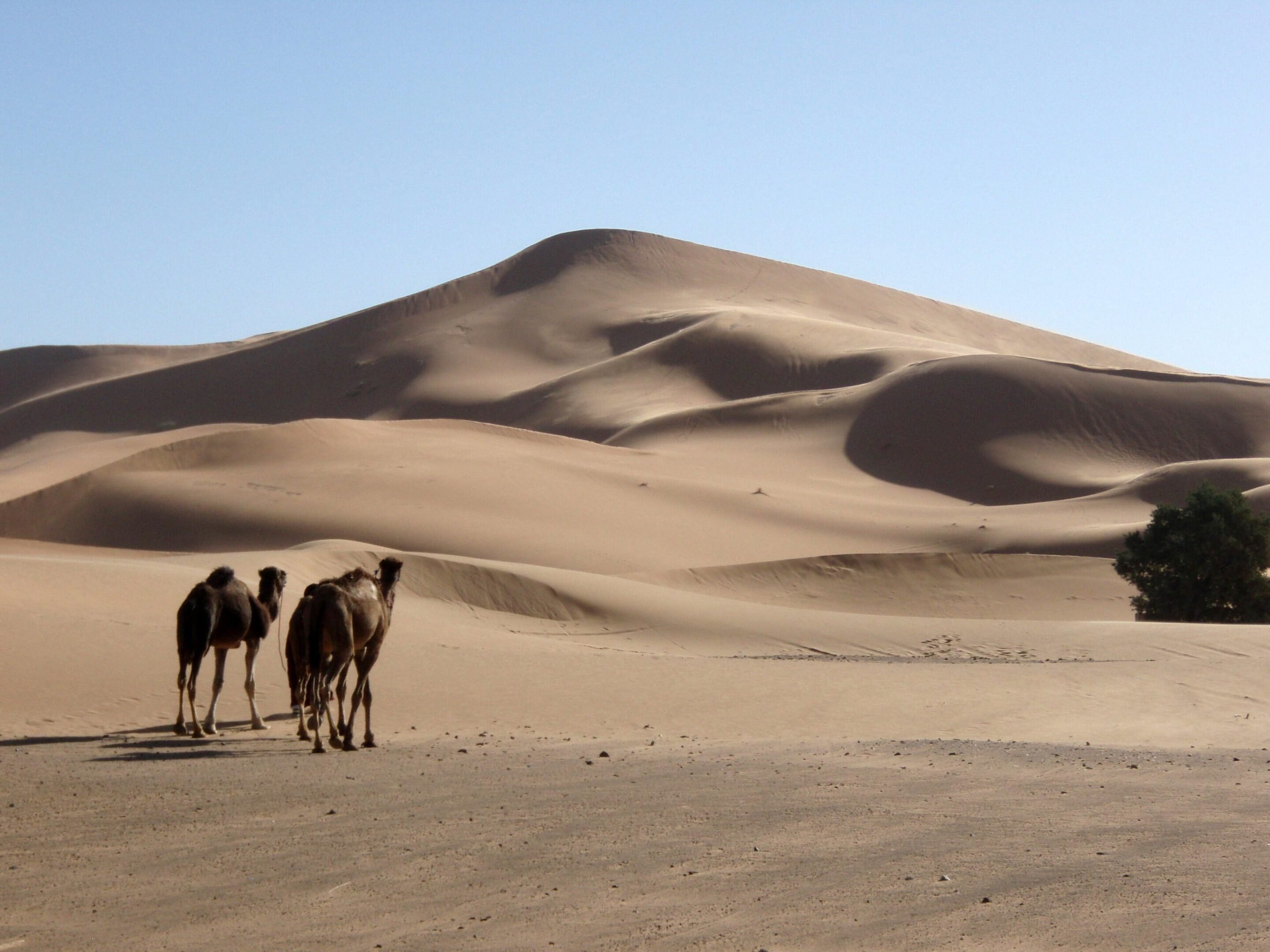
Scientists have unraveled the mystery of the absence of star-shaped dunes from Earth’s geological history by dating a 13,000-year-old star dune in Morocco and discovering its rapid formation in the last thousand years. The study, published in Scientific Reports, used ground penetrating radar and luminescence dating techniques to reveal the dune's growth and history, shedding light on Earth's past climate changes and geological formations.
Scientists have identified the largest volcanic eruption in recorded history, the Kikai-Akahoya eruption, which occurred 7,300 years ago south of Japan's Kyushu island. The explosion ejected more than twice as much rock and ash as the previous record-holding eruption, and new research has revealed its record scale, making it the largest eruption of the current geological epoch. The eruption expelled a total volume of 80 to 110 cubic miles of material, making it "probably the largest eruption of the Holocene," a geological period that began 12,000 to 11,500 years ago.
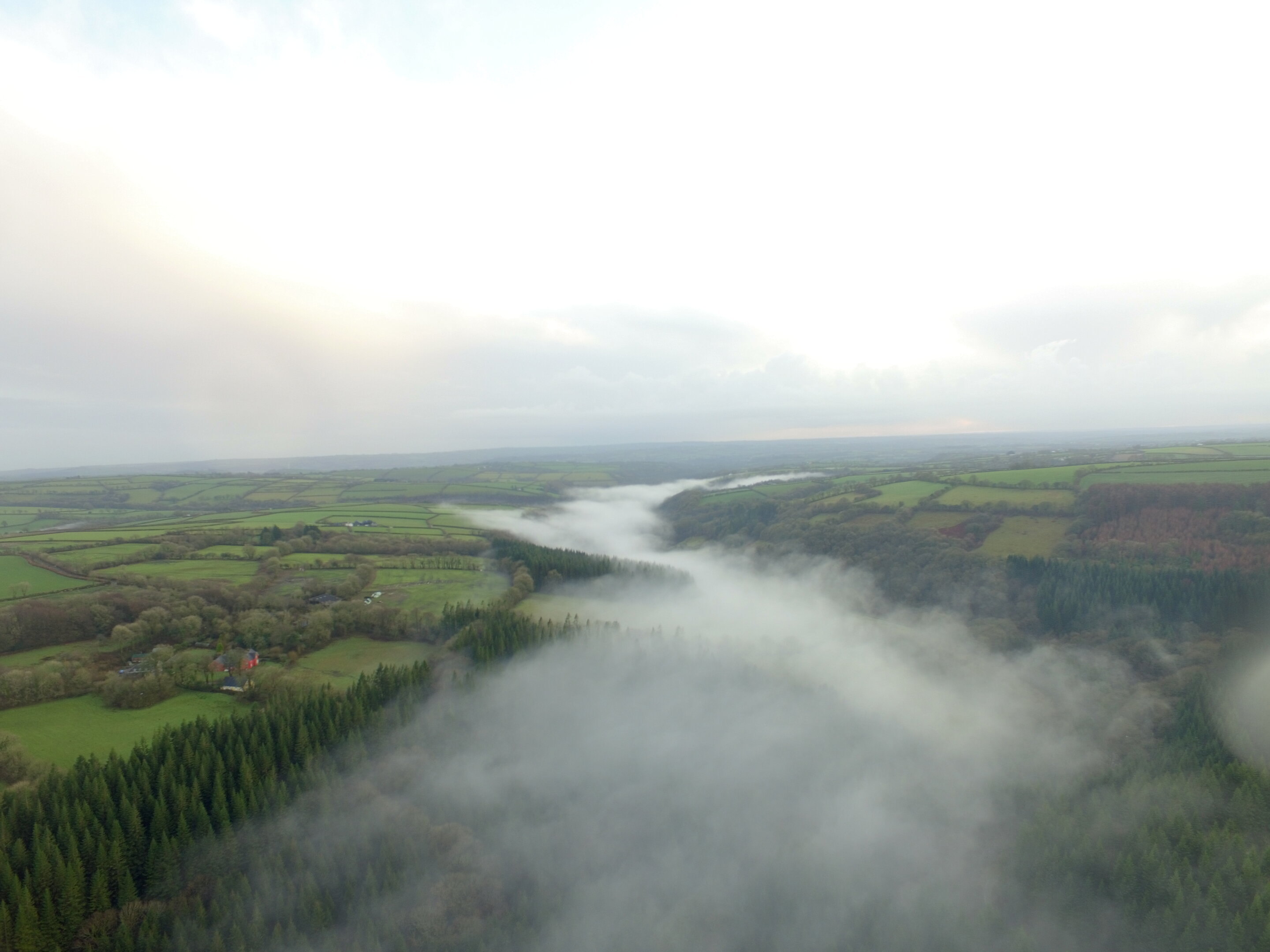
Researchers have precisely dated some of the oldest fossils of complex multicellular life to 565 million years ago, marking a pivotal moment in Earth's history when the seas began teeming with new lifeforms after 4 billion years of containing only single-celled microbes. The fossils, found in Wales, resemble modern-day marine species and provide insight into the response of life to the thaw out from a global glaciation, highlighting the deep connection between geological processes and biology. This discovery sheds light on Earth's biological history and the evolution of life.
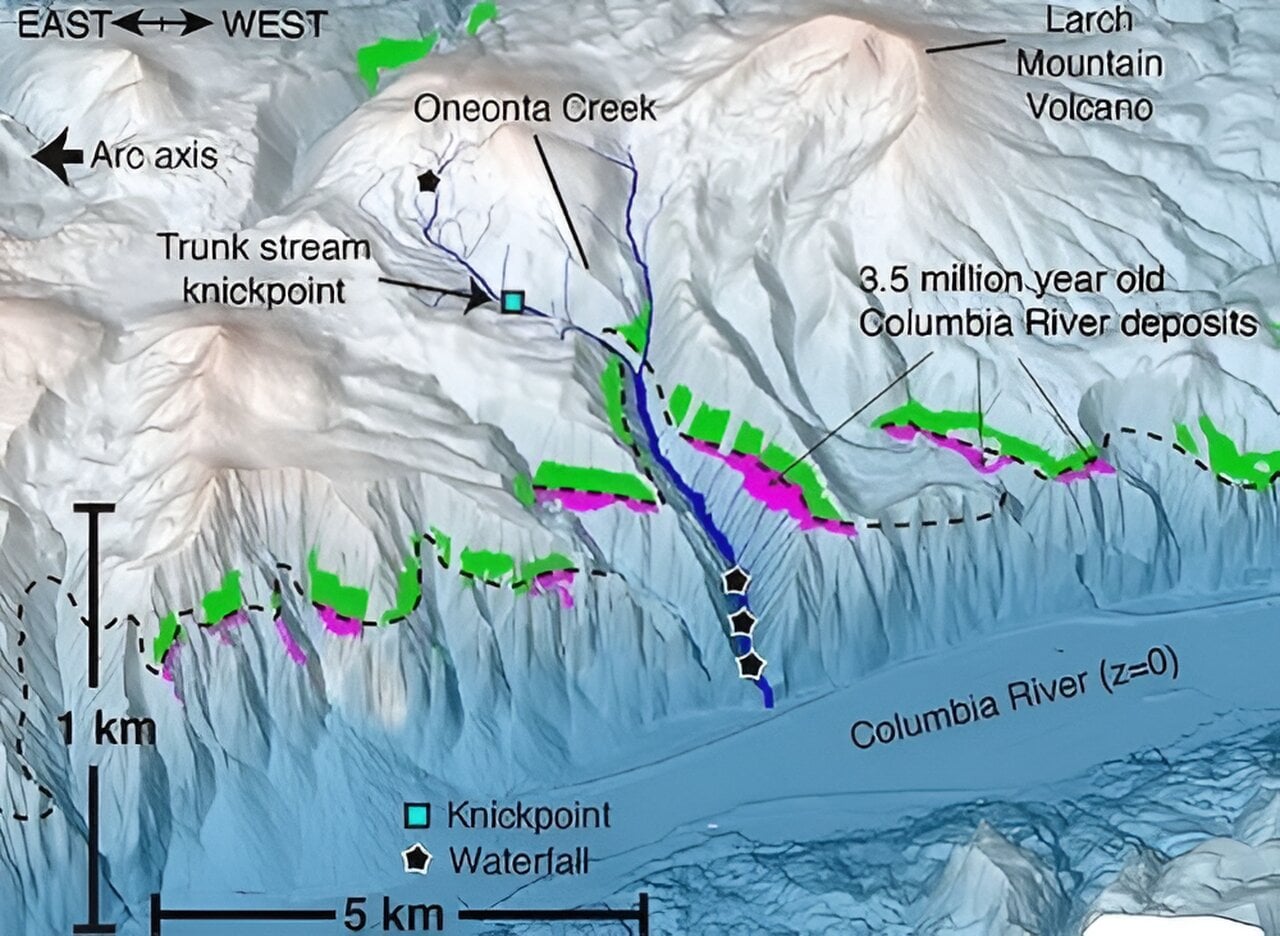
University of Oregon researchers have detailed how magma and water have shaped the iconic Columbia River Gorge, revealing that prolonged upwelling of magma beneath the earth's crust bent the river channel and pushed up cliffs and peaks, while water carved a deep channel between them. The study shows that the movement of magma, rather than other tectonic forces, explains the uplift, and that magma is still influencing the landscape today, with a pool of molten magma lying beneath the gorge. This research sheds light on the geological history of the gorge and its surrounding landscape.
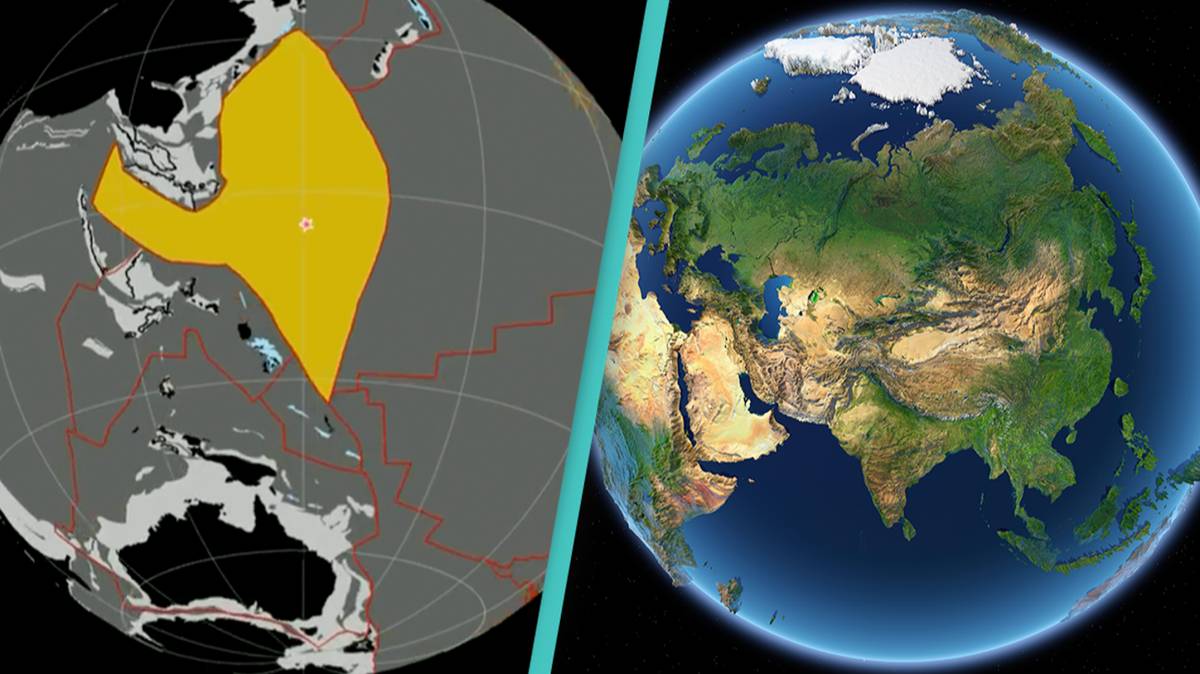
Scientists at Utrecht University have discovered a previously unknown tectonic plate called Pontus, which disappeared 20 million years ago. Using tomography, fragments of old tectonic plates were found deep in the Earth's mantle, leading to the suspicion of a massive plate. Further investigation in Japan, Borneo, the Philippines, New Guinea, and New Zealand confirmed the existence of the Pontus plate. Understanding the movement of tectonic plates provides insights into the Earth's geological history and climate changes. The research also revealed a single coherent plate tectonic system stretching from southern Japan to New Zealand, existing for at least 150 million years.
New research led by Macquarie University earth scientist Dr. Chunfei Chen reveals that Earth's gradual cooling has had a profound impact on the deep cycling of carbon and chlorine, altering their behavior from the surface to the interior. This shift in understanding has implications for Earth's geological history, climate evolution, and the development of life. The study suggests that subduction of massive tracts of carbonate sediments, rather than average sedimentary rock, played a significant role in these cycles. The findings provide insights into the conditions on early Earth and could also help us understand conditions on other planets like Mars.
China's Chang'e-4 spacecraft, which landed on the far side of the moon in 2018, has used its Lunar Penetrating Radar (LPR) to map the upper 1,000 feet of the lunar surface in unprecedented detail. The data reveals billions of years of hidden lunar history, including multiple layers of dust, soil, broken rocks, and five distinct layers of lunar lava. The findings suggest that the moon's volcanic activity slowed down over time, with less lava flowing in later eruptions. While the moon is considered "geologically dead," there could still be magma deep beneath its surface. The researchers hope to uncover more unexpected geological formations in the future.
Astrophysicists from the University of Toronto have discovered that from approximately two billion years ago until 600 million years ago, solar-driven atmospheric tides counteracted the moon's influence on Earth's rotation, resulting in a billion-year pause in the lengthening of Earth's day. This pause kept the day's duration at a constant 19.5 hours. The research provides insights into the impact of climate change on day length and the reliability of climate modeling instruments. The study highlights the importance of atmospheric resonance and temperature in determining the tidal balance and warns that global warming could lead to a faster increase in the length of the day.
A groundbreaking study led by Utah's state paleontologist, Jim Kirkland, has established the absolute age of the Utahraptor to be 135 million years old, 10 million years older than previously believed. This discovery not only expands our knowledge of Utah's state dinosaur but also fills a significant gap in the fossil record, shedding light on the transition from the Jurassic to the Cretaceous period. The study, which utilized uranium-lead geochronology and radiocarbon dating techniques, also revealed the first North American record of the Weissert Event, a global catastrophe that occurred approximately 133 million years ago. This finding further solidifies Utah's status as a prominent hub for paleontology and geology.