Tag

Geological Formation

All articles tagged with #geological formation

science4 months ago

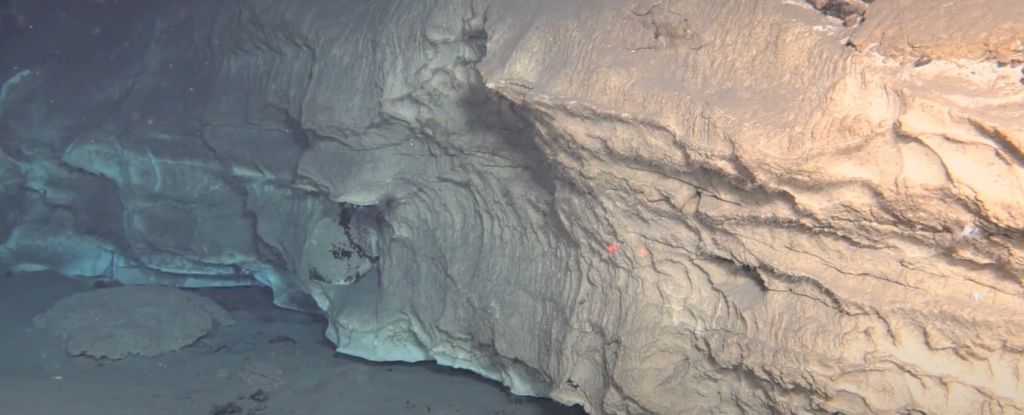
Massive Undersea Hydrothermal System Discovered, Outshining the 'Lost City' with Billion-Euro Hydrogen Potential

Scientists have discovered a massive new hydrothermal field called Kunlun in the Pacific Ocean, which is over a hundred times larger than the famous Lost City. This site features unique, hydrogen-rich vents that could provide insights into the origins of life on Earth and potential energy sources, challenging previous assumptions about where such systems can occur. The discovery highlights the ocean's vast, unexplored ecosystems and geological diversity.
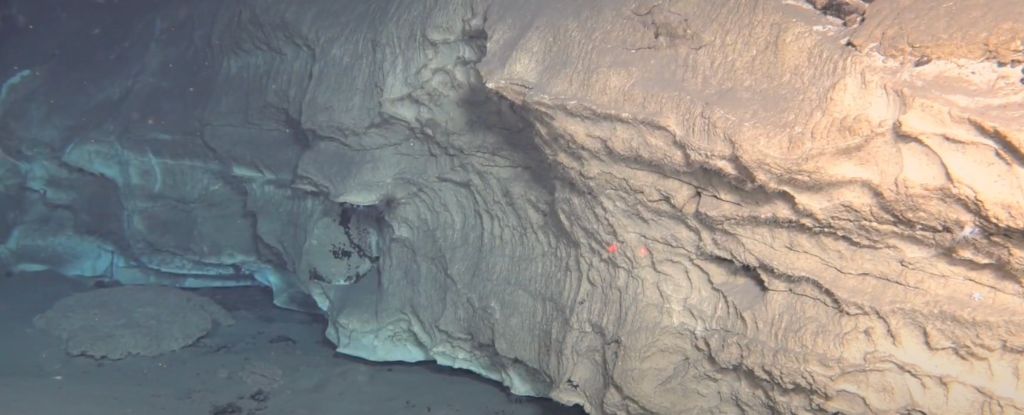

science4 months ago

Deep Ocean Discovery Surpasses 'Lost City' in Magnitude

A massive new hydrothermal field called Kunlun has been discovered in the Pacific Ocean, significantly larger than the famous Lost City, with unique geological features and rich hydrogen emissions that could shed light on the origins of life and potential energy sources. The site hosts diverse deep-sea life and challenges previous assumptions about hydrogen generation far from mid-ocean ridges.

science-and-environment2 years ago

"Uncovering the Growing Dinosaur-Era Superstructure in the Pacific Ocean"

A groundbreaking study led by University of Nevada geoscientist Kevin Konrad and an international team of researchers reveals that the Melanesia Border Plateau, a 222,000 square-kilometer underwater landmass, is still growing due to ongoing crust deformation influenced by the rollback of the Pacific plate beneath the Tongan trench. The plateau's rocky bones consist of cooled magma released during the Cretaceous Normal Superchron, and its formation challenges previous notions about large igneous provinces, suggesting they may emerge slowly and silently over time. Understanding this superstructure's formation has important environmental ramifications and provides insights into Earth's climate.

science-and-space2 years ago

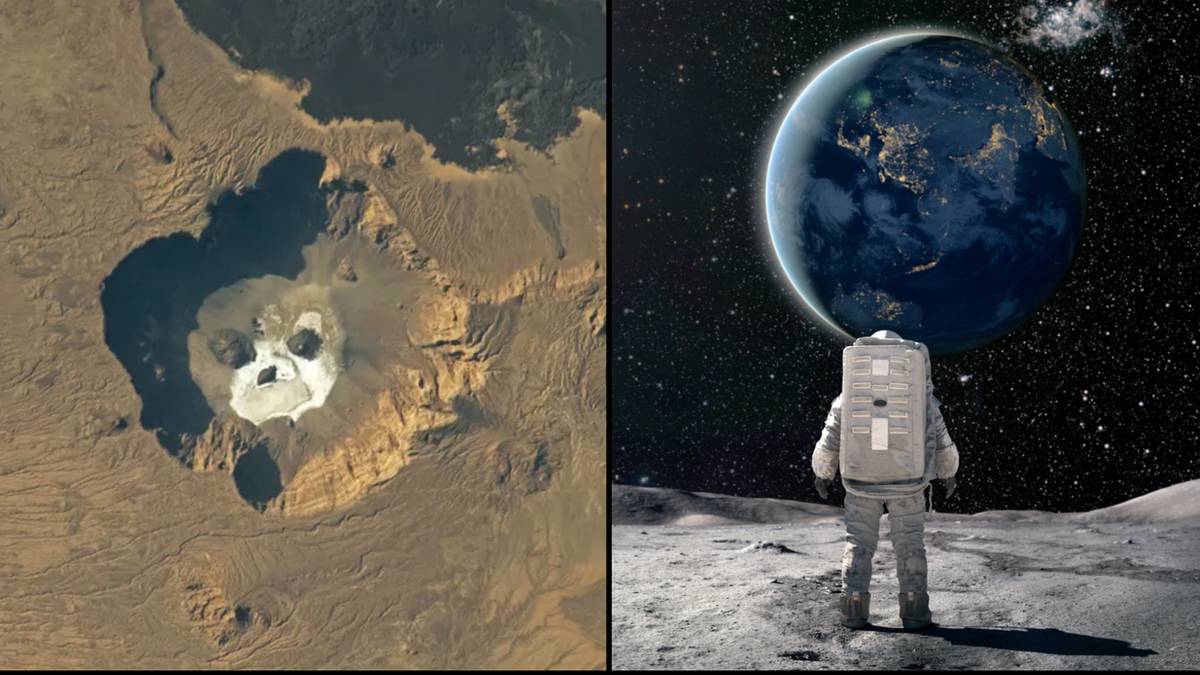
Astronaut's Haunting Encounter: Giant Skull Gazes Back From Earth

An astronaut aboard the International Space Station captured a photo of a giant skull-shaped geological formation in Africa called Trou au Natron. The formation, located in Chad's Sahara desert, is a volcanic caldera with smoldering volcano cones that resemble the eyes of the skull. The area is remote and little is known about it due to its inaccessibility and political unrest. The formation is of interest to scientists who are studying its formation and history.

space-exploration2 years ago

Curiosity Rover Uncovers Ancient Martian Secrets at Gediz Vallis Ridge

NASA's Curiosity rover has finally reached Gediz Vallis Ridge on Mars, a formation that preserves evidence of one of the planet's last wet periods. The ridge is believed to be a remnant of ancient debris flows that carried mud and boulders down the side of a mountain. Curiosity's previous attempts were hindered by challenging terrain, but after a difficult climb, the rover has successfully reached the ridge. Scientists hope to study the rocks on the ridge, which provide insights into Mars' watery past and the changing landscape over time. Curiosity has already captured a 360-degree panoramic view of the area and is now preparing to explore the channel above the ridge to learn more about the flow of water on Mount Sharp.

space2 years ago

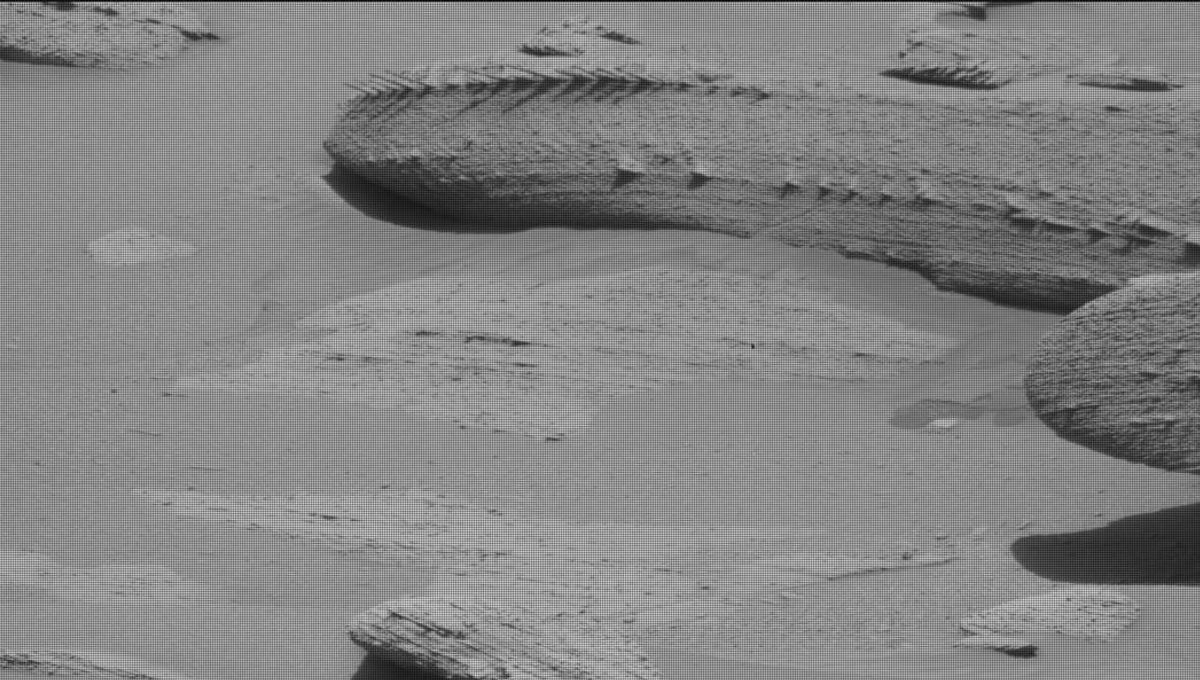
Alien Spaceship Crash-Lands on Mars, Scientists Confirm

A peculiar rock formation on Mars, resembling a spine, has caught the attention of scientists. However, it is not an actual spine but rather the remains of eroded ripples. The formation was discovered by Dr. Nathelie Cabrol, an expert in ancient lakes on Mars. The Curiosity rover, currently exploring Gale Crater, captured images of the formation, along with other rocks exhibiting unusual bumps and spokes. These geological features provide insights into the deposition of sediments and the effects of wind erosion on Mars.

science2 years ago

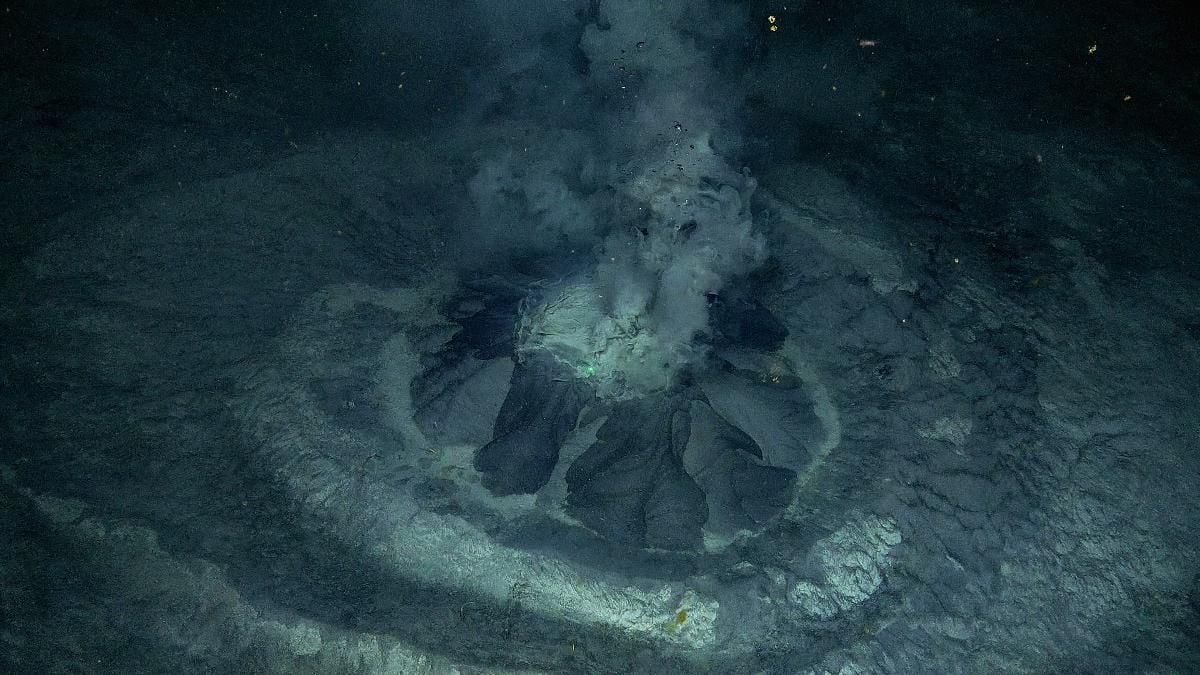
Ice Age Crater Reveals Methane-Spewing Mud Volcano

Scientists have discovered an underwater mud volcano spewing methane from inside a larger crater in the Barents Sea, south of Norway's Bear Island. The Borealis Mud Volcano is only the second of its kind discovered in Norwegian waters and measures roughly 23 feet in diameter and 8 feet tall. The volcano sits in the middle of another, much larger crater, which is 984 feet wide and 82 feet deep, and likely resulted from a sudden and massive methane eruption after the last glacial period, 18,000 years ago. The researchers found the volcano's flanks teeming with animal life feeding off carbonate crusts that formed thousands of years ago.