A study found that women with Alzheimer's have lower levels of unsaturated lipids, especially omega fatty acids, in their blood compared to healthy women, which may explain why the disease is more common in women. These lipid changes are linked to worse cognitive scores and brain injury markers, suggesting sex-specific pathways in Alzheimer's risk. The findings highlight the potential importance of diet, particularly omega fatty acids, in prevention and treatment, though further clinical trials are needed.
Research indicates women with Alzheimer's have significantly lower omega-3 fatty acids compared to healthy women, a difference not observed in men, suggesting a sex-specific lipid imbalance that may contribute to the higher prevalence of Alzheimer's in women. The study highlights the potential protective role of omega-3s and calls for clinical trials to explore dietary interventions.
A study from London suggests that omega-3 fatty acids may help protect women from Alzheimer's disease, as women with the condition have lower levels of these healthy fats in their blood compared to healthy women, highlighting the potential importance of diet in disease prevention.
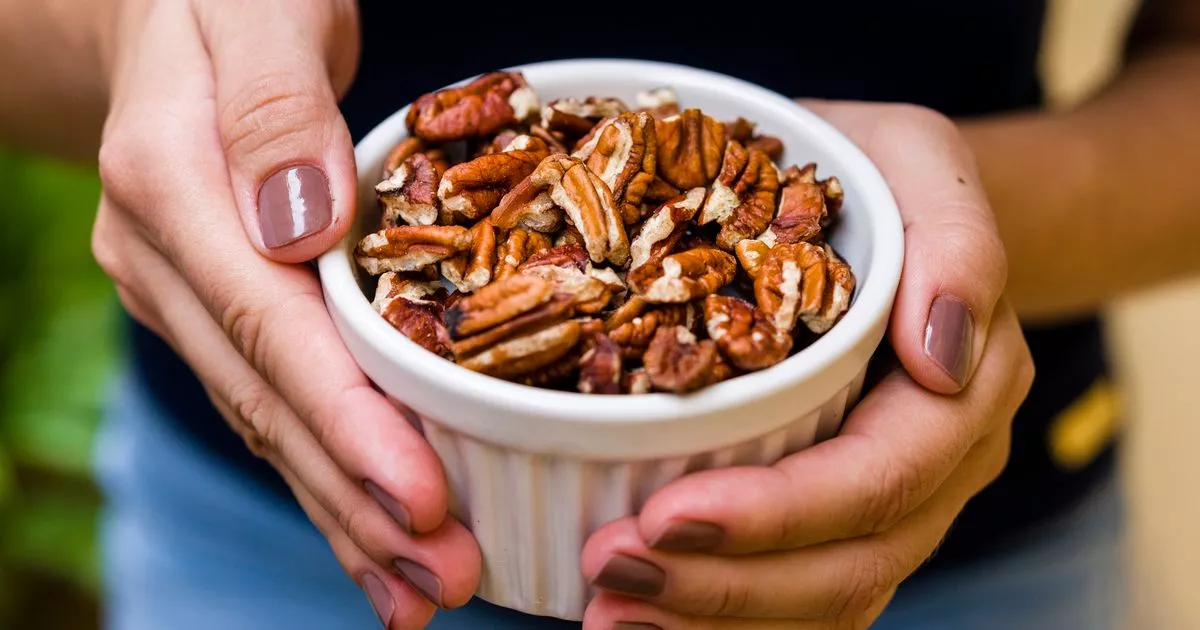
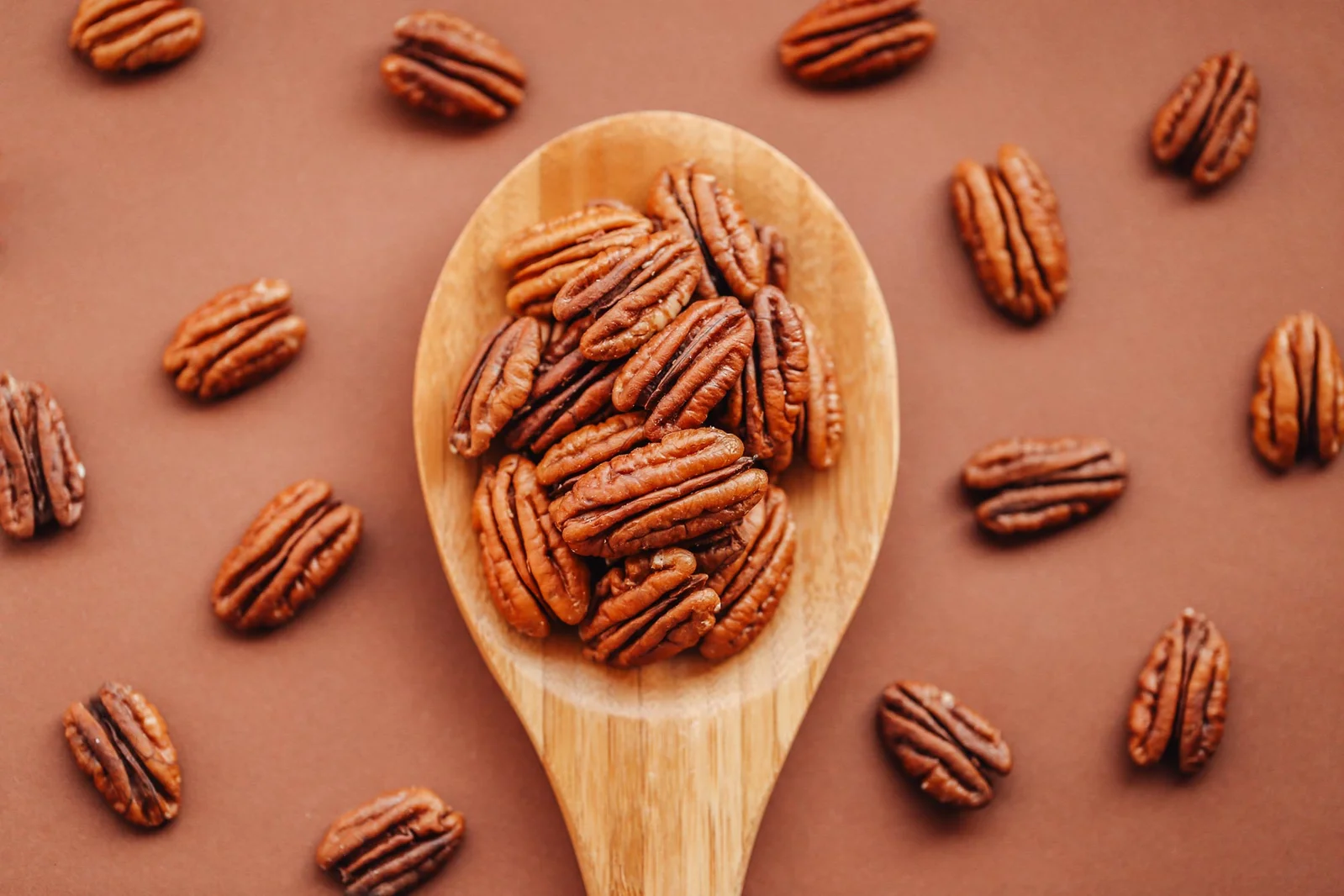
Eating around 57g of pecans daily for 12 weeks can help lower total cholesterol and 'bad' LDL cholesterol levels, supporting heart health. The study also notes that pecans are rich in healthy fats, fiber, vitamins, and minerals, making them a beneficial snack for managing cholesterol when consumed in moderation, despite potential weight gain concerns.
A recent study highlights the challenges of finding ancient life on Mars due to cosmic rays, which rapidly degrade key life indicators like lipids, especially in salt-rich environments. These findings suggest that while Mars's surface conditions are harsh, deeper drilling, such as that planned by the European Space Agency's Rosalind Franklin Rover, may offer better chances of discovering preserved biosignatures. The study emphasizes the need to explore diverse Martian environments, including potentially radiation-shielded caves, to improve the search for past life.
Scientists have identified a potential sign of aging that may be reversible through exercise, focusing on a lipid molecule called BMP. A study found that after just four days of moderate to vigorous exercise, levels of BMP in postmenopausal women were significantly reduced. The findings suggest that physical activity may play a crucial role in slowing down signs of aging, offering an exciting avenue for future research in anti-aging therapeutics. However, larger studies are needed to confirm these results, and researchers emphasize the importance of remaining physically active and maintaining a diverse diet for healthy aging.
Researchers at Columbia University have identified a rare lipid, diPUFA phospholipid, as a crucial factor in promoting ferroptosis, a unique form of cell death. This discovery has significant implications for treating neurodegenerative diseases and cancer, as it opens new avenues for either preventing or inducing cell death. The interdisciplinary research involved the Department of Biological Sciences, Department of Chemistry, and the Columbia University Irving Medical Center, and the findings deepen our understanding of ferroptosis and its potential for controlling cell death.
New research conducted by the Gallo Lab at the University of California, San Diego, in collaboration with SILAB, has found that the common skin bacterium Cutibacterium acnes (C. acnes) triggers certain skin cells to significantly increase production of lipids that are essential for maintaining the skin barrier. The study revealed that C. acnes induces an increase in lipid production by producing propionic acid, which not only limits pathogen growth and reduces staph infections but also contributes to anti-inflammatory effects in the gut. The lipids produced after exposure to C. acnes or propionic acid have antimicrobial effects against C. acnes, suggesting a dual role in controlling its presence on the skin and maintaining the balance of the skin microbiome. This research highlights the important role of C. acnes in shaping the composition of skin lipids and may lead to new treatments for skin conditions.
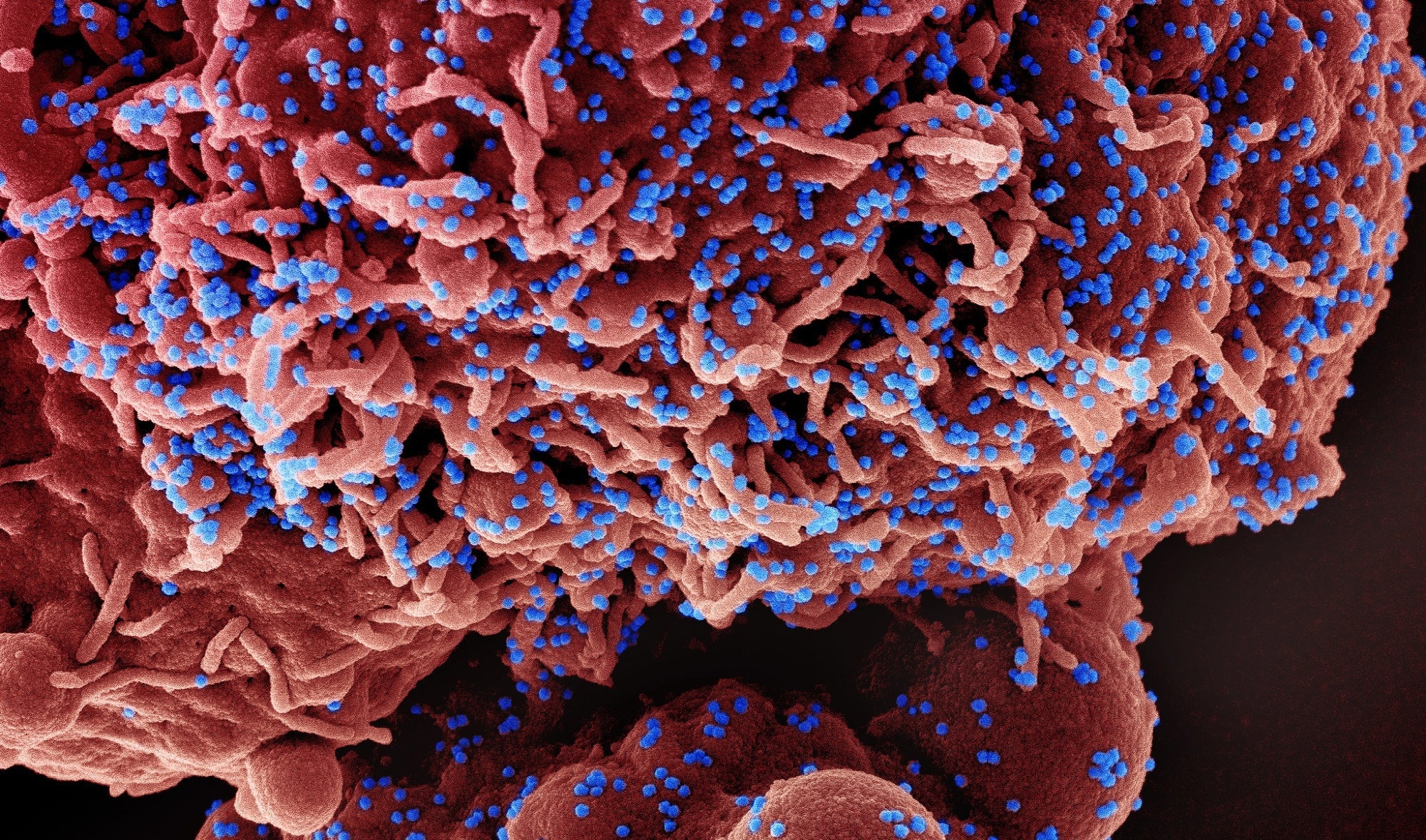
SARS-CoV-2 alters host metabolism to support its lifecycle and evade host immune responses. Lipid pattern alterations induced by SARS-CoV-2 have been found to associate with disease severity. Type 2 diabetes has been identified as one of the significant risk factors for severe COVID-19 and mortality. Several lipid-modulating and glucose-modulating drugs have been repurposed to manage COVID-19 and are currently under clinical investigation.
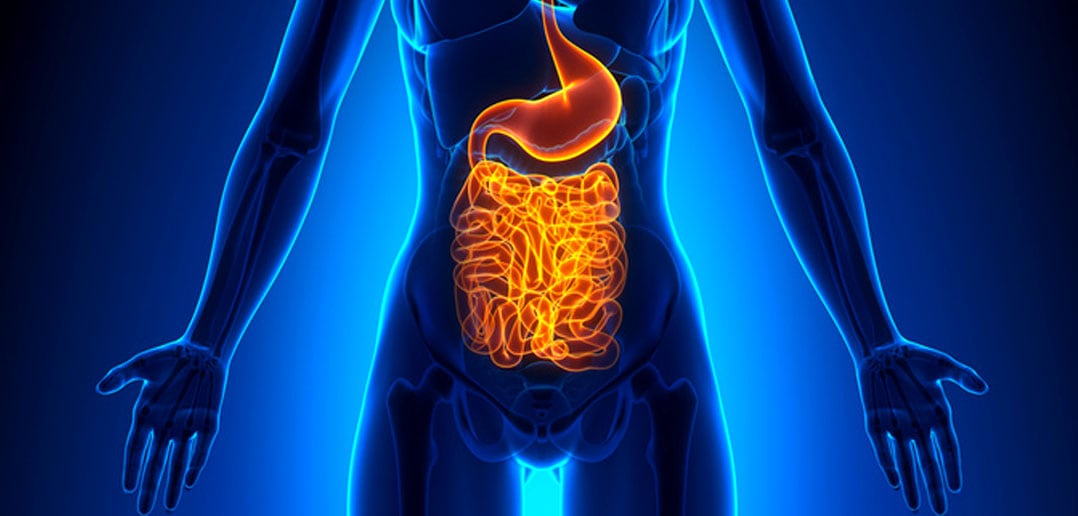
A new study published in JAMA Psychiatry reveals associations between alterations in lipid and energy metabolism, specific types of gut bacteria, and the presence of depressive symptoms, shedding light on the potential role of the gut-brain axis in depression. The study focused on variations in lipids and metabolites associated with major depressive disorder (MDD) and found that the metabolic shifts observed in depression were connected to specific types of gut bacteria. The findings also supported previous studies that had reported similar associations between depression and changes in lipid profiles.