Wilma and Welthy Senn, identical twins who turned 100, live together in South Carolina, sharing a deep bond that has lasted a lifetime. Despite dementia, they remain inseparable, dressing alike, sharing a bedroom, and supporting each other through old age, exemplifying the enduring power of twin connection and family love.
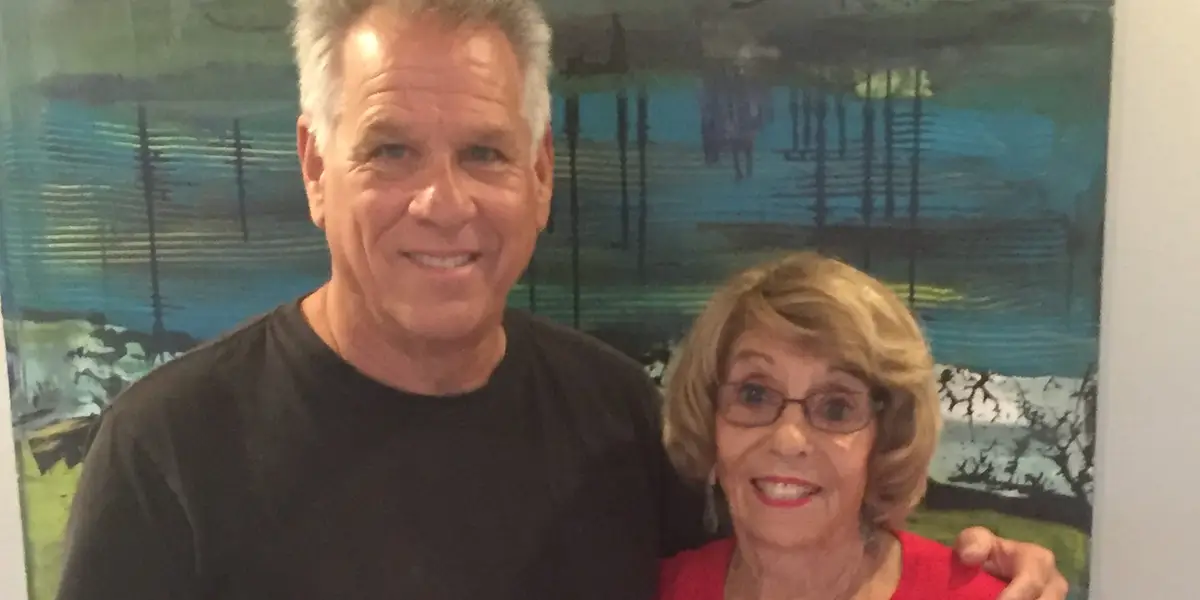
Robert Fishman, 73, reflects on caring for his 97-year-old mother with dementia, which has led him to contemplate his own mortality and end-of-life choices, including the possibility of euthanasia, while finding solace in his art and family memories.
The author recounts her mother's 15-year life living off-grid with her husband Mark in a remote mountain cabin, exploring themes of resilience, dependency, and mental health, culminating in her mother's diagnosis of folie à deux and her subsequent health decline, highlighting the complex dynamics of their relationship and the impact of isolation and caregiving.
The White House immigration crackdown is leading to the deportation of foreign-born healthcare workers, particularly in the long-term care industry, exacerbating staff shortages and threatening the quality of care for the elderly and disabled in the U.S., with advocates warning of significant negative impacts on vulnerable populations.
A 95-year-old woman, Winifred Soanes, was left on a freezing pavement with a broken hip for five hours in Christchurch, Dorset, after ambulance services deemed her 'not a priority.' Despite multiple 999 calls from concerned bystanders, no immediate help arrived, prompting the local community to provide makeshift support to keep her warm. Her husband, Andrew, a 92-year-old army veteran, stayed by her side, resulting in him developing a chest infection. The South Western Ambulance Service apologized, citing handover delays at emergency departments as a major challenge.
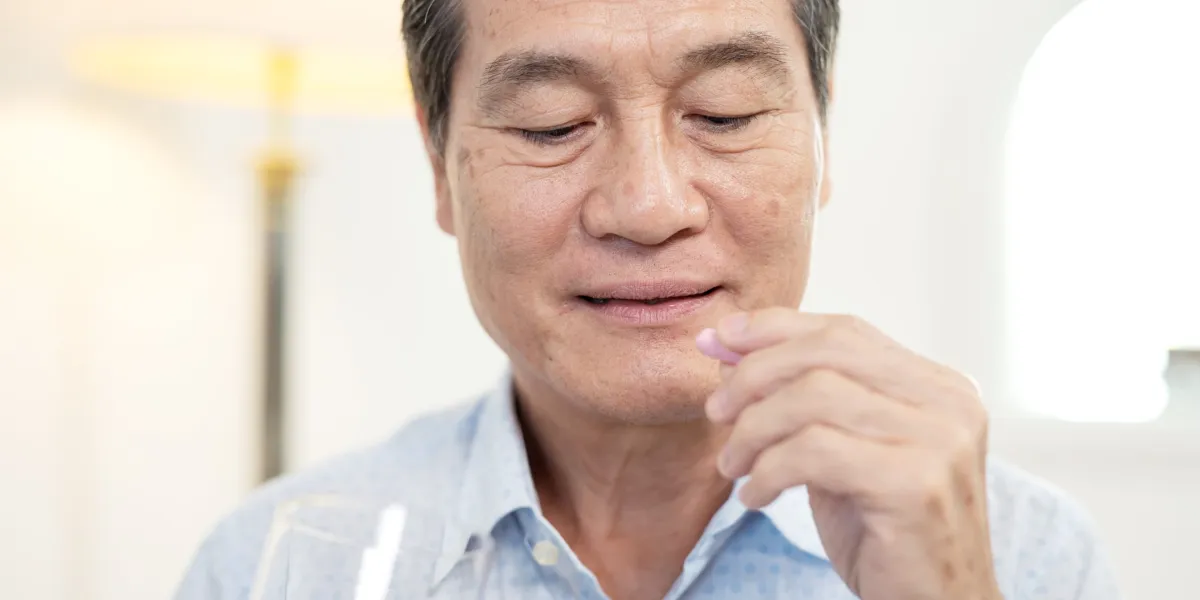
Vitamin B12 deficiency can mimic symptoms of dementia, causing cognitive impairment, forgetfulness, and confusion, but it is reversible. Older adults are at higher risk due to decreased absorption, and various factors such as diet, medications, and medical conditions can contribute to the deficiency. Symptoms include lack of energy, mental fatigue, gastrointestinal issues, and cognitive decline. Differentiating between B12 deficiency and dementia can be challenging, but blood tests can help diagnose the deficiency. If a loved one shows dementia-like symptoms, it's important to seek medical evaluation to identify potential causes, including B12 deficiency, which can be treated with supplements.
Vitamin B12 deficiency can mimic symptoms of dementia, causing cognitive impairment, fatigue, and gastrointestinal issues, but it is reversible. Older adults, vegans, and those taking certain medications are at higher risk. Detecting the deficiency involves blood work, and treatment typically involves supplements. If a loved one shows signs of dementia, it's important to seek evaluation and consider potential reversible causes like vitamin B12 deficiency.
As the global population ages, the "sandwich generation" faces increasing pressure to care for both elderly parents and dependent children, leading to caregiver burnout. To prevent burnout, experts recommend preparing ahead of time by having honest conversations with family members, setting boundaries, and prioritizing self-care. Additionally, integrating the elderly back into society in meaningful ways can help alleviate the burden on younger generations and governments.
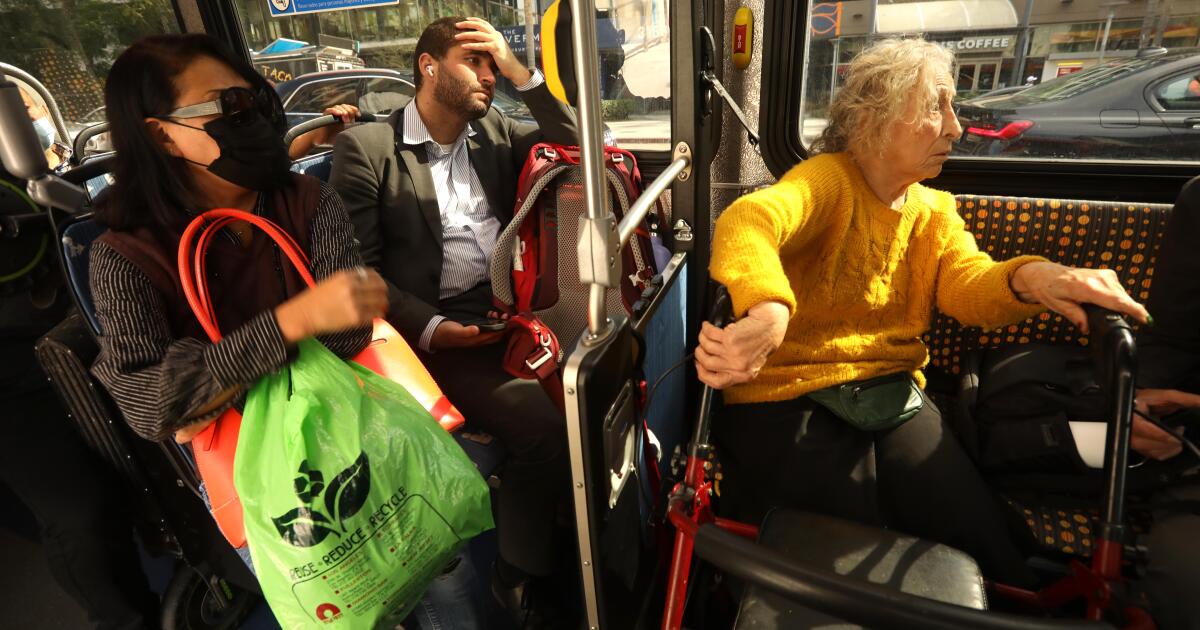
Channah Obadia, an 87-year-old woman in Los Angeles, navigates the city's challenges to fix her sister's phone and deliver dinner to her at a nursing home, showcasing the struggles faced by the elderly in a bustling metropolis. With mobility and physical challenges, she endures pain and bureaucracy while caring for her sister, highlighting the lack of infrastructure designed for the aging population. Despite her own health issues, Obadia remains resilient, demonstrating unwavering resolve in the face of adversity.
A study from Brigham and Women’s Hospital in Boston reveals that coordinating medical care for older adults is overwhelmingly complex, with an average of 20.7 total contact days spent on medical care per year. Experts emphasize the stress and strain on seniors and their caregivers, as well as the challenges of navigating the healthcare system, including multiple appointments, insurance barriers, and treatment costs. The rise of digital technologies further complicates access to care, leading to potential neglect of medical needs. Tips for reducing the burden include discussing health priorities with doctors, seeking assistance from social workers or patient navigators, and asking questions to ensure understanding of treatment plans.
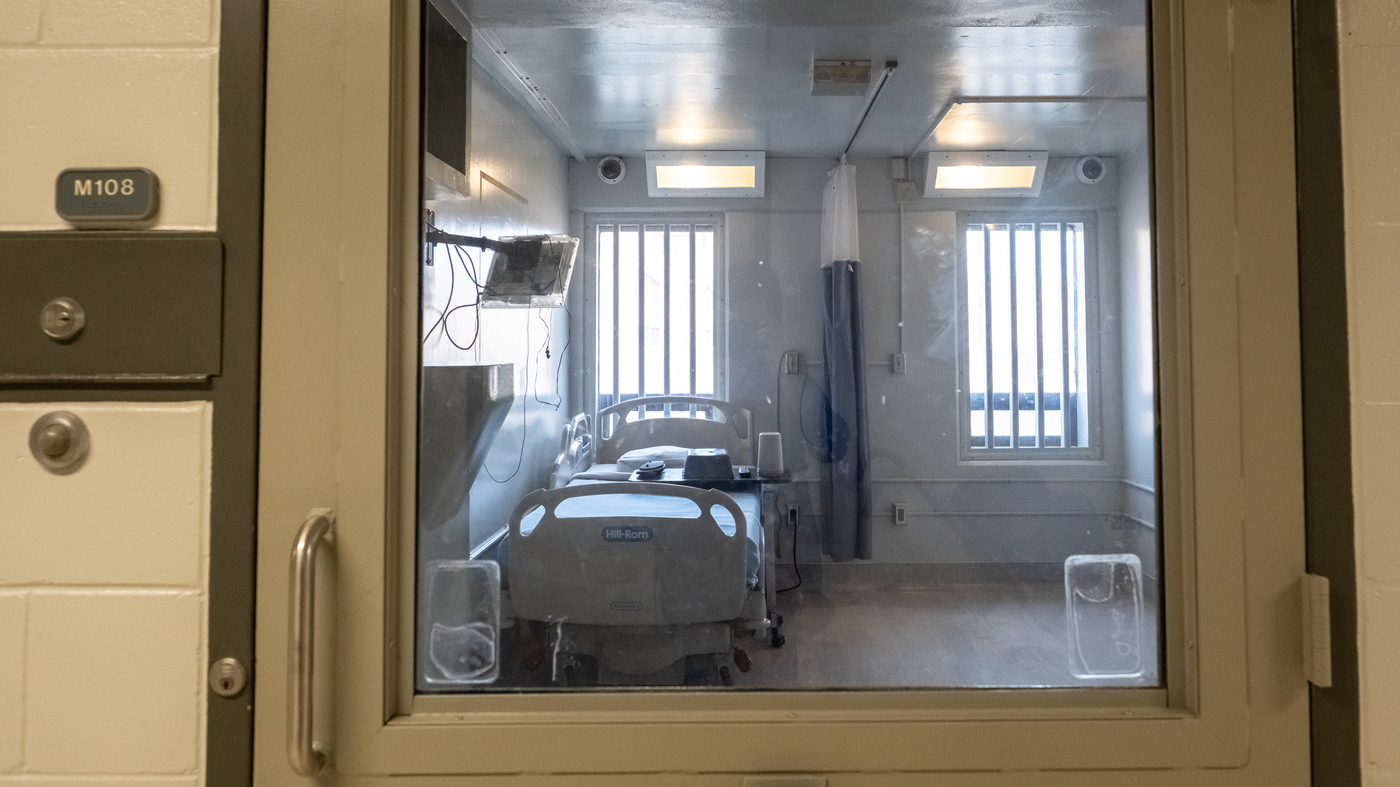
The U.S. prison population is rapidly aging, with about a third of all prisoners expected to be considered geriatric by 2030. As a result, prisons are struggling to provide adequate healthcare and accommodations for elderly inmates, with the proportion of prisoners aged 55 or older increasing significantly. Some states are retrofitting existing units or building new facilities to address the needs of elderly or sick prisoners, but challenges remain in providing specialized care and support for this growing demographic.
At the Mobile World Congress, a Korean company called Hyodol showcased an AI-enabled doll designed to provide companionship and support for older adults, particularly those in long-term care facilities. The doll, equipped with ChatGPT, can hold conversations, offer health reminders, and be monitored remotely. While some see potential in using such technology to combat loneliness, others express concerns about the ethical and emotional implications of relying on AI companions. Similar AI companion devices have been used in elder care, with mixed feedback and varying levels of acceptance.
The COVID-19 pandemic has highlighted the neglect and ageism towards older adults, with around 900,000 older adults dying from the virus. Efforts to improve care quality for seniors have stalled, and many are not receiving necessary treatments. Experts believe that the pandemic has intensified prejudice against older adults, leading to a lack of outrage and a sense of "us against them." They advocate for better integration of older adults in the community and emphasize their contributions to society. However, some are pessimistic about the future, while others believe that change is still possible.
The Covid-19 pandemic has exacerbated ageism and prejudice against older adults, leading to neglect in care and a lack of outrage over the high death toll among seniors. Experts believe that the pandemic reinforced negative stereotypes about older people, contributing to a hostile environment and a lack of concern for their well-being. They emphasize the need to change societal attitudes about aging and integrate older adults into the community, recognizing their valuable contributions and addressing the challenges of caring for an aging population.
While the debate over retirement age rages on, evidence suggests that age may not be the most important factor for well-being among retirees. In the US, citizens can start earning a government pension at 62, but many struggle to cover living expenses with Social Security alone. Scandinavian countries, despite having similar retirement ages, provide substantial support for their elderly through public grants and taxes, ensuring a comfortable retirement. Research shows that adequate financial resources and good health are crucial for enjoying retirement, and the social safety net plays a significant role in the well-being of older citizens.