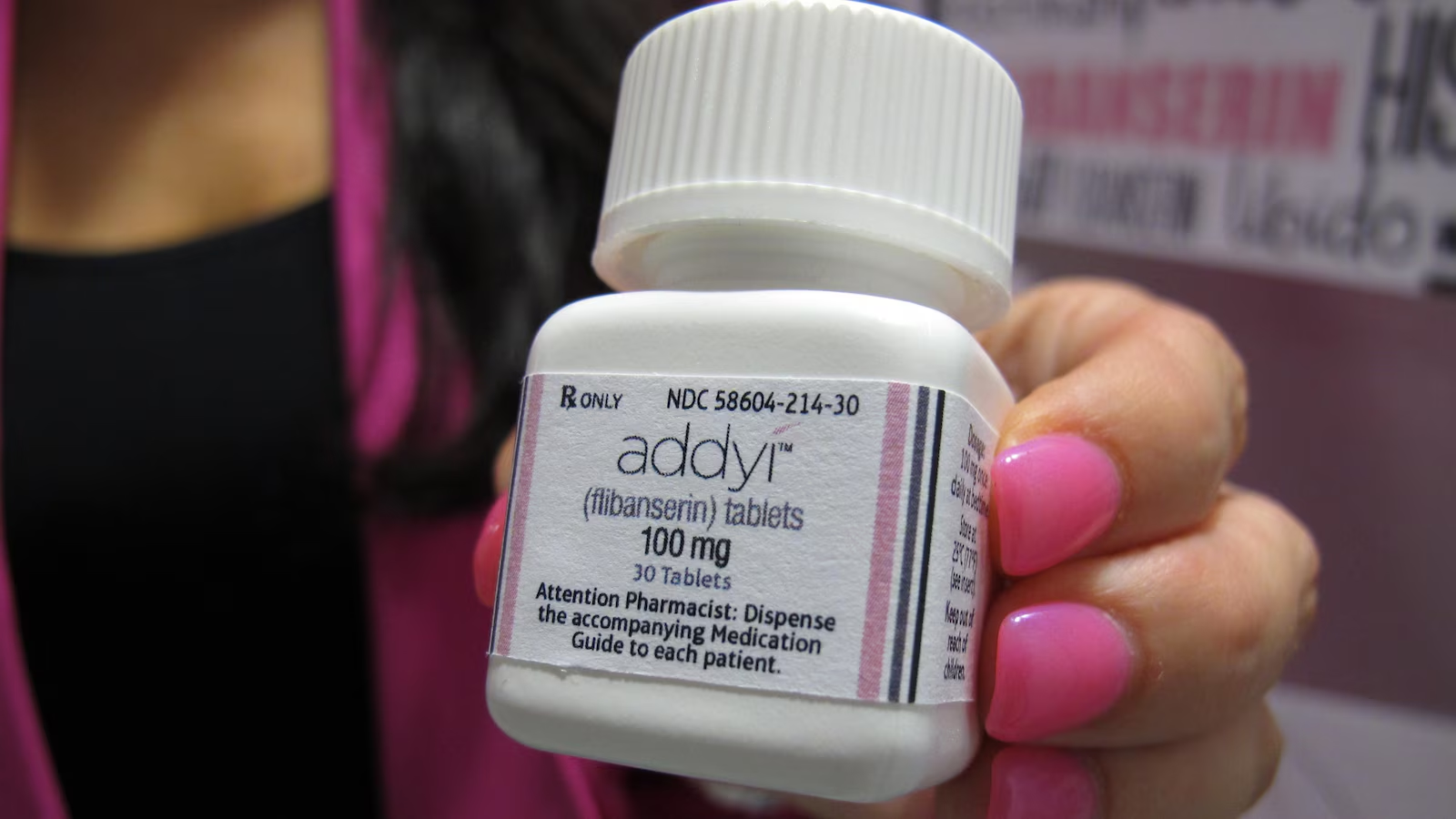
The FDA has approved the use of Addyi, a libido-boosting pill, for women over 65 who are postmenopausal, expanding its previous use for premenopausal women, despite concerns over side effects and effectiveness.
The FDA has approved the use of Addyi, a libido-boosting pill, for women over 65 who have gone through menopause, expanding its previous approval for premenopausal women, despite concerns about side effects and the controversial nature of diagnosing low sexual desire as a medical condition.
Women are increasingly using low-dose testosterone to improve energy, mood, and libido, challenging traditional gender norms and medical practices, and sparking a hormonal revolution that emphasizes self-empowerment and biohacking, though medical caution remains due to potential side effects and limited long-term research.
Testosterone use among middle-aged women has increased significantly for boosting libido and energy, often exceeding recommended doses, which can lead to positive effects like improved sex drive and muscle tone but also potential side effects such as hair loss. Experts emphasize cautious use and highlight the strong opinions surrounding hormone therapy.
The article discusses common sexual issues faced by people in their 50s, such as negative beliefs about aging and sexuality, vaginal dryness, erectile challenges, and decreased libido, emphasizing that these are normal changes and offering advice on how to address them, including mindset shifts, using lubricants, and stress reduction techniques.
A woman in her 40s struggles with her partner's declining libido due to stress, health issues, and past trauma, and seeks advice on managing her feelings of rejection and maintaining intimacy. The advice emphasizes patience, understanding, and exploring non-sexual forms of connection, as well as considering therapy and self-care to navigate the complex emotional landscape.
Ozempic, a medication used for type 2 diabetes and weight loss, has been linked to unexpected side effects related to sexual desire, with users reporting both decreases and increases in libido. Experts suggest these effects may be due to the drug's action on brain areas associated with pleasure and sexual interest. Novo Nordisk emphasizes patient safety and encourages reporting adverse reactions.
A study in Cell Metabolism found that intermittent fasting enhances sexual behavior in aging male mice by lowering brain serotonin levels through altered tryptophan metabolism, leading to increased reproductive success despite unchanged sperm and hormone levels.
Menopause expert Jodie Johnson recommends three supplements to help boost libido in menopausal women: a prebiotic/probiotic blend for hormone regulation and gut health, a cortisol-targeting blend with adaptogens like ashwagandha to reduce stress, and 'Ignite,' a mix of herbs and phytonutrients to support hormone balance and energy levels. These natural supplements aim to address hormonal changes that affect sexual desire without using hormone replacement therapies.
A woman is concerned about her boyfriend's lack of interest in sex, despite catching him looking at erotic imagery. The columnist suggests that his behavior could be related to depression, anxiety, or issues with cohabitation. He advises the woman to have a calm, compassionate conversation with her boyfriend to understand his perspective and consider seeking couples counseling if communication proves difficult.
A study from Boston University has found a significant decrease in cisgender women's sex drive after contracting COVID-19, with those experiencing long COVID reporting even steeper declines in arousal, lubrication, orgasm, and pain during sex. The pandemic's physiological and psychological toll, including anxiety, fatigue, and reduced opportunities for intimacy, are believed to contribute to these effects. The study emphasizes the importance of open communication about sexual health, especially for women battling long COVID, and encourages seeking support and guidance from healthcare providers.
While the effectiveness of aphrodisiac foods in directly increasing sexual desire is still debated, some evidence suggests that certain foods may indirectly benefit one's sex life. Pomegranates, dark chocolate, coffee, and oysters are among the foods that have been linked to potential improvements in sexual performance and arousal. However, it's important to note that no food directly "turns someone on," and the placebo effect may play a significant role.
The connection between birth control pills and sexual desire is complex, with some women experiencing decreased libido while on the pill. Research has shown that about 15 percent of women on combined hormonal birth control pills reported a decrease in libido. However, there is no clear consensus on why this occurs, particularly with different versions of the pill containing varying hormone doses.
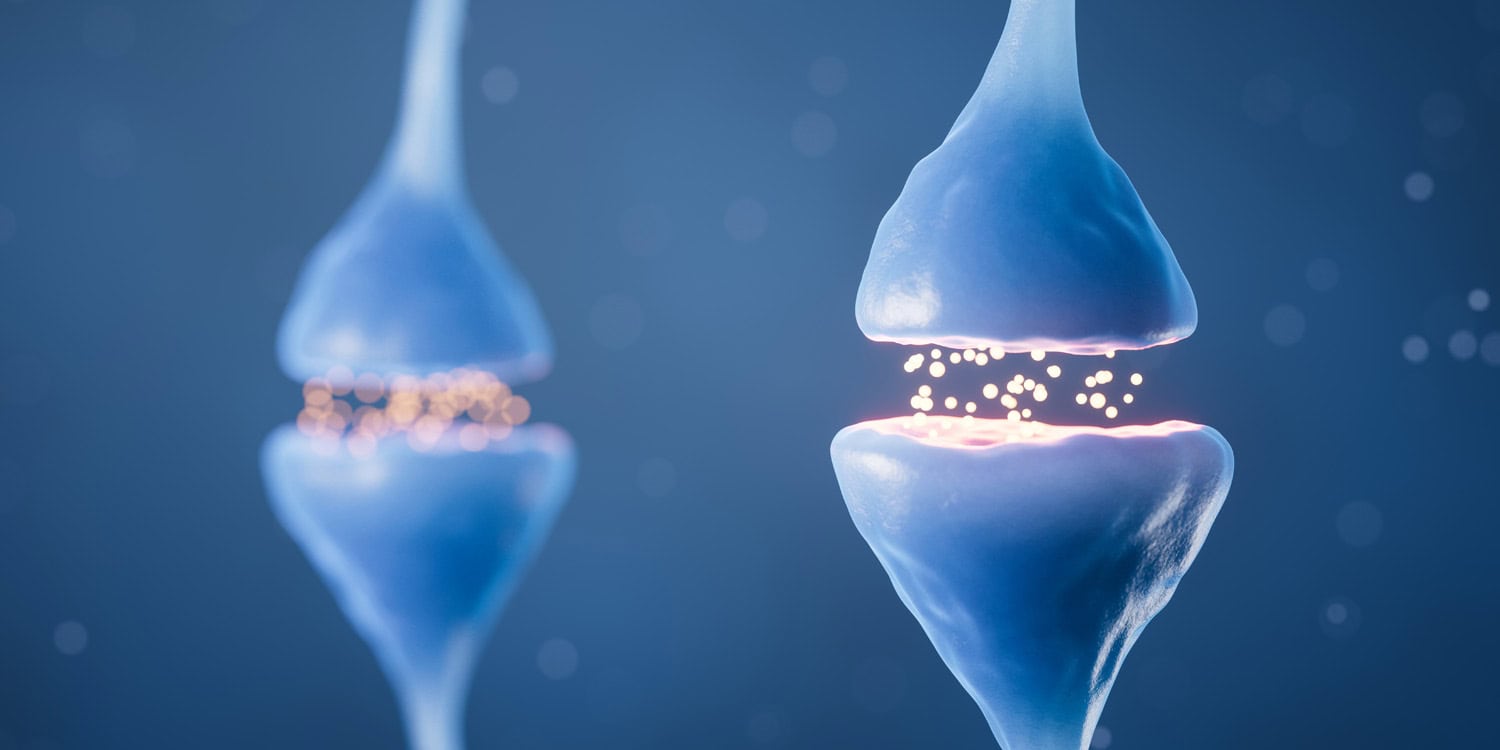
Researchers at Stanford University have identified a specific brain circuit in male mice that controls sexual recognition, libido, mating behavior, and pleasure. This circuit involves neurons in the bed nucleus of the stria terminalis (BNST) producing Substance P, which connects to neurons with Substance P receptors in the preoptic hypothalamus. Stimulating these neurons can trigger mating behavior and even override the refractory period in male mice. The findings suggest that similar brain circuits may exist in humans and could lead to the development of drugs to manage sexual drive. The study's insights into this fundamental brain circuitry could have broader implications for understanding mammalian, including human, sexuality.
A couple married for 33 years is facing a challenge as their libidos are going in different directions, with the husband's diminishing and the wife's increasing. Seeking advice, they are encouraged to consult a licensed sex therapist who can help them explore alternative ways to pleasure each other and discuss their options for maintaining intimacy.