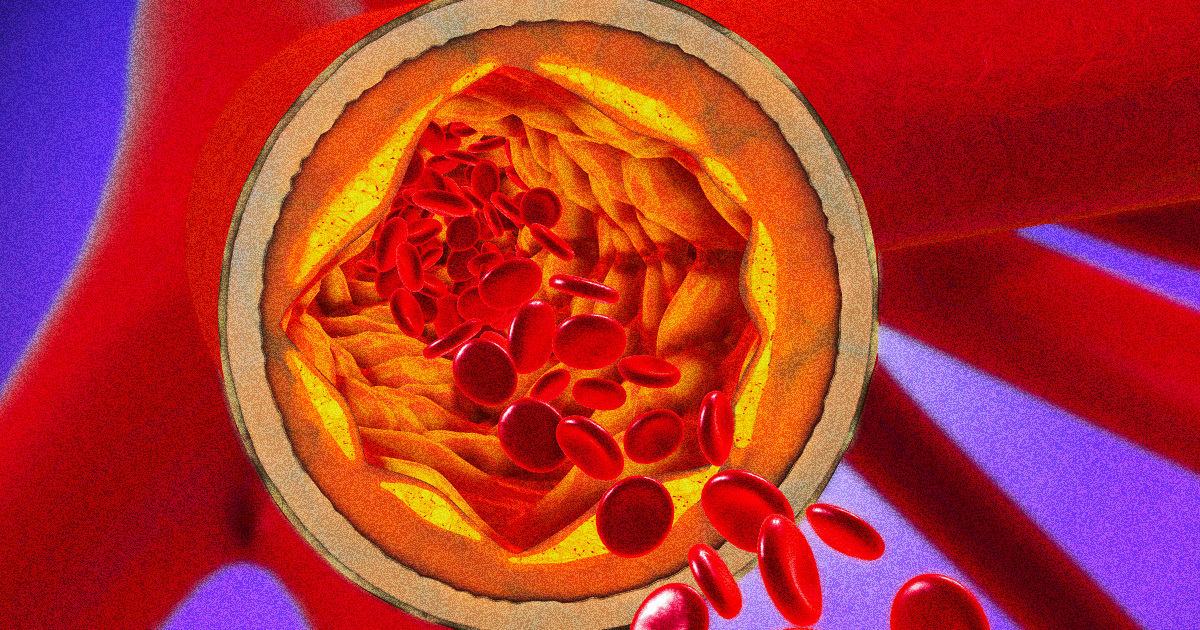
A pilot study demonstrates that a single gene-editing treatment targeting the ANGPTL3 gene can permanently reduce 'bad' cholesterol and triglycerides, potentially replacing lifelong medication for high cholesterol if further trials are successful.
Originally Published 3 months ago — by Hacker News
Recent research suggests inflammation may be a stronger predictor of heart disease than cholesterol levels, with inflammation markers like hs-CRP gaining attention. While LDL cholesterol remains a useful biomarker, it is not the sole factor in cardiovascular risk, especially since many heart attack patients have normal LDL levels. The article emphasizes the importance of considering inflammation and lifestyle factors alongside traditional cholesterol measures for a comprehensive approach to heart health.
A new study suggests that eating eggs does not raise bad cholesterol levels when consumed as part of a low saturated fat diet, and that saturated fat is the main contributor to increased LDL cholesterol, challenging outdated dietary advice about eggs.
A new experimental drug, Obicetrapib, has shown promise in reducing LDL cholesterol and lipoprotein(a) levels in a Phase 3 trial, potentially offering a convenient once-daily option to lower heart attack and stroke risk, though further research is needed to confirm its impact on actual cardiovascular events.
A new pill called Obicetrapib significantly lowers 'bad' LDL cholesterol and lipoprotein(a) levels in just 12 weeks, offering a promising treatment for high-risk heart patients, with results showing over 30% reduction and good tolerability.
A controversial study on the ketogenic diet's effects on cholesterol and artery plaque has sparked intense debate in the nutrition community, with critics questioning its methodology and conclusions, while some advocates see it as challenging long-standing beliefs about LDL cholesterol and heart disease.
Dr. Emily Leeming, a dietitian and microbiome scientist at King’s College London, shares eight diet tips to lower cholesterol levels, including incorporating kimchi and legumes, switching to filter coffee, consuming plant-based spreads, opting for jumbo oats, cutting back on butter, drinking green tea, and eating tree nuts like almonds. These dietary changes can help support gut health, increase fiber intake, and reduce LDL cholesterol levels, ultimately promoting heart health and overall well-being.
High cholesterol, particularly LDL levels, can increase in women in their 40s due to factors such as poor diet, lack of physical activity, excess weight, family history, and hormonal changes during menopause. To control bad cholesterol, women are advised to adopt a heart-healthy diet, engage in regular exercise, maintain a healthy weight, quit smoking, limit alcohol consumption, and undergo regular cholesterol screenings. These lifestyle changes can help protect heart health and manage cholesterol levels effectively.
Exercise can help lower LDL cholesterol levels and increase HDL cholesterol levels, which is beneficial for heart health. While dietary choices play a significant role in reducing LDL cholesterol, combining exercise with a healthy diet yields the most significant changes. Running, brisk walking, and strength training are effective exercises for lowering cholesterol. It may take 3-6 months of consistent exercise and a healthy diet to see an impact on cholesterol levels. However, individuals with strong genetic risk factors may not experience significant changes, but continuing to exercise is important for long-term heart health.
Researchers have successfully used an experimental gene editing treatment called base editing to significantly reduce levels of bad cholesterol in human subjects. The treatment, which turned off the gene for the protein PCSK9, resulted in a reduction of LDL levels by up to 55% after 28 days. However, one patient died from a heart attack and another had a non-fatal heart attack shortly after receiving the treatment, raising safety concerns. The biotechnology firm Verve Therapeutics plans to conduct a phase 2 clinical trial in 2025. While the results show promise, the long-term effects of gene editing on the human body remain unknown.
Eli Lilly's experimental drug, lepodisiran, has shown promising results in reducing the risk of heart disease by 94% for up to a year, according to a phase 1 trial. The drug significantly lowered levels of a heart disease-linked protein, Lipoprotein(a), to undetectable levels for 48 weeks, with the highest dose reducing it by up to 96% within the first two weeks. The study raises hope for individuals at high risk for heart disease due to their genetic makeup. Additionally, a separate study presented at the American Heart Association revealed that Novo Nordisk's diabetes-turned-weight-loss drug, Wegovy, can reduce the risk of severe heart problems by 20%.
Scientists at the Medical College of Wisconsin are investigating the role of very-low-density lipoprotein (VLDL), a form of cholesterol, in heart disease. While current treatments focus on reducing low-density lipoprotein (LDL) levels, there is evidence that other lipoproteins, including VLDL, also contribute to the risk of heart attacks and strokes. The research team has discovered that a protein called tissue-type plasminogen activator (tPA) plays a role in regulating cholesterol levels by inhibiting the assembly of VLDL. They are now exploring therapeutic strategies based on these findings to reduce cardiovascular risk.
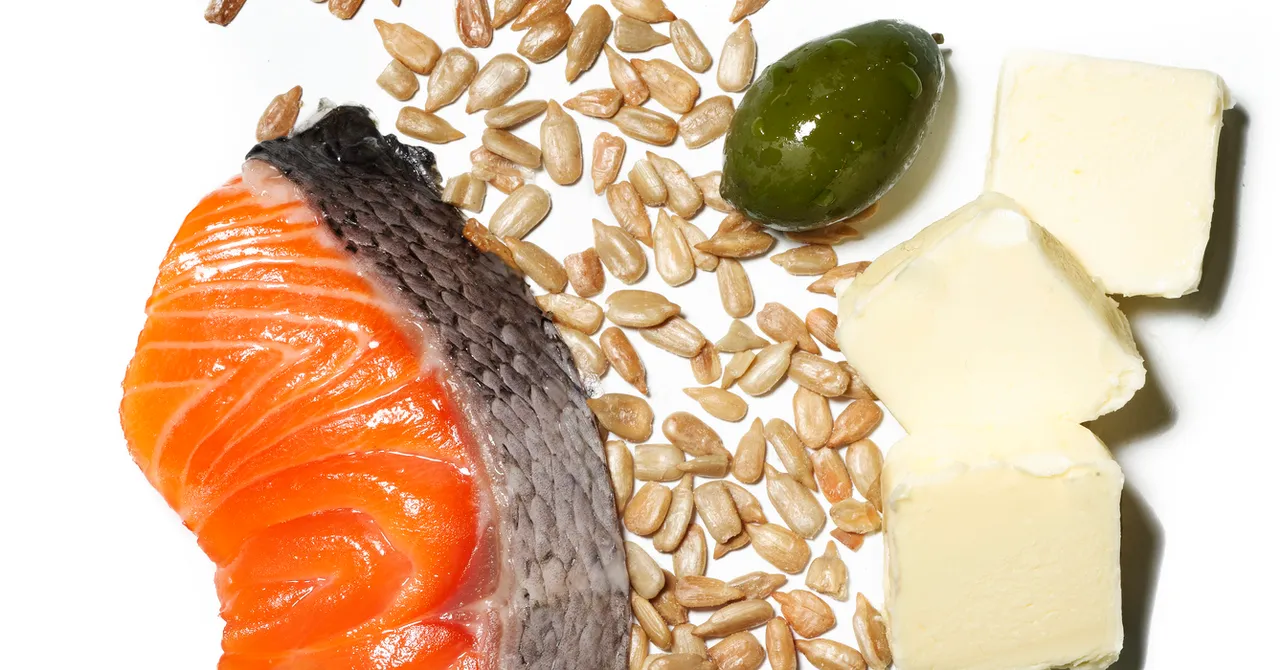
Eating fruits rich in soluble fiber such as pears, apricots, oranges, strawberries, mangoes, and apples can help reduce high cholesterol levels. These fruits contain substances like pectin, phytosterols, and antioxidants that can lower LDL cholesterol and triglycerides. Other healthy sources of fatty acids such as oily fish, avocados, nuts, seeds, olives, and their oils can also help improve cholesterol levels.