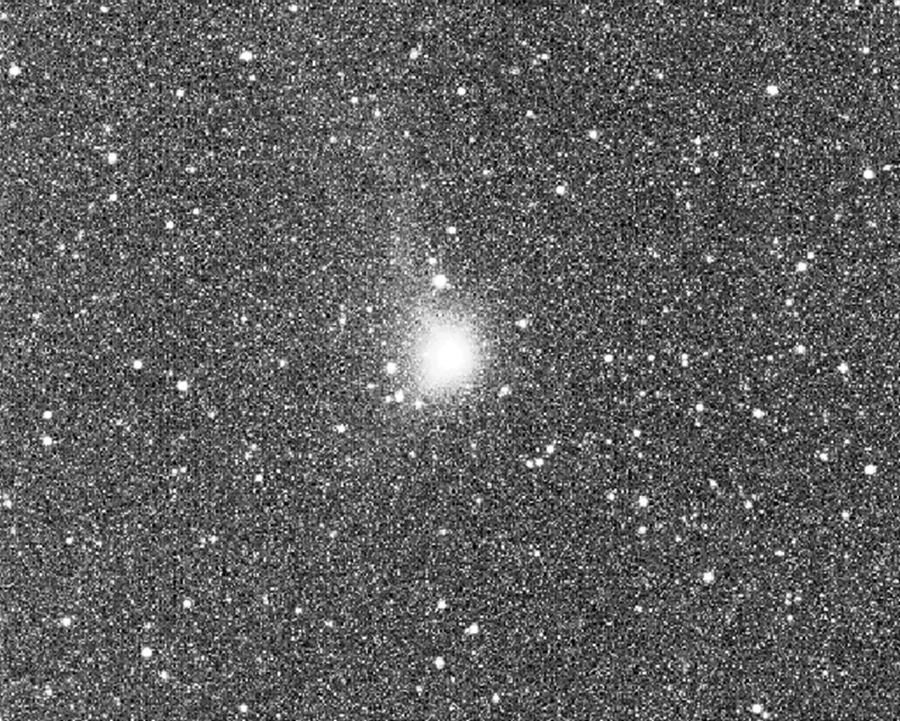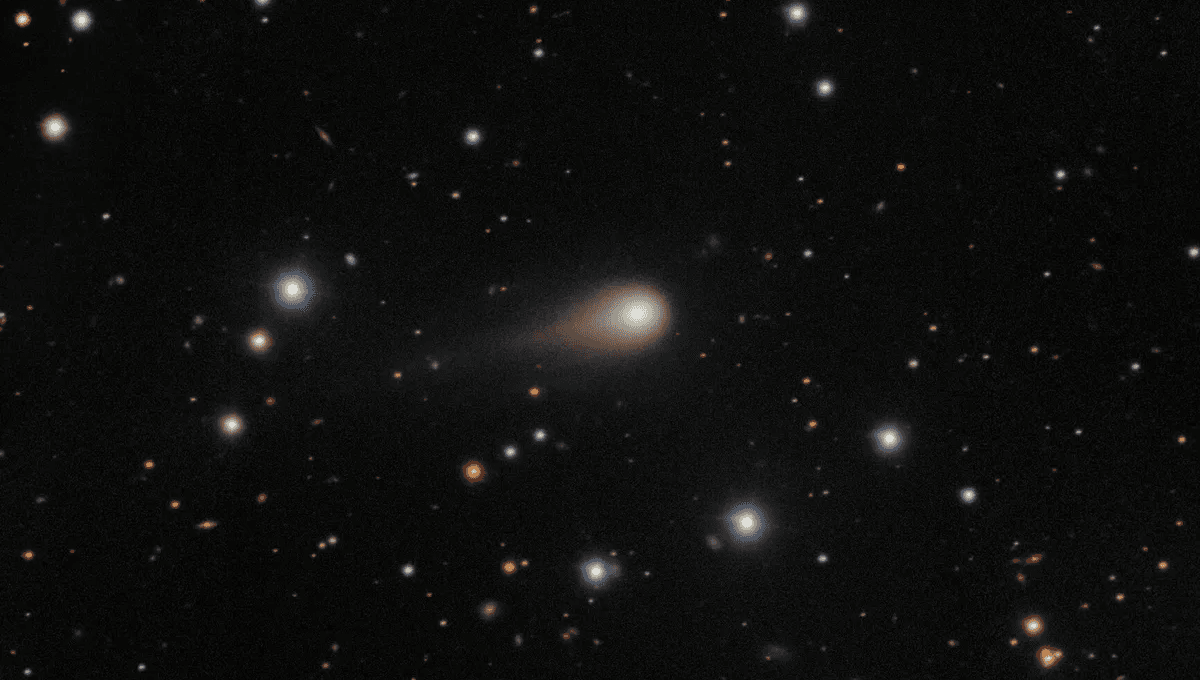
ESA's JUICE mission captured images of the active interstellar comet 3I/ATLAS as it approached the outer Solar System, revealing its bright coma and two tails, with full data expected in February 2026 to provide insights into the comet's composition and origins.
Interstellar comet 3I/ATLAS will be studied from deep space by the European Space Agency's JUICE spacecraft in November, providing unique insights into its activity despite the distance, with data expected to be analyzed by 2026.
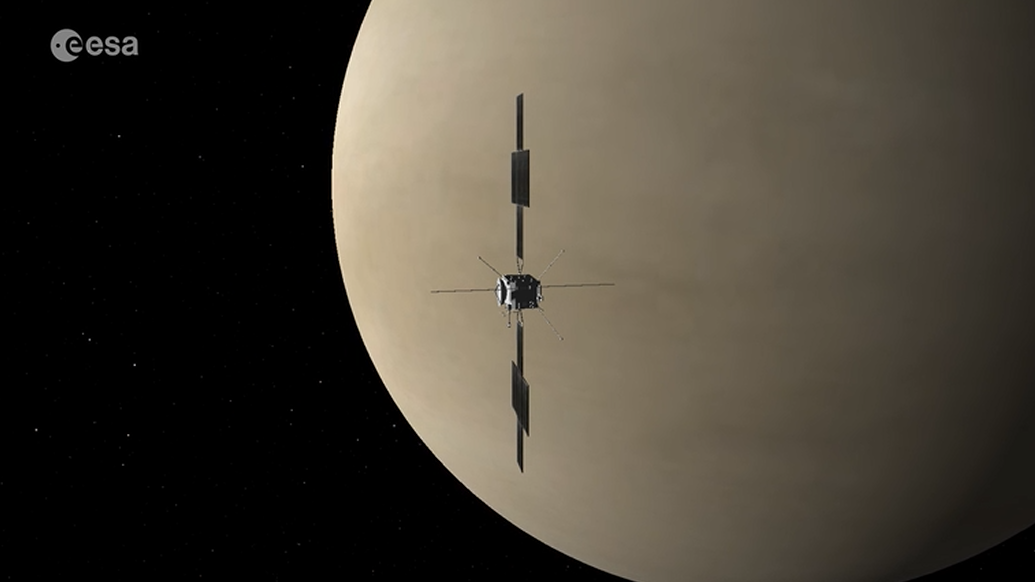
Europe's JUICE spacecraft, en route to Jupiter, experienced a communication glitch but successfully reestablished contact before its crucial Venus flyby on August 31, which is part of its trajectory to study Jupiter's moons. The mission aims to arrive at Jupiter in July 2031 and includes multiple gravity assists, with the Venus flyby helping to increase its velocity. Despite the communication issue caused by a software glitch, the spacecraft is in good health and on schedule for its upcoming maneuvers.
Contrary to popular belief, several drinks often considered 'bad' can actually fit into a weight loss plan, including dairy milk, soy milk, 100% pomegranate juice, naturally sweetened coffee, and low-calorie sodas, when consumed mindfully. The key is to monitor calorie and sugar content, and choose nutrient-rich options that promote satiety and hydration, making it possible to enjoy a variety of beverages while working towards weight loss goals.
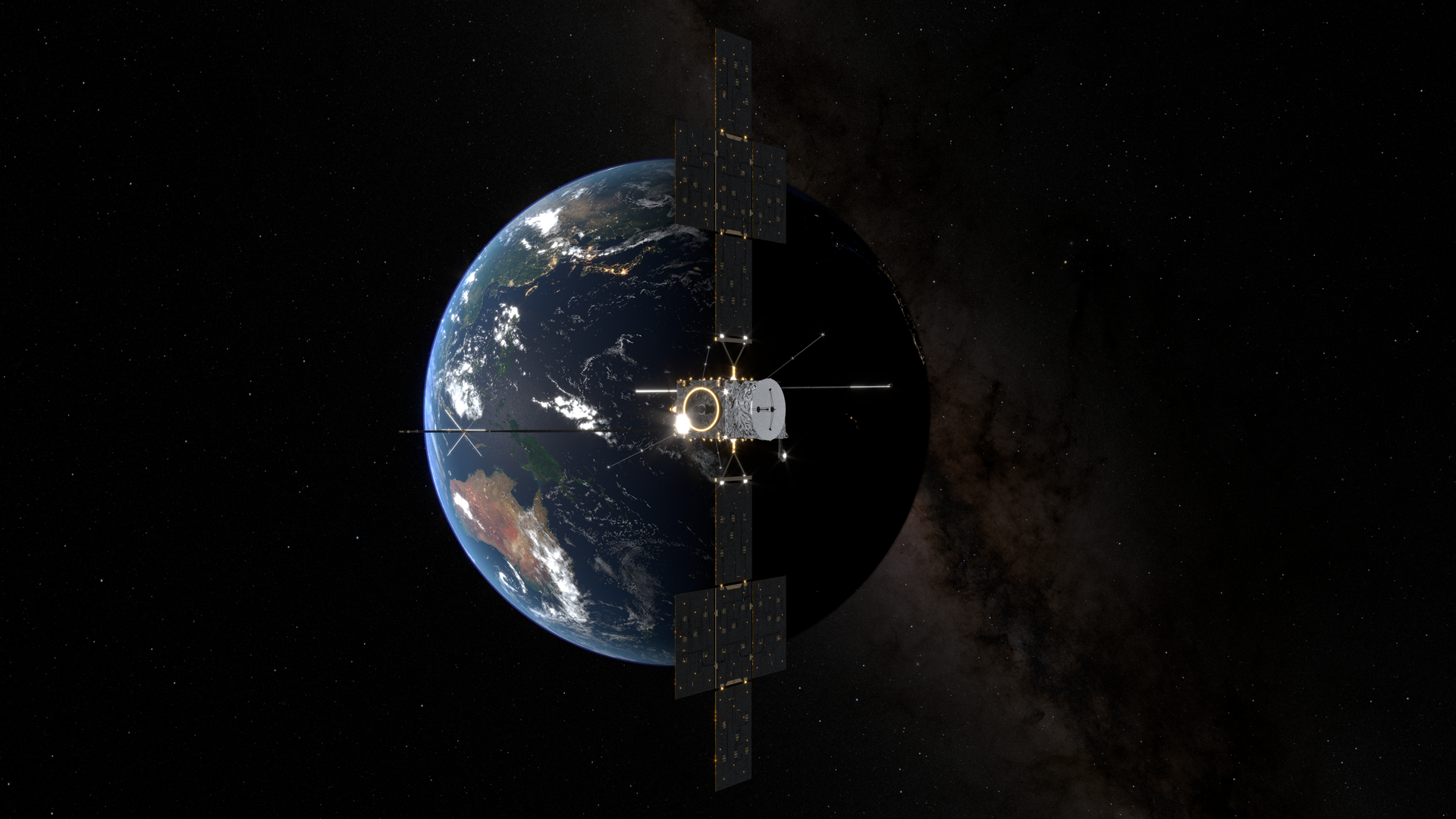
ESA's Jupiter Icy Moons Explorer (Juice) will perform a historic lunar-Earth flyby on August 19-20, 2024, using the Moon and Earth's gravity to adjust its trajectory towards Jupiter. This complex maneuver, the first of its kind, will slow Juice down and set it on a path for a Venus flyby in 2025. The mission requires precise navigation and offers a unique opportunity to test and calibrate Juice's scientific instruments.
The European Space Agency's Jupiter Icy Moons Explorer (JUICE) spacecraft performed a 43-minute burn to position itself for an upcoming Earth-moon flyby, which will be the first-ever double gravity assist of the two celestial bodies. This maneuver used up 10% of the spacecraft's fuel, and it is part of a series of gravity assists that will slingshot JUICE towards Jupiter to study the planet and its icy moons. The burn was challenging as some aspects couldn't be tested in advance, but if successful, JUICE may not need to use its main engine again until it enters orbit around Jupiter in 2031.
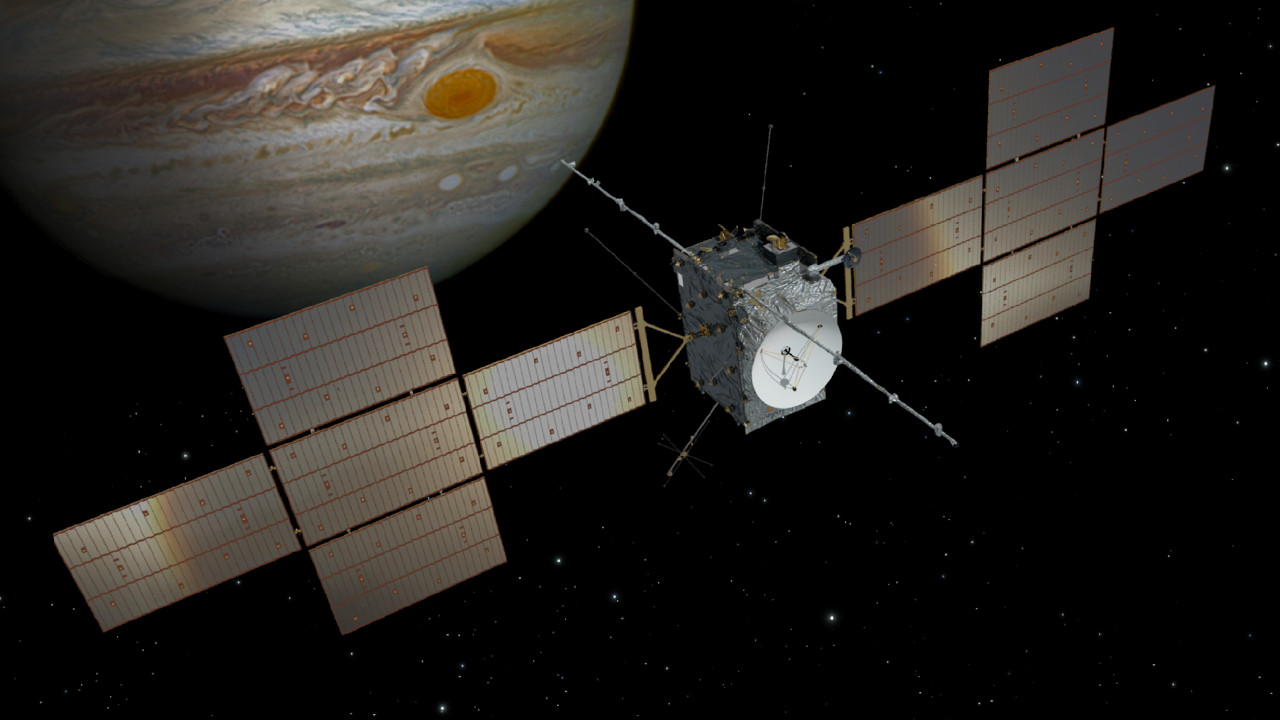
The European Space Agency's Juice mission to Jupiter is taking a long time due to various factors, including the amount of fuel used, the power of the rocket, the mass of the spacecraft, and the geometry of the planets. To reach Jupiter, the spacecraft must take a scenic route and make use of gravity-assist maneuvers to pick up extra speed. Once at Jupiter, Juice will conduct flybys of its moons and become the first spacecraft to orbit a moon other than Earth's. The mission aims to study Jupiter's moons and gather insights into the formation of planets and moons in the universe.
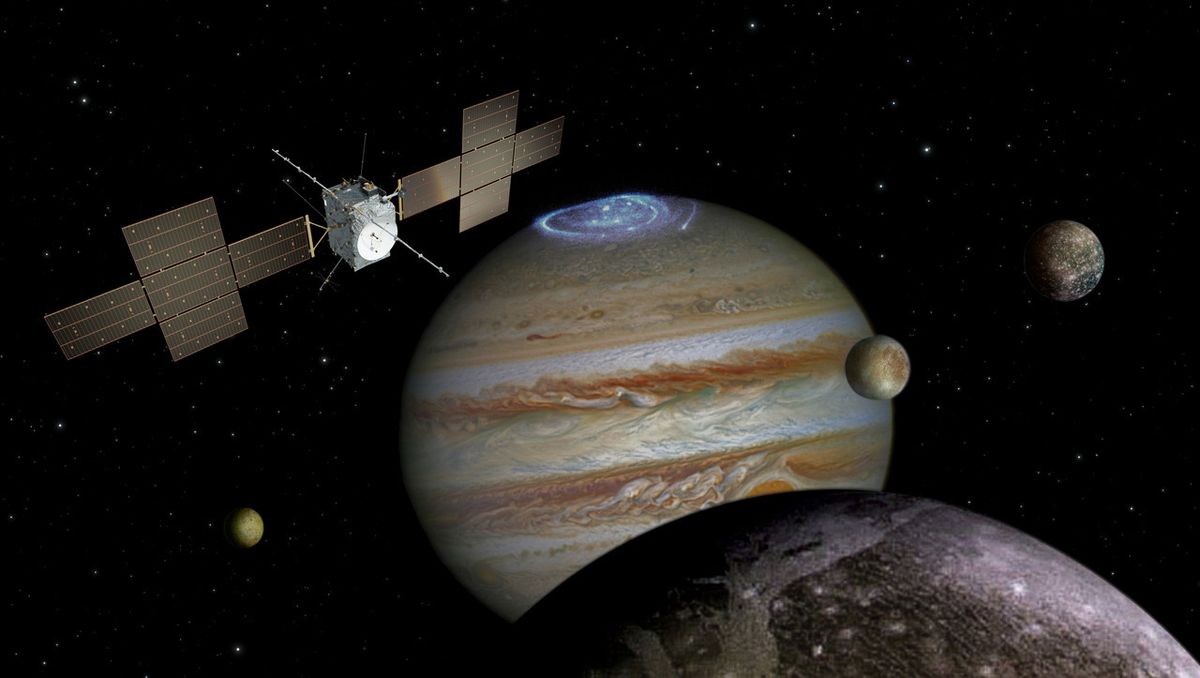
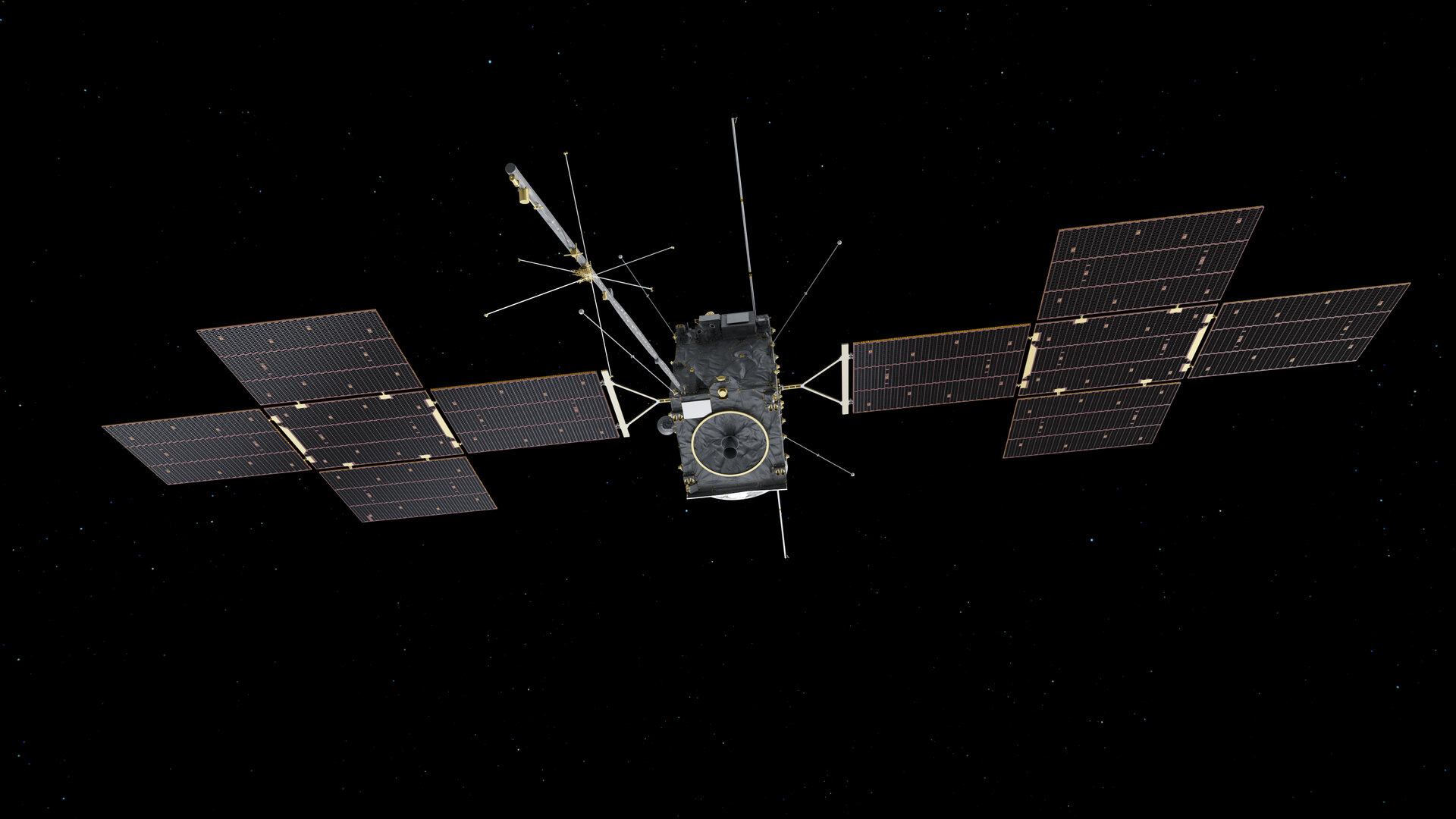
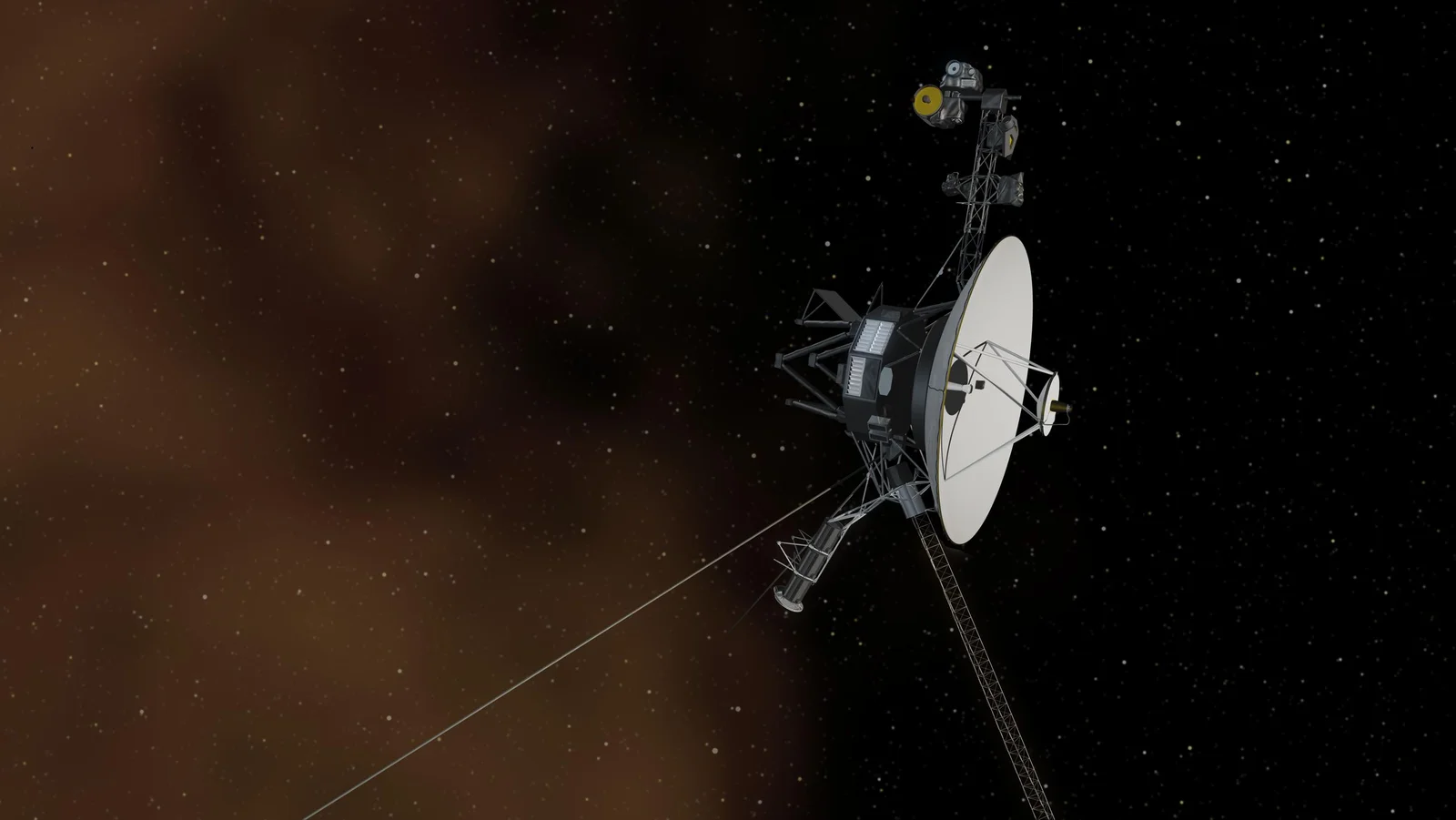
The European Space Agency's Jupiter Icy Moons Explorer (Juice) spacecraft has completed the unfurling of its solar panel arrays and various booms, probes, and antennae while en route to Jupiter. Juice will explore Jupiter while conducting 35 flybys of Europa, Ganymede, and Callisto, which are each hypothesized to contain bodies of liquid water beneath their icy crusts. The spacecraft will also conduct further examinations of the entire Jupiter system, as scientists hypothesize this could help paint a clearer picture of gas giant exoplanets.
ESA's Jupiter Icy Moons Explorer (Juice) has completed its final deployments, including the Radio & Plasma Wave Investigation (RPWI) and JANUS optical camera instrument, in preparation for exploring Jupiter. The RPWI will generate a 3D map of the electric fields around Jupiter and collect data on energy transfer between Jupiter's magnetosphere and its icy moons. The JANUS camera will take images in 13 different colours to investigate the moons Ganymede, Callisto, and Europa, as well as other parts of the Jovian system. Juice will perform the world's first-ever lunar-Earth gravity assist in August 2024.
The Jupiter Icy moons Explorer (JUICE) probe, launched on April 14, has captured its first images of Earth and is on a 12-year mission to study three of Jupiter's icy moons: Europa, Ganymede, and Callisto. The probe will use the gravity of the Earth-Moon system to propel it on its trajectory through the inner solar system, targeting September 2026 for an Earth flyby, followed by another one in November 2029. JUICE is estimated to reach Jupiter in 2031 and will investigate these large moons for signs that they could host life.
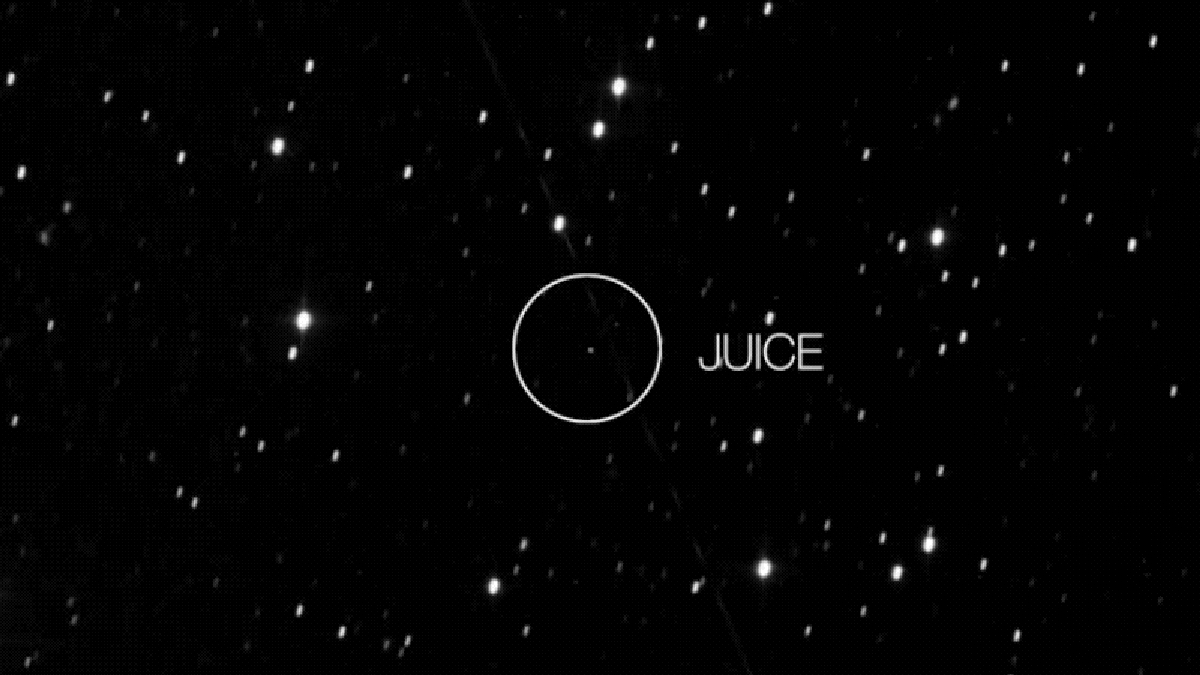
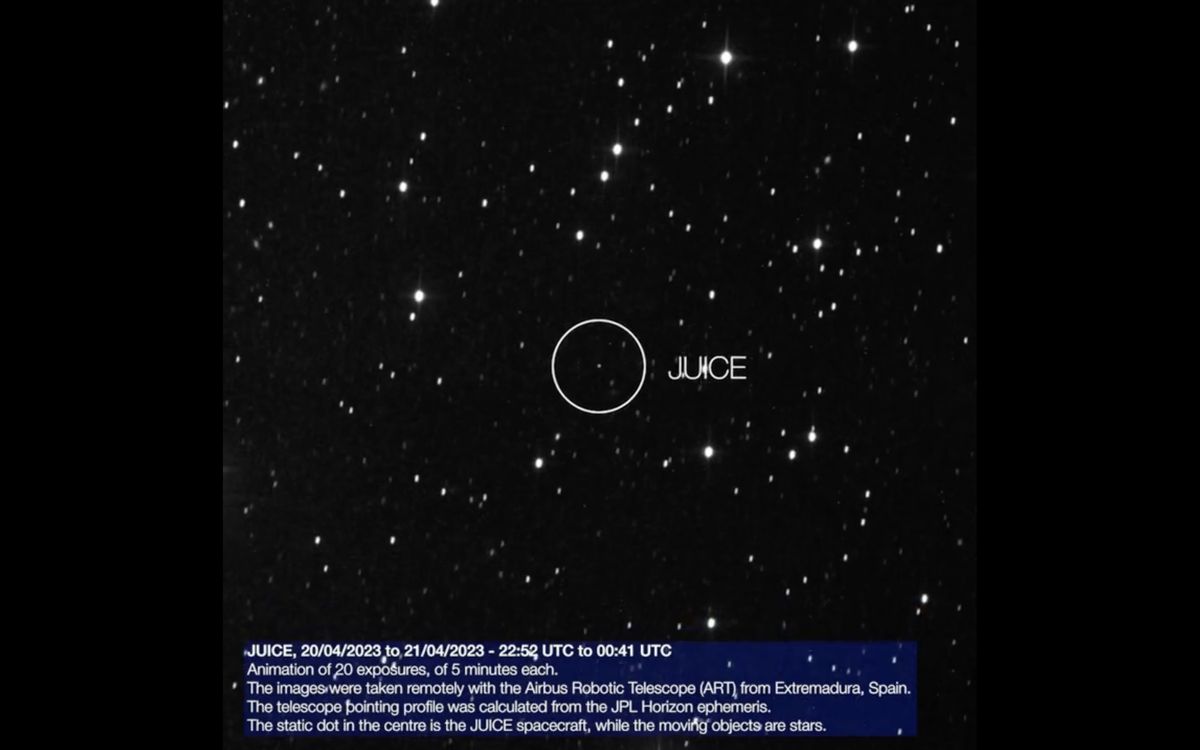
Airbus Space's robotic telescope captured footage of Europe's JUICE Jupiter probe, which is on an eight-year journey to the Jupiter system to investigate the Jovian atmosphere and its physics, as well as study the Jupiter ocean moons Ganymede, Callisto, and Europa. The footage shows JUICE at its center surrounded by bright specks, which are background stars, and was captured when the spacecraft was nearly 1 million miles (1.5 million kilometers) from Earth. JUICE will arrive at the Jovian system in July 2031 after several gravity boosts from Earth, the moon, and Venus.
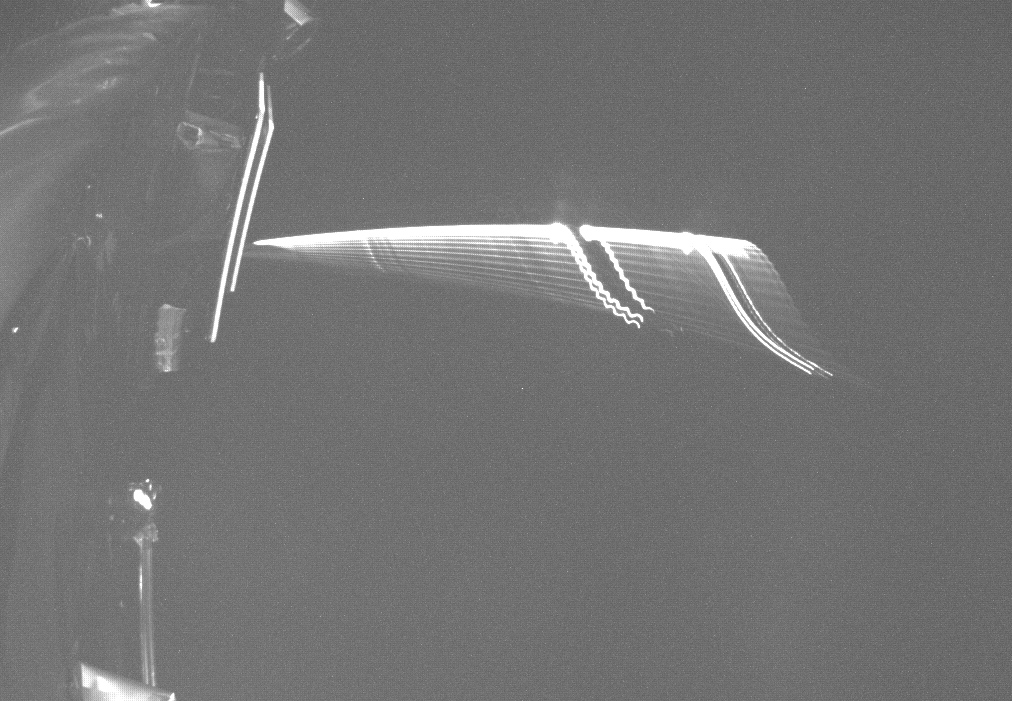
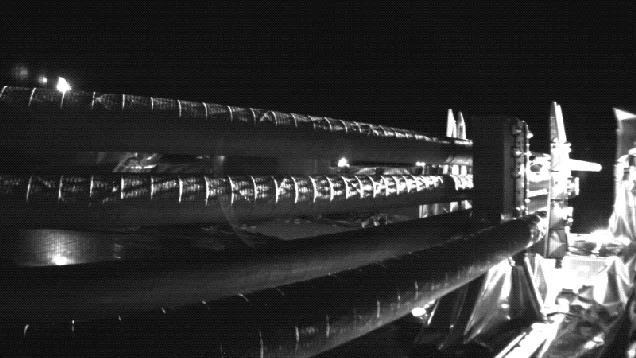
The European Space Agency's Jupiter Icy Moons Explorer (JUICE) mission has successfully deployed its 16-meter-long Radar for Icy Moons Exploration (RIME) antenna after weeks of effort to loosen a stuck pin. The RIME instrument is designed to probe below the surfaces of the large icy moons of Europa, Ganymede and Callisto to depths of up to nine kilometers. JUICE will arrive at Jupiter in 2031, a year after NASA's Europa Clipper mission, slated to launch in October 2024.
The RIME antenna on ESA's Jupiter-bound space probe Juice was stuck, but engineers managed to shake it loose using a non-explosive actuator. The antenna will use ice-penetrating radar to get a subsurface look at Jupiter's moons. Juice is expected to arrive at Jupiter in 2031 and perform multiple science missions until a planned deorbit on Ganymede by late 2035.
The JUICE probe, on its way to explore Jupiter's icy moons, encountered a problem when its ice-penetrating RIME antenna refused to deploy. Engineers tried several methods to dislodge the stuck antenna, including shaking and baking it in the sun, but it remained lodged. Finally, a "non-explosive actuator" was fired, which moved the pin holding the antenna in place, allowing it to fully deploy. The probe will continue its eight-year journey to Jupiter, where it will explore Europa, Ganymede, and Callisto.
Europe's JUICE Jupiter probe has fixed its Radar for Icy Moons Exploration (RIME) antenna after more than three weeks of intense troubleshooting efforts. RIME is a key piece of JUICE's scientific package, which will be used to study the surface and subsurface structure of Jupiter's icy moons down to a depth of 9 km. After arriving in orbit around Jupiter, JUICE will study the moons Ganymede, Callisto, and Europa up close during a series of flybys.