Tag

Janus

All articles tagged with #janus

astronomy2 years ago

"Palomar Observatory Discovers Rare Two-Faced Star, Unveiling New Celestial Insights"

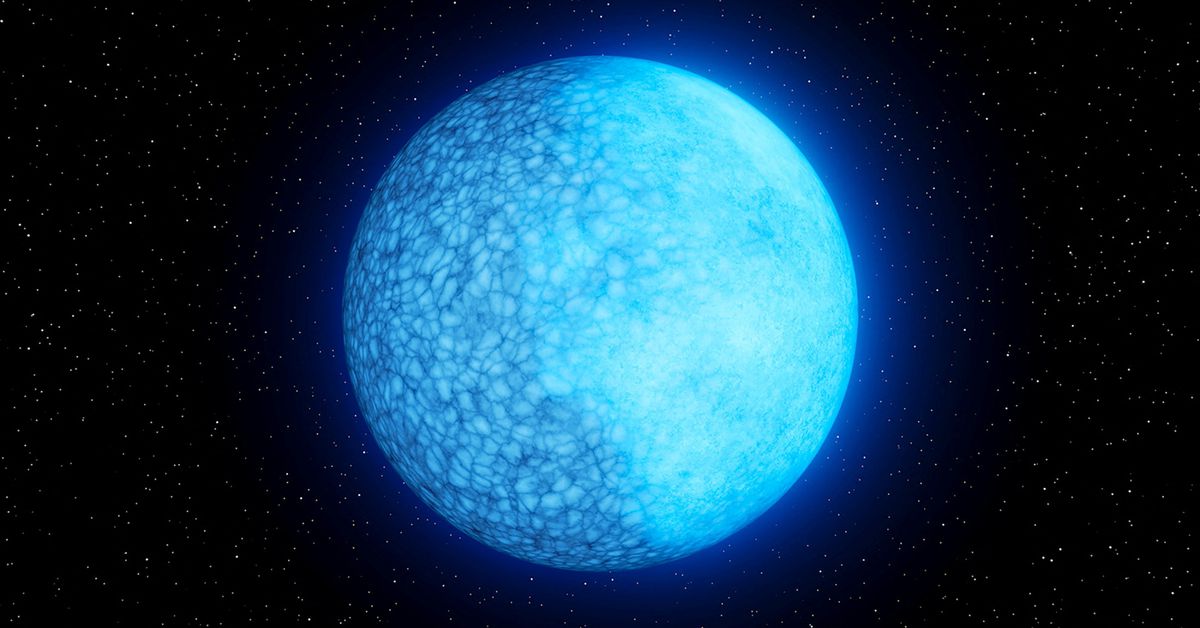
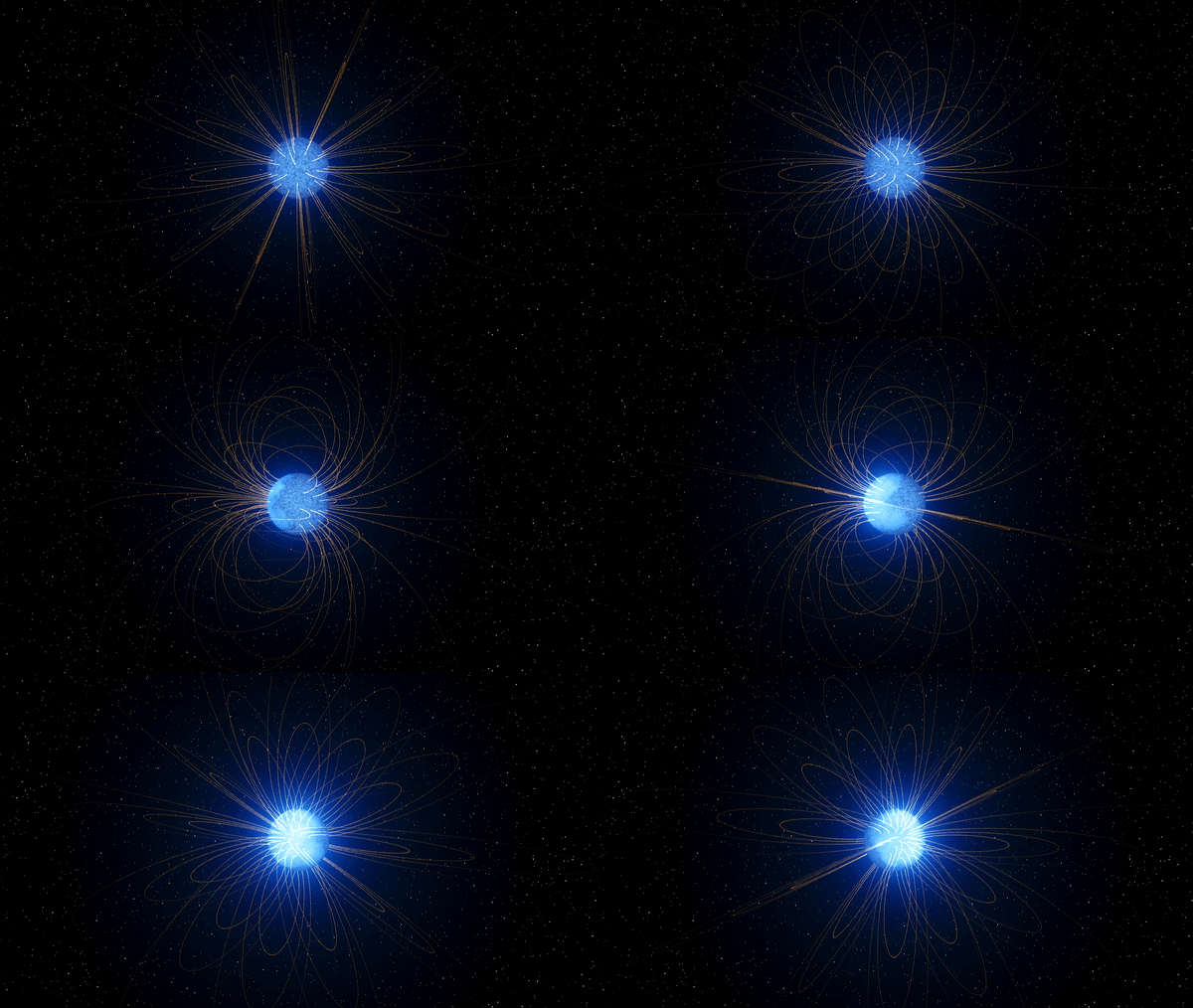
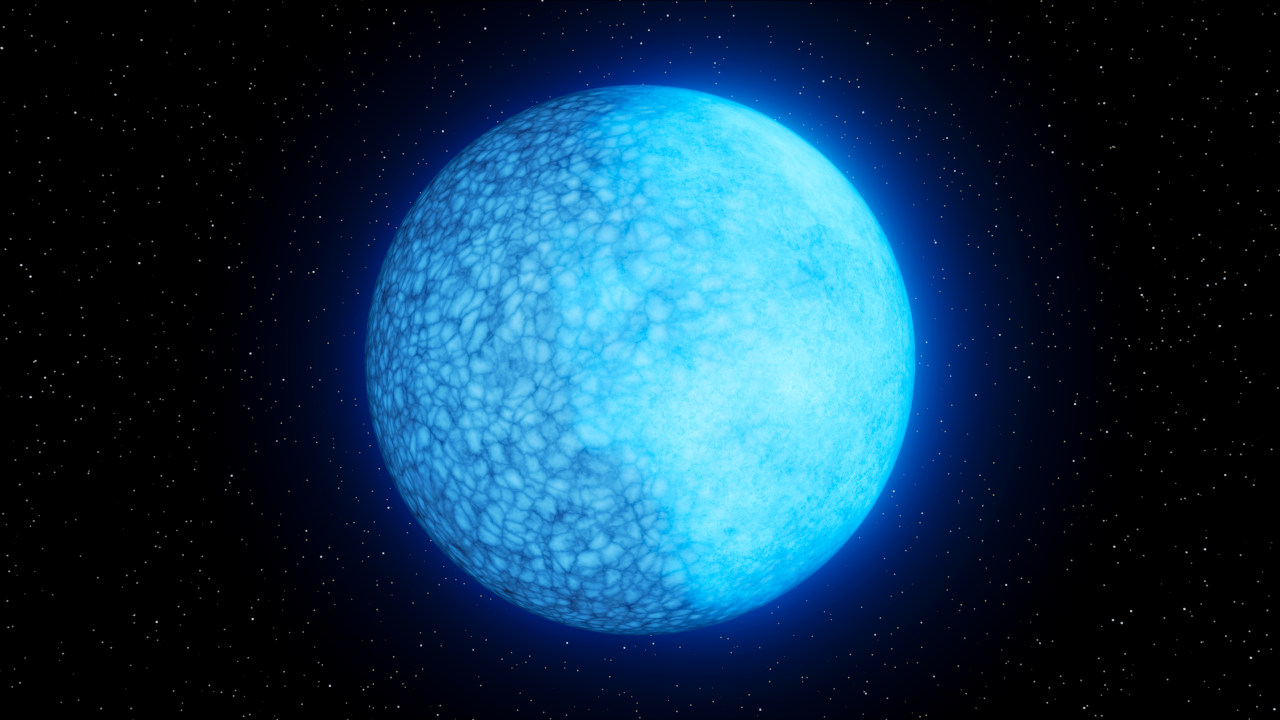
Astronomers at Palomar Observatory have discovered a rare white dwarf star named Janus that appears to have two distinct faces on its surface, one composed of hydrogen and the other of helium. This unique finding could provide insights into the evolution of white dwarfs and confirm a long-standing theory about the transition of a star's core as it burns out. The star's composition suggests a rare phase of evolution, and researchers believe that a magnetic field on Janus' surface may be responsible for the separation of hydrogen and helium. Further study of similar white dwarfs is planned to unravel the mystery.

astronomy2 years ago

"Unveiling the Enigmatic Duality of a Newly Found Celestial Gem"

Astronomers have discovered a unique white dwarf star named Janus, which has two distinct sides—one composed of hydrogen and the other of helium. This unprecedented finding challenges the typical composition of white dwarfs and suggests a rare form of stellar evolution. The star's double-faced nature was observed through spectroscopy, revealing the chemical signatures of hydrogen and helium on different sides. The researchers speculate that magnetic fields or shifting atmospheric pressures may be responsible for this asymmetry. Further exploration using the Zwicky Transient Facility is planned to identify more white dwarfs with similar characteristics.

astronomy2 years ago

"Dual-Faced Dead White Dwarf Star Baffles Scientists"

Astronomers have discovered a unique white dwarf star named Janus, which has two distinct sides—one composed of hydrogen and the other of helium. This first-of-its-kind finding challenges the typical composition of white dwarfs and raises questions about the star's evolution. The researchers speculate that Janus may be undergoing a rare form of evolution, transitioning from a hydrogen-dominated surface to a helium-dominated one. They also suggest that asymmetric magnetic fields or shifting atmospheric pressures could be responsible for the star's dual-faced nature. Further observations and studies are planned to better understand this peculiar white dwarf.

astronomy2 years ago

Unveiling the Enigmatic Two-Faced Star: A Celestial Oddity

Astronomers have discovered a white dwarf star, nicknamed Janus, with two different faces—one composed of hydrogen and the other of helium. This unique finding challenges current theories about white dwarf evolution and the role of magnetic fields in shaping celestial bodies. The team suggests that magnetic fields may be responsible for the asymmetric distribution of elements on Janus, with one side having stronger magnetic fields and thus more hydrogen. Further research is needed to understand the exact mechanisms behind this phenomenon.

astronomy2 years ago

Janus: The Enigmatic Two-Faced Star

Scientists have discovered a unique white dwarf star, nicknamed Janus, which is composed of hydrogen on one side and helium on the other. Located in the Milky Way galaxy, Janus rotates every 15 minutes and is larger than our sun but with a diameter half that of Earth. This peculiar star may be in the midst of transitioning from a hydrogen atmosphere to a helium atmosphere. The researchers suspect that its magnetic field may be responsible for this asymmetry. Janus represents a rare glimpse into the transitional blending process of white dwarfs and highlights the diverse nature of stellar phenomenology.

science-and-astronomy2 years ago

Mysterious Janus: Unveiling the Enigma of a Two-Faced Dying Star

Scientists have discovered a peculiar white dwarf star, nicknamed "Janus," that has two different elements, hydrogen and helium, on either side of its orb-like surface. This is the first time such a stark separation of elements has been observed on a white dwarf. The researchers believe that Janus may have been caught during a convection phase where the elements started to mix together, and asymmetric magnetic fields could be responsible for the uneven distribution of elements. This discovery could shed light on the spectral evolution of white dwarfs and challenge our understanding of white dwarf atmospheres.

science-and-exploration2 years ago

Jupiter reaches final form with completed juice deployments.

ESA's Jupiter Icy Moons Explorer (Juice) has completed its final deployments, including the Radio & Plasma Wave Investigation (RPWI) and JANUS optical camera instrument, in preparation for exploring Jupiter. The RPWI will generate a 3D map of the electric fields around Jupiter and collect data on energy transfer between Jupiter's magnetosphere and its icy moons. The JANUS camera will take images in 13 different colours to investigate the moons Ganymede, Callisto, and Europa, as well as other parts of the Jovian system. Juice will perform the world's first-ever lunar-Earth gravity assist in August 2024.