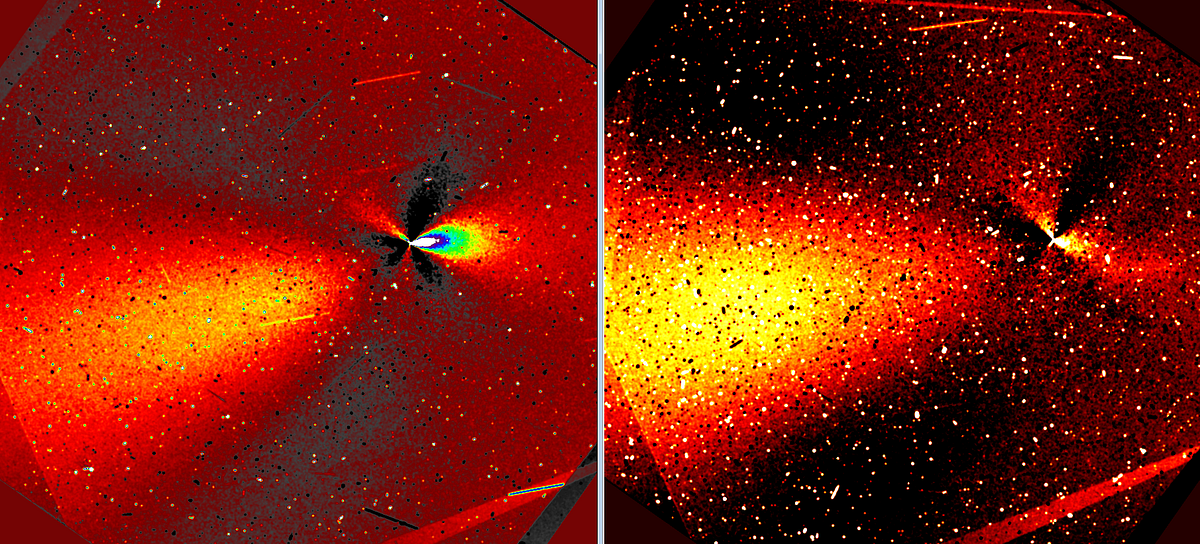
New Hubble images of interstellar object 3I/ATLAS reveal a double-jet structure with varying brightness, suggesting possible rotational wobble or source variability, and providing insights into its activity post-perihelion and the nature of its jets.
ESA's JUICE mission captured images of the active interstellar comet 3I/ATLAS as it approached the outer Solar System, revealing its bright coma and two tails, with full data expected in February 2026 to provide insights into the comet's composition and origins.
3I/ATLAS, an interstellar comet, is approaching Earth and will make its closest approach on December 19. Despite some speculation about its origin, scientists confirm it is a natural object and poses no threat to Earth. Recent observations show it remains intact, with notable activity such as increased speed and color change, but no signs of fragmentation or artificial technology.
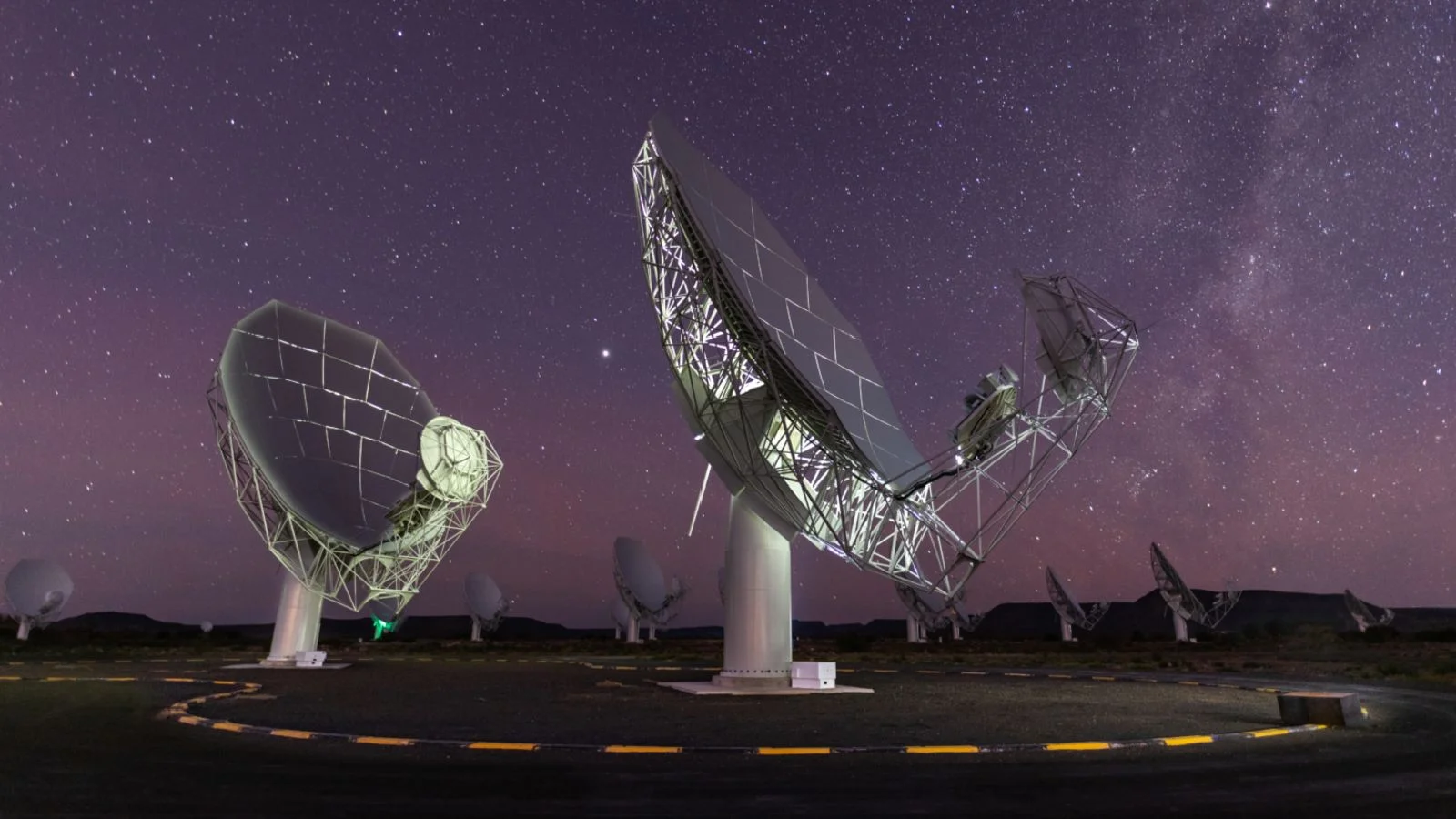
Astronomers using South Africa's MeerKAT telescope detected the first radio signal from interstellar comet 3I/ATLAS, which was caused by natural water breakdown processes, not alien technology, dispelling conspiracy theories about its origins.
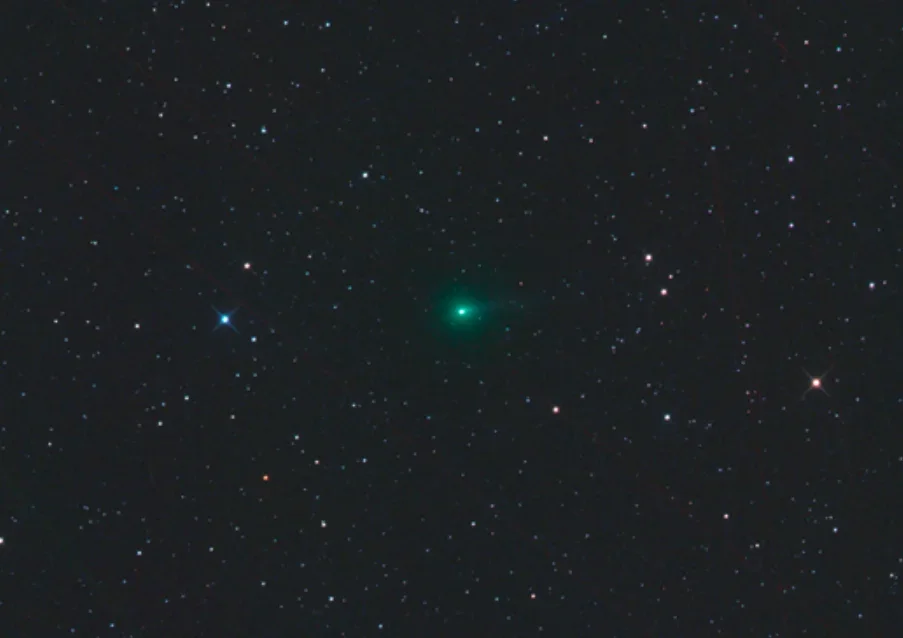
Interstellar comet 3I/ATLAS is passing perihelion and has been observed by amateur astronomers and space agencies, showing typical comet features like a coma and dust tail. Despite hype and speculation, it appears to be a normal comet from beyond our solar system, with ongoing observations expected to continue into November and December. The discovery highlights our improving ability to detect interstellar objects, with future telescopes likely to find more such visitors.
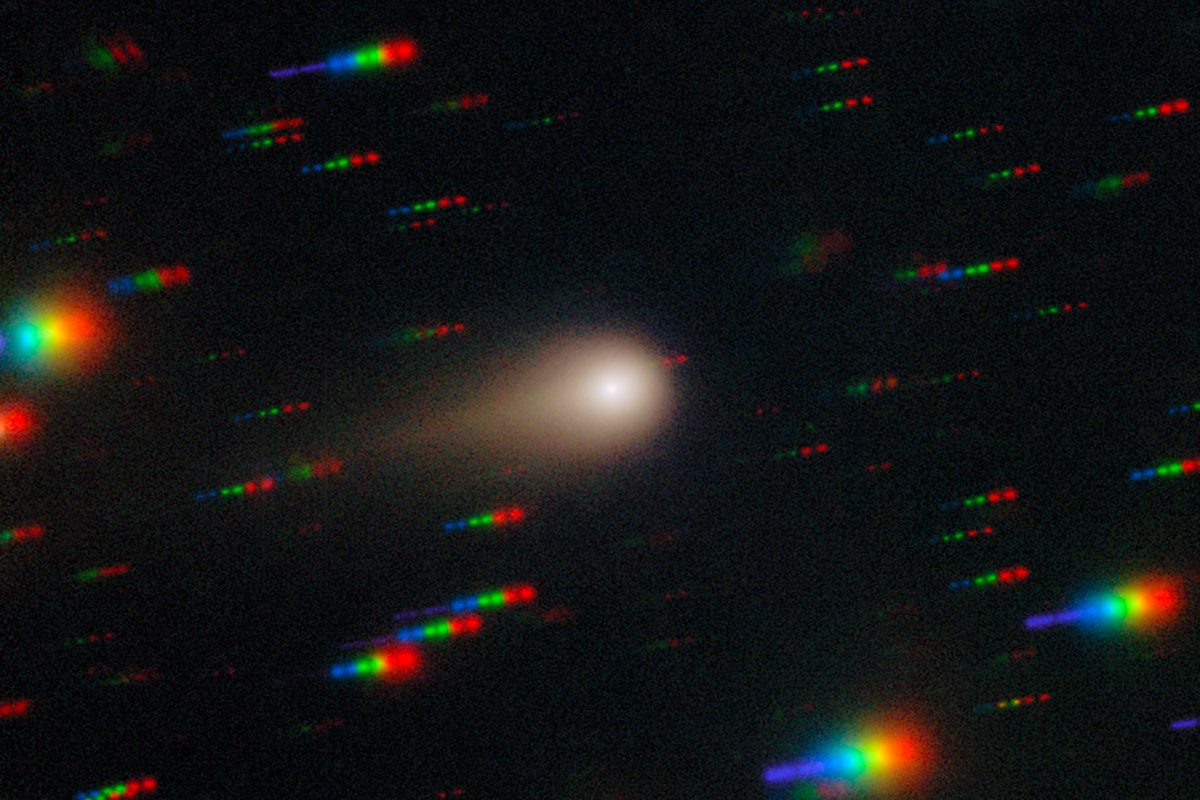
New observations and models reveal that the interstellar object 3I/ATLAS's anti-tail transitioned into a tail as it approached the Sun, driven by sublimation of CO2 and other volatiles, with significant mass loss and implications for its nature and composition.
A recent study using NASA's Swift Observatory revealed that interstellar comet 3I/ATLAS is leaking water at a rate comparable to a fire hose, with a surprisingly high surface activity, providing new insights into the chemistry of distant planetary systems and challenging previous assumptions about interstellar objects.
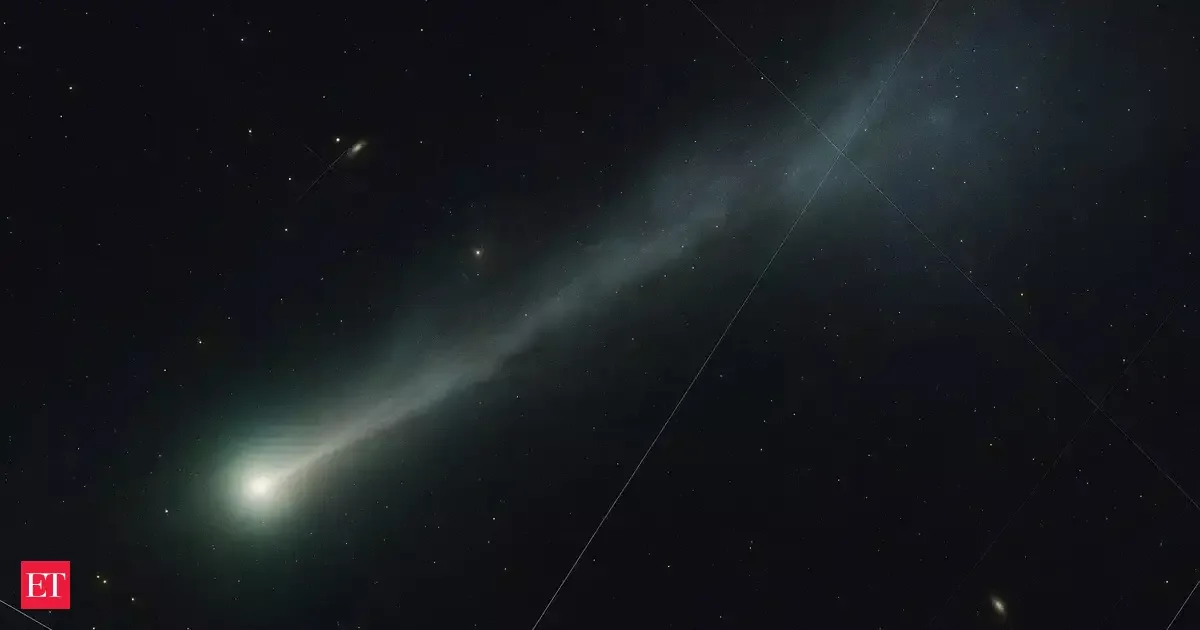
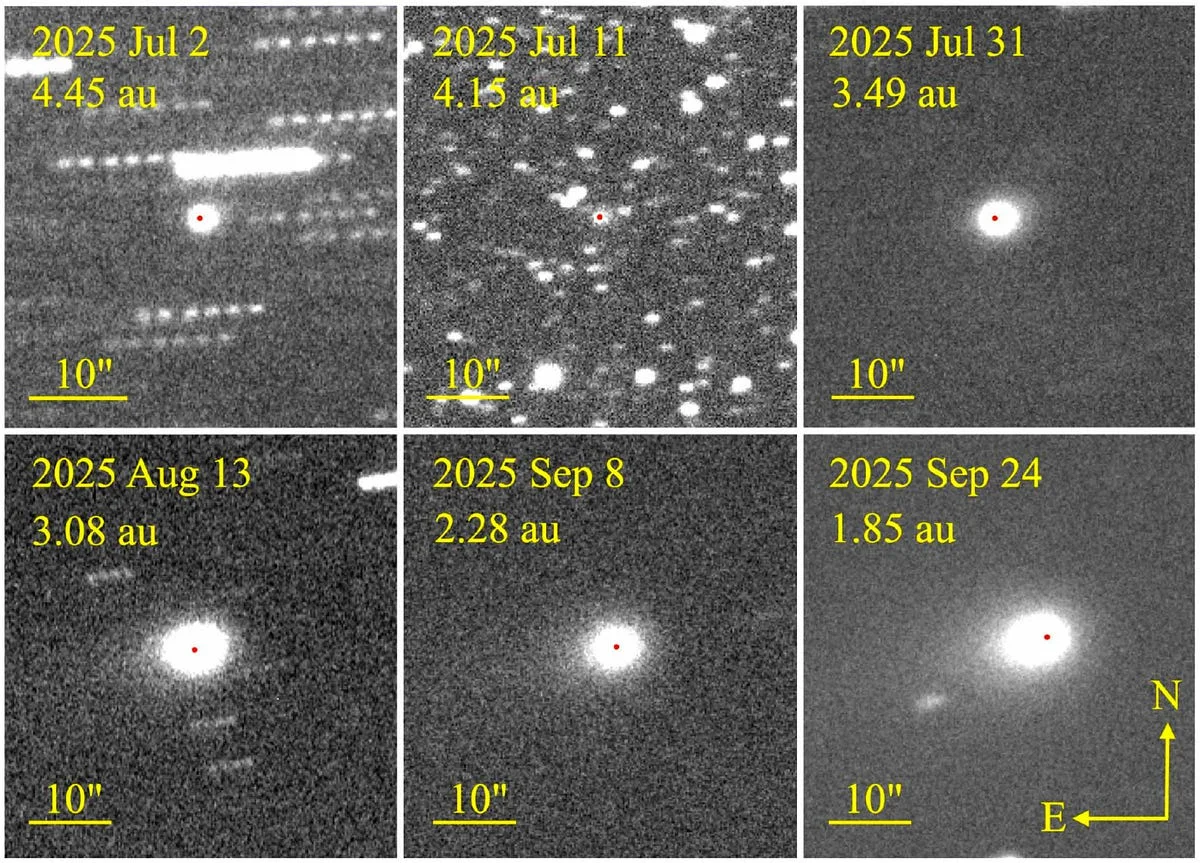
A new image of interstellar comet 3I/ATLAS shows it becoming more active with a longer tail as it approaches the Sun, providing insights into its composition and behavior, and highlighting its significance as only the third known interstellar comet.
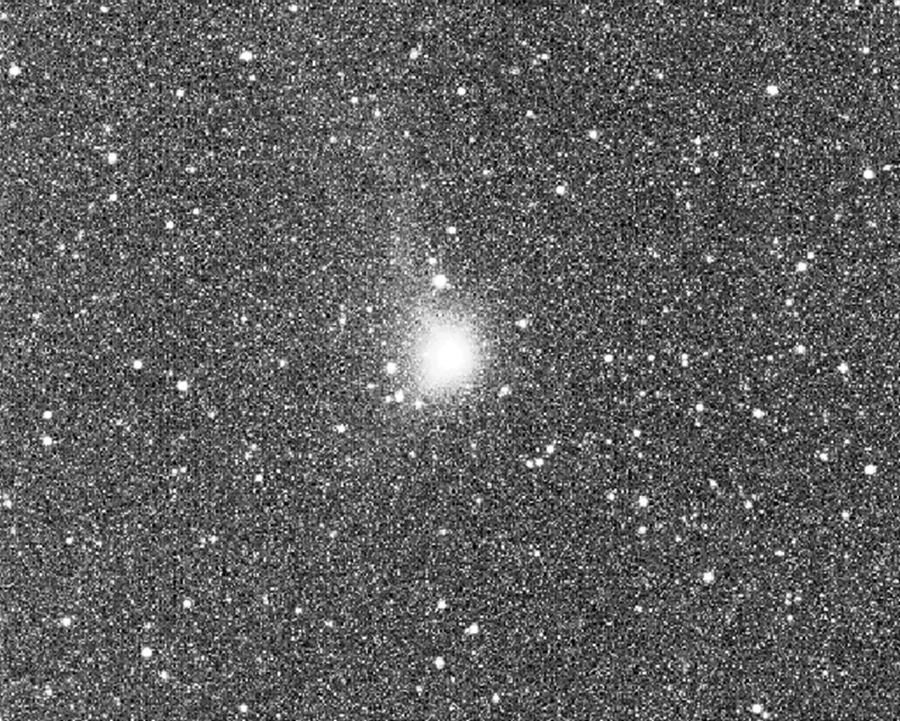
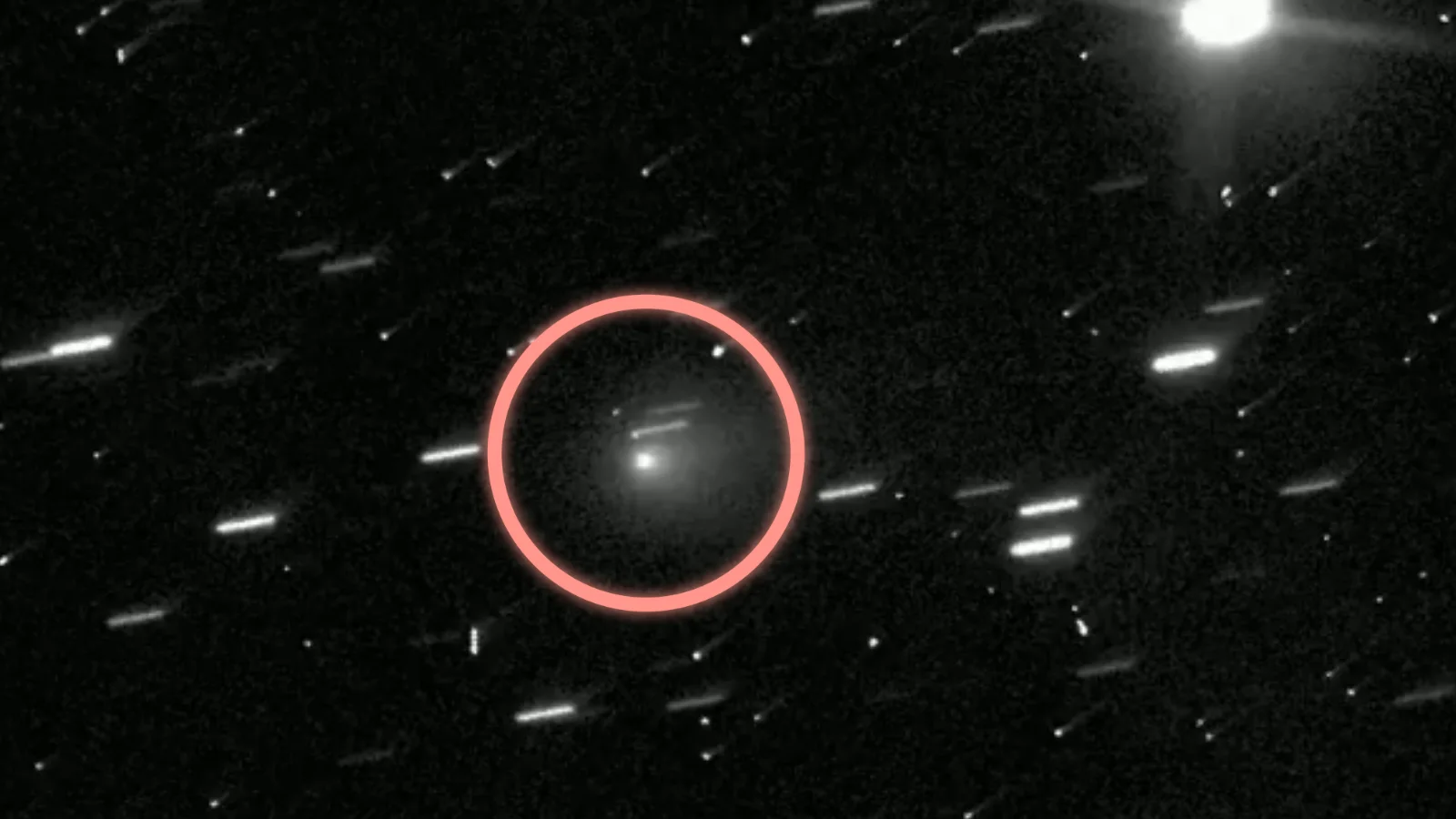
Astronomers using the Hubble Space Telescope observed interstellar object 3I/ATLAS, revealing its comet-like activity and estimating its size and mass loss rate, providing valuable insights into objects from outside our Solar System as it approaches the Sun.