Tag

Gravity Assist

All articles tagged with #gravity assist

science1 year ago

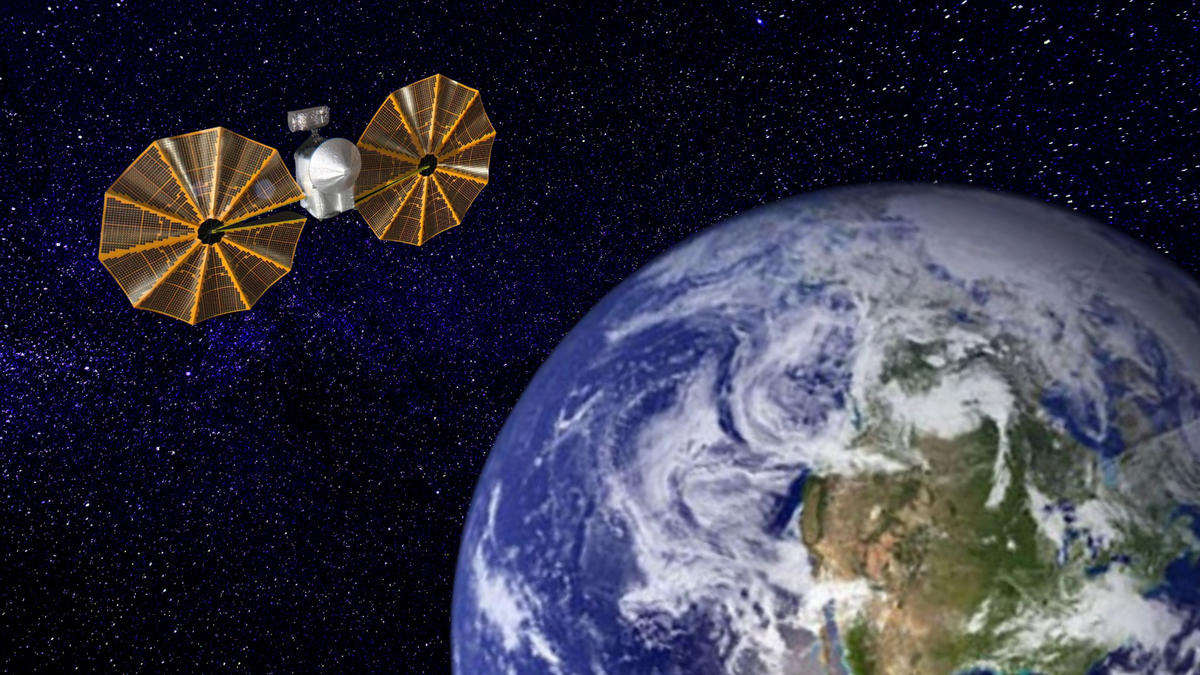
Watch NASA's Lucy Spacecraft Slingshot Past Earth Tonight

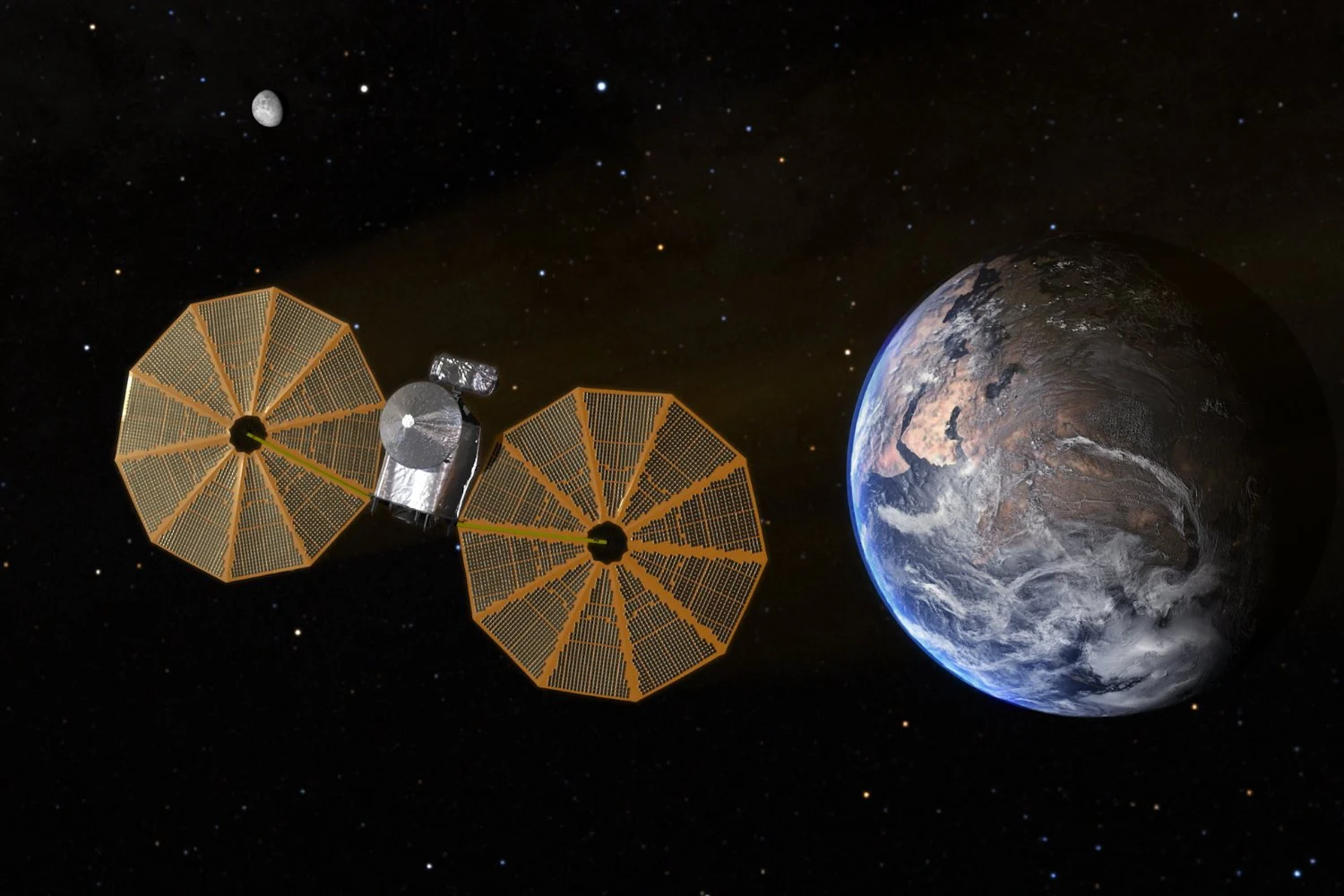
NASA's Lucy spacecraft will perform its second gravity assist around Earth tonight to gain speed for its 12-year mission to study the Trojan asteroids, which could provide insights into the solar system's origins. The flyby will occur at 11:15 p.m. Eastern Time, with Lucy traveling at over 33,000 mph. Observers in western Africa or eastern South America may catch a glimpse of the spacecraft, while a live feed will be available online. This maneuver will increase Lucy's speed by over 16,000 mph, setting it on course for its next encounter with the asteroid Donaldjohanson in 2025.
science-and-technology1 year ago

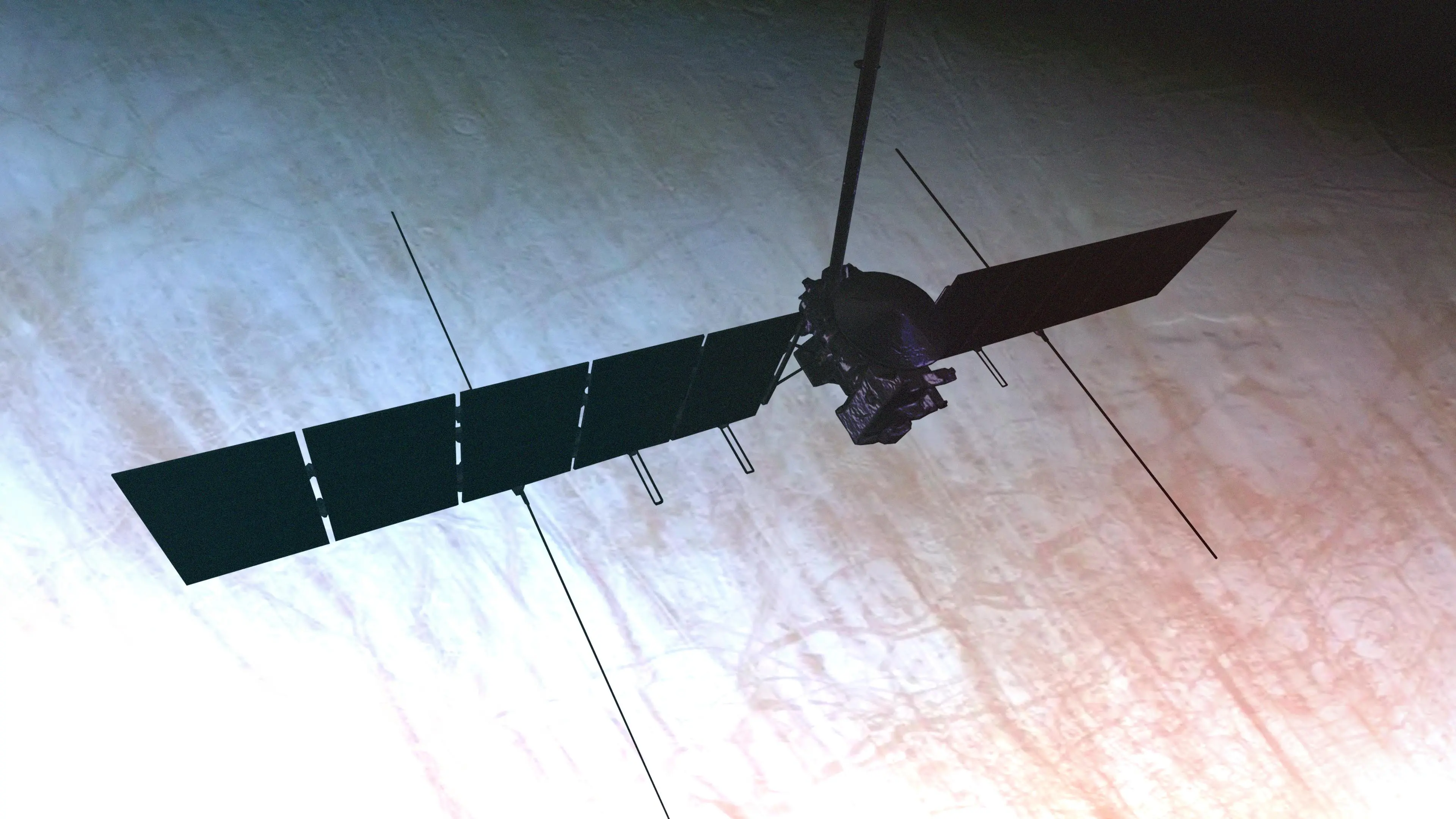
Exploring Jupiter's Icy Moon: Europa Clipper's Mission for Life

NASA's Europa Clipper spacecraft, launched on October 14, is on its way to Jupiter's moon Europa, currently 13 million miles from Earth. The spacecraft, which will reach Mars in three months for a gravity assist, has successfully deployed key instruments, including solar arrays and antennas. The mission aims to explore Europa's potential to harbor life by studying its icy shell, ocean, and geology. The spacecraft will perform a series of flybys starting in 2031, using its instruments to gather crucial data.

space1 year ago

"Lucy Probe Successfully Fires Main Engines in Space, Heads Back to Earth"

NASA's Lucy spacecraft, on a mission to investigate asteroids from the solar system's formation, has successfully completed a crucial engine burn to redirect its trajectory back toward Earth for a gravity assist in December 2024. This maneuver will propel Lucy toward the Trojan asteroids, making it the first spacecraft to visit these objects. With over half of its fuel expended, Lucy will receive a boost from Earth to reach the Trojans, following which it will continue to explore several asteroids, including double systems and moonlets, before concluding its prime mission in 2033.

science-and-astronomy2 years ago

"JUICE Probe Harnesses Earth and Moon's Gravity to Reach Jupiter"

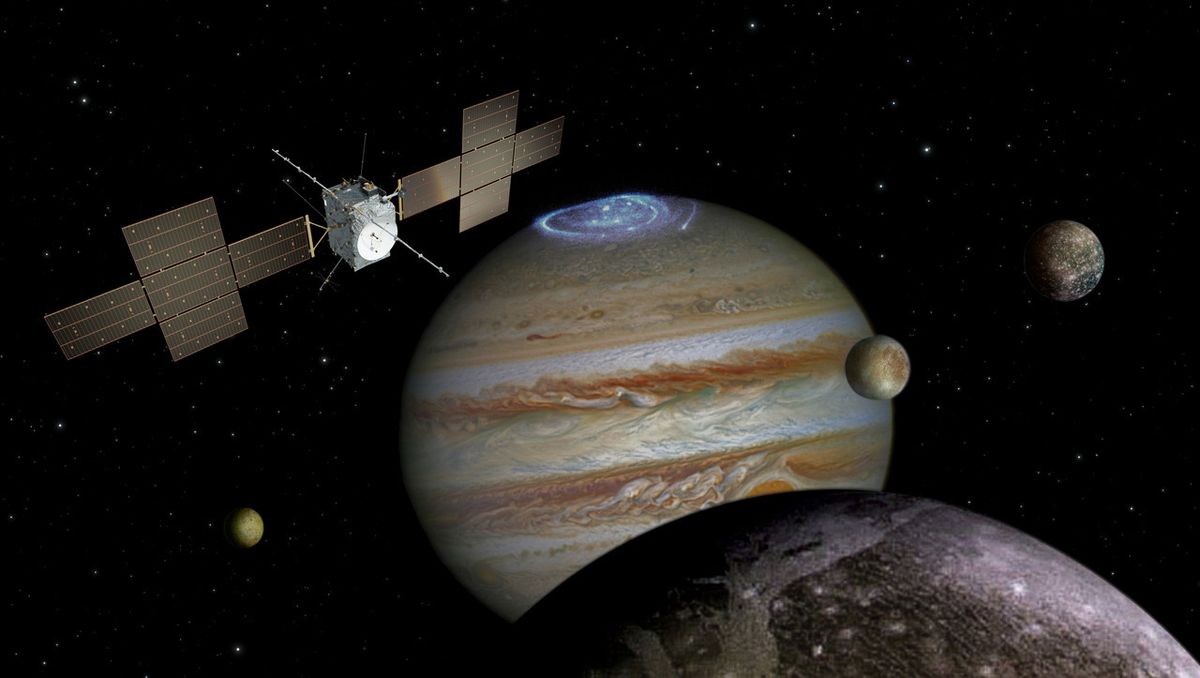
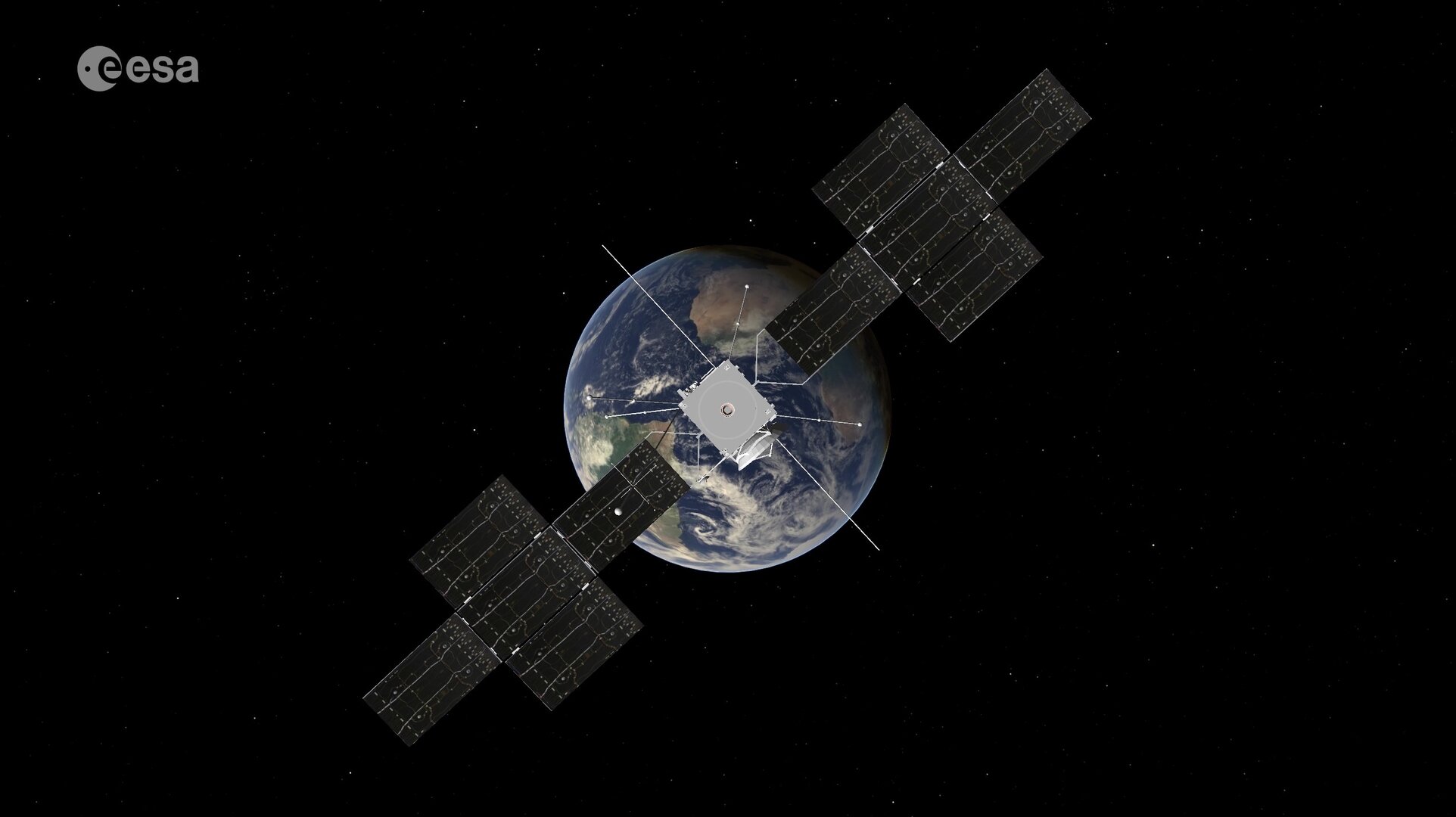
The European Space Agency's Jupiter Icy Moons Explorer (JUICE) spacecraft performed a 43-minute burn to position itself for an upcoming Earth-moon flyby, which will be the first-ever double gravity assist of the two celestial bodies. This maneuver used up 10% of the spacecraft's fuel, and it is part of a series of gravity assists that will slingshot JUICE towards Jupiter to study the planet and its icy moons. The burn was challenging as some aspects couldn't be tested in advance, but if successful, JUICE may not need to use its main engine again until it enters orbit around Jupiter in 2031.

space-exploration2 years ago

"Juice Embarks on Historic Earth-Moon Flyby Mission"

The European Space Agency's Juice spacecraft successfully completed a major maneuver, using almost 10% of its fuel reserve, to put itself on the correct trajectory for an Earth-Moon double gravity assist. This maneuver is the first part of a two-part process that could mark the final use of Juice's main engine until its arrival in the Jupiter system in 2031. The spacecraft will make flybys of Venus and Earth before reaching Jupiter, using gravity assists to gain energy and overcome the Sun's gravitational pull.

space-exploration2 years ago

The Juicy Delay: Unraveling the Mystery

The European Space Agency's Juice spacecraft is taking a long time to reach Jupiter due to various factors, including the amount of fuel used, the power of the rocket, the mass of the spacecraft, and the geometry of the planets. To conserve fuel and achieve the desired trajectory, the spacecraft takes a scenic route and utilizes gravity-assist maneuvers by flying close to Earth, the Earth-moon system, and Venus. Once it arrives at Jupiter in 2031, Juice will conduct a series of flybys of Jupiter's moons, including Ganymede, making it the first spacecraft to orbit a moon other than Earth's.

space-exploration2 years ago

"Delays and Challenges: Unraveling the Long Journey of ESA's Juice Mission"

The European Space Agency's Juice mission to Jupiter is taking a long time due to various factors, including the amount of fuel used, the power of the rocket, the mass of the spacecraft, and the geometry of the planets. To reach Jupiter, the spacecraft must take a scenic route and make use of gravity-assist maneuvers to pick up extra speed. Once at Jupiter, Juice will conduct flybys of its moons and become the first spacecraft to orbit a moon other than Earth's. The mission aims to study Jupiter's moons and gather insights into the formation of planets and moons in the universe.

science-and-exploration2 years ago

BepiColombo set for third Mercury flyby.

The BepiColombo mission is preparing for its third flyby of Mercury on June 19, which will help the spacecraft fight against the enormous gravitational pull of the Sun. The flyby will take place at an altitude of about 236 km and will be used to guide BepiColombo's path through the inner Solar System. The mission will enter a challenging part of its journey to Mercury after this flyby, gradually increasing the use of solar electric propulsion through additional propulsion periods called 'thrust arcs'. The flyby will provide a glimpse of the Mercury science expected during the main mission.

space2 years ago

The Time it Takes for Spacecraft to Reach Jupiter.

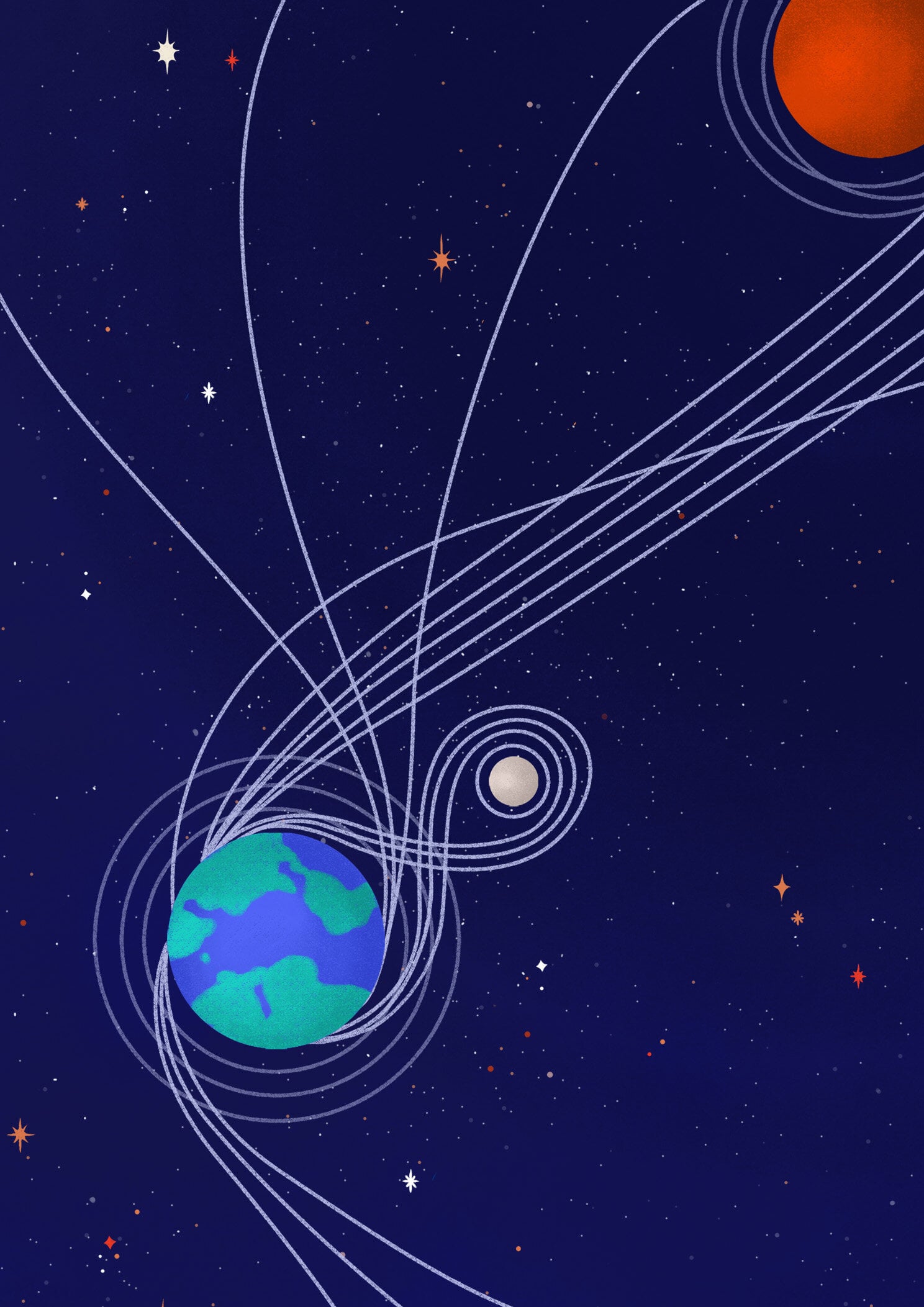
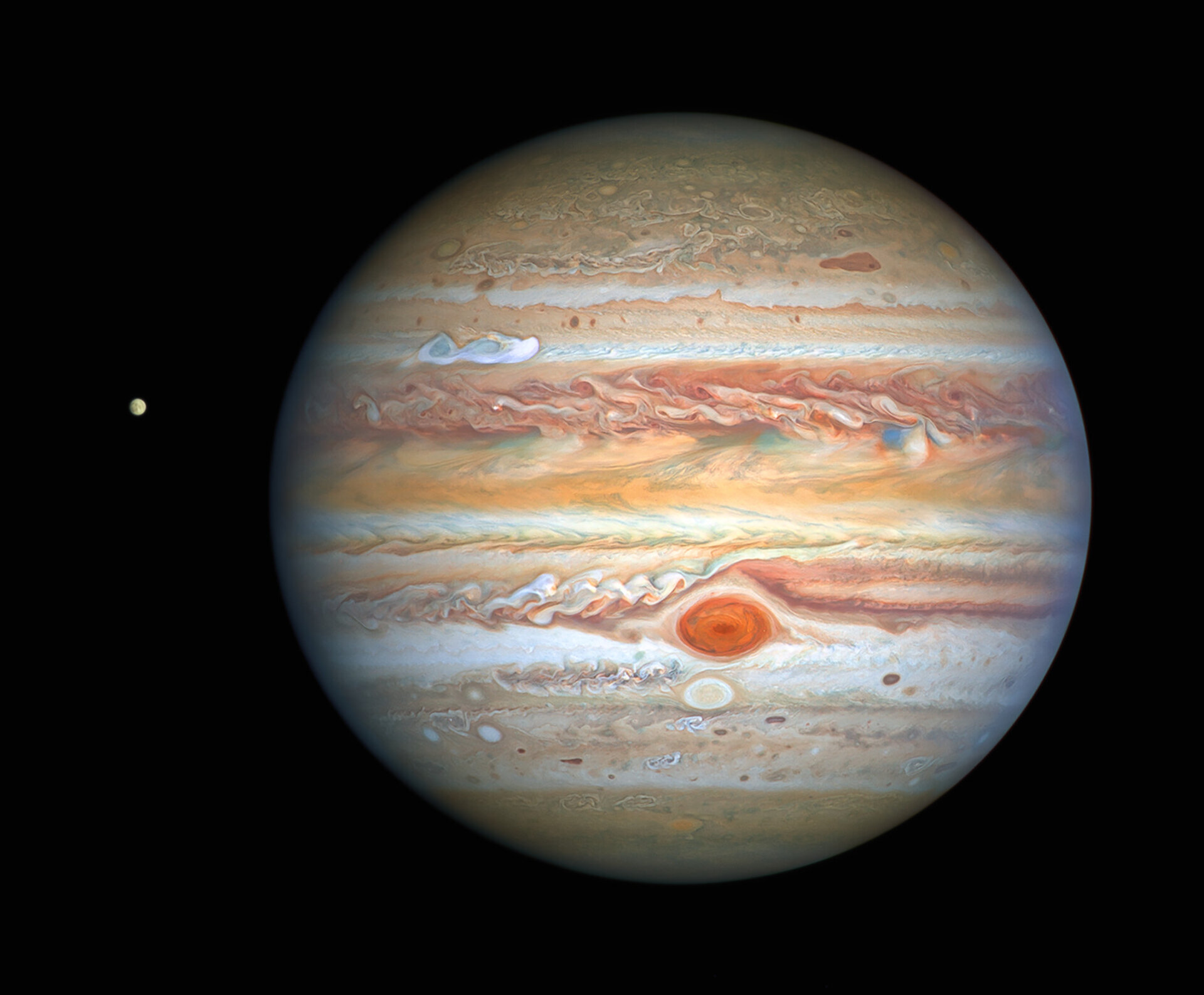
Spacecraft take longer to reach Jupiter if they need to enter into orbit around the planet, as they require a certain change in velocity (∆v) that cannot be provided by a rocket at launch. To steal this extra velocity, spacecraft use gravity assist maneuvers by flying past planets and stealing their orbital velocity. The European Space Agency's JUICE mission will reach Jupiter in 2031 after an 8-year journey, during which it will fly past Venus once and Earth three times to steal velocity. JUICE will become the first spacecraft to orbit a moon other than our own when it goes around Ganymede.

spaceflight2 years ago

ESA's JUICE mission faces tight 1-second launch window to study Jupiter's icy moons.

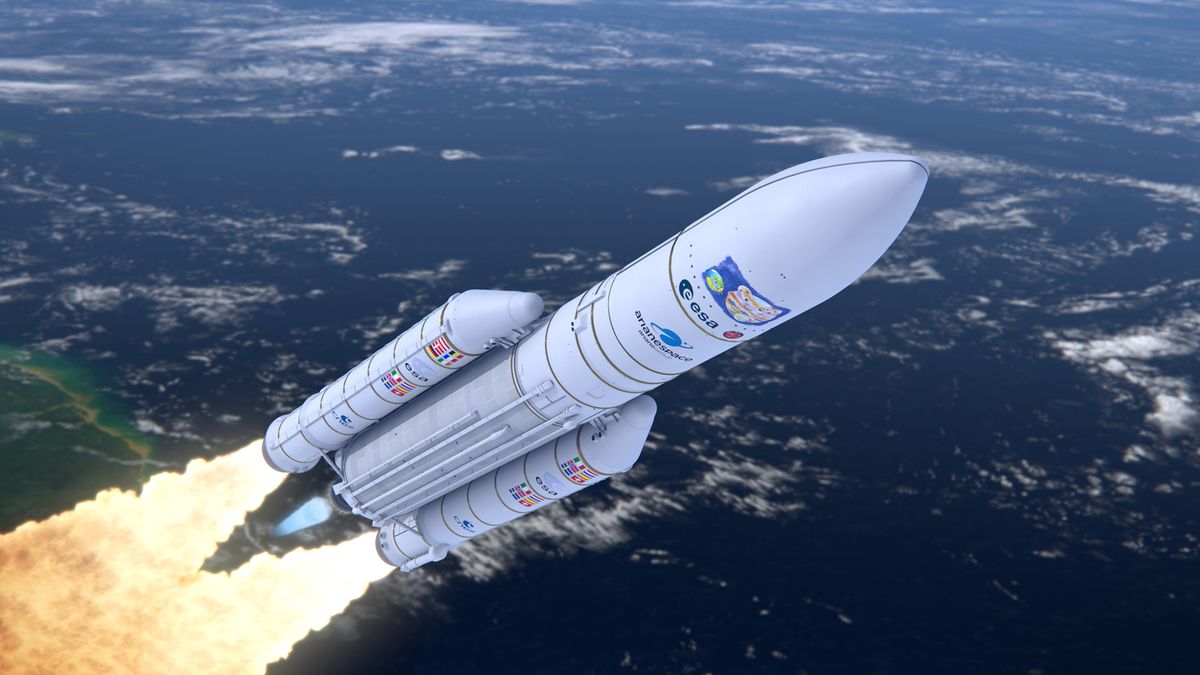
Europe's JUICE mission to Jupiter has only a one-second launch window each day until the end of April due to the spacecraft's long and winding route through the inner solar system, taking advantage of the gravity of the planets Venus and Earth, as well as Earth's moon, to reach its destination using the least fuel possible. The Ariane 5 rocket will launch JUICE directly into orbit around the sun, which will swing the spacecraft back by Earth in August 2024. If Ariane 5 misses all of its one-second launch windows in April, the planets will align for JUICE again later this summer.

science-and-astronomy2 years ago

JUICE spacecraft embarks on 8-year journey to explore Jupiter's icy moons.

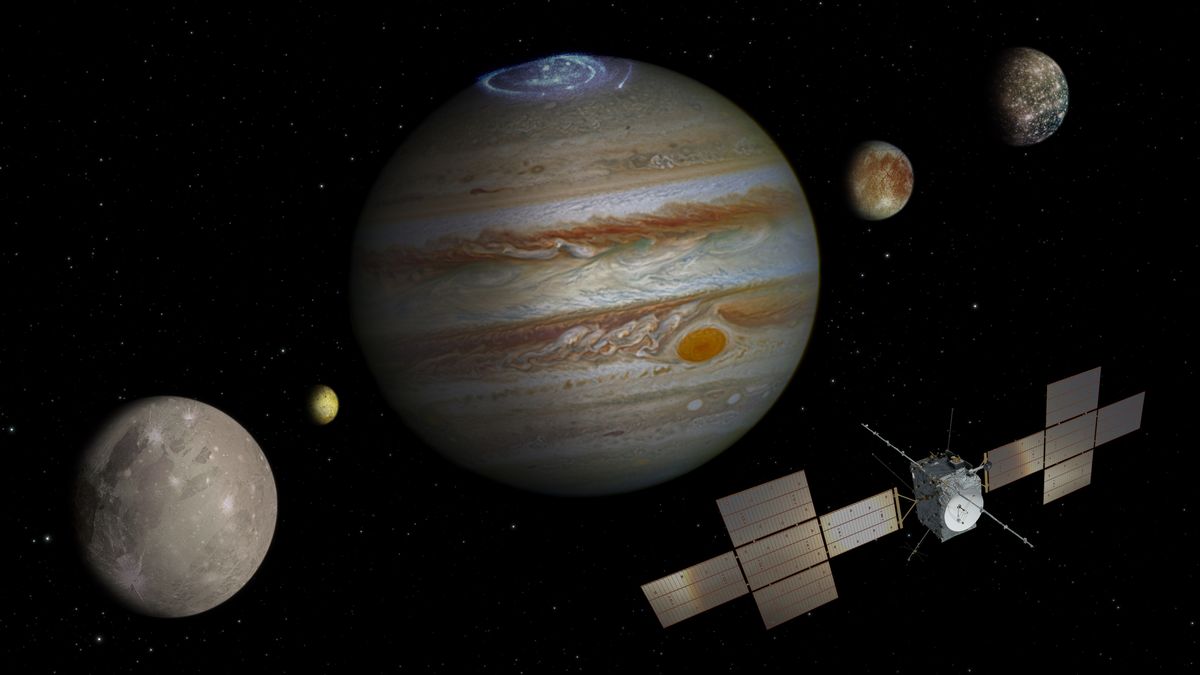
The Jupiter Icy Moons Explorer (JUICE) spacecraft will take eight years to reach Jupiter, arriving in July 2031. JUICE will make observations of Jupiter and three of its large ocean-bearing moons, characterizing the Jovian system in great detail. The travel time to Jupiter is dictated by whether a spacecraft will fly by the gas giant or insert into orbit for a relatively long-term mission. JUICE will employ a series of gravity assist maneuvers, starting one year after launch, taking moon and Earth gravity assists, both bodies at the same time to get the extra energy.