Tag

International Energy Agency

All articles tagged with #international energy agency

Oil Demand Peak: The Trump Administration's Resistance

Originally Published 4 months ago — by The New York Times

Featured image for Oil Demand Peak: The Trump Administration's Resistance
Source: The New York Times

The article discusses the US government's opposition to the International Energy Agency's forecasts that global oil demand may peak by the end of the decade, highlighting political tensions, differing energy outlooks, and the implications for future energy investments and climate policies.

"Record High Global Carbon Pollution Despite Surge in Renewables and Electric Vehicle Sales"

Originally Published 1 year ago — by CNN

Featured image for "Record High Global Carbon Pollution Despite Surge in Renewables and Electric Vehicle Sales"
Source: CNN

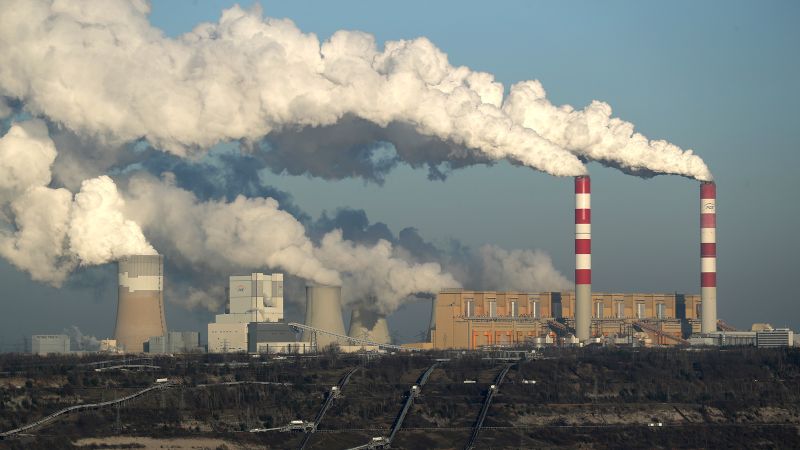
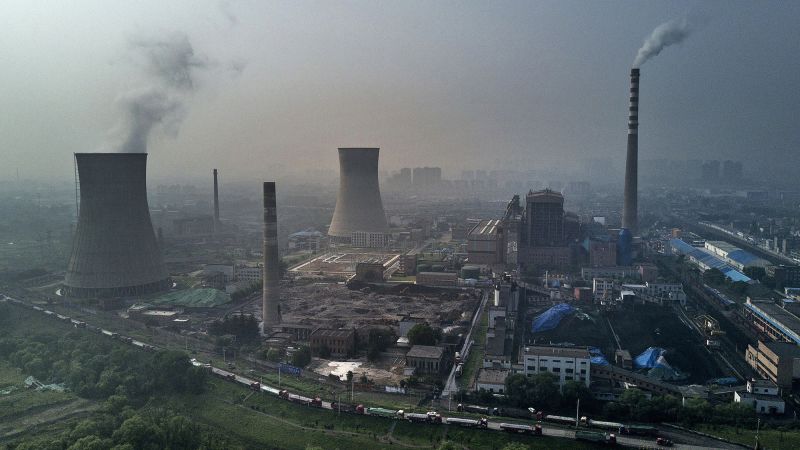
Global carbon pollution from energy hit a record high in 2023, driven by increased fossil fuel use in countries with low hydropower output due to droughts, according to an International Energy Agency report. Despite a surge in clean technology like wind, solar, and electric vehicles, global emissions rose by 1.1%, with China contributing around 60% of global additions of renewable energy and electric vehicles. Steep cuts in carbon emissions are needed to meet global climate goals, as energy-related emissions in the United States fell by 4.1% and in the European Union by almost 9%, while China's emissions rose by 5.2% due to post-COVID recovery.

"Surging US Oil Production Overwhelms OPEC and Reshapes Global Markets"

Originally Published 2 years ago — by Quartz

Featured image for "Surging US Oil Production Overwhelms OPEC and Reshapes Global Markets"
Source: Quartz

The United States has become the world's largest crude oil producer, surpassing OPEC's output and causing the cartel to cut supply in an attempt to stabilize falling prices. With record production in Brazil and Guyana, and the departure of OPEC member Algeria, OPEC's market share has dropped to its lowest level since 2016. The International Energy Agency warns that if OPEC tries to regain market share, it could lead to further price declines due to strong growth from non-OPEC producers.

"Global Renewables Set to Surpass Coal as Leading Electricity Source by 2025"

Originally Published 2 years ago — by TESLARATI

Featured image for "Global Renewables Set to Surpass Coal as Leading Electricity Source by 2025"
Source: TESLARATI

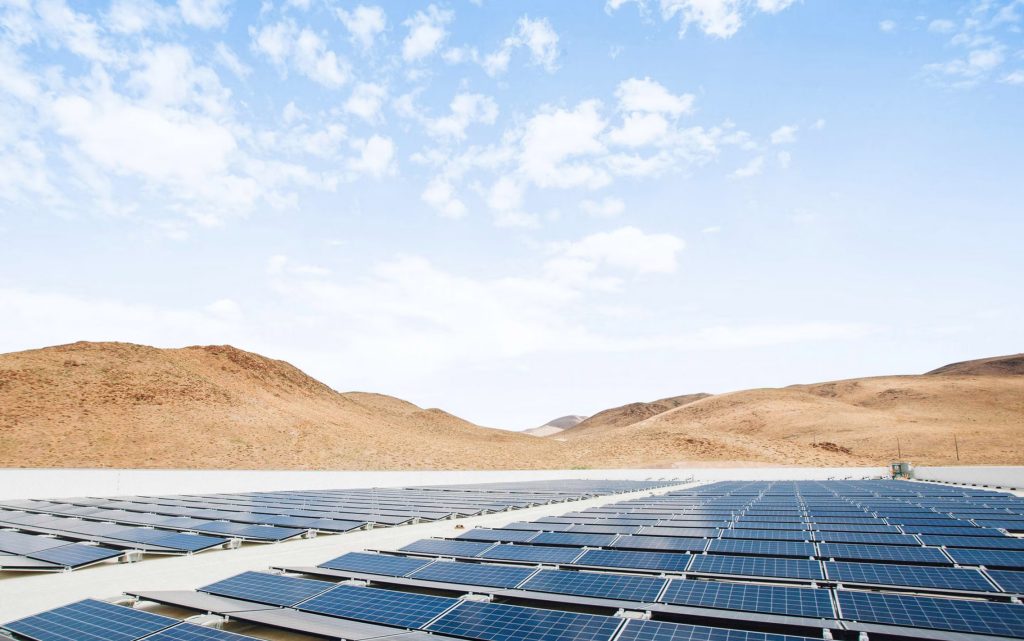
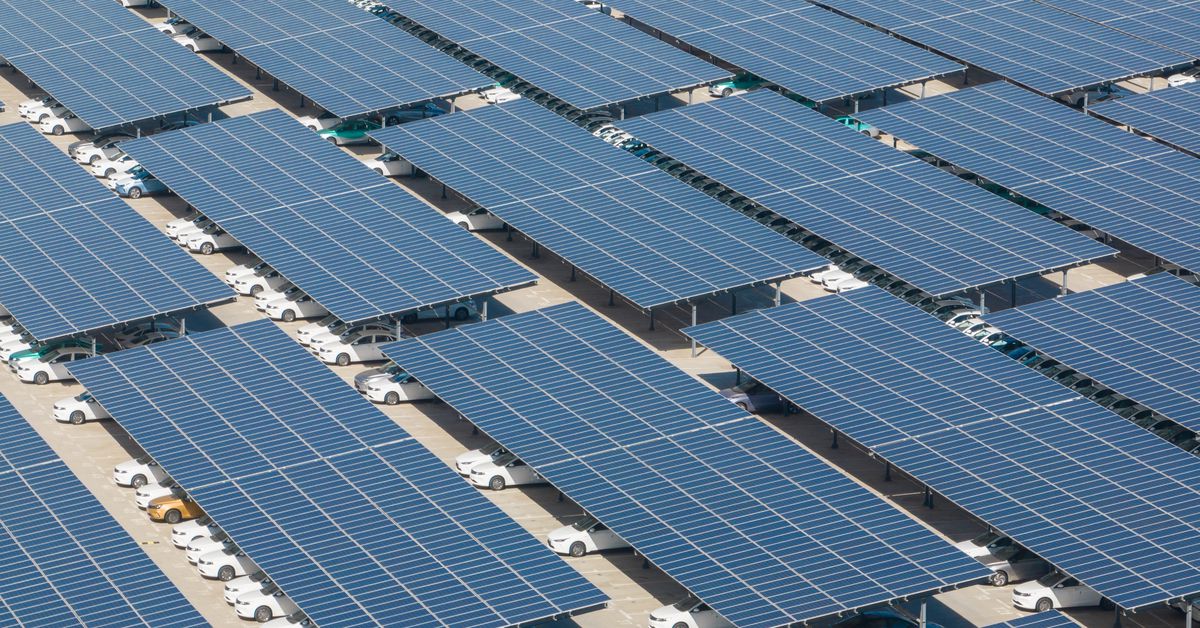
The International Energy Agency predicts that renewables will surpass coal as the world's largest electricity source by early 2025, with solar PV and wind accounting for 95% of the expansion. The agency's Renewables 2023 report highlights the rapid growth of global renewable power capacity and emphasizes the need for accelerated financing and deployment in emerging and developing economies to meet the COP28 goal of tripling capacity by 2030. The report also outlines key insights, including significant cost reductions in solar PV, substantial growth in China's solar PV and wind power, and expected doubling of solar PV and onshore wind projects in the U.S., EU, India, and Brazil by 2028.

Global Renewable Energy Capacity Surges, On Track to Triple by 2030

Originally Published 2 years ago — by The Guardian

Featured image for Global Renewable Energy Capacity Surges, On Track to Triple by 2030
Source: The Guardian

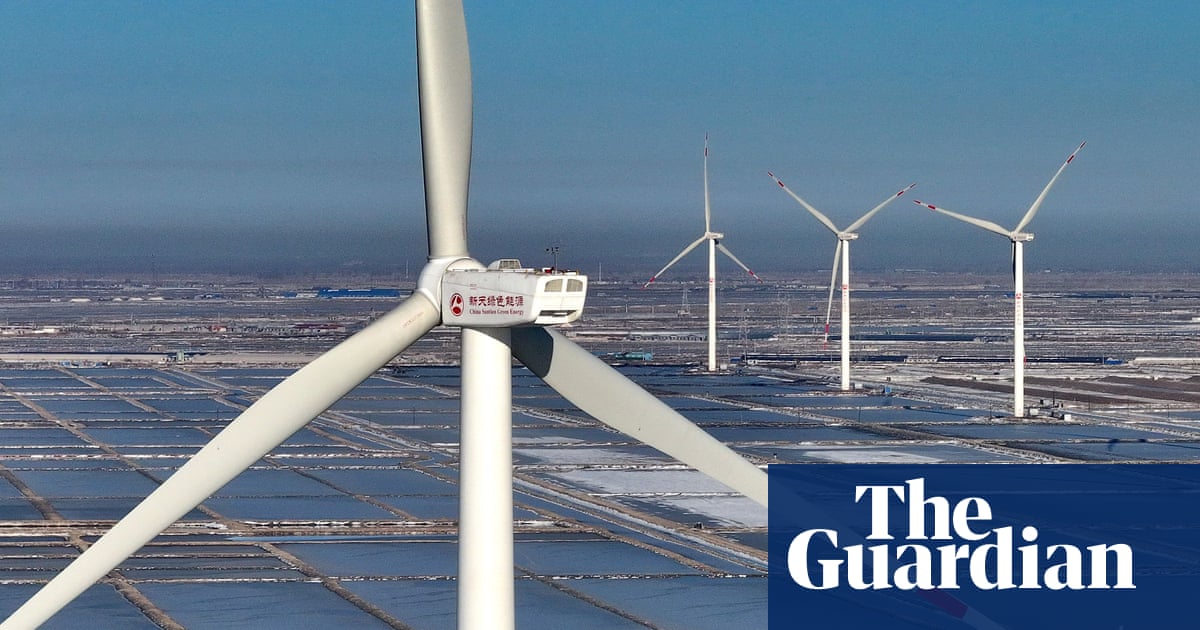
The International Energy Agency reported that global renewable energy capacity grew by 50% in 2023, with solar power accounting for three-quarters of the new capacity. This growth puts the world on track to meet the pledge to triple renewable energy capacity by 2030, potentially reducing reliance on fossil fuels. Record growth rates across various countries are expected to lead to renewables overtaking coal as the largest source of global electricity generation by early 2025. However, challenges remain in financing and deploying renewables in emerging and developing economies to meet the tripling goal.

"US Oil Production Surpasses OPEC, Crushing Market Share"

Originally Published 2 years ago — by Markets Insider

Featured image for "US Oil Production Surpasses OPEC, Crushing Market Share"
Source: Markets Insider

The International Energy Agency (IEA) reported that OPEC's market share of the oil market has dropped to its lowest level since 2016, standing at 51%. This decline is attributed to record-breaking oil production from the United States, Brazil, and Guyana. The IEA also noted a sharp slowdown in global oil demand amid economic turmoil. OPEC+ members have responded by announcing extensive production cuts to prevent an inventory build-up, while the US is expected to increase its oil supply by 1.4 million barrels per day. The IEA predicts a slowdown in crude demand and lowered its forecast for global oil demand growth in 2023.

Insufficient COP28 Pledges Won't Limit Global Warming to 1.5C, Warns IEA

Originally Published 2 years ago — by CNN

Featured image for Insufficient COP28 Pledges Won't Limit Global Warming to 1.5C, Warns IEA
Source: CNN

Pledges made by countries at the UN-backed climate talks in Dubai are not enough to limit global warming to the crucial 1.5-degree threshold, according to an analysis by the International Energy Agency (IEA). The commitments would only reduce greenhouse gas emissions by one-third of what is needed to cap global warming at 1.5 degrees Celsius. The IEA called for more countries and companies to join the pledges and emphasized the need for an orderly and just decline in global fossil fuel use. Negotiations at COP28 are discussing an agreement that could call for the phase-out of fossil fuels for the first time, but there are divisions over the issue.

The Unstoppable Clean Energy Transition: Oil, Gas, and Coal Demand to Peak by 2030

Originally Published 2 years ago — by The Verge

Featured image for The Unstoppable Clean Energy Transition: Oil, Gas, and Coal Demand to Peak by 2030
Source: The Verge

The International Energy Agency (IEA) predicts that by 2030, transportation and electricity worldwide will be significantly greener, with a tenfold increase in electric vehicles on the road and renewables accounting for half of the global electricity mix. The IEA's World Energy Outlook highlights the unstoppable transition to clean energy, driven by the decreasing cost of renewables. However, to meet climate goals, the IEA emphasizes the need to triple renewable energy capacity globally and triple investments in clean energy in developing economies. Despite progress, the world is still on track for around 2.4 degrees Celsius of global warming this century, and a potential glut in fossil gas supplies could hinder climate goals. World leaders will convene in Dubai in December for a United Nations climate summit to discuss a global deal to phase out fossil fuels.

"IEA Predicts Global Fossil Fuel Demand to Peak by 2030 as Unstoppable Shift to Clean Energy Takes Hold"

Originally Published 2 years ago — by Forbes

Featured image for "IEA Predicts Global Fossil Fuel Demand to Peak by 2030 as Unstoppable Shift to Clean Energy Takes Hold"
Source: Forbes

The International Energy Agency (IEA) predicts that global demand for fossil fuels will peak by 2030 as the world shifts towards clean energy sources. The IEA forecasts that global oil use will peak at around 102 million barrels a day by the end of the decade, falling to 97 million barrels a day by 2050 due to the adoption of electric vehicles. The agency also expects a significant increase in the number of electric cars on the roads by 2030 and a rise in renewable energy sources, which could account for nearly half of the world's energy supply. The IEA urges governments, companies, and investors to support clean energy transitions and increase investments in clean energy systems. However, the fossil fuel industry disputes the IEA's forecasts and argues for continued investment in the sector.

OPEC Forecasts Surging Oil Demand and Urgent Investment Needs

Originally Published 2 years ago — by OilPrice.com

Featured image for OPEC Forecasts Surging Oil Demand and Urgent Investment Needs
Source: OilPrice.com

OPEC has increased its long-term oil demand forecast to 116 million barrels per day (bpd) in 2045, a 6 million bpd increase from last year. The organization expects global oil demand to rise by 16 million bpd between 2022 and 2045. This contrasts with the International Energy Agency's prediction that demand will peak in the coming decade. OPEC attributes the higher forecast to the continued growth of global energy consumption and the need for all forms of energy. India is expected to be the main driver of growth, adding 6.6 million bpd to oil demand by 2045.

IEA: Cash, Politics, and Green Growth - The Route to Net Zero

Originally Published 2 years ago — by Reuters

Featured image for IEA: Cash, Politics, and Green Growth - The Route to Net Zero
Source: Reuters

The International Energy Agency (IEA) stated that it is still possible to limit global warming to 1.5 degrees Celsius with the record growth in clean energy technology. However, the world needs to invest nearly $4.5 trillion per year in the transition to cleaner energy from the next decade, compared to the expected spending of $1.8 trillion in 2023. The IEA emphasized the need for a tripling of global renewable capacity, a doubling of energy efficient infrastructure, and increased adoption of heat pumps and electric vehicles by 2030. The agency also called for a 75% reduction in energy sector methane emissions by 2030. The IEA stressed the importance of separating climate from geopolitics and urged governments to prioritize climate action.

Global Oil Demand Set to Peak Before 2030, Says IEA

Originally Published 2 years ago — by OilPrice.com

Featured image for Global Oil Demand Set to Peak Before 2030, Says IEA
Source: OilPrice.com

The International Energy Agency (IEA) predicts that global demand for coal, natural gas, and oil will peak in the near future, even without new climate policies. The shift towards renewable energy and electric vehicles is driving the decline in demand growth. The IEA's research, to be released in October, suggests that all three fossil fuels will reach their peak demand within the next few years. Factors contributing to this forecast include the increasing use of wind and solar energy, as well as the rise of electric vehicles. The IEA also predicts a peak demand moment for natural gas due to renewables outmatching gas for electricity production and Europe's shift away from gas following Russia's invasion of Ukraine.

"Energy Boss Warns of Potential Winter Price Spike and Reveals Ambition for Britain's Hydrogen Leadership"

Originally Published 2 years ago — by BBC

Featured image for "Energy Boss Warns of Potential Winter Price Spike and Reveals Ambition for Britain's Hydrogen Leadership"
Source: BBC

The head of the International Energy Agency, Fatih Birol, has warned that energy prices could rise this winter, potentially leading governments to subsidize bills once again. Factors such as a strengthening Chinese economy and a harsh winter could contribute to a spike in gas prices, putting pressure on consumers. Birol emphasized the need for governments to promote energy-saving measures and accelerate the adoption of renewable technologies. While the UK government spokesperson stated that energy bills are expected to decrease this month, Birol cautioned that another spike in gas prices cannot be ruled out. He also highlighted the importance of reducing reliance on oil and gas to combat climate change.

Russia Fails to Meet Promised Oil Production Cuts, China Becomes Top Importer

Originally Published 2 years ago — by OilPrice.com

Featured image for Russia Fails to Meet Promised Oil Production Cuts, China Becomes Top Importer
Source: OilPrice.com

Russia has failed to cut its oil production by 500,000 bpd as promised and may even be looking to boost output to compensate for lost revenues, according to the International Energy Agency. Russian crude oil and oil product exports hit 8.3 million bpd in April, the highest level since the invasion of Ukraine, despite expectations that Russia would lower supply to the market. Russian oil export revenues increased by $1.7 billion month-on-month to $15 billion in April, but they were down by 27% compared to a year ago.

IEA warns of imminent oil supply shortage and demand growth.

Originally Published 2 years ago — by OilPrice.com

Featured image for IEA warns of imminent oil supply shortage and demand growth.
Source: OilPrice.com

The International Energy Agency (IEA) has said that the current bearish sentiment in the oil market does not take into account the tightening oil markets. The IEA sees oil demand exceeding supply by almost 2 million barrels per day in the second half of the year. The decline in oil prices over the past few weeks contrasts with an expected tightening of the market later this year when demand exceeds supply by nearly 2 million barrels per day. Global oil supply has been lower in recent weeks due to outages in Iraq, Nigeria, and Brazil, and supply losses are set to increase in May with wildfires shutting in part of Canada’s production and OPEC+ producers starting to implement the latest cuts.