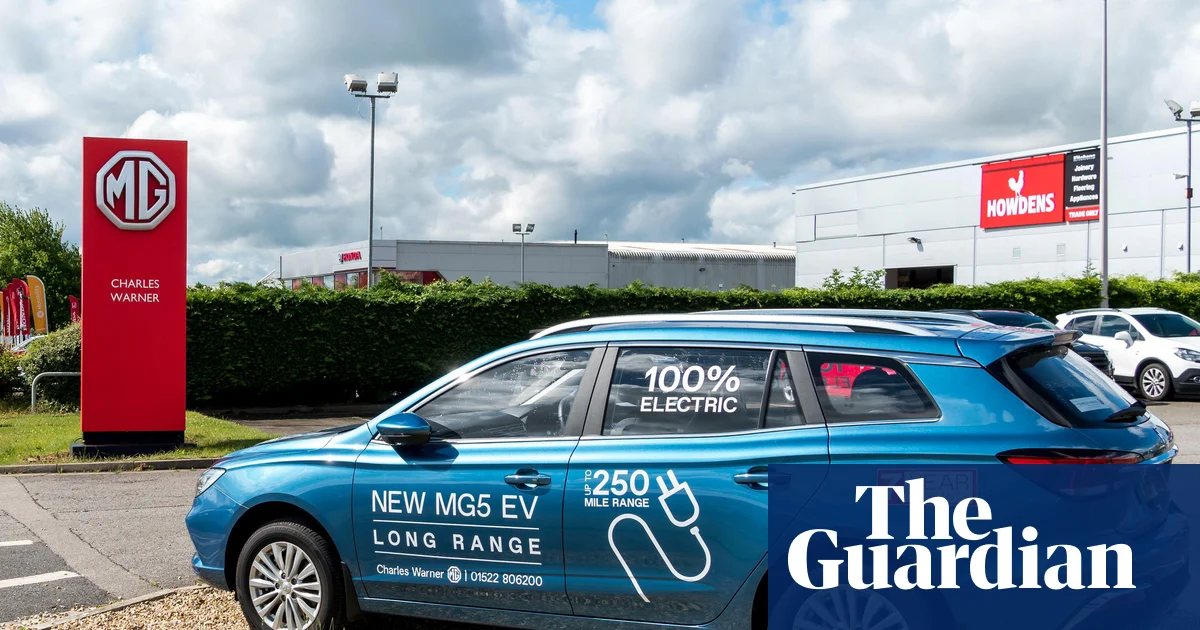
UK car sales exceeded 2 million in 2025, driven by a surge in Chinese brands like MG, BYD, and Chery, which nearly doubled their market share, alongside record electric vehicle sales that contributed to lower emissions. Despite economic challenges and regulatory pressures, the market shows resilience, with Chinese manufacturers gaining prominence and European brands facing declines. The industry calls for earlier review of electric vehicle mandates amid ongoing policy debates.
In 2025, Chinese automaker BYD surpassed Tesla to become the world's top electric vehicle seller, with BYD selling 2.26 million EVs compared to Tesla's 1.64 million, amid Tesla's declining sales and increased competition in the global EV market.
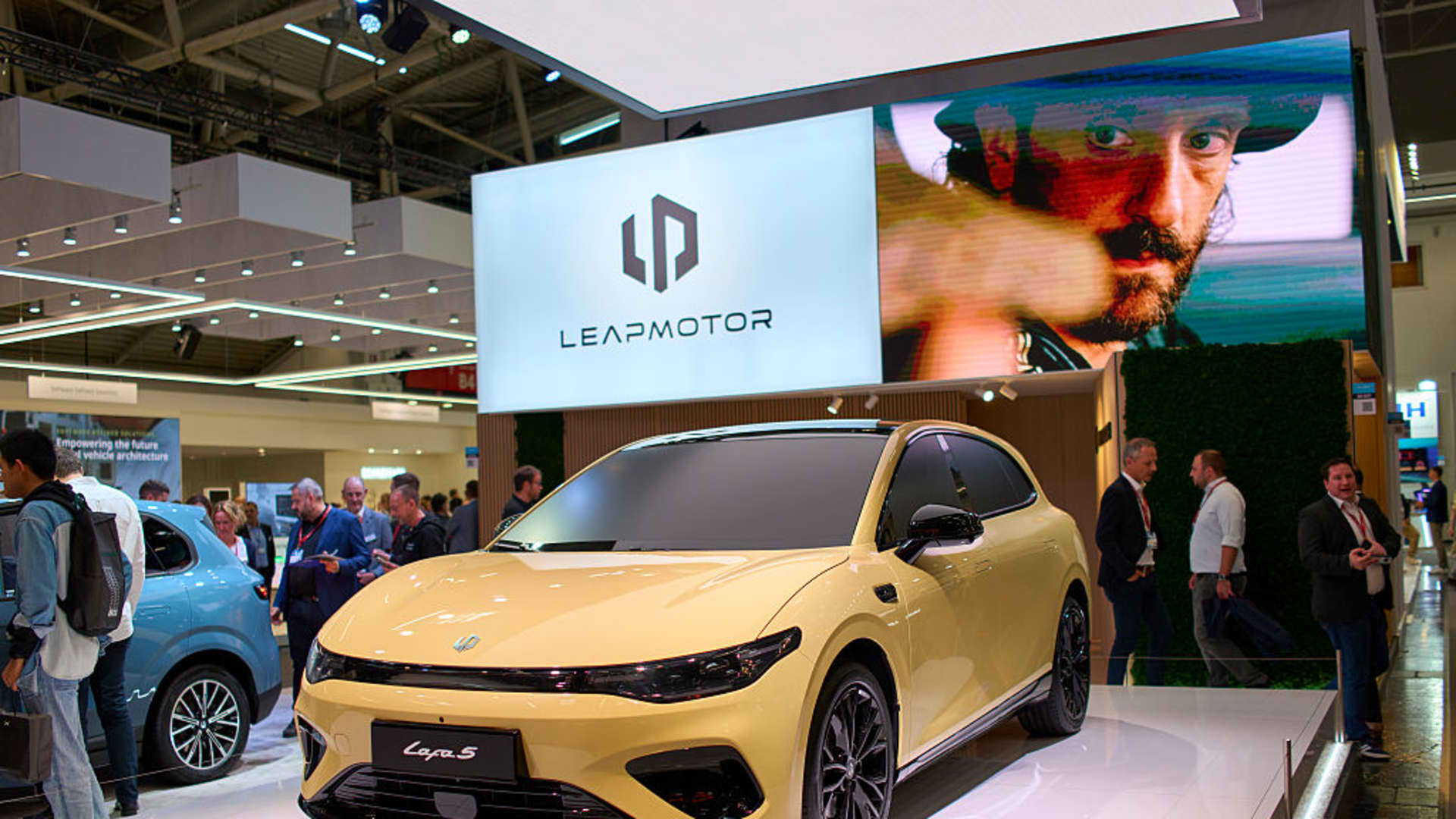
BYD's December EV deliveries in China declined sharply from the previous month amid a volatile market and weak domestic demand, but the company still led overall sales in 2025 with over 4.54 million vehicles, despite a 16% reduction in its sales target. The year saw strong growth for affordable EV startups like Leapmotor, Xpeng, and Nio, while Li Auto experienced a decline, and Huawei-backed brands showed momentum with significant delivery increases.
Samsung Electronics' customers have praised the competitiveness of its next-generation HBM4 chips, with the company aiming to catch up with rivals like SK Hynix in AI chip markets, while also expanding its foundry business through major deals such as with Tesla. Despite positive market performance and record highs, Samsung faces challenges from rising component costs and global trade risks as it seeks to maintain its competitive edge.
The action camera market, once dominated by GoPro, is now largely controlled by Chinese companies DJI and Insta360, which hold nearly 90% of the market share in Japan. GoPro's decline is attributed to its failed drone venture and slower innovation compared to its Chinese rivals, who continue to invest heavily in new technology. Despite this, the overall market is growing rapidly, offering potential for GoPro to rebound with new products in the future.
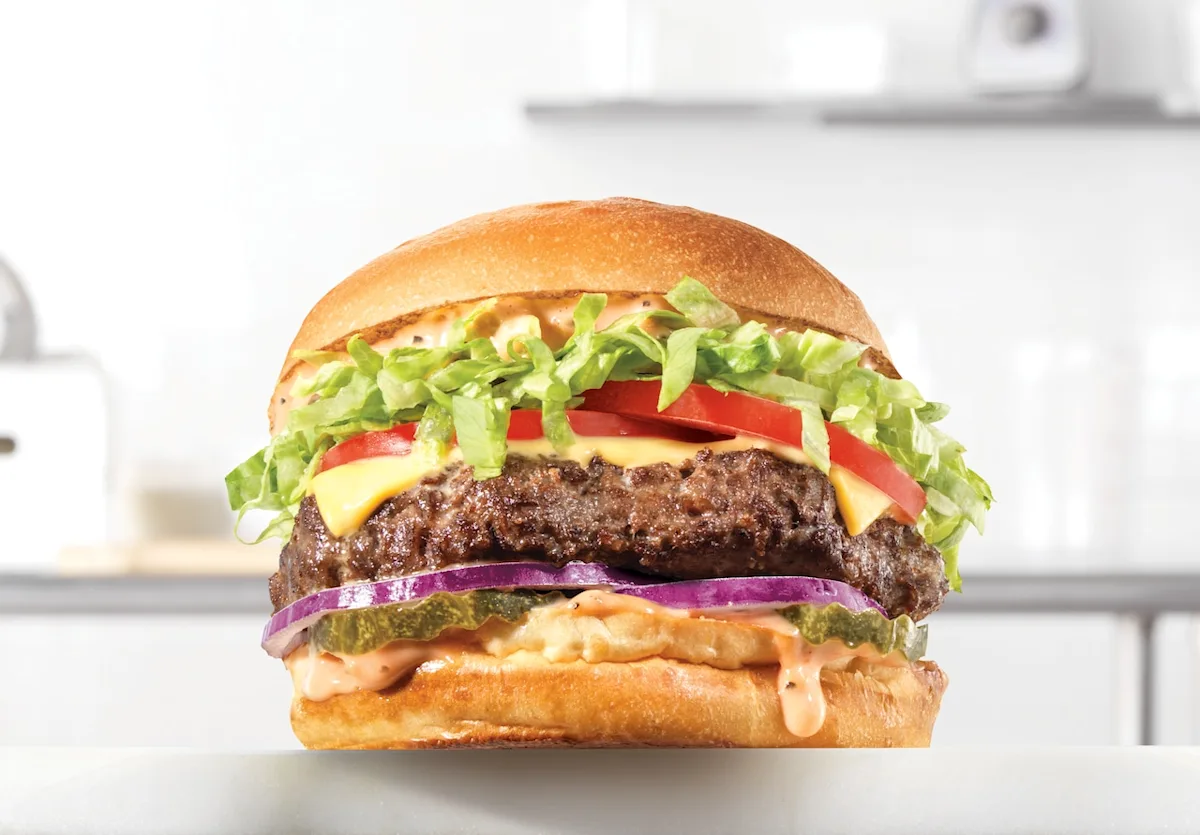
Arby's, a longstanding fast-food chain known for roast beef sandwiches, has quietly closed over a dozen locations across the U.S. in 2025 due to a 6.3% decline in sales caused by rising costs and lower consumer spending, despite its significant market share and high sales figures.
Indian quick-commerce company Zepto has confidentially filed for an IPO, positioning itself among India's highly anticipated listings in 2024 amid fierce market competition and a growing demand for rapid delivery services.
OLED monitor shipments are rapidly increasing, driven by high-end gaming demand and broader use cases, with Asus overtaking Samsung as the leading brand in 2025 due to diversified product offerings and innovation, while Samsung maintains a strong position with stable shipments and strategic model launches.
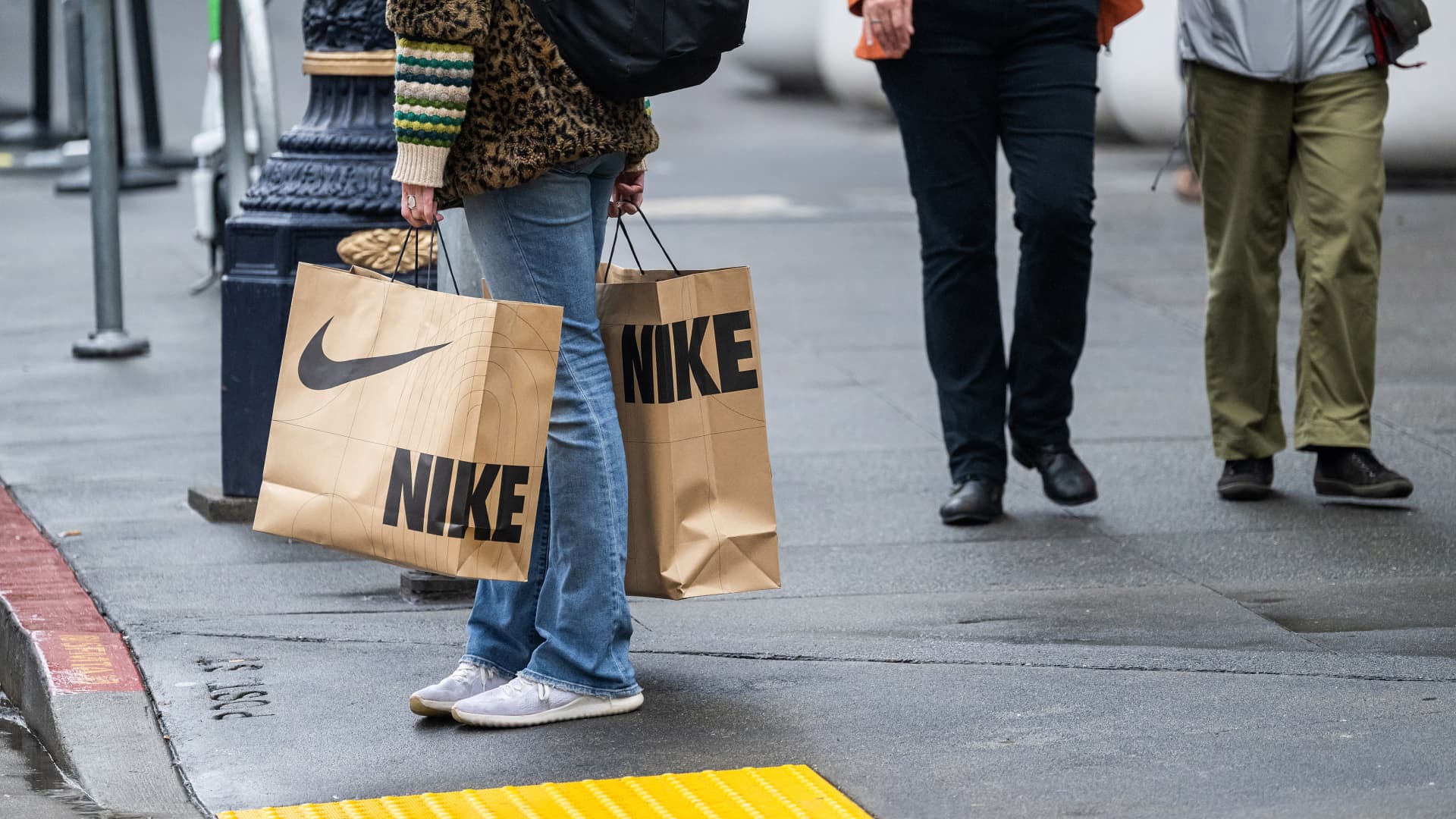
Nike's quarterly earnings exceeded estimates due to strong North American sales, but its stock fell 10% after reporting a 17% decline in China sales and impacts from tariffs, with overall revenue growth offset by challenges in China and increased costs.
DoorDash, led by CEO Tony Xu, has become an $85 billion leader in the food delivery industry through meticulous execution, strategic suburban expansion, and continuous innovation, surpassing competitors like Uber Eats and Grubhub, and expanding into new verticals such as grocery and retail delivery, while emphasizing detailed operational excellence and long-term growth strategies.
Yum! Brands is considering selling its struggling Pizza Hut chain due to declining US sales and increased competition, with the company exploring strategic options to improve the brand's value amid broader industry challenges and cautious consumer spending.
Starbucks plans to sell control of its China operations to Boyu Capital in a deal valued at $4 billion, aiming to expand from 8,000 to over 20,000 stores and regain market share lost to local competitors like Luckin, with Boyu holding up to 60% of a new joint venture to support growth and efficiency.
Sigma, a leading optics manufacturer, is not available on Nikon Z-mount due to undisclosed reasons, which appears to be a decision by Nikon rather than Sigma. This exclusion is notable as other third-party brands like Viltrox are actively producing affordable, autofocus full-frame lenses for Z-mount, highlighting a possible strategic move by Nikon to limit Sigma's market access and protect its own market share. The situation has caused frustration among photographers and industry insiders, raising questions about Nikon's motives and the future of third-party lens compatibility on Z-mount.
OPEC+ has decided to pause oil output increases in the first quarter of 2026 and only slightly raise December output, amid fears of a supply glut and challenges from Western sanctions on Russia, with the group aiming to protect prices and manage market stability.
Netflix announced a 10-for-1 stock split, which will increase the number of shares owned by traders without changing the company's overall value, as its stock has surged 270% over three years due to increased market share.