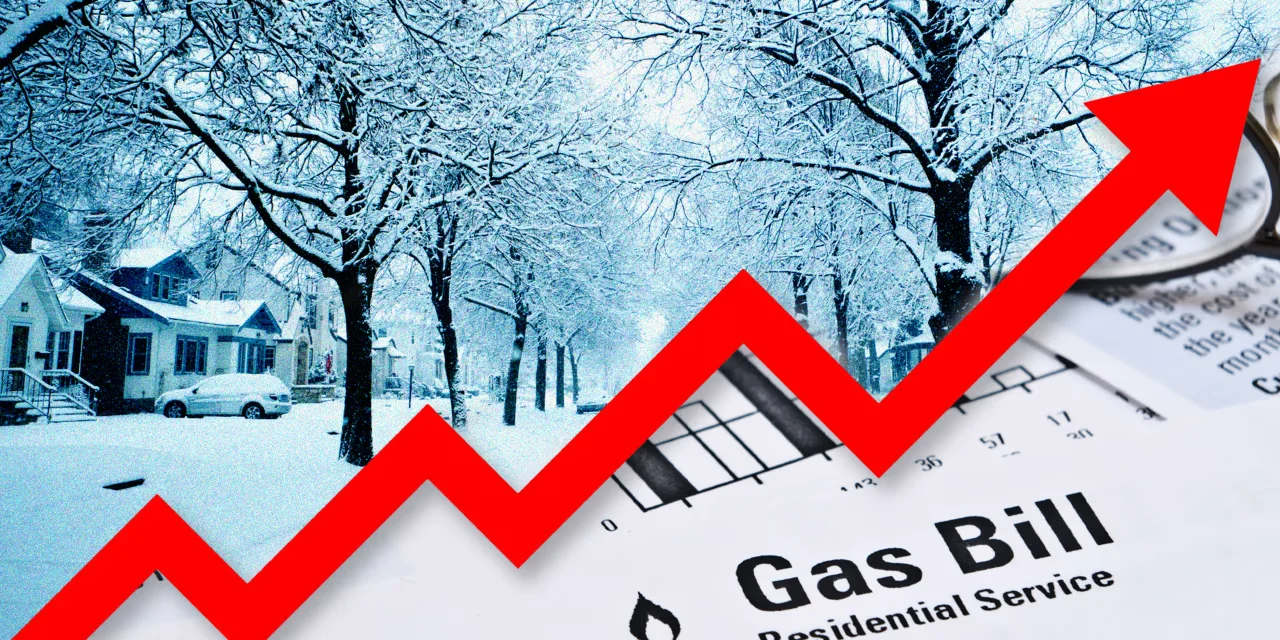
Many American families are struggling with soaring energy prices, leading to increased utility debt, shut-offs, and financial hardship, amid broader debates over energy policy and infrastructure investments.
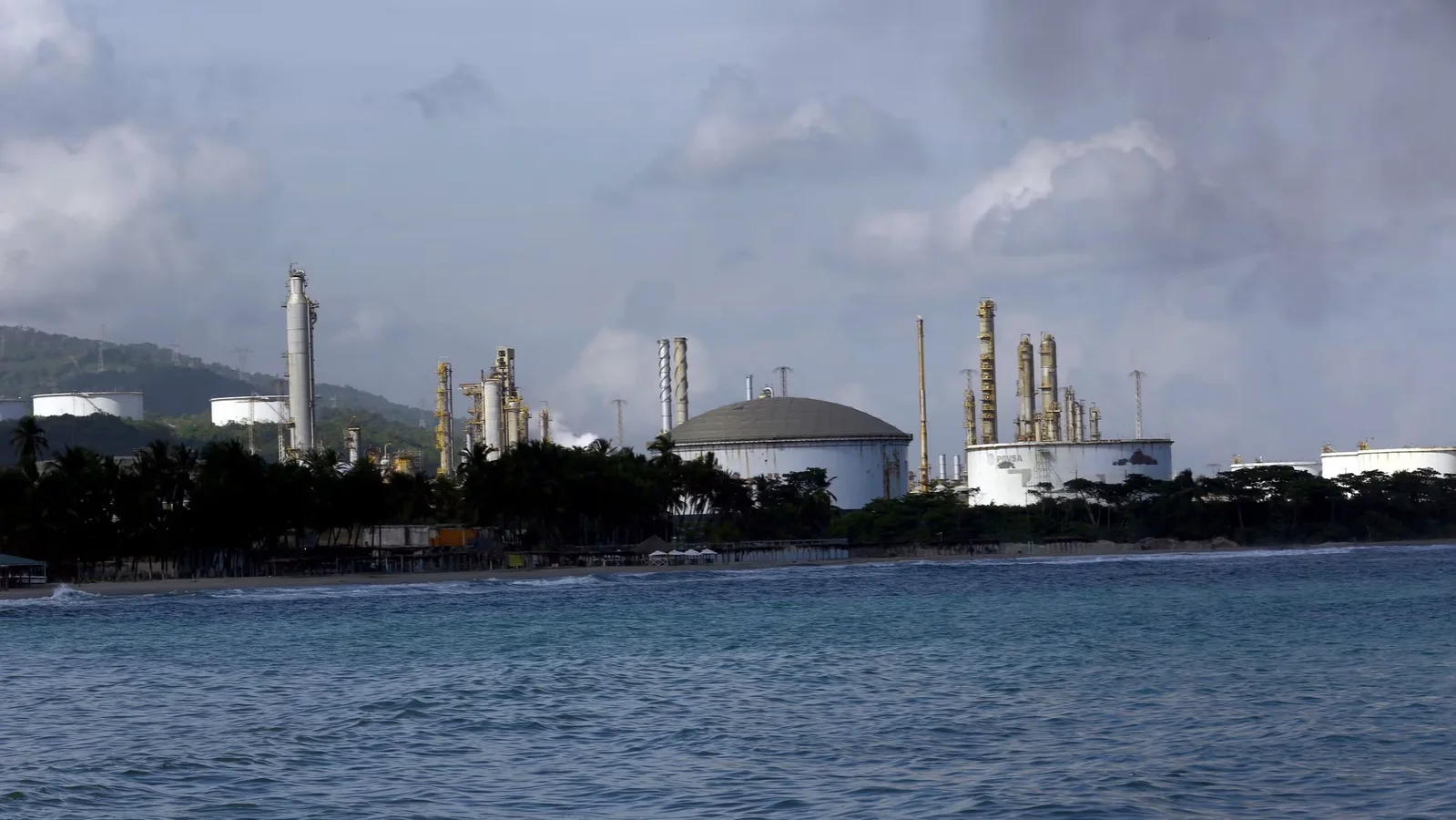
Traders are preparing for potential upheaval in the oil market following Donald Trump's strikes on Venezuela, which could impact global oil supplies and prices.
The potential overthrow of Venezuelan President Maduro is unlikely to significantly impact global energy markets in the short term due to existing oversupply and weak demand, despite geopolitical tensions and Venezuela's vast oil reserves. Analysts suggest that while some disruption is possible, it won't cause a major price surge, and future developments could even lead to increased oil production if sanctions are lifted and foreign investment resumes.
Oil prices experienced their steepest annual decline since 2020, dropping nearly 20% in 2025 due to oversupply, geopolitical tensions, and weaker global demand, with prices potentially falling further in 2026, impacting consumers and inflation.
The article reviews key market developments in 2025, highlighting US trade policy shifts, a weakened dollar, tech stock volatility, soaring gold and silver prices, increased European defense spending, energy market resilience, and Asia's dominance in solar energy, providing insights into the year's financial landscape and potential trends for 2026.
Philadelphia residents faced significant increases in utility bills in 2025 due to rising electricity, gas, and water rates driven by infrastructure investments, inflation, and increased demand, with further hikes expected in 2026, impacting affordability and budgeting for many households.
The Dallas Federal Reserve's Q4 survey indicates ongoing contraction in the energy sector, which could signal a broader market correction if not reversed, despite the potential for the market to still show gains in 2026. Persistent weakness in energy prices and policy uncertainties are key concerns.
Tokyo's inflation rate cooled more than expected due to fading food and energy price pressures, leading to a weaker yen as markets anticipate a delay in the Bank of Japan's next interest rate hike.
Oil prices dropped below $60 a barrel amid hopes for a peace deal between Russia and Ukraine, signaling potential easing of geopolitical tensions impacting the energy market.
Oil prices have fallen by 19% this year to below $59 a barrel due to increased global supply and sluggish demand, benefiting consumers but putting financial pressure on U.S. oil companies, which are reducing drilling and layoffs.
The article fact-checks President Trump's recent claims about the U.S. economy, finding that while some aspects like gasoline prices and mortgage rates have improved, others such as energy costs, grocery prices, and inflation are not as favorable as claimed. Overall, economic indicators show mixed results, with some metrics improving and others remaining problematic, contradicting the president's optimistic assertions.
Despite promises that fracking would lower energy costs in Pennsylvania, residents have faced rising electricity bills and energy insecurity, driven by increased exports, infrastructure investments, and market volatility, revealing a disconnect between industry claims and the lived realities of Pennsylvanians.
Electricity bills in Chicago are rising partly due to increased demand from data centers supporting AI services, with prices expected to continue climbing as data center growth accelerates and utilities explore new rate structures to manage the demand. The surge in AI-related data processing requires significant power, contributing to higher costs for consumers and impacting the regional energy market.
President Donald Trump falsely claimed that windmills in New Jersey are responsible for rising energy prices, but the state's offshore wind projects have not been built and wind energy contributes minimally to its electricity supply. The increase in energy costs is due to other factors, and recent developments include canceled wind projects and increased energy bills amid a hot summer.
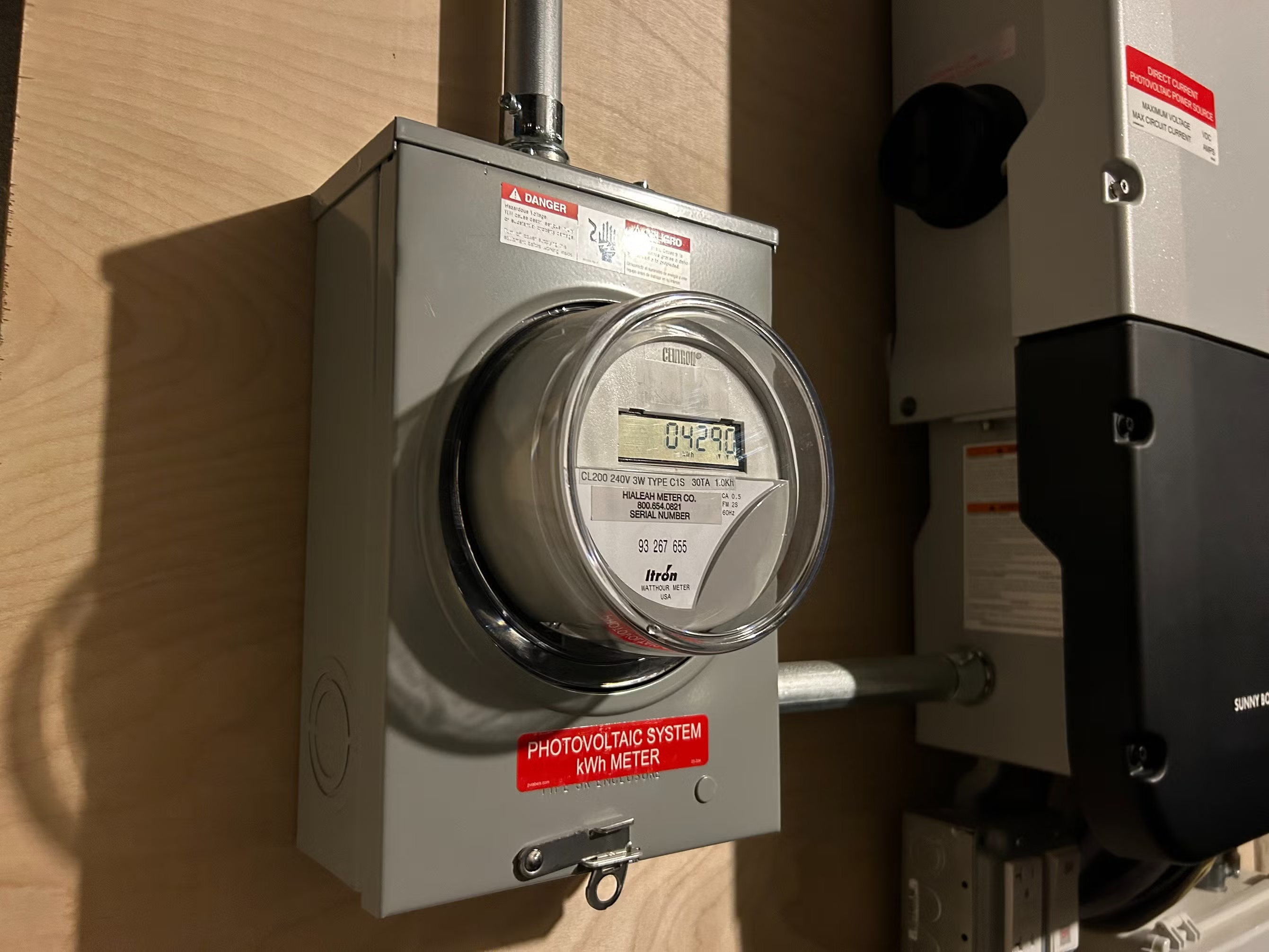
Since Donald Trump re-entered the White House, household electricity bills in the US have increased by 10%, driven by tariffs, cuts to renewable energy projects, and increased energy demand, with critics blaming policies favoring fossil fuels over renewables for the rising costs.