Charlotte-based Duke Energy confirms upcoming layoffs as part of its reorganization for greater efficiency and cost effectiveness in preparation for the next phase of its clean energy transition, aiming for a transformative expansion and modernization of energy generation and grid, with limited workforce impacts expected across its service territories.

President Joe Biden will meet with Indonesian President Joko Widodo at the White House on November 13 to discuss clean energy transition, economic prosperity, and regional peace and stability. The meeting aims to strengthen the partnership between the United States and Indonesia, the world's second and third largest democracies, ahead of Biden's participation in the Asia-Pacific Economic Cooperation summit in San Francisco.
Governor Kathy Hochul has announced the largest state investment in renewable energy in US history, with three offshore wind and 22 land-based renewable energy projects totaling 6.4 gigawatts. These projects will power 2.6 million New York homes and deliver approximately 12% of the state's electricity needs by 2030. The investment is expected to create around 8,300 jobs and bring $20 billion in economic development investments statewide. It also supports New York's goal of obtaining 70% of its electricity from renewable sources by 2030. The offshore wind projects will include the nation's first offshore wind blade and nacelle manufacturing facilities, with the state committing $300 million and attracting an additional $668 million in private funding.
The International Energy Agency (IEA) predicts that global demand for fossil fuels will peak by 2030 as the world shifts towards clean energy sources. The IEA forecasts that global oil use will peak at around 102 million barrels a day by the end of the decade, falling to 97 million barrels a day by 2050 due to the adoption of electric vehicles. The agency also expects a significant increase in the number of electric cars on the roads by 2030 and a rise in renewable energy sources, which could account for nearly half of the world's energy supply. The IEA urges governments, companies, and investors to support clean energy transitions and increase investments in clean energy systems. However, the fossil fuel industry disputes the IEA's forecasts and argues for continued investment in the sector.
The International Energy Agency (IEA) predicts that global demand for fossil fuels, including oil, gas, and coal, will peak by 2030 due to the increasing adoption of electric cars and China's shift towards cleaner energy. This contradicts the view of the Organization of the Petroleum Exporting Countries (OPEC), which expects oil demand to continue rising beyond 2030 and calls for significant investment in the oil sector. The IEA emphasizes the need for governments, companies, and investors to support clean energy transitions and scale up investment in clean energy systems rather than fossil fuels. However, the IEA also warns that current fossil fuel demand remains too high to meet the goals of the Paris Agreement and mitigate climate change.
The Biden-Harris Administration has announced a $15.5 billion package of funding and loans to support the transition to electric vehicles (EVs) in the United States. The funding includes grants and loans for retooling existing factories, expanding domestic manufacturing of batteries for EVs, and supporting the domestic supply chain. The aim is to retain and create high-paying manufacturing jobs while promoting equity and environmental justice. The funding opportunities will prioritize projects that retain collective bargaining agreements, pay high wages, and contribute to the President's Justice40 Initiative. The investments align with President Biden's commitment to building a clean energy economy and enhancing national security.
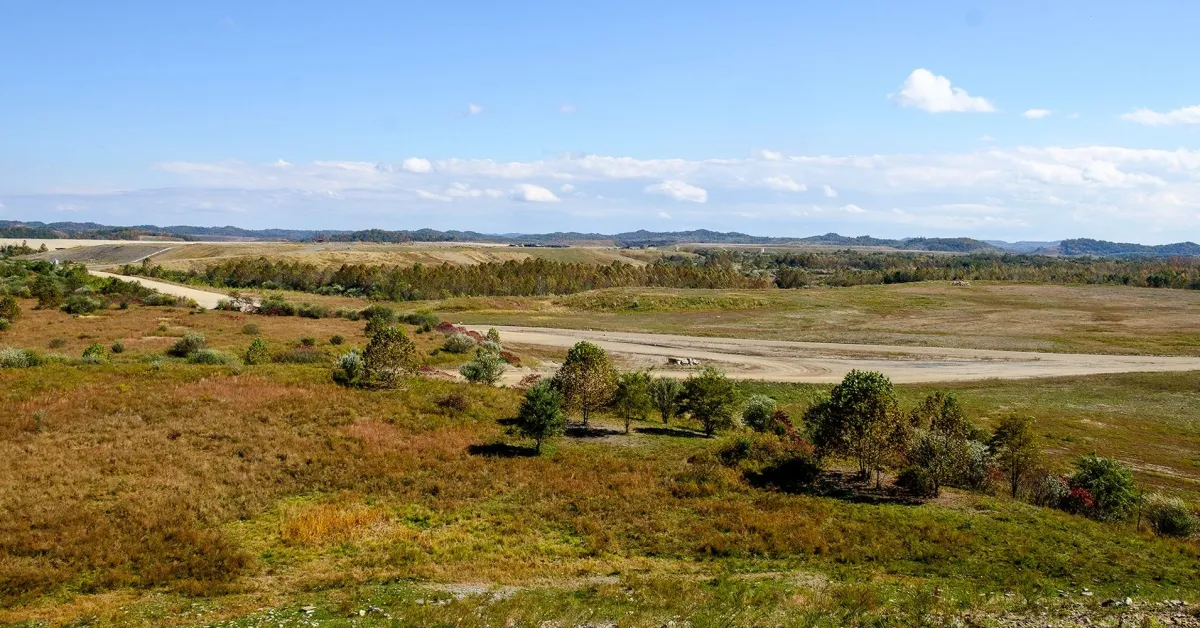
Rivian, BrightNight, and The Nature Conservancy are partnering to transform one of the largest coal mines in the US, Starfire Mine in Kentucky, into an 800 MW solar farm called the "BrightNight Starfire Renewable Energy Center." The $1 billion project will be the largest clean energy initiative in Kentucky and will generate enough electricity to power over 170,000 households annually. Additionally, BrightNight will construct a transmission line that will enable an additional 1 GW of renewable power generation in the region. Construction is set to begin in 2025, with Rivian committing to purchase 100 MW of renewable power from the project.
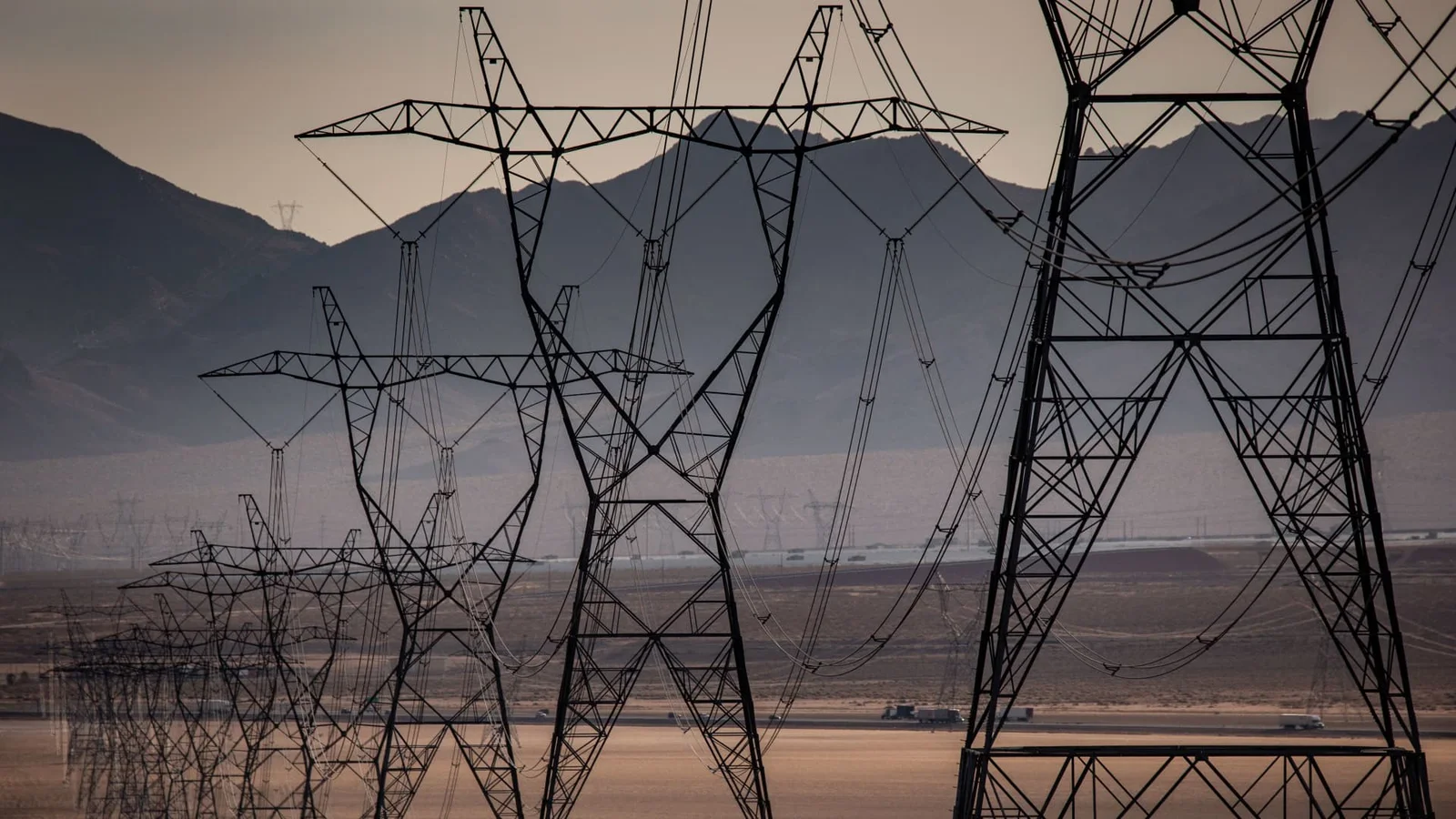
The Bureau of Land Management has advanced two transmission projects proposed by NV Energy that would connect Las Vegas to Reno and Ely to Yerington, facilitating the delivery of eight gigawatts of clean energy to the Western power grid. The projects will help achieve the Biden administration's goal of deploying 25 gigawatts of renewable energy on public lands and waters by 2025 and achieving a carbon-free power sector by 2035. The BLM has approved 35 clean energy projects over the past couple of years, including solar, geothermal, and gen-tie installations, which are anticipated to generate 8,160 megawatts of electricity.
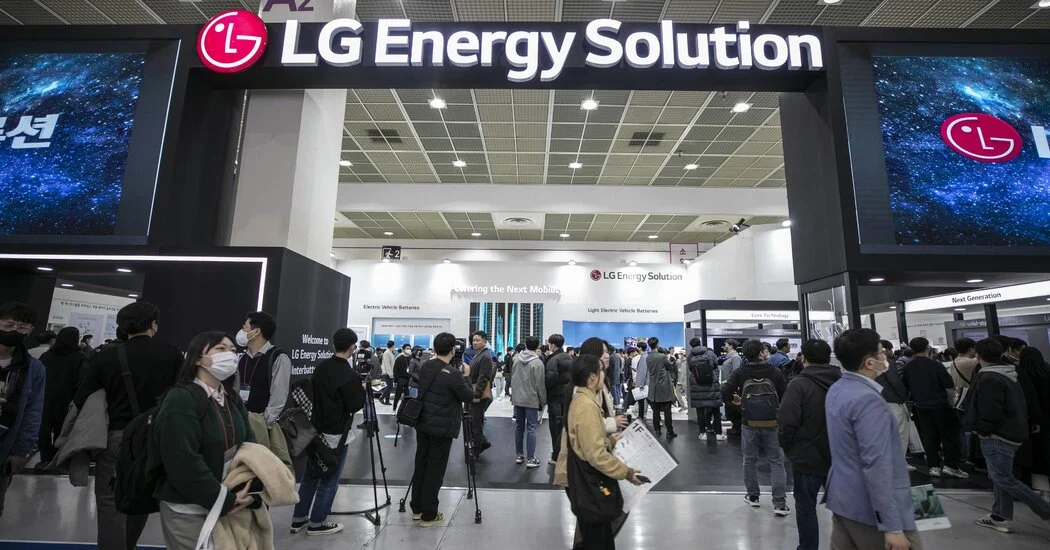
LG Energy Solution will invest $5.5 billion to build a battery factory in Arizona to meet the growing demand for electric cars and trucks. The factory will start producing batteries for electric vehicles in 2025 and for energy storage systems the following year. The decision was driven in part by the Inflation Reduction Act, which offers federal incentives for the sale and production of electric vehicles and batteries in the United States. Building batteries within the United States could help lower electric vehicle prices by cutting transportation costs while reducing dependence on China, which dominates the battery supply chain.