A video showing a private jet landing at Burning Man has sparked outrage, as it appears to contradict the festival's principles of environmental respect and leaving no trace, highlighting concerns about the event's ecological footprint and the broader issue of private jet pollution.
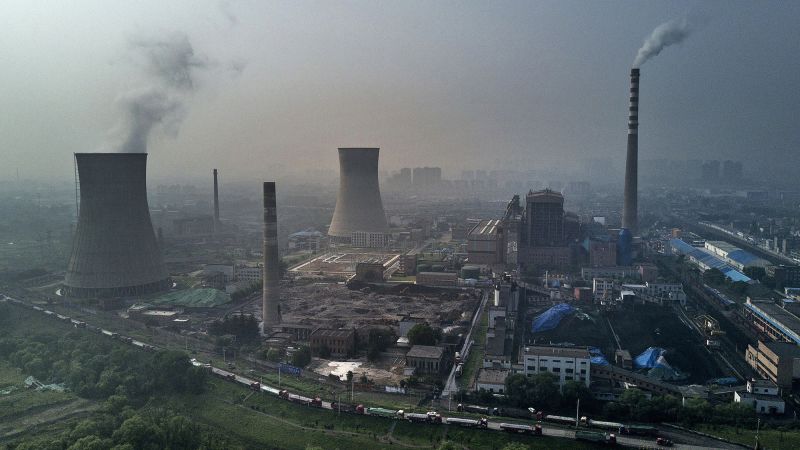
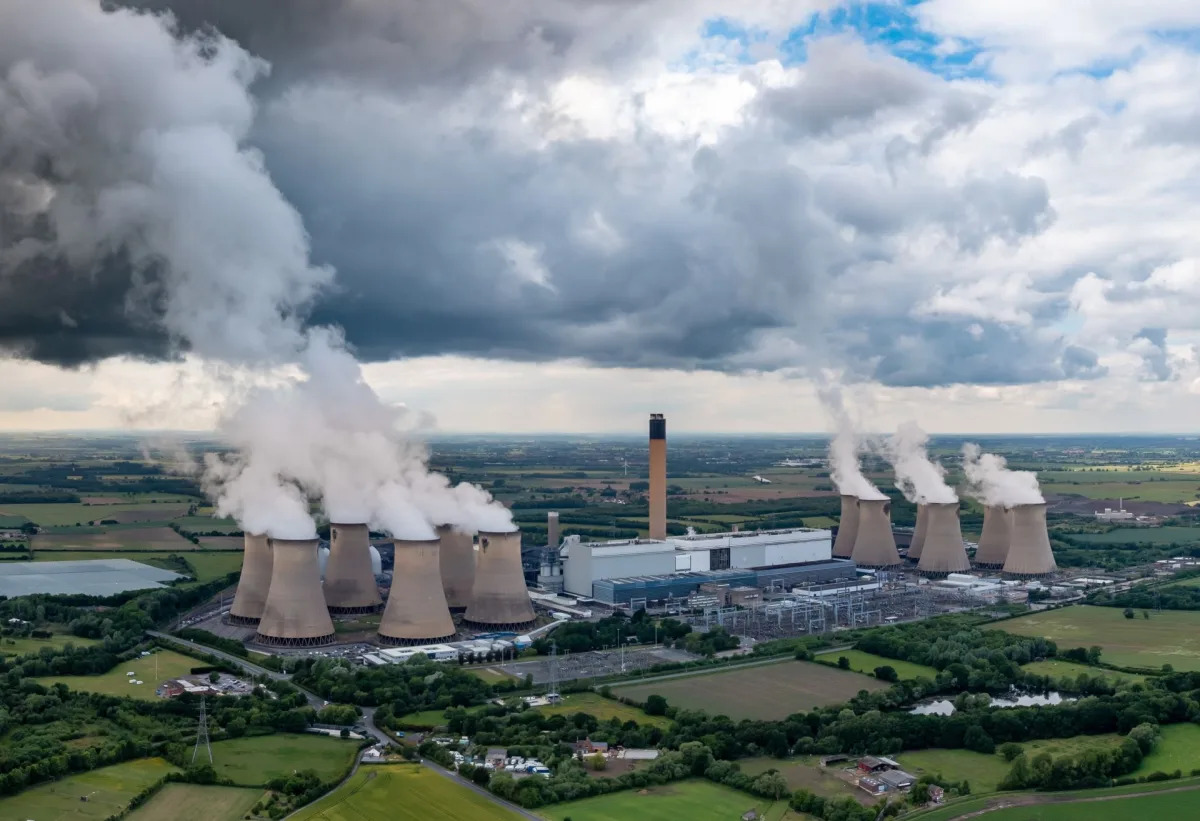
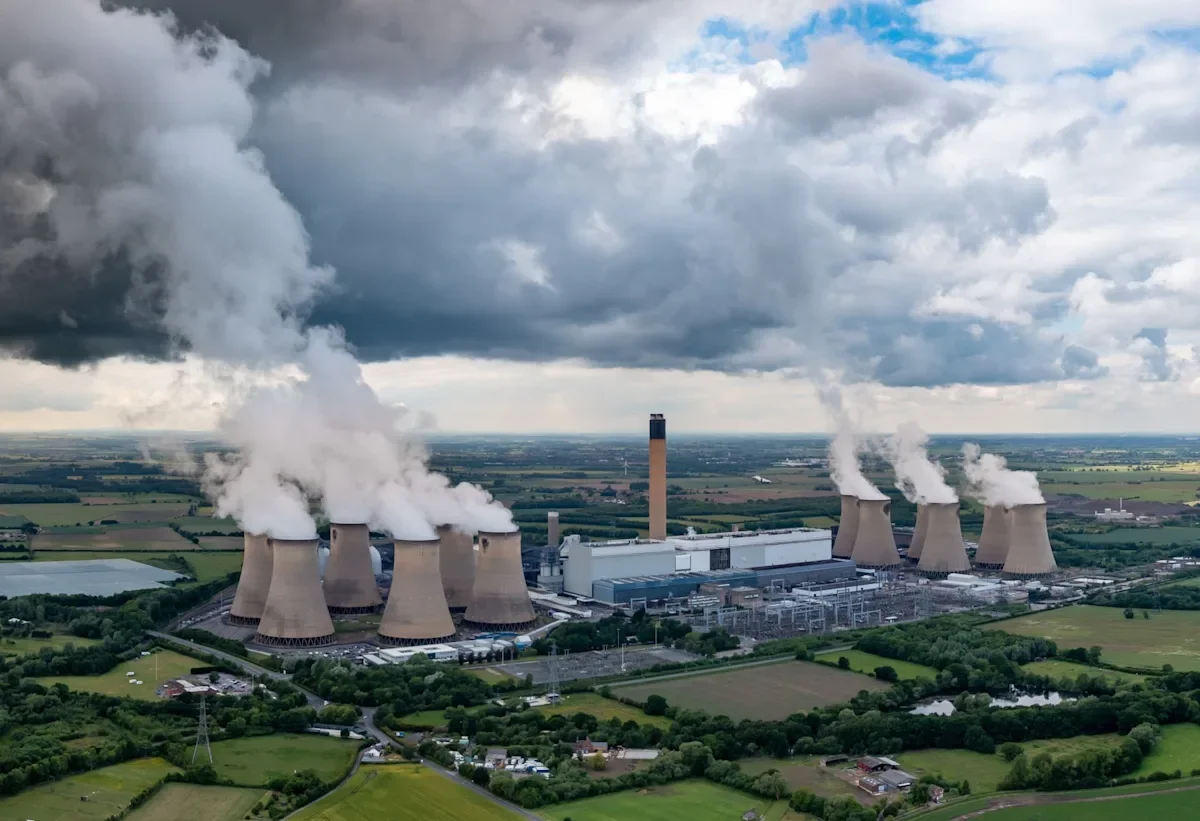
Global carbon pollution from energy hit a record high in 2023, driven by increased fossil fuel use in countries with low hydropower output due to droughts, according to an International Energy Agency report. Despite a surge in clean technology like wind, solar, and electric vehicles, global emissions rose by 1.1%, with China contributing around 60% of global additions of renewable energy and electric vehicles. Steep cuts in carbon emissions are needed to meet global climate goals, as energy-related emissions in the United States fell by 4.1% and in the European Union by almost 9%, while China's emissions rose by 5.2% due to post-COVID recovery.
A new study reveals that bottom trawling, a fishing method that involves dragging heavy nets across the ocean floor, is a significant and previously unaccounted for source of atmospheric carbon emissions. The study finds that 55%–60% of the carbon dioxide produced underwater by bottom trawling eventually enters the atmosphere within nine years, contributing to global warming. The annual carbon emissions from bottom trawling are estimated to double the emissions from the entire global fishing fleet. The research emphasizes the need to account for and address these significant carbon emissions in climate action plans and highlights the immediate benefits of reducing bottom trawling emissions.
A report by Oxfam reveals that the richest 10% of Europeans are responsible for as much carbon pollution as the poorest 50%. Oxfam is calling for a European wealth tax to raise funds for reducing pollution and inequality, estimating that it could generate nearly €250 billion annually. The report also highlights the global inequalities fueling the climate crisis, with the richest 1% of the world's population producing as much carbon pollution as the poorest two-thirds. Oxfam urges governments to address these inequalities through a global redistribution of income, a transition away from fossil fuels, and a shift towards prioritizing the wellbeing of humans and the planet.
General Electric (GE) has successfully tested a prototype of its direct air capture (DAC) system, which uses chemical reactions to remove carbon dioxide from the air. If scaled up, DAC could be a significant tool in combating climate change. The concentration of atmospheric carbon pollution has increased by 47% since the Industrial Age, with half of the increase occurring since 1980. While transitioning to clean energy is crucial, it is not enough to slow down the impacts of planet-warming gases. DAC, which requires relatively little space and has few location restrictions, is one of the solutions needed to remove enough carbon from the atmosphere. GE's entry into the DAC market could have a substantial impact due to its ability to scale rapidly.
General Electric (GE) has successfully tested a prototype of its direct air capture (DAC) system, which uses chemical reactions to remove carbon dioxide from the air. If scaled up, DAC could be a significant tool in combating climate change. The concentration of atmospheric carbon pollution has increased by 47% since the Industrial Age, with half of the increase occurring since 1980. While transitioning to clean energy is crucial, it is not enough to slow down the impacts of planet-warming gases. DAC offers a solution by removing carbon from the air and injecting it deep into the ground or using it in long-lasting products. GE's entry into the DAC space could bring the technology to a larger scale and make a real difference in addressing carbon pollution.
Climate records are being broken at an alarming rate, with soaring temperatures, unusually hot oceans, record high levels of carbon pollution, and record low levels of Antarctic sea ice. Scientists are concerned that this could be a sign of a planet warming much more rapidly than expected. The world is already 1.2 degrees Celsius warmer than it was in preindustrial times, and the next five years are predicted to be the hottest on record.
A study by the Union of Concerned Scientists found that 37% of the area burned by wildfires in the Western US and Canada since 1986 can be traced back to carbon pollution from 88 of the world’s major fossil fuel producers and cement manufacturers. The study also found that the fossil fuel activities of these companies warmed the planet by 0.5 degrees Celsius since 1901. Fossil fuel companies have denied the conclusions of those reports. The researchers used a method that scientists have relied on in recent years to quantify how much of a role the climate crisis is playing in extreme weather and environmental disasters.
The US Environmental Protection Agency (EPA) has proposed new carbon pollution standards for coal- and gas-fired power plants, which could prevent up to 617 million tons of carbon dioxide emissions over the next two decades. The new rules would require new and existing power plants to meet a range of new standards to cut their emissions of planet-heating gases, spurring facilities to switch to cleaner energy such as wind and solar, install rarely used carbon capture technology or shut down entirely. The EPA predicts the new climate rule will have $85bn in climate and public health benefits by 2042, preventing about 1,300 premature deaths and 300,000 severe asthma attacks in 2030 alone by reducing harmful air pollutants.