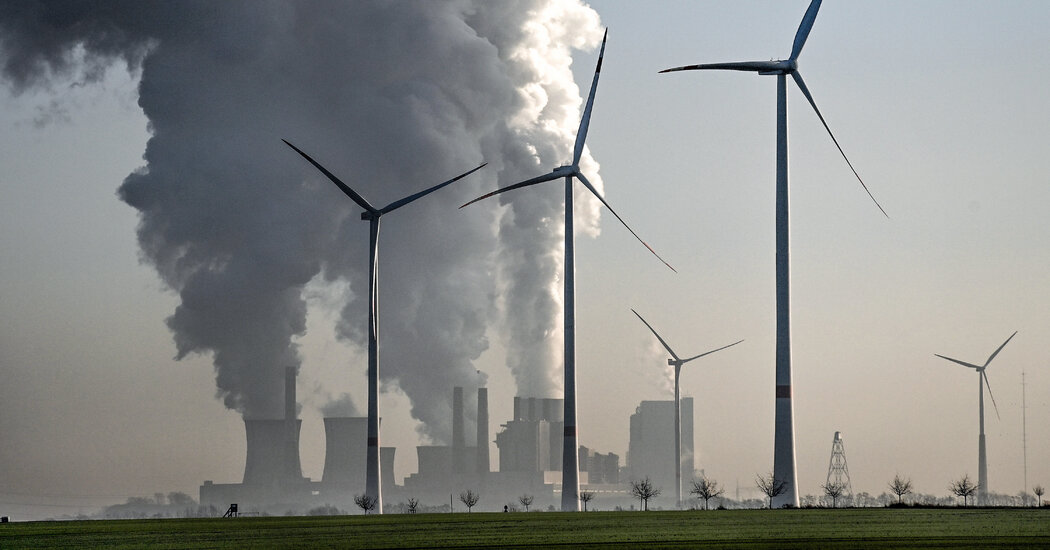
South Korea aims to reduce coal reliance and cut emissions by 2040, but its plans to increase US LNG imports for energy security may conflict with its climate goals, raising concerns about a potential shift from coal to fossil fuels rather than a true green transition.
The International Energy Agency (IEA) stated that it is still possible to limit global warming to 1.5 degrees Celsius with the record growth in clean energy technology. However, the world needs to invest nearly $4.5 trillion per year in the transition to cleaner energy from the next decade, compared to the expected spending of $1.8 trillion in 2023. The IEA emphasized the need for a tripling of global renewable capacity, a doubling of energy efficient infrastructure, and increased adoption of heat pumps and electric vehicles by 2030. The agency also called for a 75% reduction in energy sector methane emissions by 2030. The IEA stressed the importance of separating climate from geopolitics and urged governments to prioritize climate action.
British Prime Minister Rishi Sunak is facing backlash from campaigners and auto groups as reports suggest he is planning to dilute key net-zero climate pledges. The proposed changes may include pushing back bans on sales of new petrol and diesel cars and delaying the prohibition on new gas boilers. Automakers such as Ford and Stellantis have criticized the potential relaxation of targets, emphasizing the need for ambition, commitment, and consistency from the government. Critics argue that weakening climate policies could hinder economic growth, undermine investment in clean technologies, and leave households vulnerable to volatile fossil fuel prices. The ruling Conservative Party, currently trailing in polls, faces opposition from within its own ranks regarding any weakening of green targets.
A new report card on the progress of countries in fighting climate change under the 2015 Paris Agreement reveals that while some worst-case climate change scenarios are less likely today, current efforts are still insufficient to avoid catastrophic consequences. The report highlights that countries are far from meeting the goals of limiting global temperature rise to "well below" 2 degrees Celsius above preindustrial levels, with current climate pledges putting the world on track for a hazardous 2.5 degrees Celsius of warming by 2100. To achieve safer levels, global emissions would need to decrease by around 60% by 2035, requiring a rapid expansion of renewable energy sources and a significant reduction in fossil fuel pollution. The report also emphasizes the urgent need for measures such as increased finance commitments, wider systemic reforms, and transformational changes in climate adaptation.
Despite the Earth experiencing record-breaking heat and scientists warning of the urgent need to phase out fossil fuels, major oil companies are quietly walking back on their climate pledges and expanding fossil fuel production. Companies like BP, ExxonMobil, and Shell have scaled back emission reduction goals, withdrawn funding for low-carbon fuel initiatives, and failed to increase investments in renewable energy. Experts argue that these actions demonstrate the industry's focus on record profits rather than addressing the climate crisis. Critics highlight the industry's history of blocking climate action and call for stronger regulation and a transition away from fossil fuels.