A study from the Framingham Heart Study Offspring cohort found that diets high in inflammatory foods are linked to an increased risk of dementia, including Alzheimer's disease, in older adults. Over 13 years, higher Dietary Inflammatory Index (DII) scores were associated with a greater incidence of dementia. The study suggests that diets with low DII scores may help prevent late-life dementia, although further research is needed to confirm these findings. The study highlights the potential impact of pro-inflammatory Western diets on dementia risk.
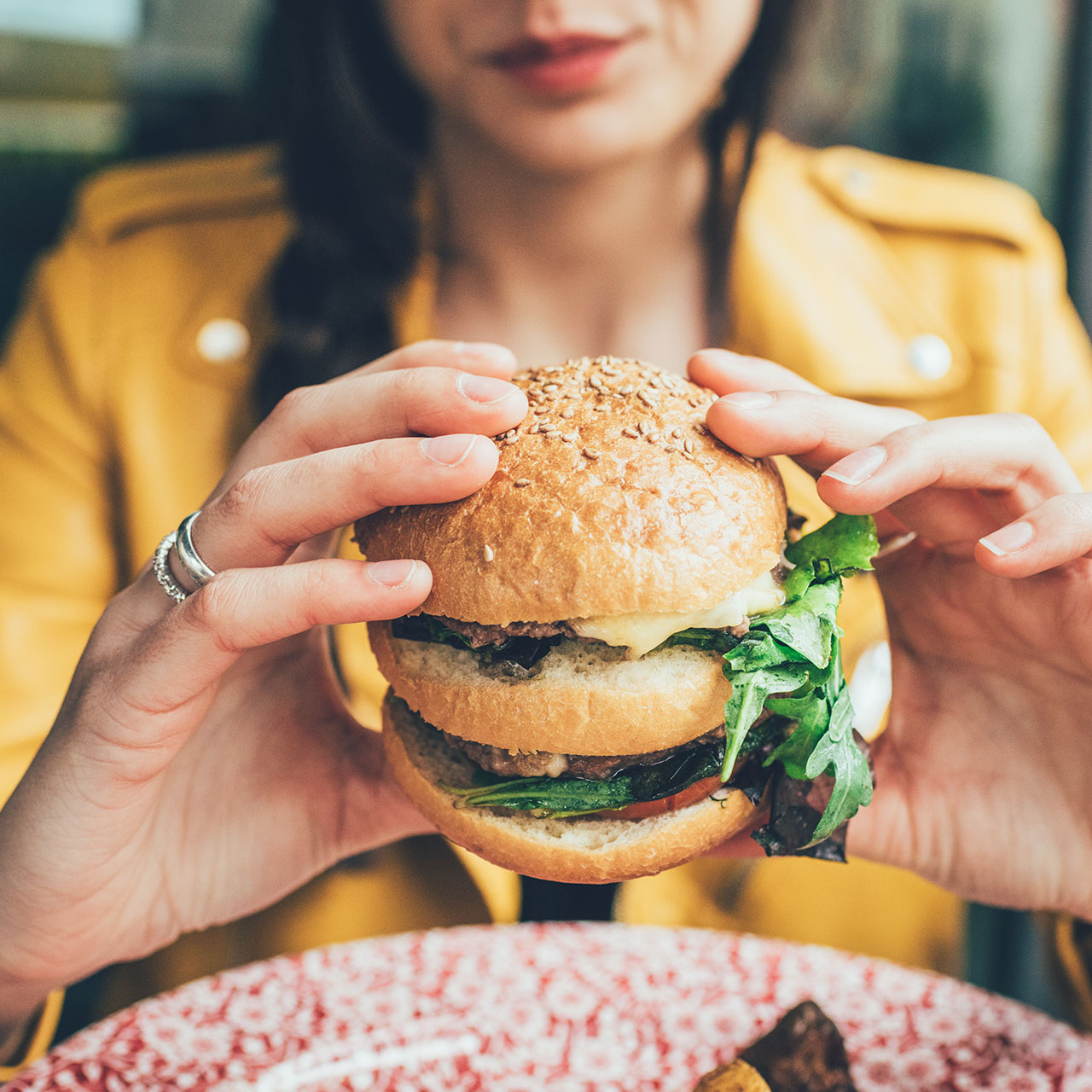
As you work on getting in shape for the summer, it's important to consider the impact of your diet on weight loss. Ten inflammatory foods to avoid this spring include vegetable oils, artificial sweeteners, margarine, sugar, processed meats, red meats, sugary condiments, white bread, energy bars, and potato chips, as they can lead to inflammation and unwanted weight gain. Instead, prioritize healthy fats, natural sweeteners, and whole foods to promote better health and achieve your weight loss goals.
Women can maintain a youthful appearance by avoiding inflammatory foods such as chips and margarine, which can cause skin inflammation and premature aging. In addition to a healthy diet rich in healthy fats, lean protein, fruits, and vegetables, women should stay active, reduce stress, and avoid smoking and air pollution. Making these lifestyle changes can not only help women look younger but also contribute to overall health and weight management.
Dietitian Tallene Hacatoryan, who successfully lost 30 pounds and reversed her PCOS symptoms, shares three tips for losing weight with PCOS without disrupting hormones. She advises against overexercising and cutting out carbs, as these can negatively impact metabolism. Her tips include going gluten- and dairy-free for 30 days to test for sensitivities, consuming 30 grams or more of protein for breakfast to stabilize blood sugar, and lifting weights to build muscle and improve insulin resistance. Hacatoryan's advice has garnered positive feedback from followers who have experienced similar struggles.
Making simple changes in diet can improve symptoms and lower the risk of developing arthritis. Here are five inflammatory foods to avoid if you have arthritis: 1) Red meat, which is high in fat and associated with increased inflammation; 2) Gluten, which can cause joint inflammation even in individuals without celiac disease; 3) High-salt foods, which can put people at higher risk of developing inflammatory arthritis; 4) Added sugars, found in soda and desserts, which worsen arthritis symptoms by increasing inflammation; and 5) Highly-processed foods, which contain potentially inflammatory ingredients and can trigger arthritis.
Dietitians suggest avoiding fried foods, ultra-processed snacks, and sugary beverages to reduce inflammation and boost metabolism for those over 50. These foods are high in unhealthy fats, preservatives, chemicals, sodium, and processed sugar, which can lead to weight gain, inflammation, and contribute to inflammatory diseases/conditions. Instead, anti-inflammatory beverages such as green tea or water are recommended.
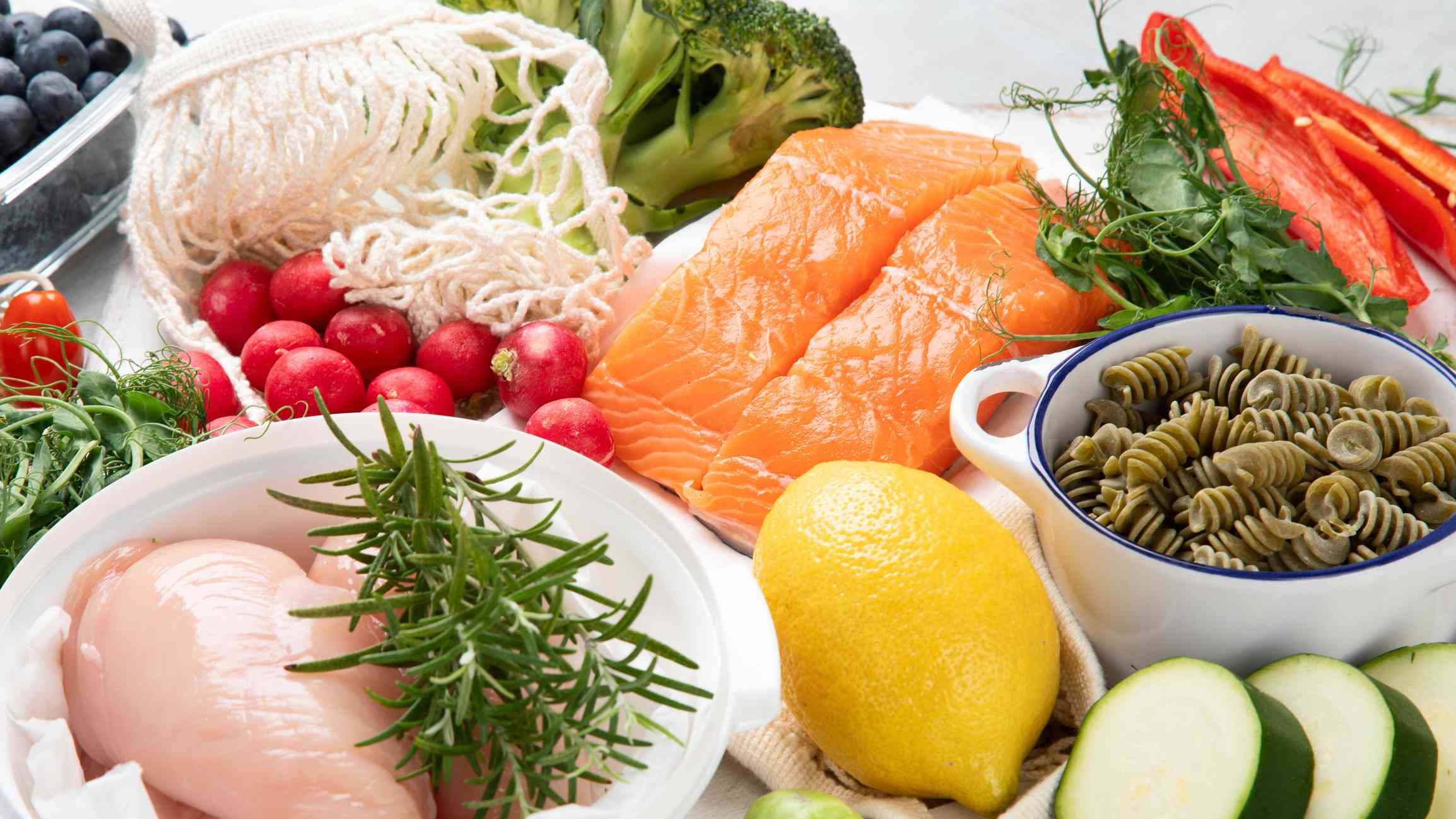
An anti-inflammatory diet consists of nutrient-dense foods that contain anti-inflammatory compounds, like antioxidants, and is thought to aid in reducing the risk of disease associated with chronic inflammation. Chronic inflammation can cause DNA damage over time and lead to a number of health conditions, including certain cancers and heart disease. An anti-inflammatory diet should consist mostly of whole, nutritious, anti-inflammatory foods, but you can still enjoy your favorite foods from time to time, even if they’re considered “inflammatory.”