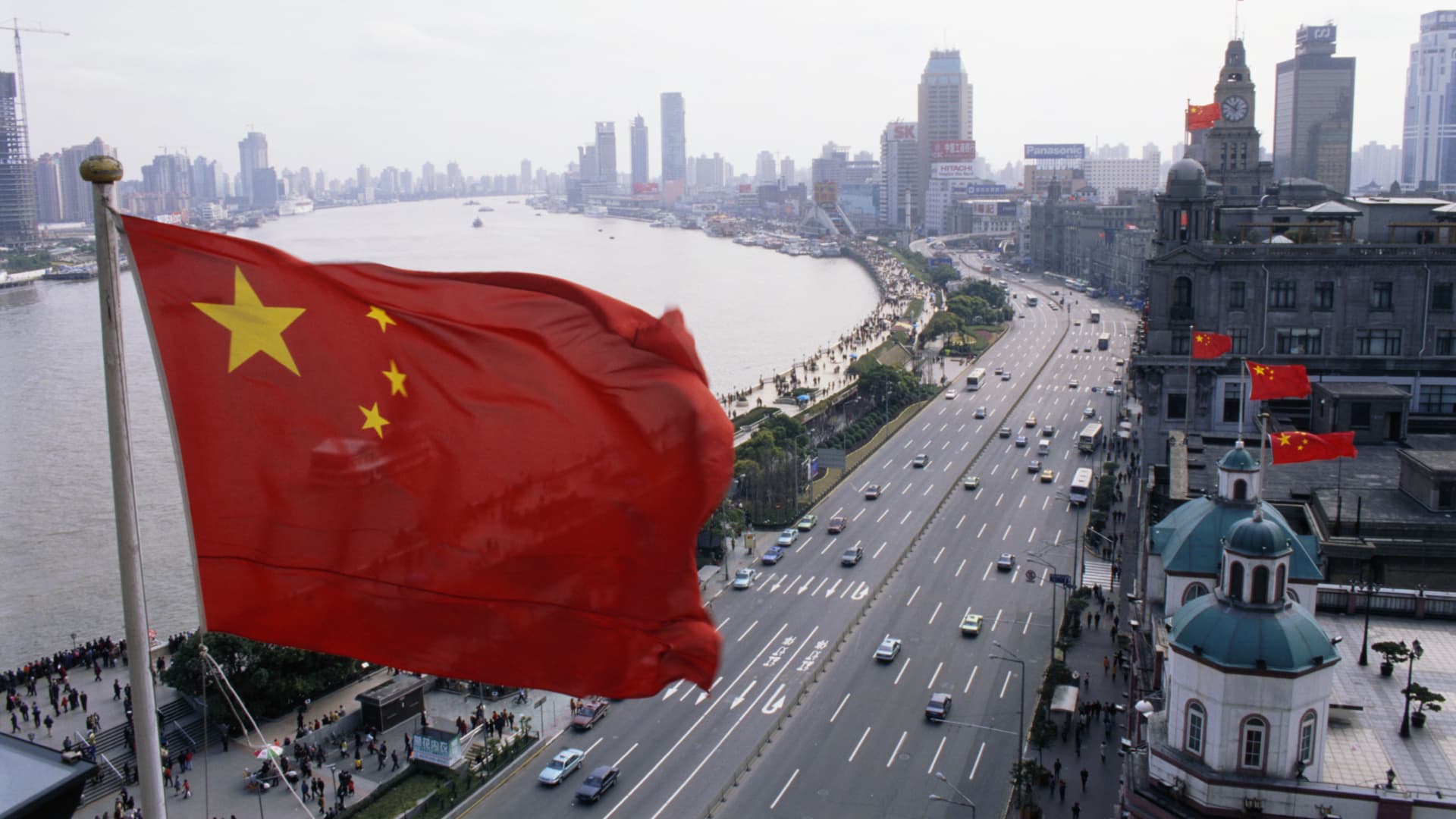
China aims for a 5% GDP growth target this year but faces challenges due to overcapacity, real estate and debt crisis. To achieve this, China may resort to infrastructure projects and issue "ultra-long" special treasury bonds to fund major projects aligned with national strategies. The focus is on modernizing the industrial system and developing new quality productive forces to drive longer-term growth, with emphasis on industries such as artificial intelligence, new-energy vehicles, and innovative drugs.
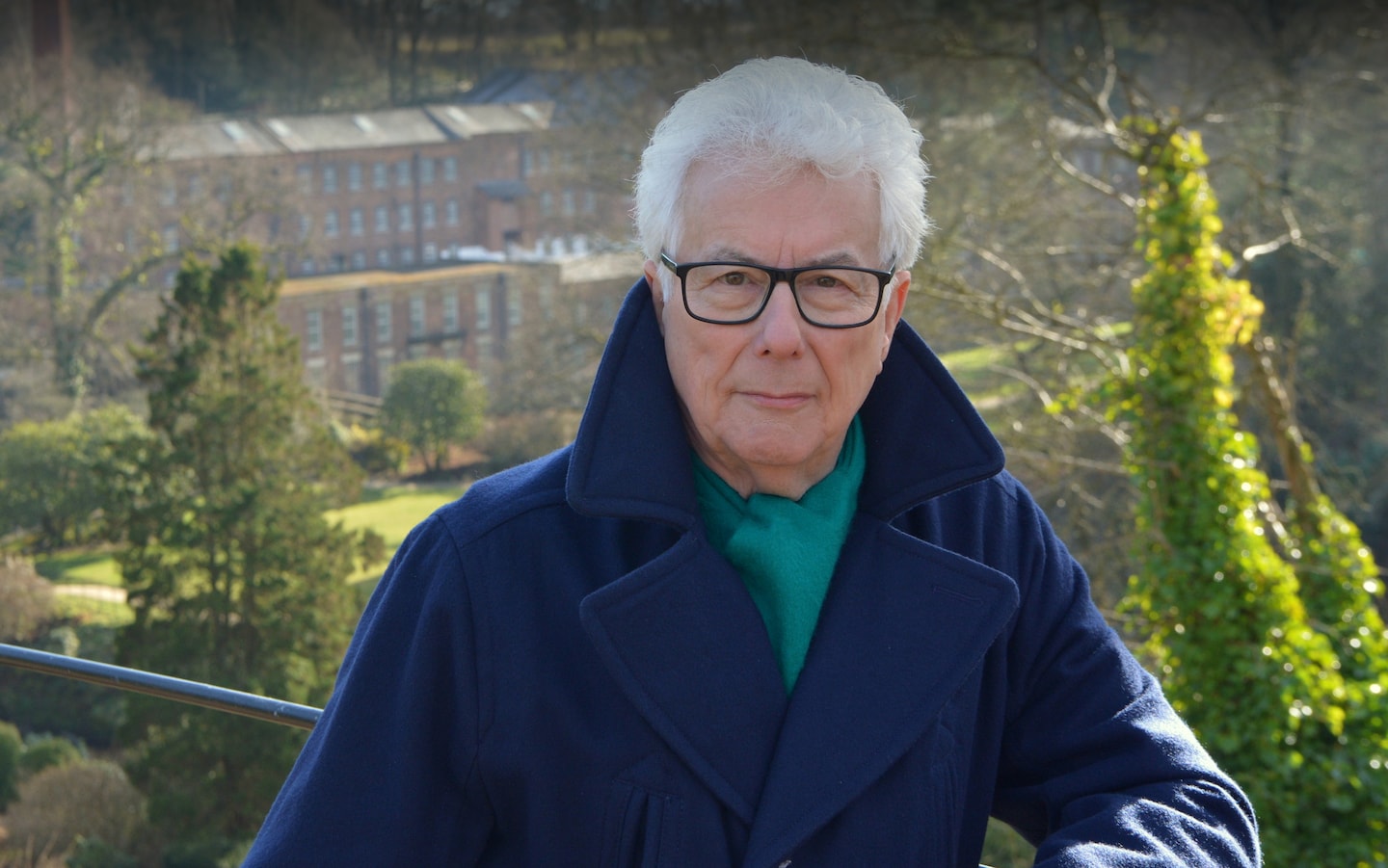
Ken Follett's latest book, "The Armor of Light," is the fifth volume in his Kingsbridge series, spanning over 800 years and 4,000 pages. Set in 1792, the story takes place in Kingsbridge during the French Revolutionary and Napoleonic wars, as industrialization threatens traditional ways of life. The book follows a cast of characters, including workers facing harsh conditions and injustice, as they navigate the challenges of the time. Follett's skillful portrayal of historical detail and technical matters elevates the book beyond mere melodrama, making it a must-read for fans of historical novels.
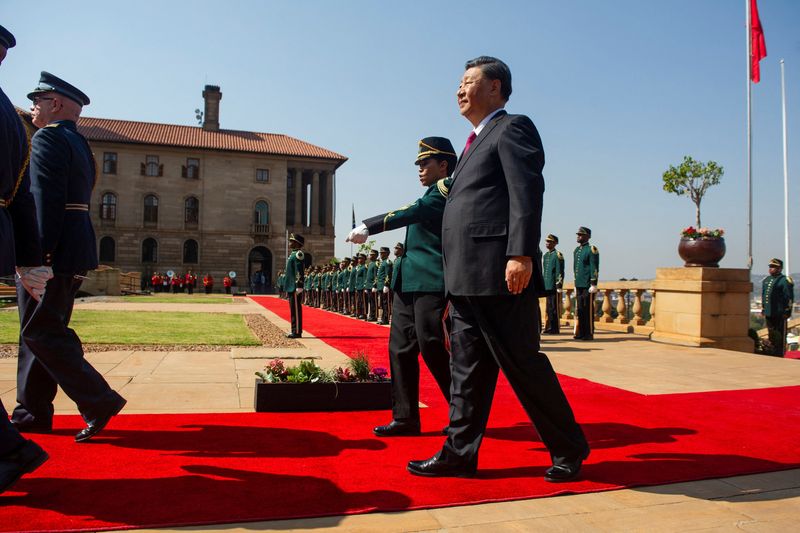
African countries are urging China to shift its focus from infrastructure development to local industrialization, according to Wu Peng, China's top Africa diplomat. This request comes in light of the Africa Continental Free Trade Agreement (AfCFTA) and the growing integration among African nations. Chinese lenders have provided significant loans to African countries in the past, particularly for infrastructure projects under the Belt and Road Initiative. However, loan commitments have decreased in recent years. Wu stated that discussions on urgent issues, including African industrialization, will take place during the BRICS summit, and Chinese investments in Africa are expected to increase, especially from small and medium-sized companies.
African countries are urging China to shift its focus from infrastructure development to local industrialization, according to Wu Peng, China's director-general of African affairs. This request comes in light of the Africa Continental Free Trade Agreement (AfCFTA), which aims to promote tariff-free trade among African nations. China will discuss its plans for African industrialization with African leaders during a special roundtable at the BRICS summit. Chinese investments in Africa, particularly from small and medium-sized companies, are expected to increase, as Chinese companies are willing to take risks in the African market.
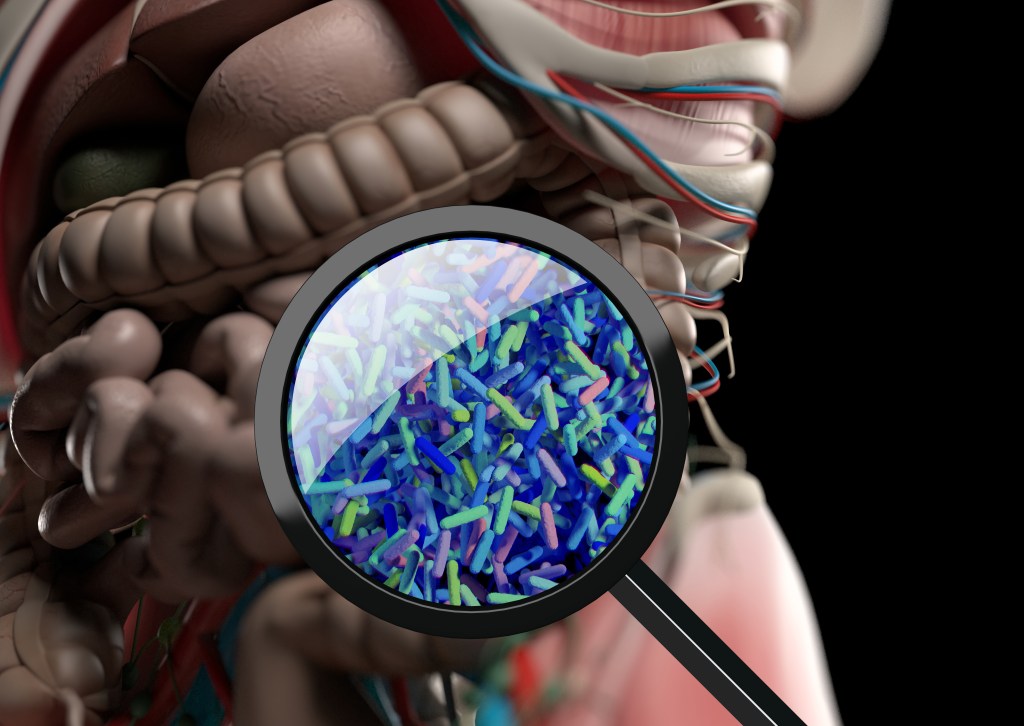
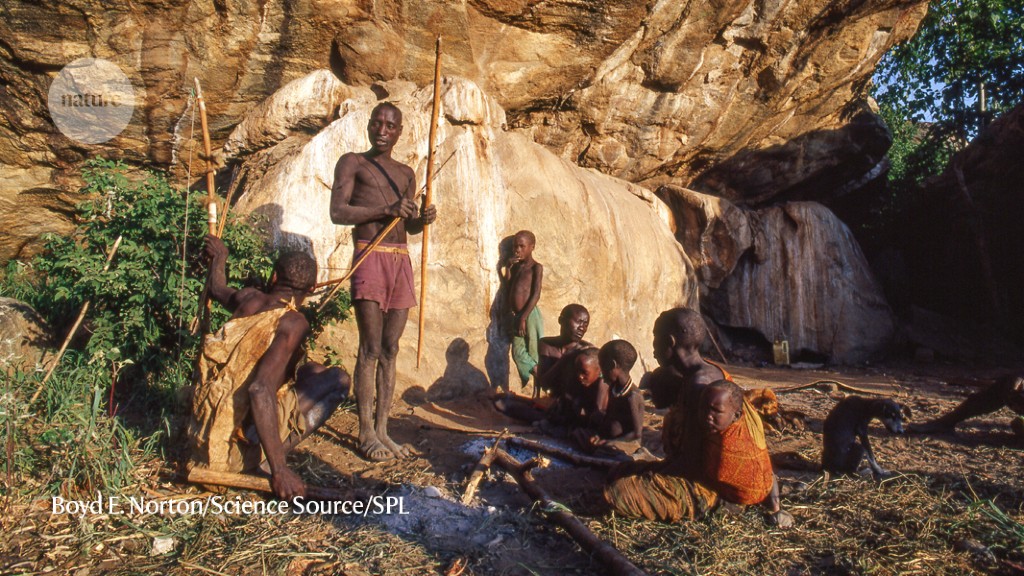
A new study by Stanford University has found that the gut microbiome of Bay Area residents has only half as many species of bacteria as hunter-gatherers in Tanzania, due to the changing diets and lifestyles of the industrialized world. The gut microbiome plays a crucial role in digestion, vitamin synthesis, and immune defense. The decline in bacterial species is attributed to factors such as low-fiber diets and the use of antibiotics. While some species are gone forever, others can be reintroduced through dietary changes, such as consuming fermented foods and avoiding highly processed and starchy foods. The study highlights the need to better understand the appropriate microbes for our industrialized setting.
A study has found that the gut microbiomes of Hadza people, a hunter-gatherer society in Tanzania, have more diversity than those of people in Nepal and California. The study also found that a Western lifestyle diminishes the diversity of gut populations. The Hadza had an average of 730 species of gut microbe per person, while the average Californian gut microbiome contained just 277 species. The team suspects chronic inflammation in the gut could trigger damage, creating a selective pressure for genes associated with responding to oxidative damage, which were not detected in the Hadza microbiomes.
French President Emmanuel Macron aims to build factories to boost job creation and make France more independent, as the country reels from protests, rising food and energy prices, and other fallout from the Ukraine war. Macron is wooing investors to help "re-industrialize" France and reduce Europe's dependence on China and the U.S. He announced incentives to support innovative industries and transition towards greener technology, including tax credits in fields like battery production, electric cars, hydrogen, and wind power, as well as accelerating authorization for industrial projects. Macron's move comes after months of protests against his decision to raise the retirement age from 62 to 64.
Brazilian President Lula da Silva seeks China's help to reinvigorate Brazil's ailing industrial sector, particularly by picking up the slack of exiting US companies. Lula wants to bring direct investments from China and is seeking partnerships that challenge the hegemony of Western-dominated economic institutions and geopolitics, including diplomacy over the war in Ukraine. Lula's visit included the swearing-in of former Brazilian President Dilma Rousseff as head of the Chinese-backed New Development Bank, which is funding infrastructure projects in Brazil and elsewhere in the developing world.
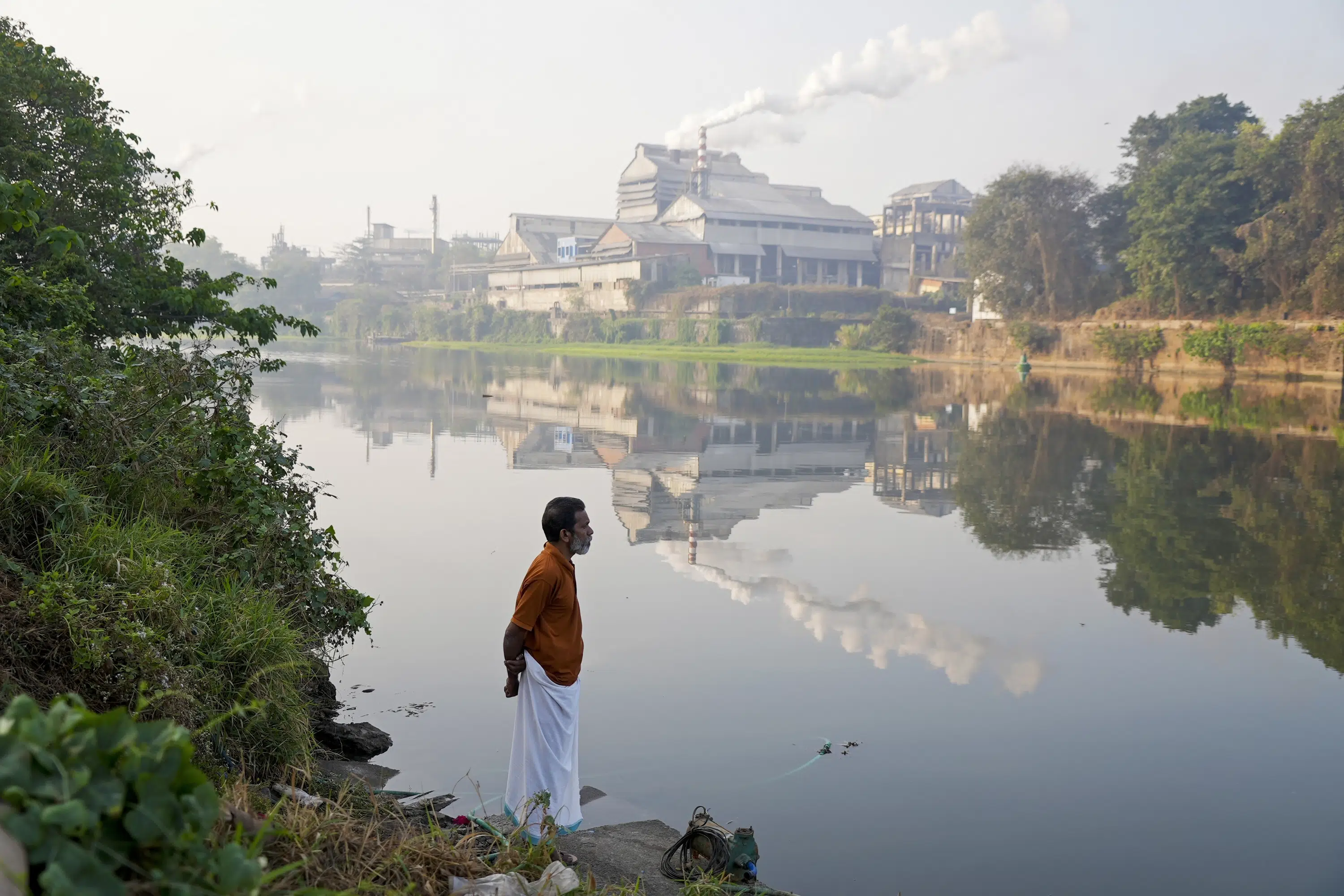
Residents of Eloor, India are struggling to save the Periyar River from industrial pollution caused by over 300 chemical companies, many of which are more than five decades old. The river has turned dark and most of the fish are gone, while the groundwater is fully contaminated. The state Pollution Control Board denies the industrial pollution, blaming it on sewage from homes, commercial institutions, and markets upstream. However, research shows that the river is contaminated with toxic metals and hazardous chemicals, leading to various diseases among residents. Despite protests and legal cases, the situation remains dire.