The Nama community in South Africa, historically rich in diamonds, has faced land dispossession, environmental damage, and lack of economic benefits despite legal victories over land rights, with ongoing disputes over wealth distribution and environmental rehabilitation.
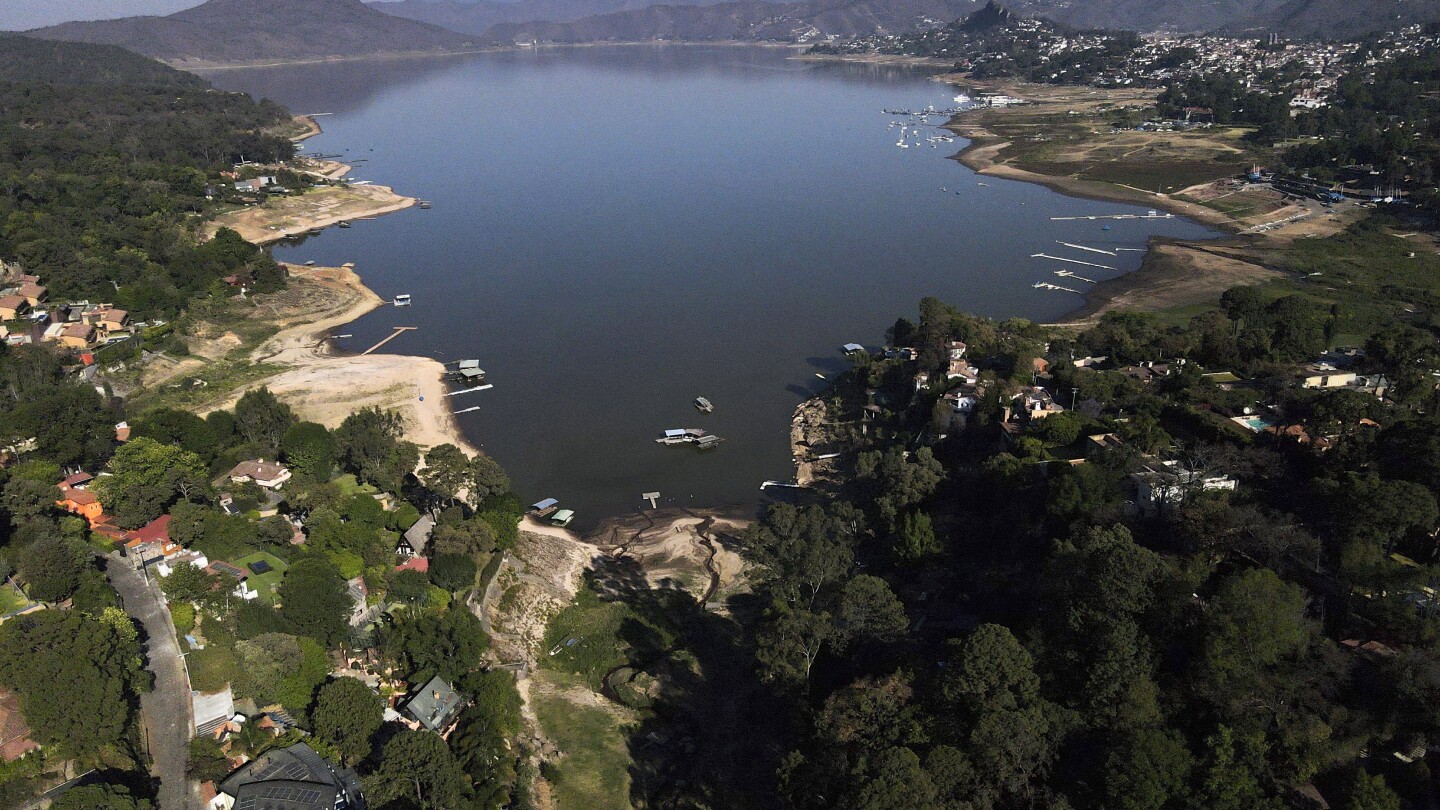
Valle de Bravo, once a popular weekend getaway for Mexico City's wealthy, is now a shrinking, polluted mud flat due to a combination of drought, water transfers to the capital, bad planning, and lawlessness. The lake is being drained by broken pipes wasting water, construction of private dams, and the unrestrained development of luxury compounds with private lakes. The National Water Commission has done little to address the problem, and residents and activists are unable to prevent the disappearance of their beloved lake. The situation has led to a significant decline in tourism, affecting the livelihoods of locals and property prices. The area's proximity to a region controlled by a ruthless drug cartel complicates efforts to address the issue, as reporting illegal private dams and reservoirs is risky.
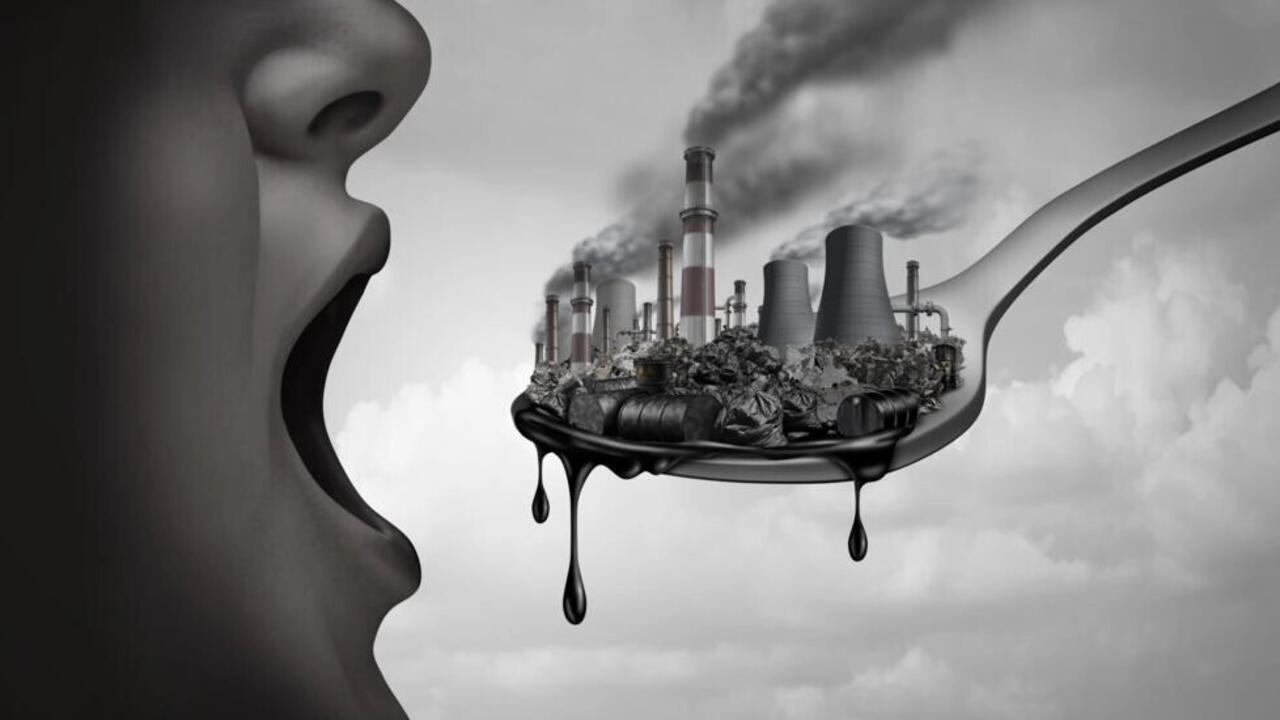
The World Health Organization predicts a 77% increase in global cancer cases by 2050, citing air pollution as a significant factor. Fine particle pollution, particularly from sources like diesel exhaust, is linked to cell dysfunction and cancer development. Other factors contributing to the rise in cancer rates include population growth, longer life expectancy, improved cancer diagnosis, and potential links between pollution and mental health deterioration. The report highlights socio-economic disparities in exposure to air pollution and its impact on health, emphasizing the need for an ecological wake-up call to address environmental degradation and public health concerns.
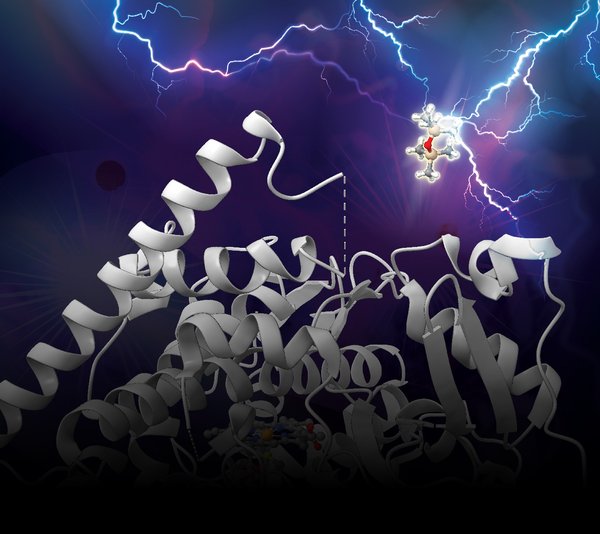
Scientists have successfully engineered an enzyme capable of breaking man-made silicon-carbon bonds found in widely used siloxane chemicals, marking a significant step towards making these chemicals biodegradable. The breakthrough, achieved through directed evolution, could lead to the development of natural organisms or improved enzymes that can degrade siloxanes, which are present in various household and industrial products. The research, published in the journal Science, offers promising implications for environmental and health safety, as siloxanes are known to persist in the environment and pose potential risks.
The rise in cheap cashmere has come at a hidden cost of environmental degradation and poorer-quality clothes. Increased demand for cashmere has led to a significant increase in the number of cashmere goats, resulting in habitat degradation and lower quality fibers. To compensate for the lower cost, some herders have increased their herd sizes, perpetuating the cycle. Landscape ecologist Ginger Allington suggests wearing other fibers or opting for vintage cashmere to reduce the demand for unsustainable cashmere production.
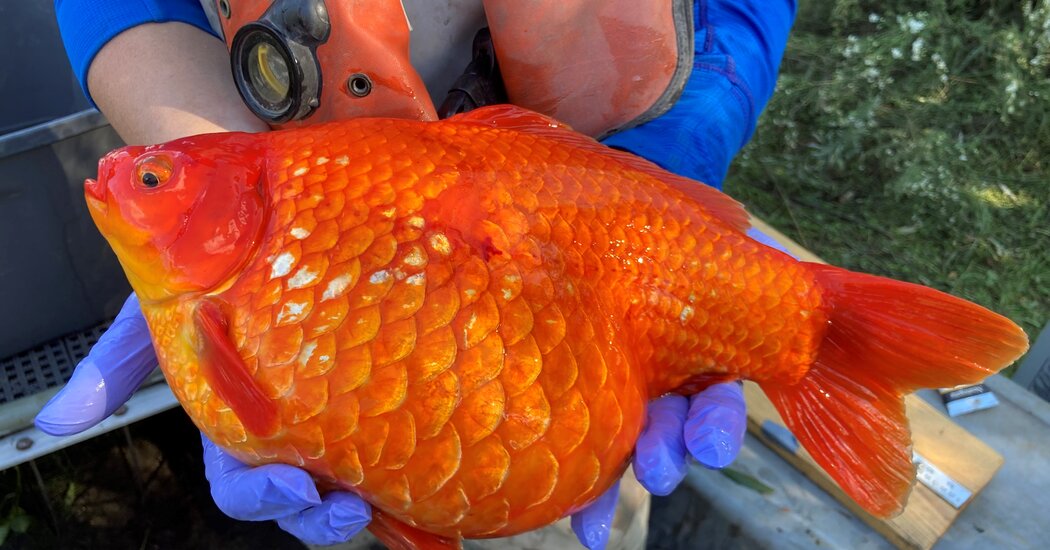
Giant goldfish, released into the wild, are posing a threat to the Great Lakes ecosystem. These invasive species can grow to monstrous sizes, destroy habitats for native wildlife, and contribute to the degradation of fragile ecosystems. Canadian researchers have been tracking the goldfish population in Hamilton Harbour, Lake Ontario, to identify areas for culling. The goldfish's ability to reproduce quickly and adapt to various water temperatures makes them difficult to control. The problem is not limited to Canada, as feral goldfish have also caused issues in Australia, the United Kingdom, and the United States. The spread of non-native species is a growing concern exacerbated by climate change.
The Aral Sea, once the world's fourth-largest inland body of water, has drastically shrunk due to environmental degradation, leaving former fishermen in disbelief. The sea, once teeming with life, is now a dry wasteland, highlighting the devastating consequences of water scarcity and the decline of the fishing industry in the region.
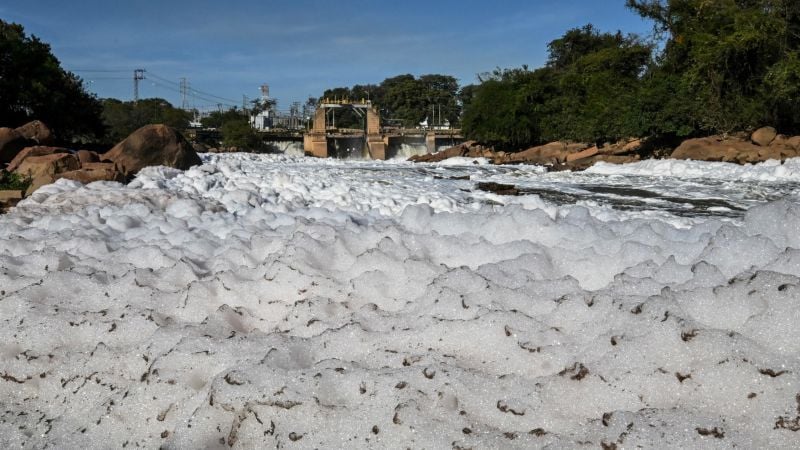
A section of the Tietê River in Brazil is now covered in a thick layer of toxic foam, highlighting the severe pollution problem in the area. The foul-smelling foam is a result of environmental degradation and poses a threat to the ecosystem and public health.
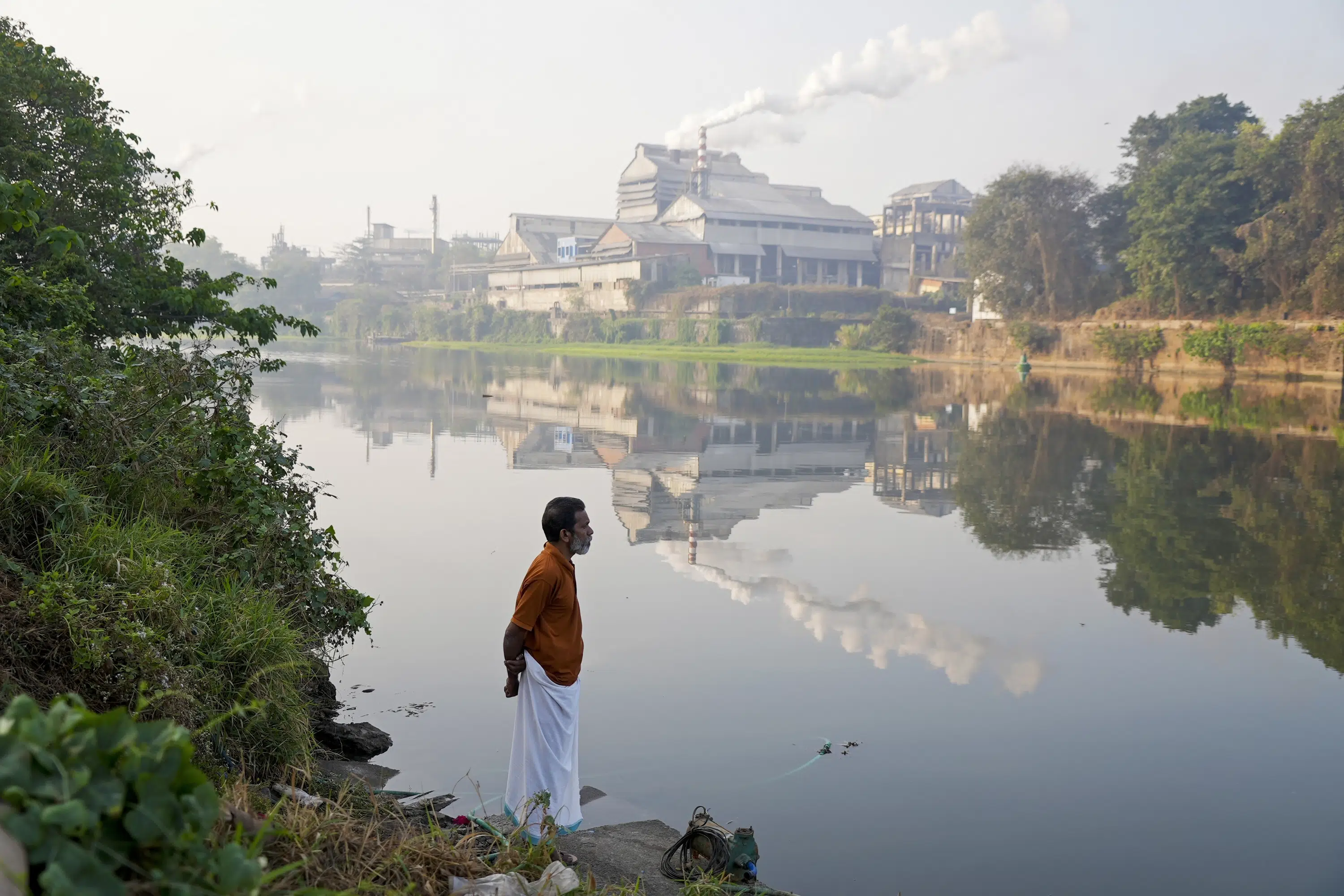
Residents of Eloor, India are struggling to save the Periyar River from pollution caused by over 300 chemical companies that discharge concentrated wastewater with almost no treatment. The river's water and groundwater are now fully contaminated, and the pollution has led to the disappearance of 25 species of fish and contamination in vegetables, chicken, eggs, fruits, and tuber crops from the region. Despite protests and legal action, officials deny the extent of the problem and blame sewage from homes, commercial institutions, and markets upstream.
Residents of Eloor, India are struggling to save the Periyar River from industrial pollution caused by over 300 chemical companies, many of which are more than five decades old. The river has turned dark and most of the fish are gone, while the groundwater is fully contaminated. The state Pollution Control Board denies the industrial pollution, blaming it on sewage from homes, commercial institutions, and markets upstream. However, research shows that the river is contaminated with toxic metals and hazardous chemicals, leading to various diseases among residents. Despite protests and legal cases, the situation remains dire.