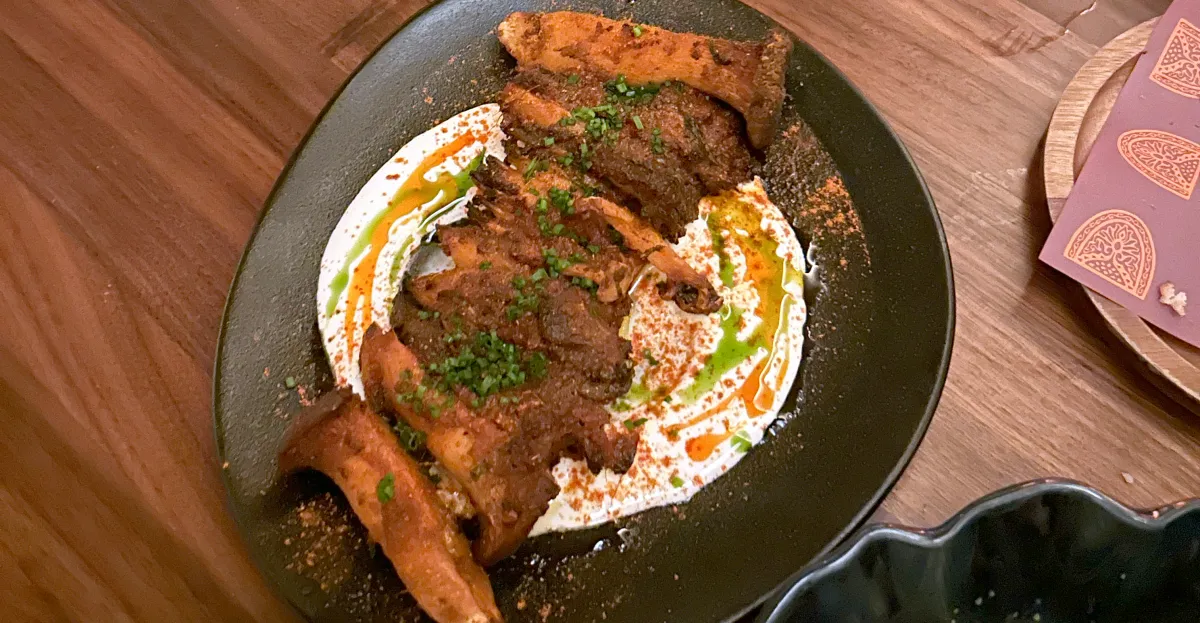
Adda, an East Village Indian restaurant from the creators of Dhamaka and Semma, offers a diverse menu beyond its popular butter chicken, including unique dishes like goat brain masala, pineapple paneer tikka, and Awadhi lamb shank korma, along with flavorful drinks and traditional desserts, making it a must-visit for a rich regional Indian dining experience.

Indian oncologist Dr. Jayesh Sharma highlights the importance of incorporating fermented foods like yogurt, buttermilk, and fermented vegetables into daily diets to boost gut health and potentially reduce cancer risk, emphasizing a holistic approach that includes lifestyle and dietary habits rooted in traditional practices and supported by scientific research.
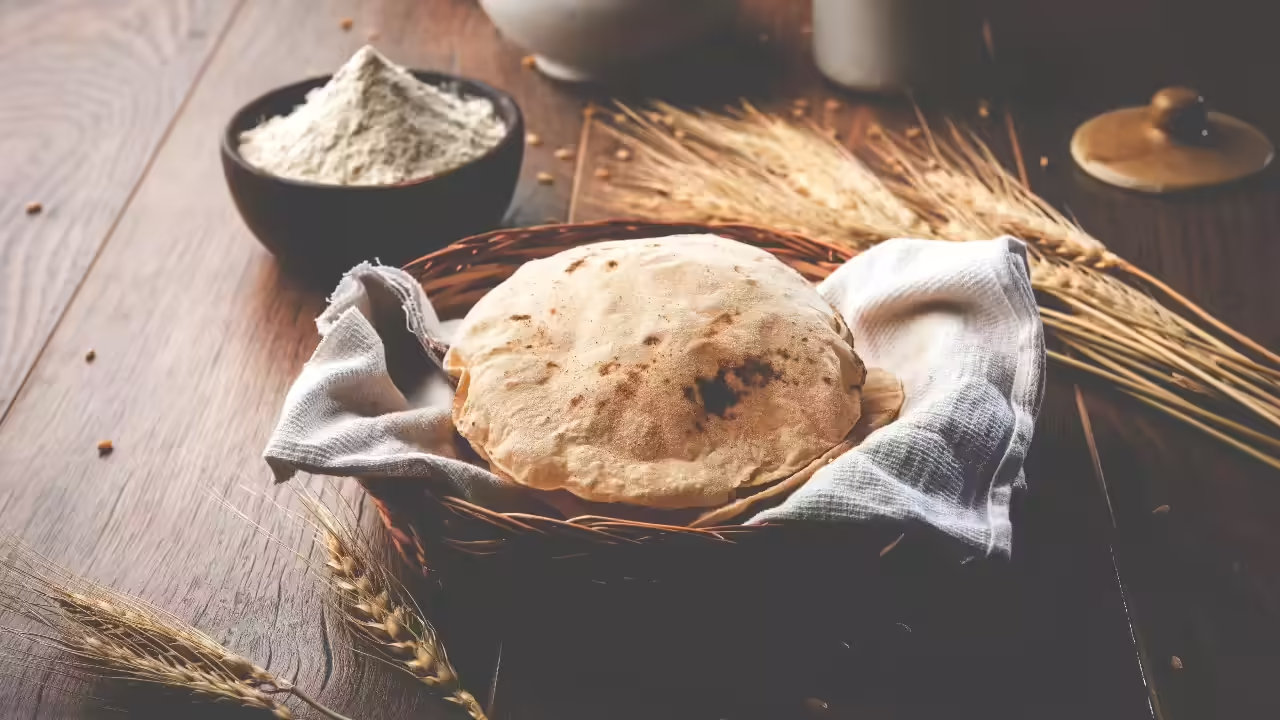
The article explains the digestion times of seven different types of Indian rotis and suggests the best weather conditions for consuming each, highlighting their nutritional benefits and suitability for different seasons.
Two Indian restaurant chains, Moti Mahal and Daryaganj, are embroiled in a legal battle over the origins of popular dishes butter chicken and dal makhani, with Moti Mahal claiming to have invented them in the 1930s and Daryaganj asserting a partnership with Moti Mahal's founder. The lawsuit, seeking damages and alleging website and restaurant design infringement, has captured public attention in India, raising concerns about court time allocation amid a significant backlog of cases. The Delhi High Court is expected to hear the case in May.
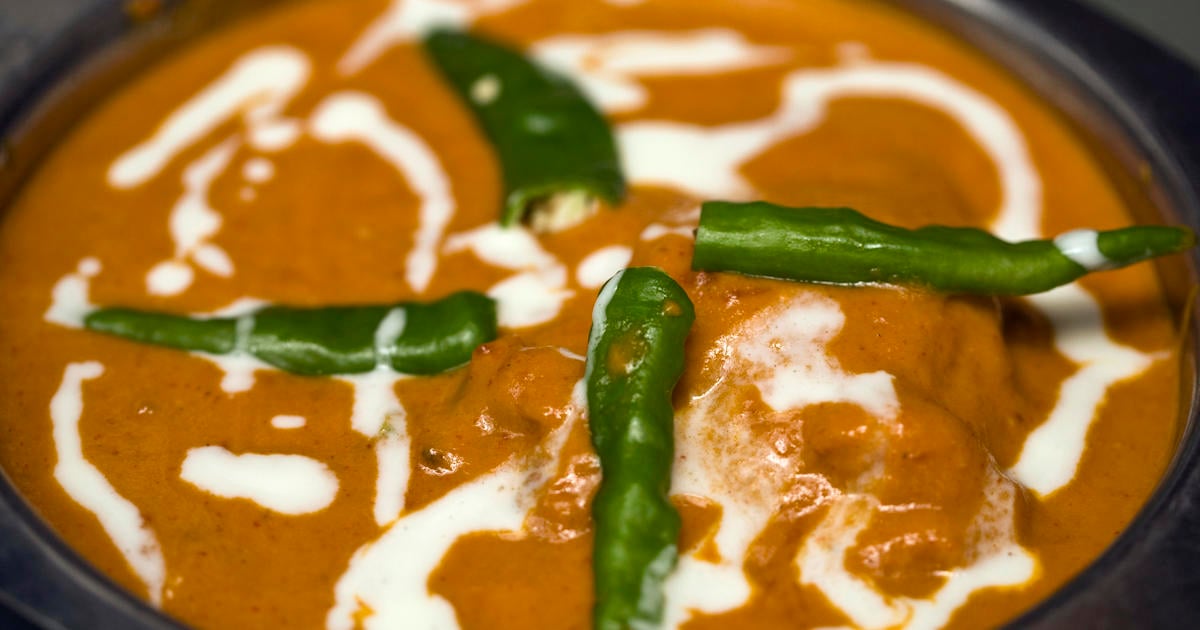
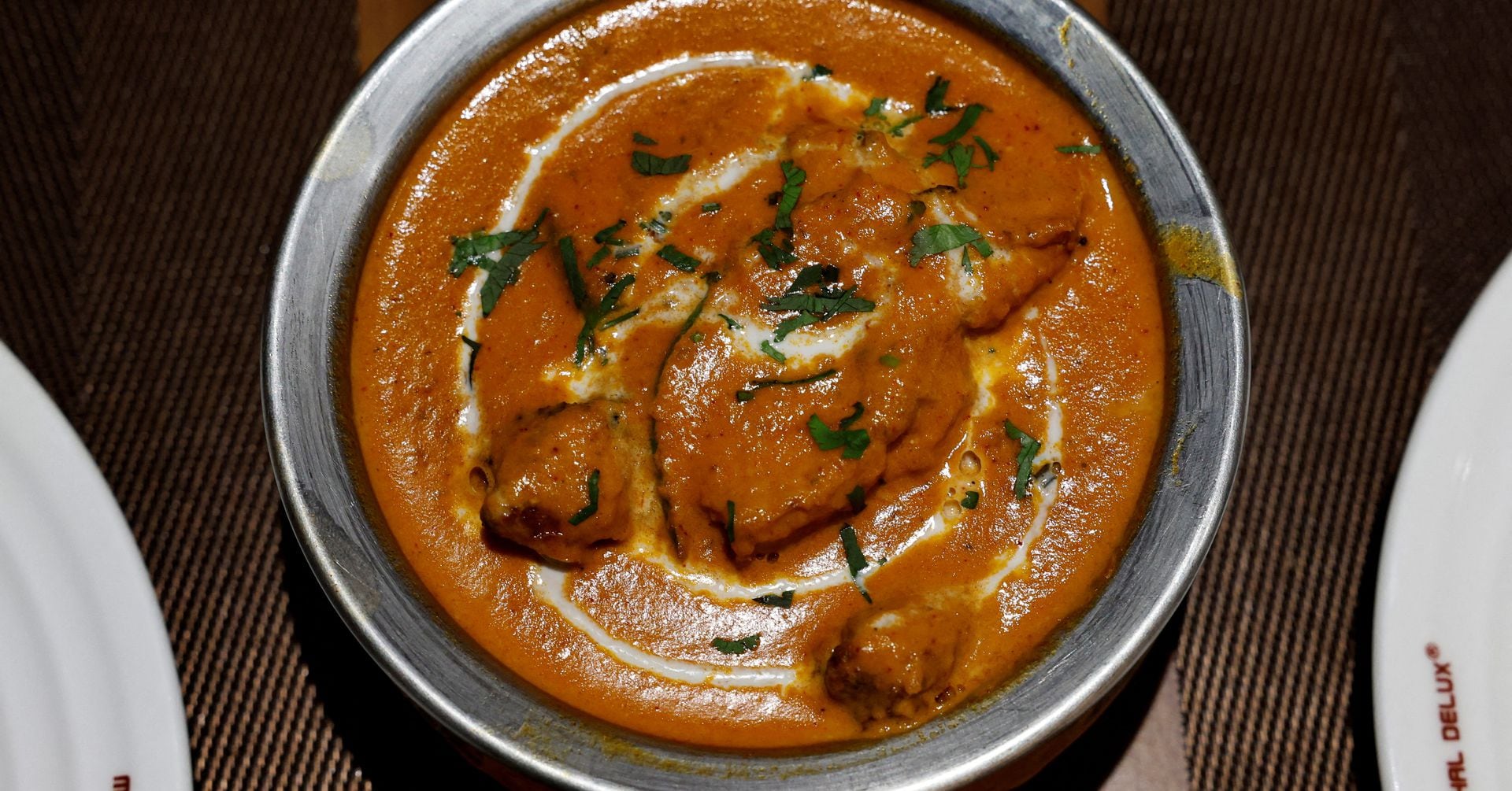
Two Indian restaurant groups, Moti Mahal and Daryaganj, are embroiled in a legal battle over the origins of butter chicken, a popular Indian dish. The Gujral family, owners of Moti Mahal, claims that their grandfather invented the dish in the 1930s, while Daryaganj argues that their late family member partnered with the Gujrals and holds the right to claim its invention. The dispute has garnered widespread attention in India, with TV segments and social media debates, and the case is currently being heard in the Delhi High Court.
Two Indian restaurant chains, Moti Mahal and Daryaganj, are embroiled in a legal battle over the origins of butter chicken, a globally renowned Indian dish. Moti Mahal claims its founder invented the curry in the 1930s in Peshawar before moving to Delhi, while Daryaganj argues that its late family member partnered with Moti Mahal's founder to open the Delhi restaurant in 1947, thus giving it the right to claim the creation of the dish. The dispute has captured national attention, with the court set to rely on circumstantial evidence and testimonies to determine the dish's true origins.
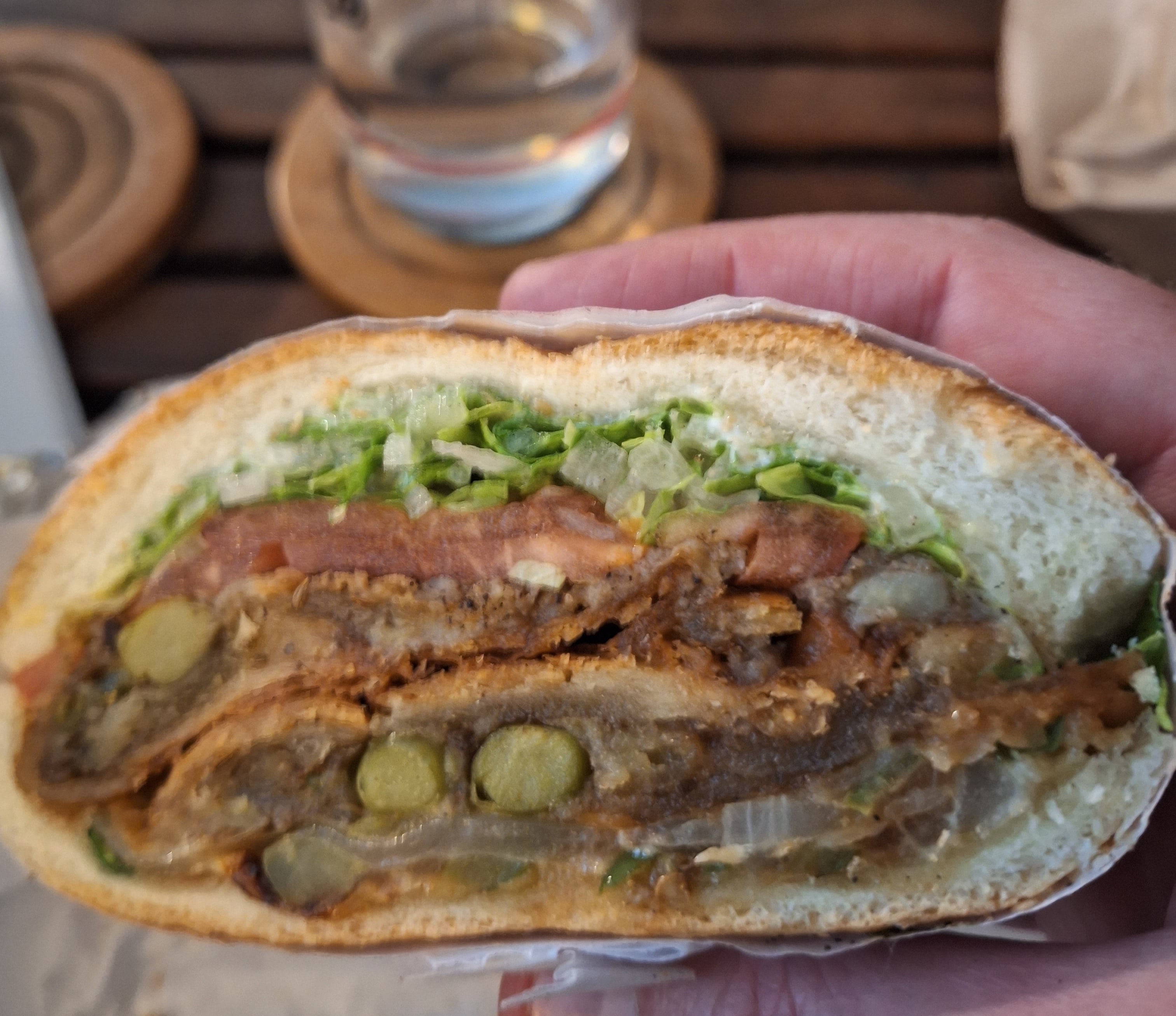
The author celebrates their own action by indulging in a special occasion sandwich from a deli across the street. The sandwich consists of a toasted deli roll topped with squashed samosas, spicy masala, green pepper, onion, and small hot green chili. It offers a unique and confusing taste experience that the author finds irresistible, although they resist the temptation to eat it too frequently. The sandwich's combination of familiar deli ingredients with Indian flavors creates a reliably unstable and delightful culinary experience.
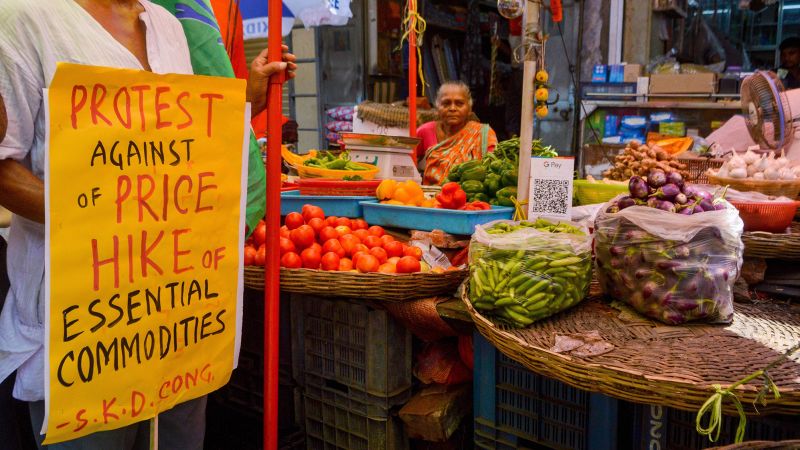
Tomato prices in India have skyrocketed by over 400% due to crop failures caused by extreme weather conditions, including scorching heat waves and heavy rains. The price increase has impacted households and restaurants, with some McDonald's outlets temporarily removing tomatoes from their burgers due to quality issues and supply shortages. Climate change is considered a driving factor behind the tomato shortage, as India experiences earlier and more prolonged heatwaves. Experts warn that the cascading effects of the climate crisis will have devastating consequences on India's agriculture, economy, and public health systems. The next tomato crop is expected to stabilize prices in a few weeks.
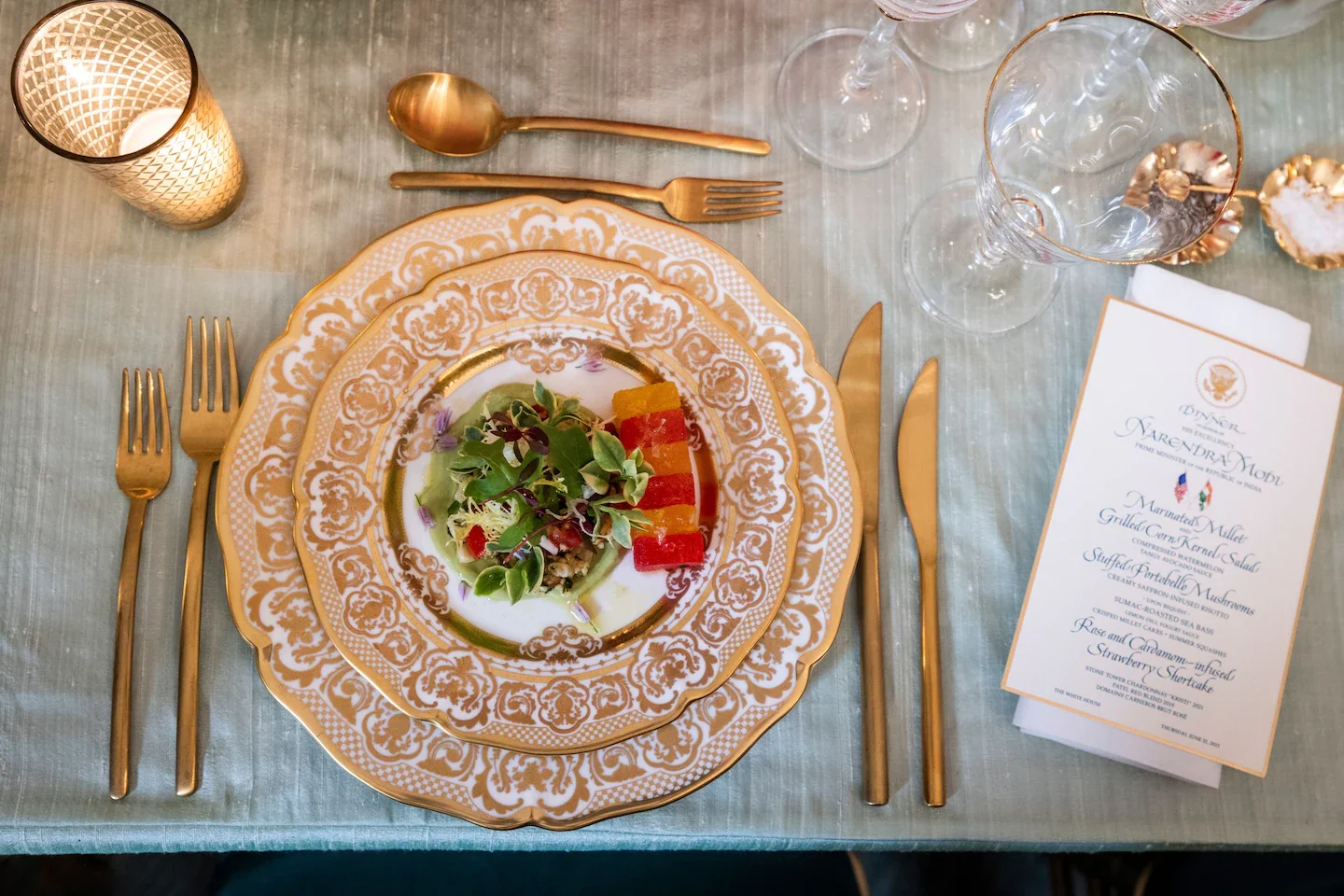
The Bidens' state dinner for Indian Prime Minister Narendra Modi will be mostly vegetarian, featuring stuffed portobello mushrooms and saffron-infused risotto. The menu incorporates seasonal American ingredients while paying homage to Indian cuisine with signature flavors like saffron and cardamom. The dessert is a rose-and-cardamom-infused strawberry shortcake. The guest chef, Nina Curtis, is known for healthful, plant-based cuisine. The menu allows guests from both countries to experience something of the other's culture.
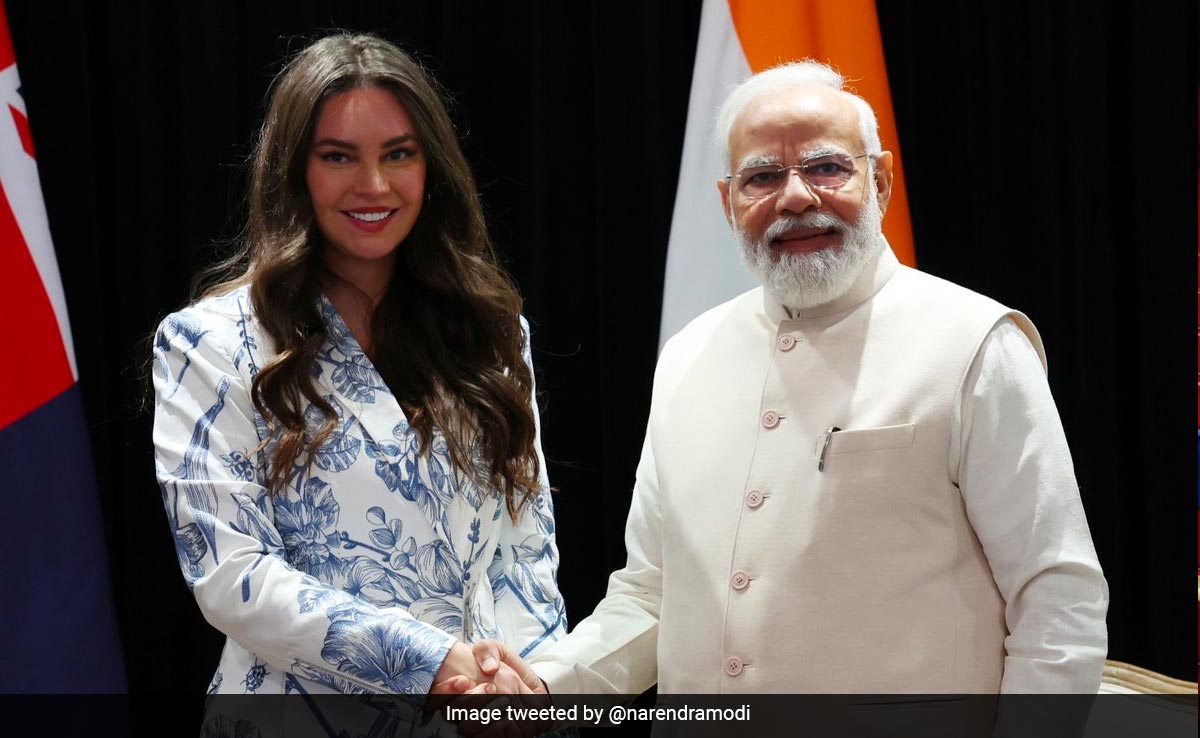
Celebrity chef Sarah Todd met with Indian Prime Minister Narendra Modi during his visit to Australia and discussed ancient Indian cuisine and Ayurveda. Todd praised Modi for his "incredible work" and said she felt lucky to have met him. The two discussed the use of local ingredients and their health benefits. Todd said the meeting reinforced her love of India and passion for the food industry.
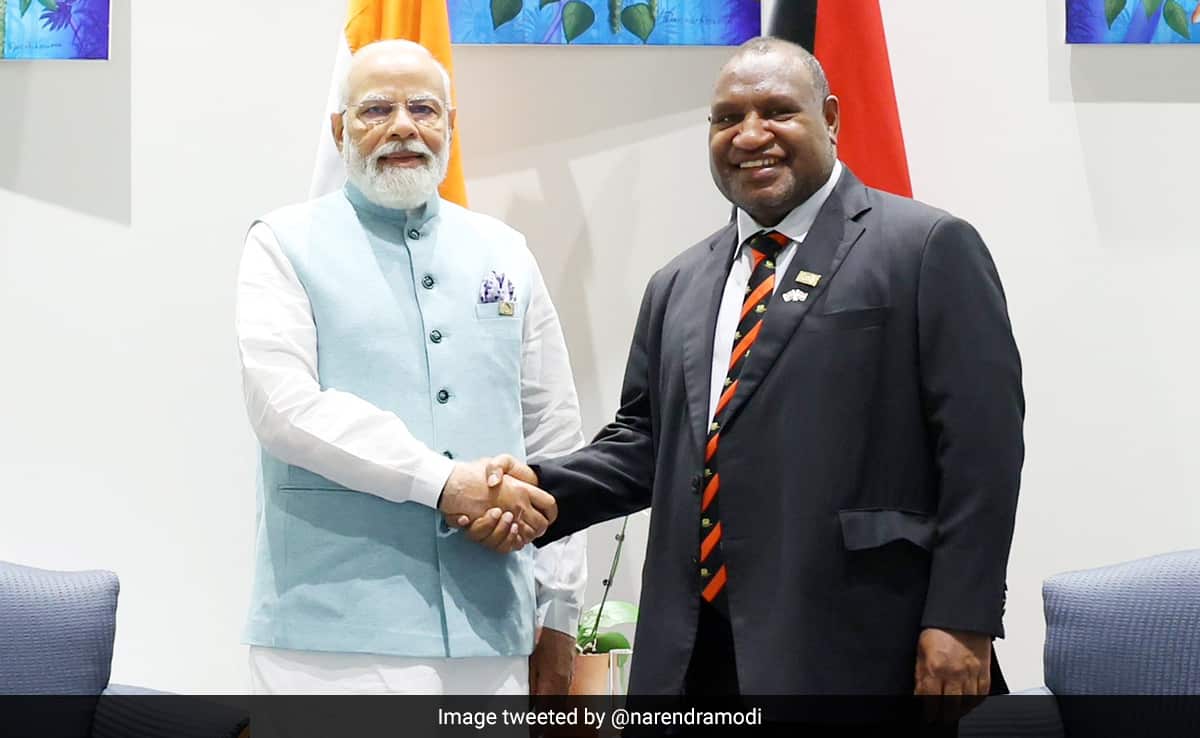
PM Modi hosted a lunch for leaders attending the third India-Pacific Islands Cooperation (FIPIC) Summit in Papua New Guinea, featuring Indian cuisine and millets. The menu included Khandvi, Malai Kofta, Vegetable Kolhapuri, Dal Panchmel, Ragi Gatta curry, and Millet biryani. The inclusion of millet reflects the importance India gives to these small-seeded foods. The guests were also served Masala chaas, Paan Kulfi, and Malpua with Rabdi. PM Modi is the first Indian prime minister to arrive in Papua New Guinea and hosted the FIPIC Summit jointly with his counterpart James Marape.
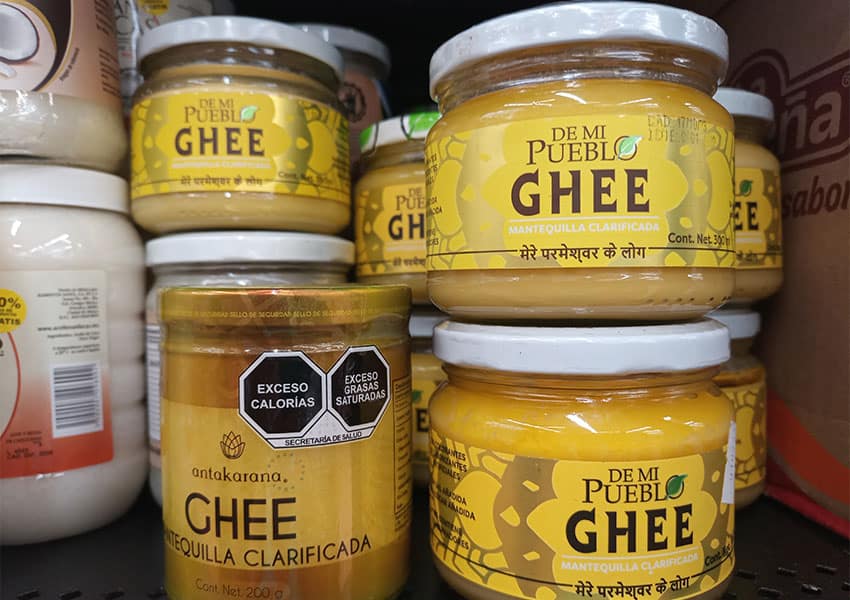
Ghee is a lactose-free fat made by simmering butter at a low temperature and removing the milk solids. It has a nutty aroma and flavor, a golden color, and a high smoke point, making it perfect for deep-frying or sauteing. While it has been used in Indian cuisine for thousands of years and is embraced by many celebrities as a wonder food, it is also about 50% saturated fat, which may not be healthy for those concerned about LDL cholesterol or heart disease. However, for those on lactose-free diets, ghee is a great option.