Despite the catastrophic Toba supereruption 74,000 years ago, humans survived and even thrived, as archaeological evidence shows adaptive behaviors and technological innovations post-eruption, challenging earlier theories that it caused a severe population bottleneck.
A new study challenges the long-held belief that the city of Akhetaten was struck by a deadly plague, based on detailed analysis of burial sites, city activity, and population data, which suggest the city was not affected by a catastrophic epidemic but experienced normal life and gradual decline.
Scientists have traced the evolution of human cultural transmission over 3.3 million years, showing a shift from simple observation to complex, structured teaching methods like explanation, modular teaching, and selective instruction, which developed in tandem with increasing cultural complexity.
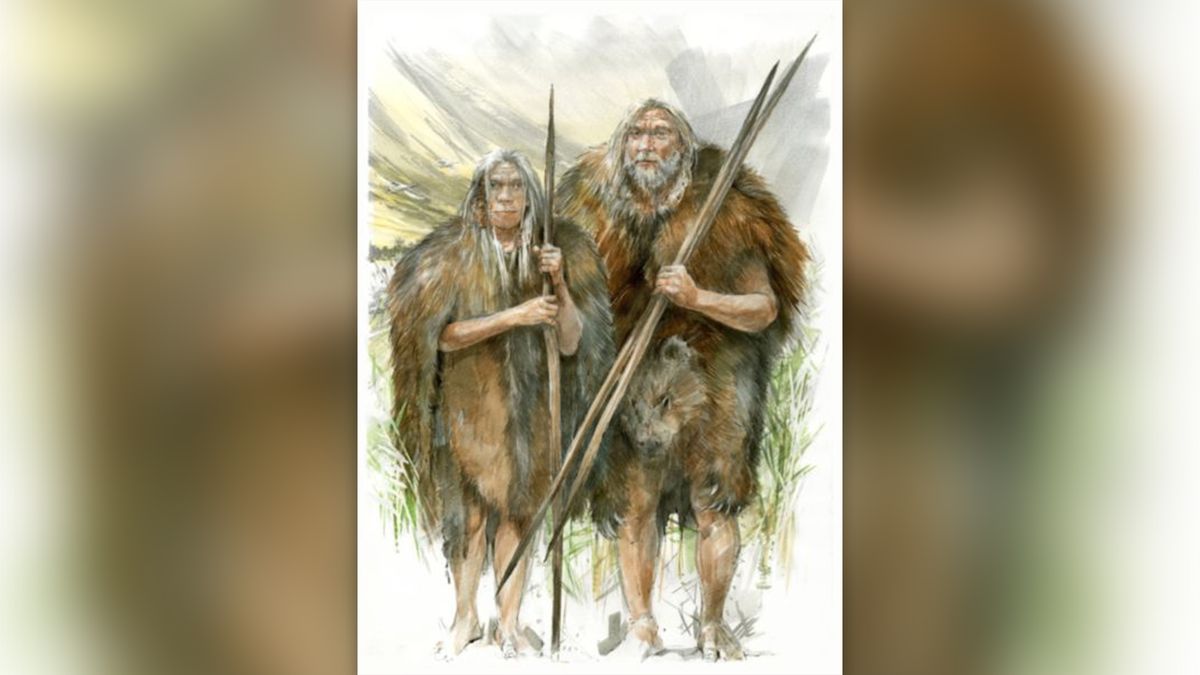
The question of when humans started wearing clothes is difficult to answer due to the lack of surviving clothing artifacts. Evidence from bones, lice evolution, and archaeological findings suggests that Homo heidelbergensis may have worn bear skins around 300,000 years ago, while anatomically modern humans likely began regularly wearing simple clothes around 170,000 years ago. However, different human groups may have started and stopped wearing clothes multiple times throughout history, as seen in the archaeological record of Aboriginal people in Tasmania.
Two new studies challenge the traditional notion that men were the primary hunters in prehistoric times, suggesting that women were likely the superior hunters. Physiological advantages such as women's better endurance, hormone levels, and skeletal structure make them well-suited for the arduous task of hunting. Archaeological evidence also shows that women suffered hunting-related injuries and were buried with hunting equipment, indicating their active participation in hunting. The researchers aim to correct the historical erasure of women's role in hunting and challenge the idea of female physical inferiority.
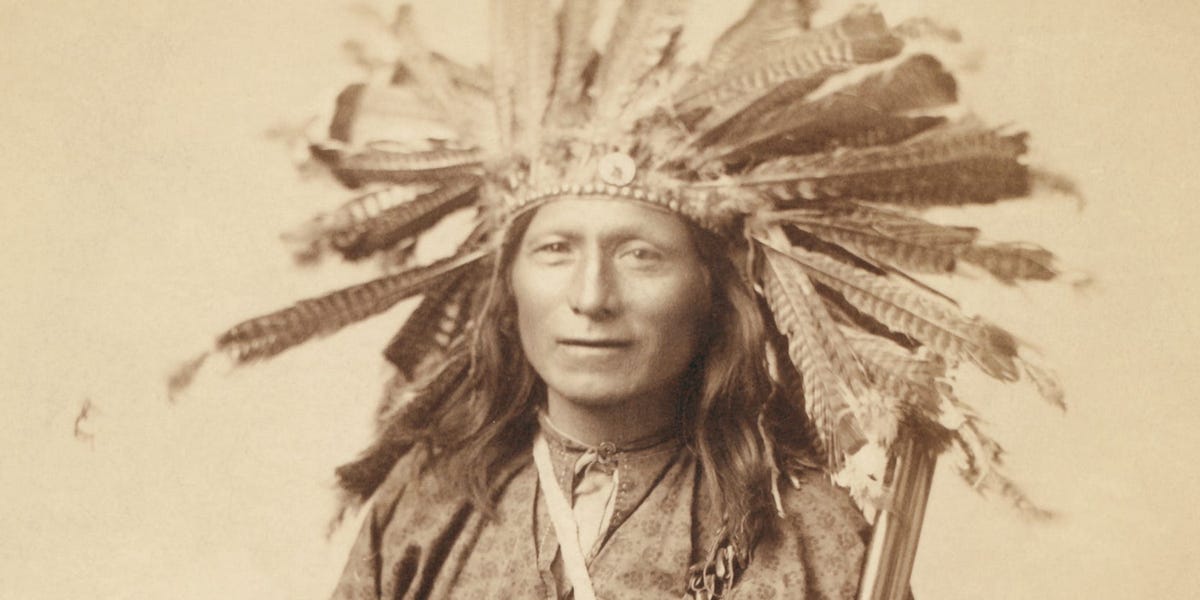
Turkeys held significant spiritual roles in ancient Native American societies, revered for their feathers and associated with myths and deities. Archaeological evidence, such as ceremonial burials and the use of turkey feathers in rituals, supports their cultural importance. Turkeys were not originally used as a food source until Europeans arrived in the 1500s and 1600s, as they were primarily fed corn, a precious crop at the time. Despite becoming a popular food source, turkeys have retained their symbolic value in Native American communities.
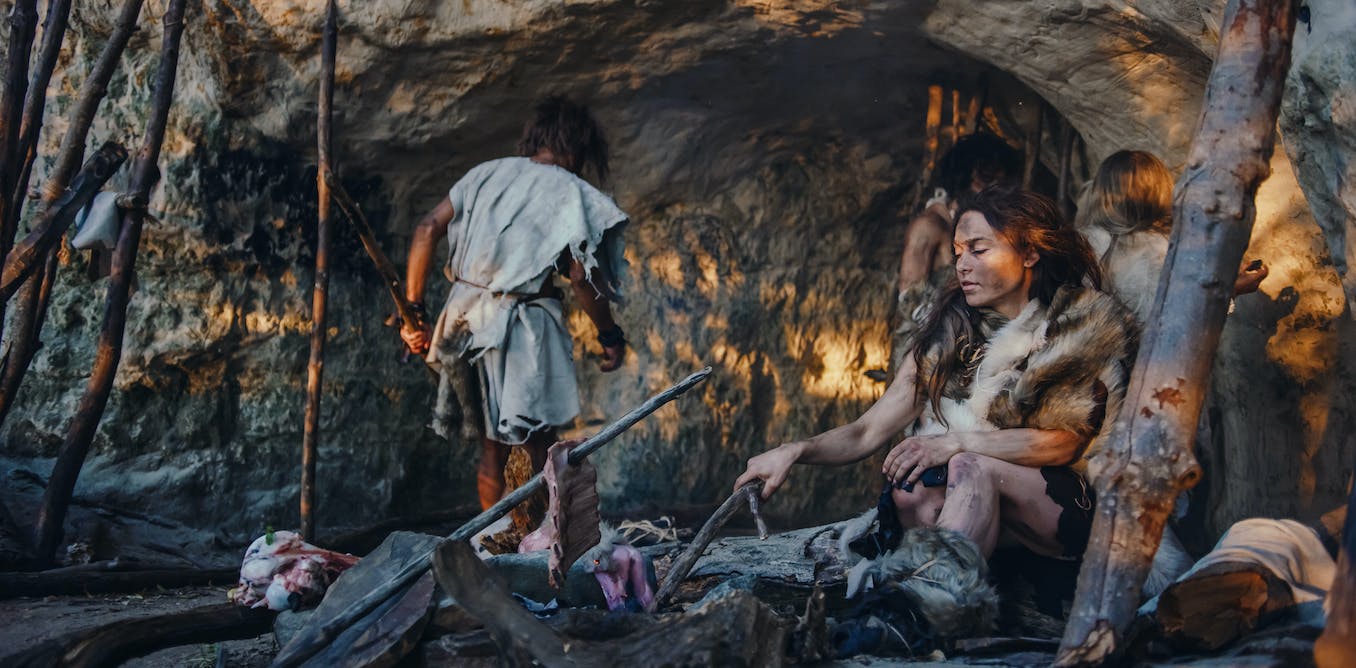
Physiological and archaeological evidence challenges the assumption of a gendered division of labor in prehistoric times. The idea that men were hunters and women were gatherers is a narrative that has been perpetuated by biased interpretations and lacks sufficient evidentiary support. Recent research suggests that women may have been better suited for endurance-dependent activities like hunting. Female bodies have physiological advantages such as higher estrogen levels, which contribute to endurance performance, fat metabolism, and post-exercise recovery. Archaeological evidence from Neanderthals and early modern humans also indicates a lack of gendered labor roles. The notion that women were limited to gathering due to reproductive capabilities ignores female physiology and perpetuates existing power structures.
The traditional narrative of "Man the Hunter" in prehistoric times is being challenged by a growing body of evidence. Physiological, anatomical, ethnographic, and archaeological research suggests that women not only hunted alongside men but may have been better suited for endurance-dependent activities. Female bodies have certain advantages, such as higher estrogen levels that enhance endurance, a greater proportion of type I muscle fibers that metabolize fats for sustained energy, and faster post-exercise recovery. There is no evidence of gendered labor roles in the Paleolithic era, and both men and women likely participated in hunting and gathering activities. The myth that women were limited to gathering due to reproductive capabilities perpetuates existing power structures and ignores the diverse roles played by our ancestors.
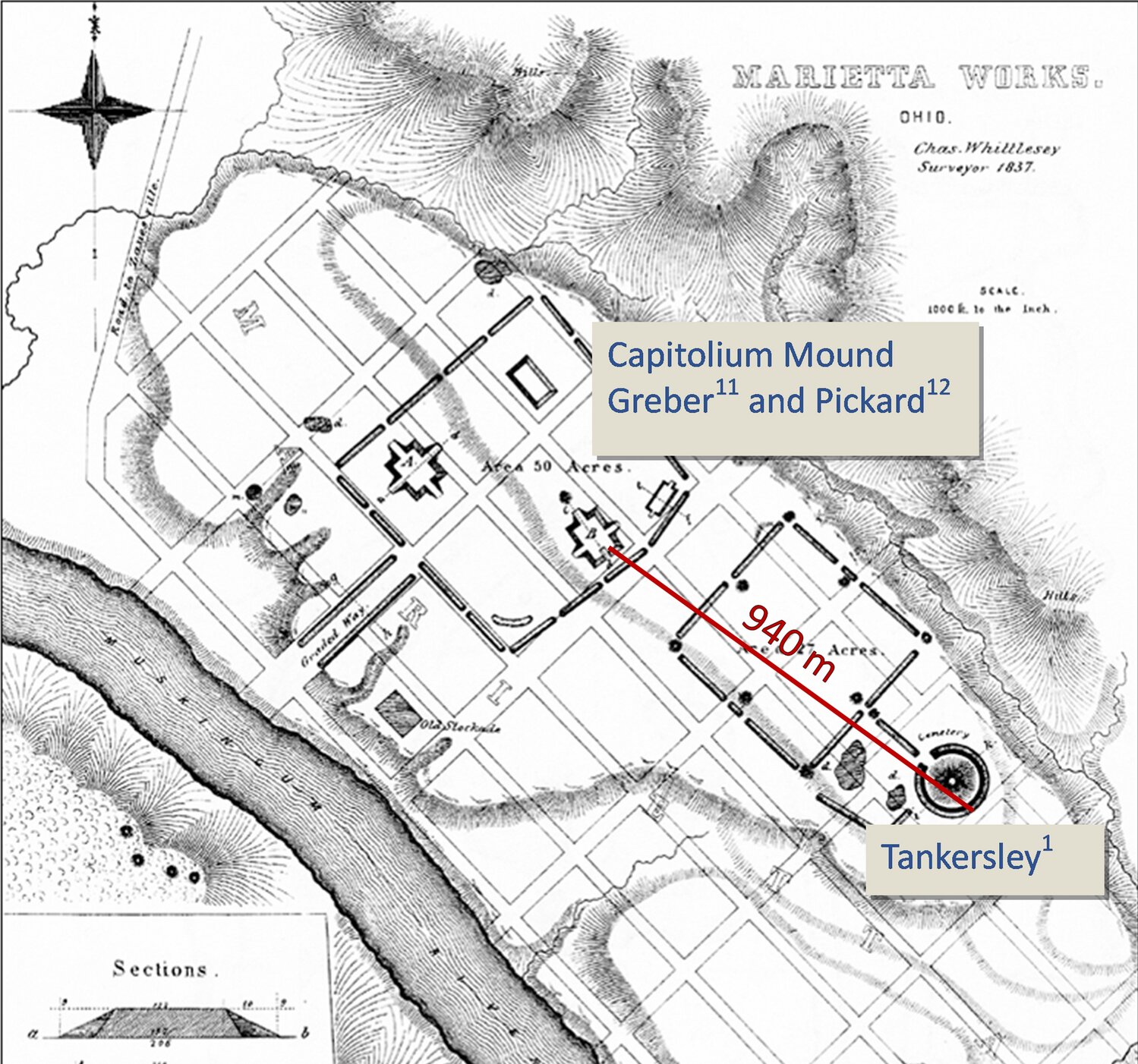
Archaeologists have refuted the claim that a comet destroyed the ancient Indigenous Hopewell culture around 1,500 years ago. A study led by Dr. Kenneth Tankersley claimed evidence of a cosmic airburst at 11 Hopewell archaeological sites, but a review by Dr. Kevin C. Nolan and other experts found the evidence to be inadequate. They argue that the burned surfaces identified by Tankersley's team were either ceremonial burnings or not burned surfaces at all. The presence of meteorites and microspherules were likely brought to the sites by ancient Indigenous peoples for ceremonial purposes, and the available radiocarbon dates do not support the claim of a comet impact. The decline of the Hopewell culture was attributed to social and religious changes rather than a catastrophic event.