Tag

Archaeological Site

All articles tagged with #archaeological site

archaeology1 year ago

"9,000-Year-Old Rock Art and Dinosaur Footprints Unearthed in Brazil"

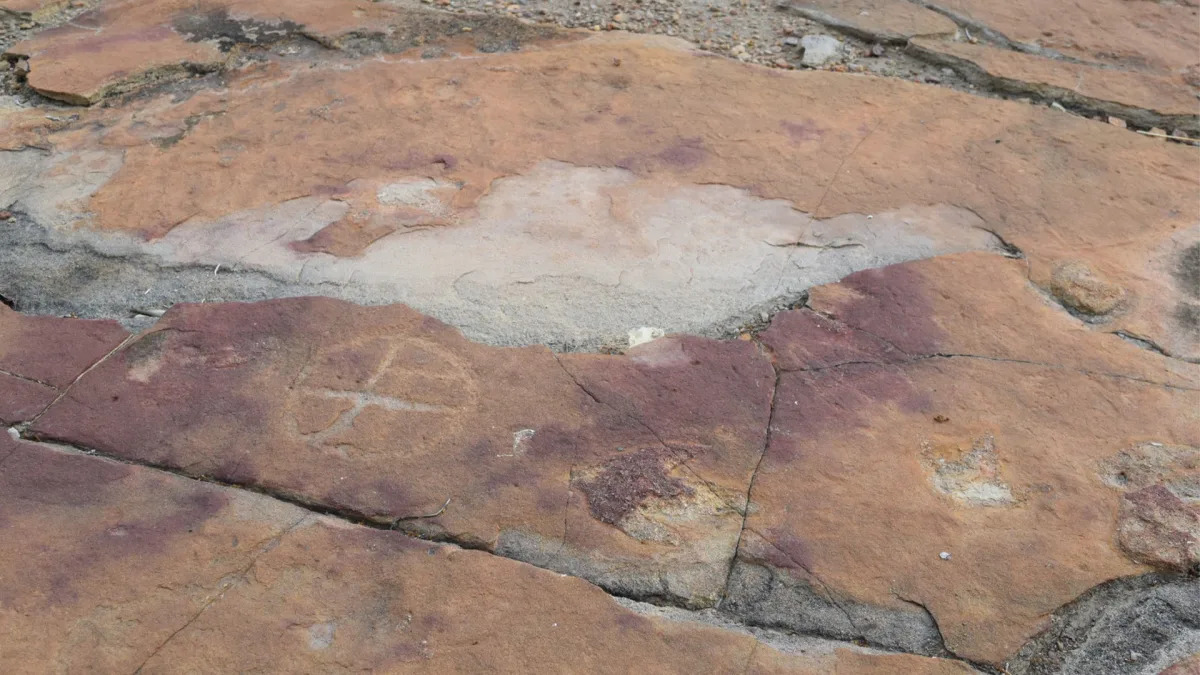
In Brazil, researchers have discovered 9,000-year-old rock art created by hunter-gatherers near fossilized dinosaur footprints dating back to the Cretaceous period. The petroglyphs, found at the Serrote do Letreiro site, are believed to have been intentionally placed next to the dinosaur tracks, with some appearing to illustrate the prints. The art, attributed to small seminomadic groups of hunter-gatherers, consists of geometric carvings made using perforation and scraping techniques. This discovery sheds light on the ancient humans' awareness of and interaction with the dinosaur footprints in the region.

archaeologyanthropology1 year ago

"Surviving the Toba Supervolcano: Evidence of Remarkably Adaptive Human Population 74000 Years Ago"

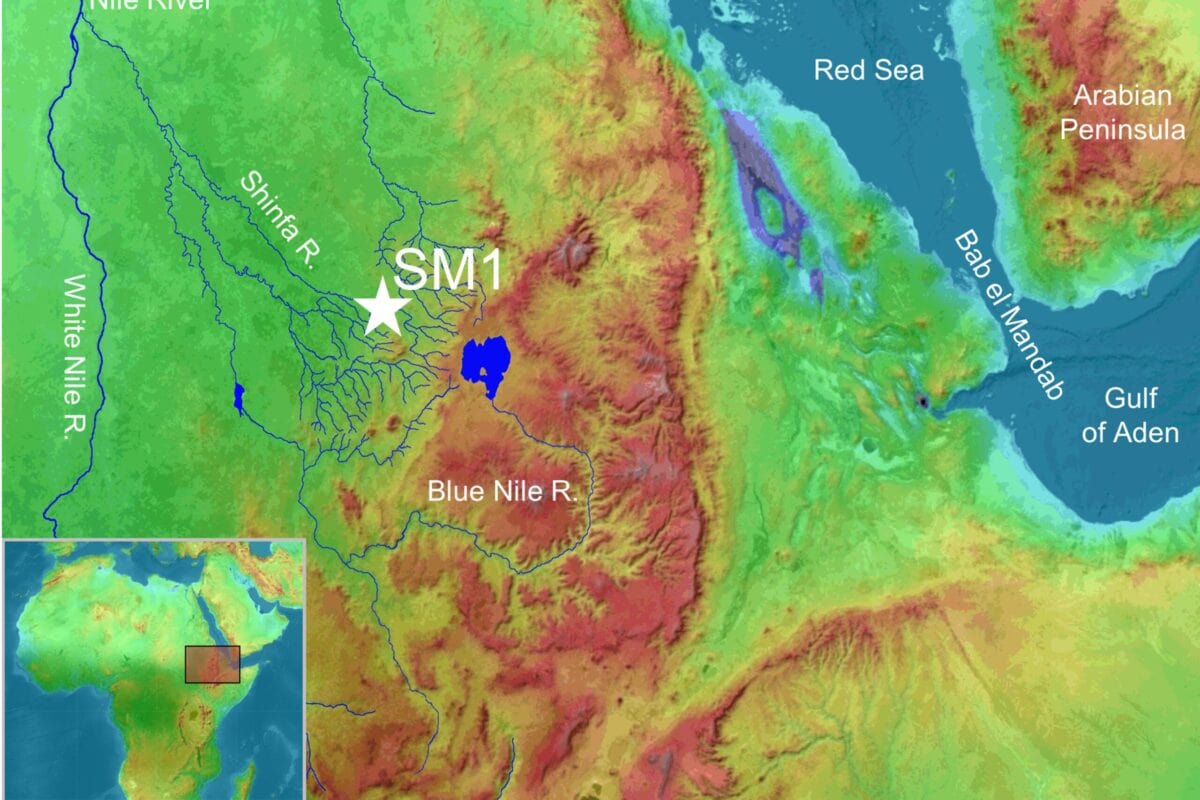
Researchers in Ethiopia have discovered evidence at the Shinfa-Metema 1 site showing that a human population survived the Toba supervolcano eruption 74,000 years ago. The findings suggest that humans may have dispersed during arid intervals along "blue highways" created by seasonal rivers, challenging previous hypotheses about human migration. The discovery of stone tools also indicates the oldest evidence of archery. The study's implications include the ability to correlate archaeological sites across Africa with a time resolution of weeks, shedding new light on the impact of the Toba eruption on early human populations.

archaeology1 year ago

Ancient Neanderthals' Ingenious Stone Tool Adhesives Uncovered

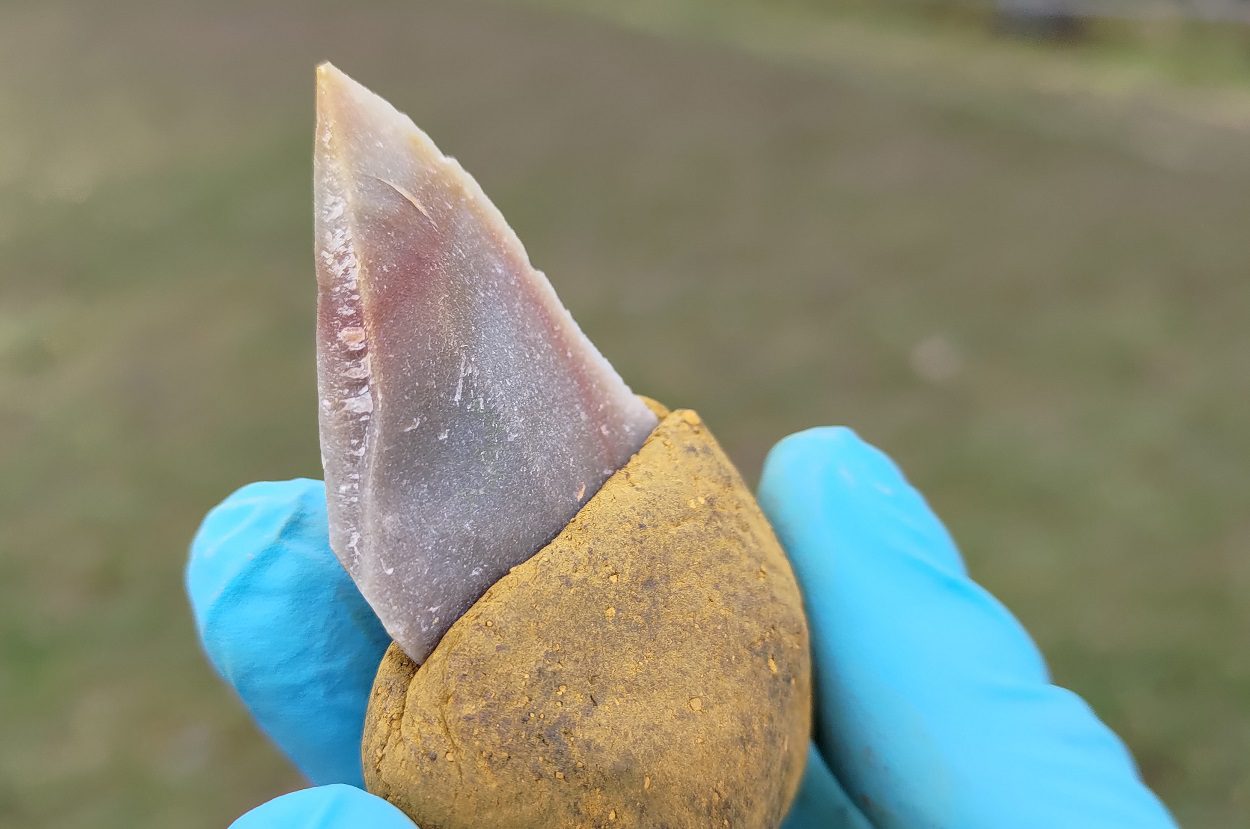
A new study published in Science Advances reveals evidence of Neanderthals creating stone tools held together by a multi-component adhesive, showcasing a higher level of cognition and cultural development than previously thought. The tools, dating from 120,000 to 40,000 years ago, were found at an archaeological site in France and were wrapped and untouched since the 1960s. Traces of a mixture of ochre and bitumen were found on the tools, with tensile tests showing that this combination formed a malleable mass suitable for a handle. Microscopic wear analysis confirmed the use of adhesives in this way, shedding light on Neanderthals' technical abilities.

archaeology1 year ago

"Discovery of 13,000-Year-Old Human Settlement in Colombian Amazon Unveils Stunning Rock Art Site"

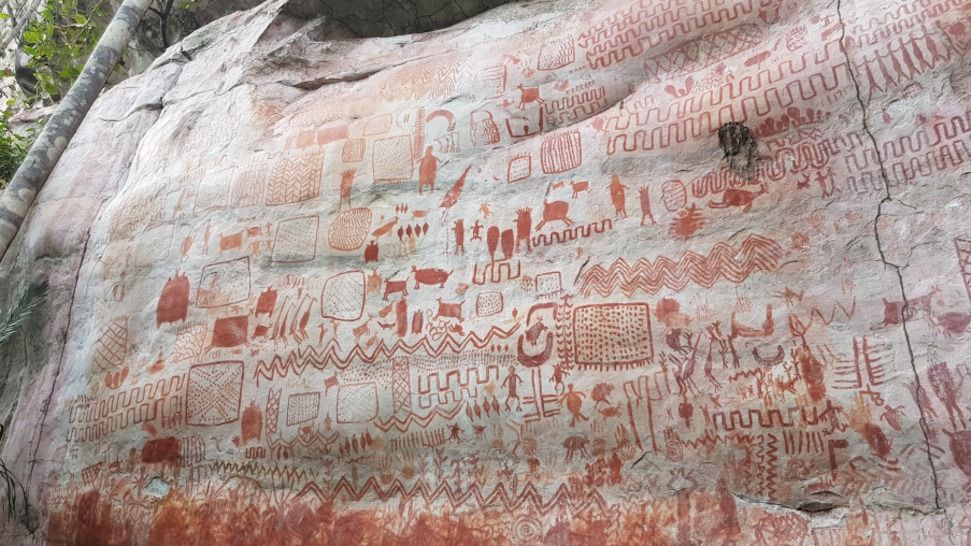
Researchers have discovered evidence that humans settled the Colombian Amazon around 13,000 years ago, as part of a mass migration across the Americas. The findings, based on an archaeological site called Serranía de la Lindosa, reveal that early Americans lived in rock shelters, created rock art, and utilized the area for hunting and gathering. Soil samples and analysis provided insights into periods of occupation and abandonment, as well as evidence of domestic and sacred use of the rock shelters. The study sheds light on the lives and historical trajectories of early inhabitants in the region.

archaeology1 year ago

"High Andes of Peru Reveals 4700-Year-Old Megalithic Circle"

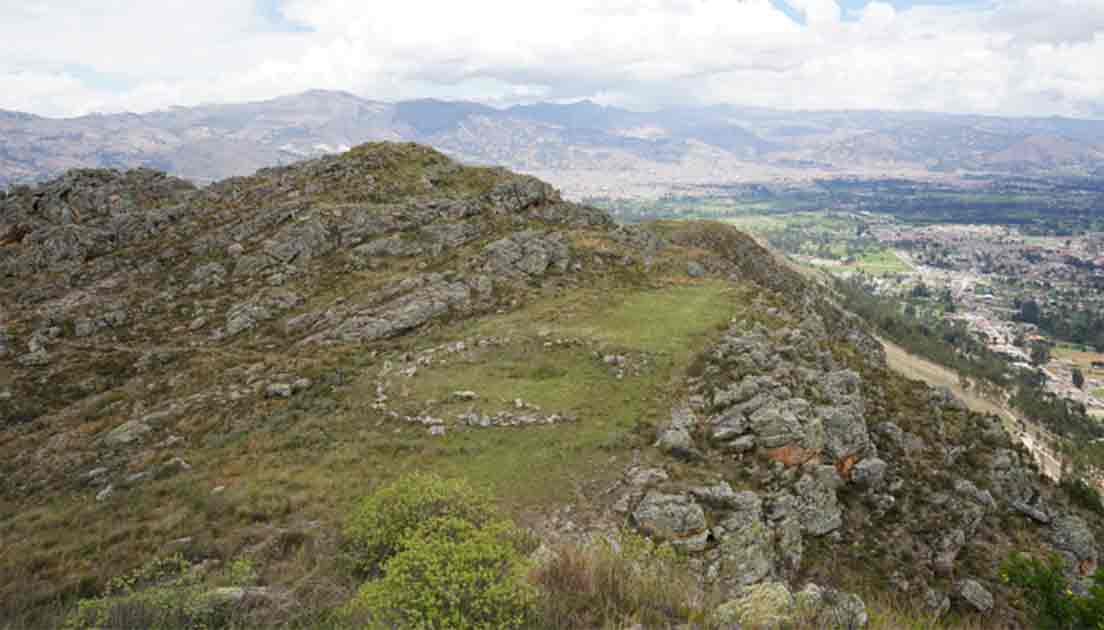
Archaeologists have discovered a 4,700-year-old megalithic stone plaza, known as Callacpuma, in the high Andes of Peru. This significant finding features a stone circle where offerings were made to ancient gods, shedding light on a crucial transitional period in South America. The plaza, built by semi-nomadic groups, raises questions about its function and the rituals that took place there, with evidence suggesting continued use and ceremonial sealing during the Layzón period. The research team plans to use ground-penetrating radar and drone-captured infrared images to uncover more mysteries of the site.

science-and-archaeology1 year ago

"Coexistence and Adaptation: Modern Humans and Neanderthals Rewrite History"

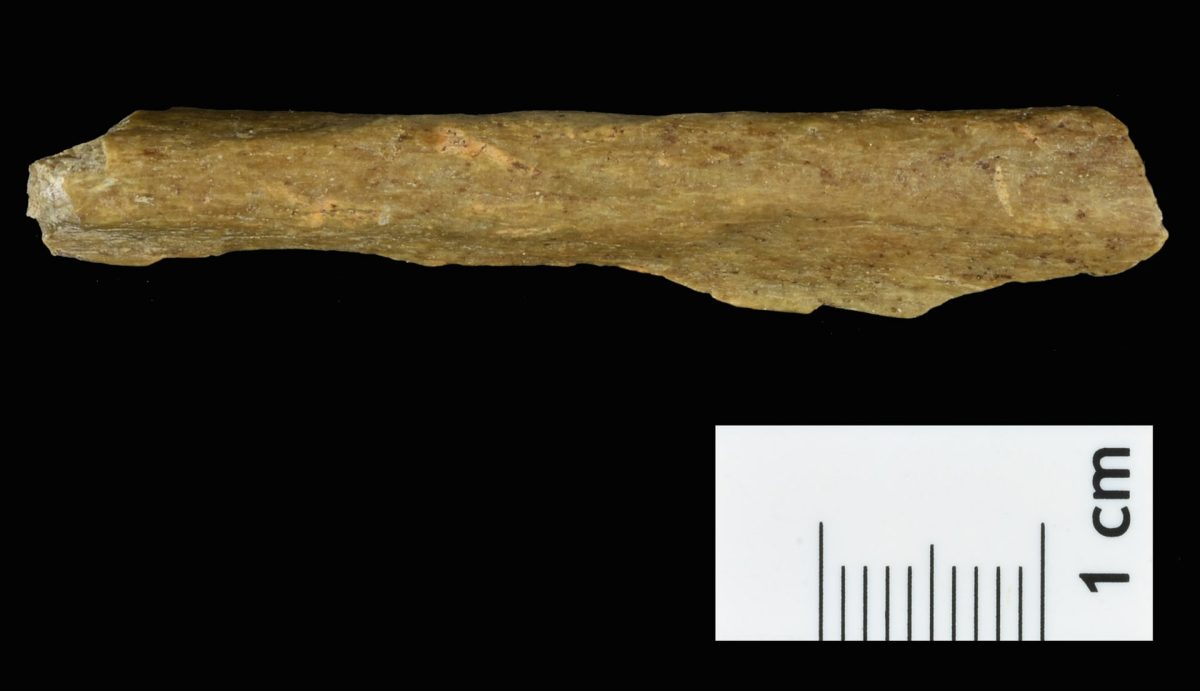
Genetic analysis of bone fragments from an archaeological site in Germany provides evidence that modern humans arrived in northern Europe around 45,000 years ago, coexisting with Neanderthals for millennia and interbreeding with them. Stone tools found at the site were initially attributed to Neanderthals but are now recognized as part of the early Homo sapiens toolkit. This challenges the previous belief that modern humans arrived after Neanderthals went extinct and suggests they played a role in their demise.

archaeology2 years ago

"Tracing the Lifetime Journey of a Female Woolly Mammoth Through Ancient Alaskan Camps"

Scientists have retraced the journey of a female woolly mammoth named Elma from her birthplace in present-day Canada to eastern central Alaska, where she met her end around 14,000 years ago at the hands of hunter-gatherers. Elma's tusk revealed that she covered roughly 620 miles in under three years, indicating a significant movement for a single mammoth. Analysis of her tusk's chemical elements and ancient DNA provided valuable information about her diet, location, and relationships with other mammoths, shedding light on the interactions between mammoths and early Indigenous people in the region.

archaeology2 years ago

Ancient Child Mummies Discovered in Lima by Peruvian Archaeologists

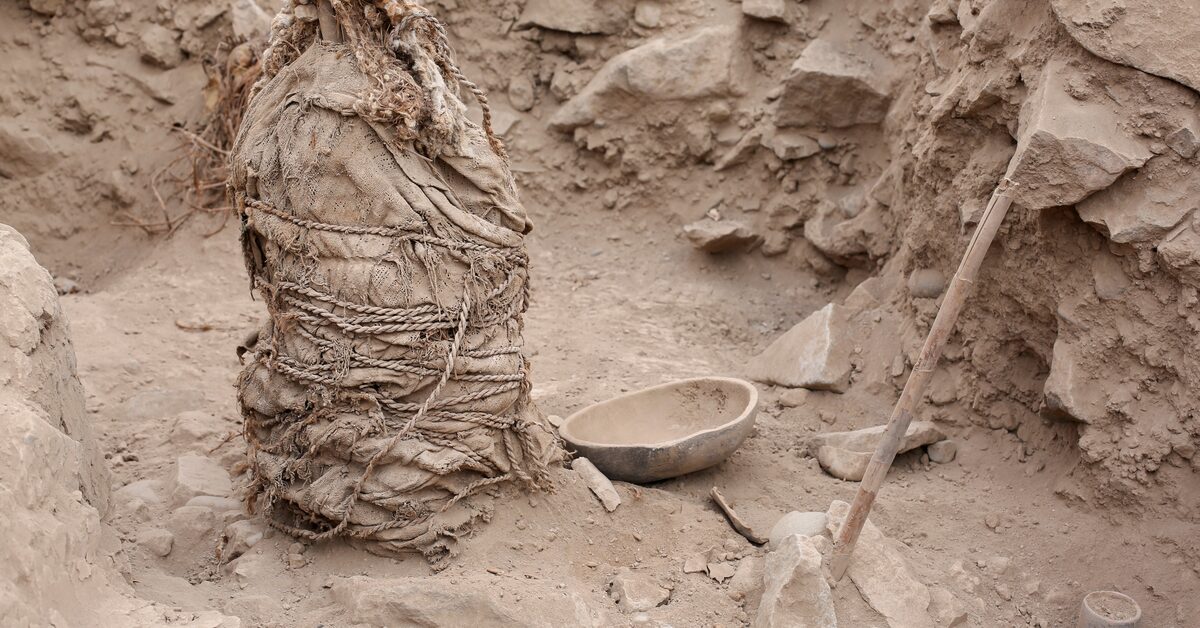
Archaeologists in Lima, Peru, have discovered four mummies of children believed to be over 1,000 years old, along with the remains of an adult, in what was once a sacred ceremonial space. The mummies are believed to belong to the pre-Inca Ychsma culture, which inhabited Peru's central coast. The remains were found at the foot of a staircase on a small hill that likely concealed a temple built 3,500 years ago. The mummies' skulls still had hair on them, and they were found alongside ceramics.

archaeology2 years ago

"Revealing the Ancient Breeding History of Scarlet Macaws"

Scientists have discovered evidence of scarlet macaw breeding in what is now New Mexico during the 1100s, predating known breeding sites in Northwestern Mexico. Analysis of eggshell fragments found at the Old Town archaeological site revealed evidence of fetal development, indicating macaw breeding was occurring at the site. This finding provides insight into the practice of breeding and keeping macaws in the Americas and suggests that scarlet macaws were transported and kept as far north as the desert Southwest in the United States as early as the 600s.

archaeology2 years ago

Netherlands Unearths 4000-Year-Old 'Stonehenge'.

Dutch archaeologists have discovered a 4,000-year-old religious burial ground in the Netherlands that was used as a solar calendar, similar to Stonehenge in the UK. The site, dubbed the "Stonehenge of the Netherlands," includes a burial mound and ditches that allow the sun to shine through on the summer and winter solstices. The sanctuary was roughly four soccer fields long and built with wood and soil. The site is also believed to have been used for rituals, and many valuable items were discovered, including a glass bead from Mesopotamia, indicating contact with groups over 3,000 miles away.