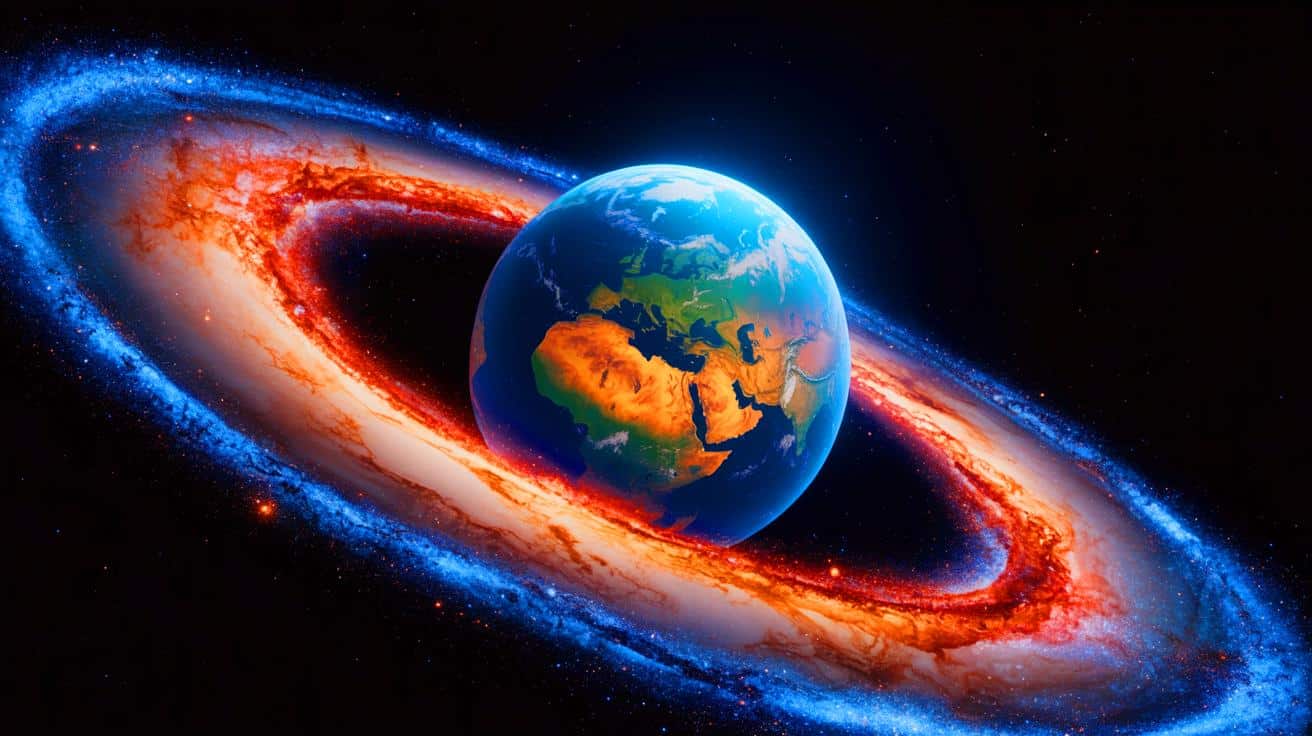
Recent research suggests that Earth's passage through the Milky Way's spiral arms influences geological activity, with zircon crystals and neutral hydrogen data indicating a correlation between galactic crossings and crustal disruptions, though causation remains unproven.
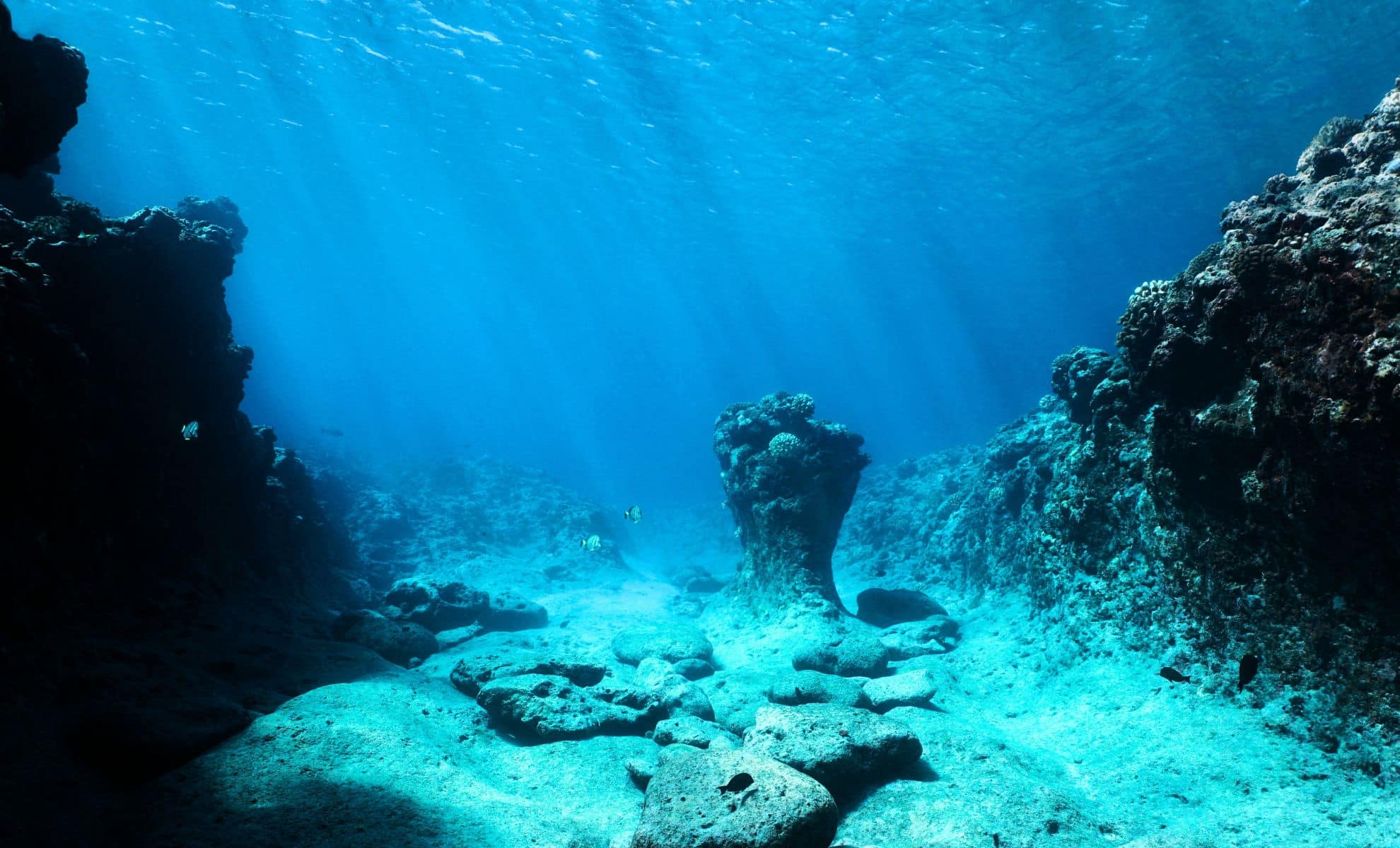
Approximately 15 million years ago, tectonic activity caused Earth's oceanic crust to sink, drastically reducing ocean volume and sea levels by up to 30 meters, while also influencing global climate by decreasing volcanic CO2 emissions and promoting cooling. This event highlights the significant role of geological processes in shaping Earth's oceans and climate, independent of human influence.
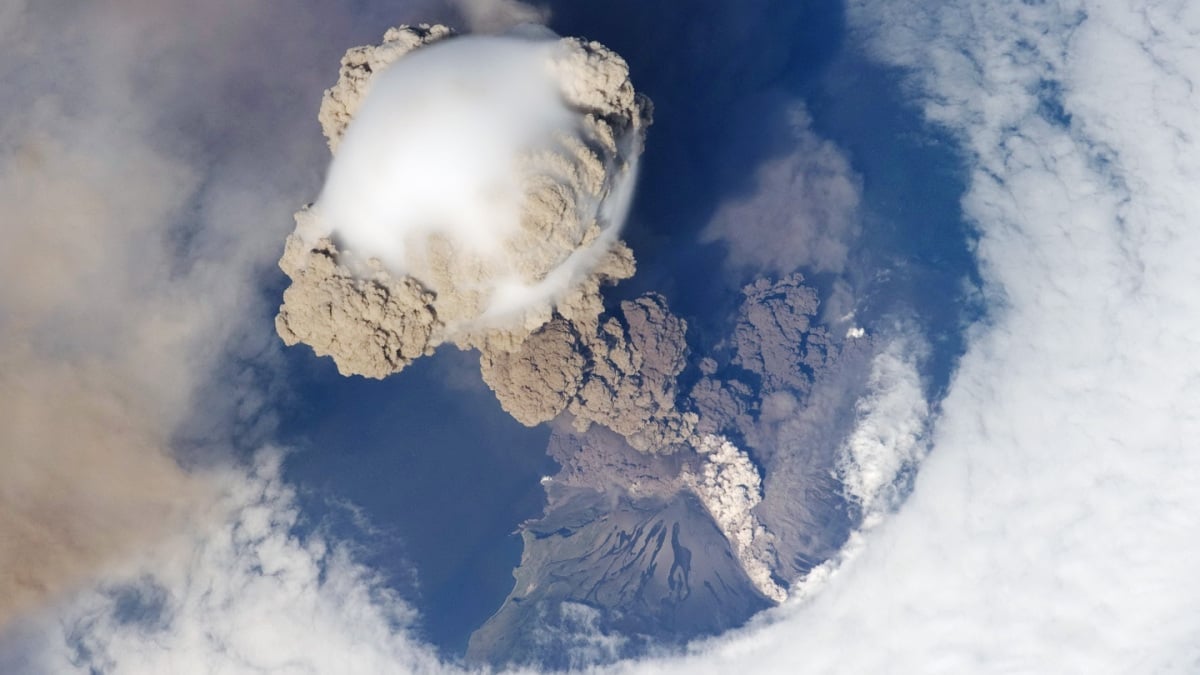
Recent studies and NASA research provide evidence that even in the event of a super-eruption from a supervolcano, humanity would not face global catastrophe. A new study in Ethiopia shows that early humans survived and adapted after the Toba supervolcano eruption 74,000 years ago, suggesting that such events wouldn't wipe out humanity. Additionally, NASA research indicates that the cooling effect from a super-eruption would be temporary and moderate, rather than causing a deep, cold volcanic winter. The evidence suggests that supervolcanoes are unlikely to pose a significant threat to humanity.
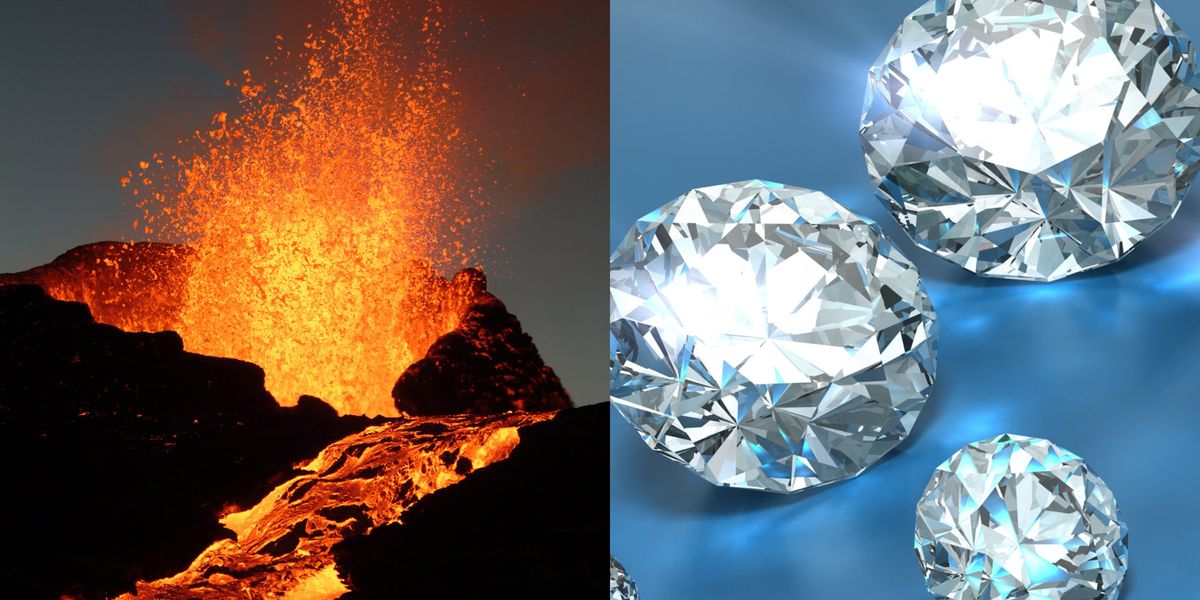
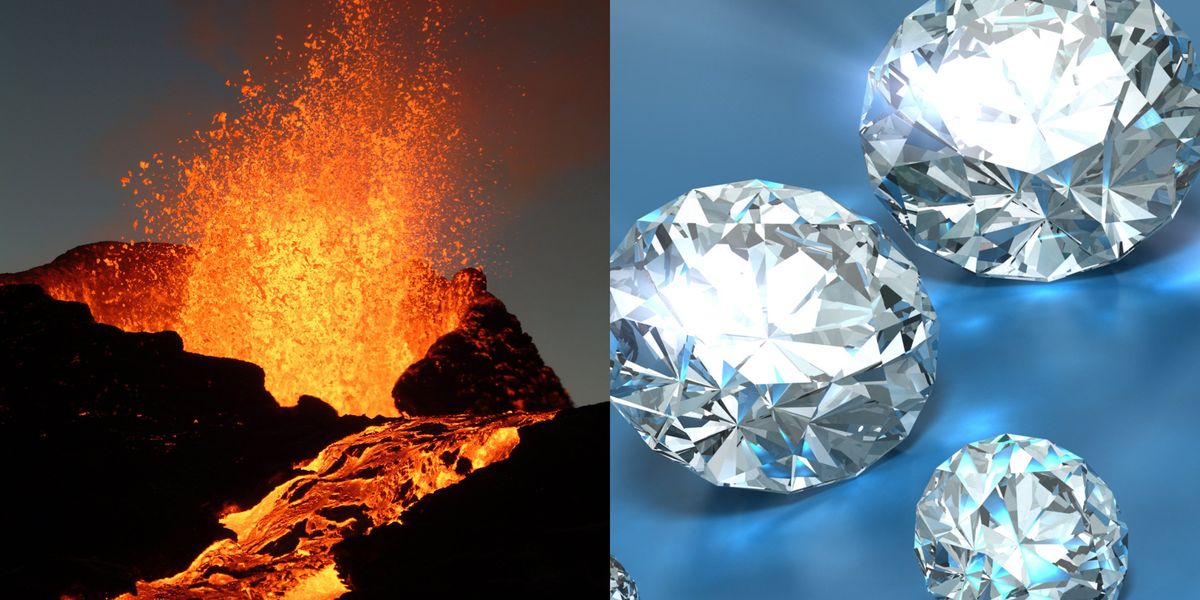
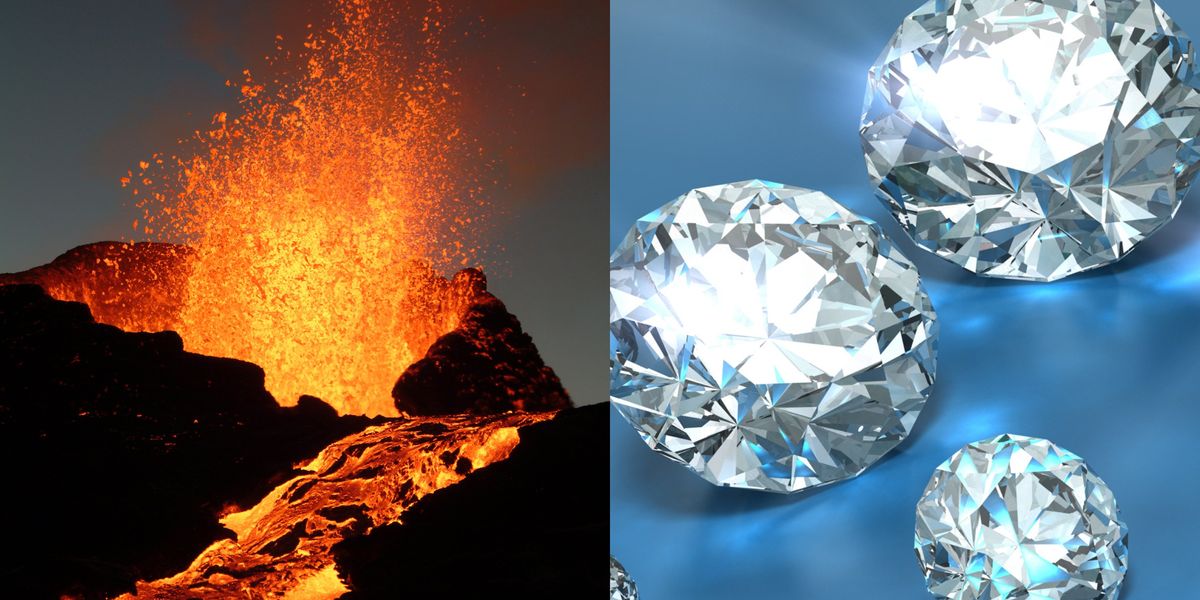
A possible upcoming geological event may result in a fountain of diamonds bursting through Earth’s crust in the form of a kimberlite eruption, which occurs roughly 30 million years after a massive tectonic shift. This explosive event is caused by tectonic plate separation, creating a volatile reaction between Earth’s upper mantle and lower crust, and could reach speeds up to 133 kilometers per hour. While these events are rare and may not occur within our lifetime, understanding the process could aid in finding new diamond deposits on other continents.
New research suggests that major geological events, such as the breaking up of supercontinents, could send "fountains of diamonds" shooting up to the Earth's surface. These diamonds, formed deep within the Earth, are propelled upwards by kimberlite eruptions, which can travel at high speeds and create enormous explosions on the surface. The research indicates that these eruptions occur around 22-30 million years after plates begin to pull apart, leading to the mixing and flow of rock from the upper mantle and lower crust, ultimately causing the explosive rushes of diamonds towards the surface. This work could aid in the search for untapped diamond deposits.
Research suggests that diamonds could be propelled to the Earth's surface during major geological events, such as supercontinents breaking up, through kimberlite eruptions. These eruptions, occurring around 22-30 million years after plates begin to pull apart, result from the mixing and flowing of rock from the upper mantle and lower crust, leading to explosive rushes of rock, water, carbon dioxide, and diamonds towards the surface. The findings could aid in the search for untapped diamond deposits.
New research suggests that major geological events, such as the breaking up of supercontinents, could send "fountains of diamonds" shooting up to the Earth's surface. These diamonds, formed deep below the Earth's surface, are propelled upwards by kimberlite eruptions, creating explosive rushes towards the surface. The research, led by Thomas Gernon and his team, indicates that these eruptions occur around 22-30 million years after plates begin to pull apart, and their findings could aid in the search for untapped diamond deposits.
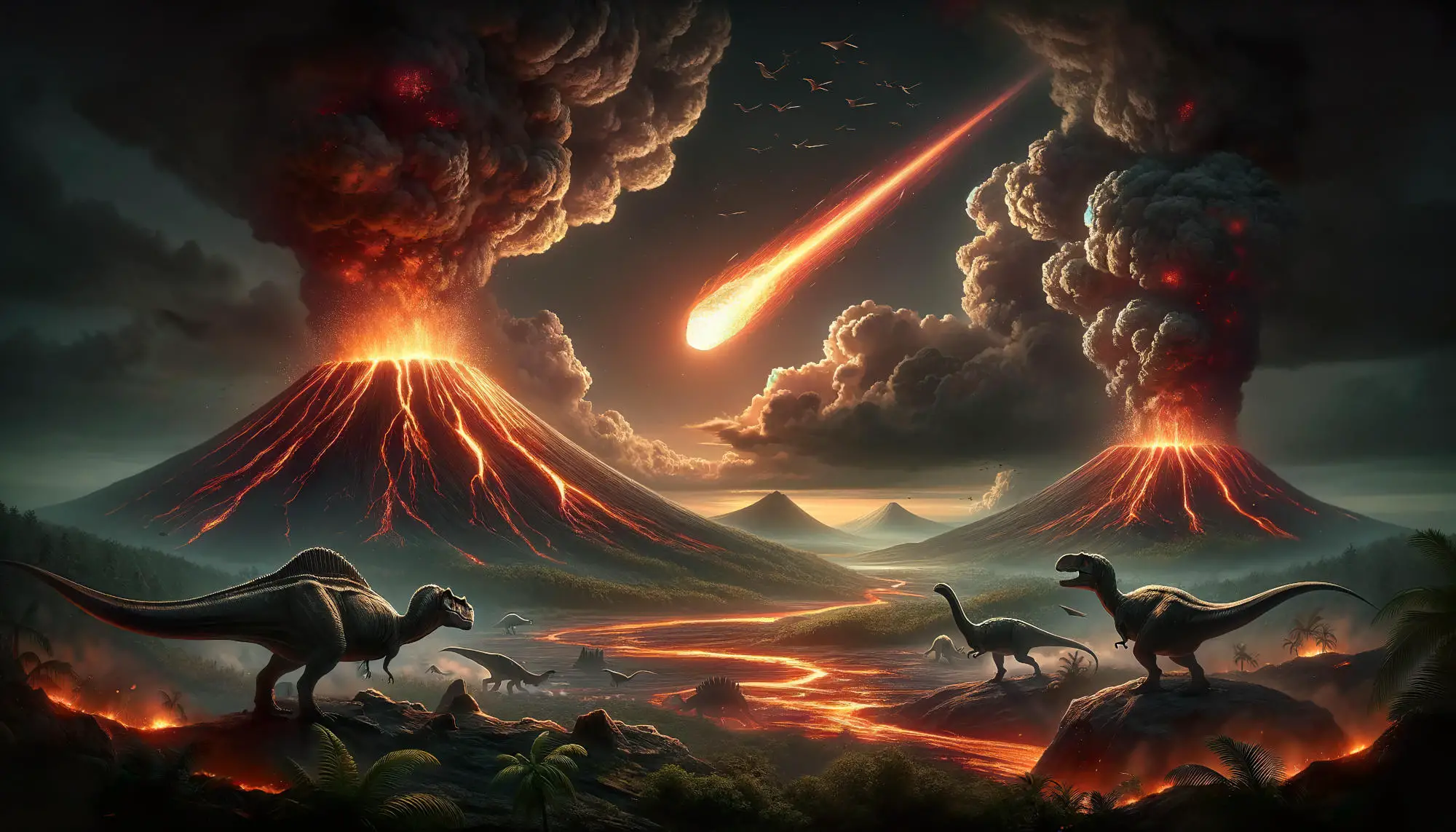
Dartmouth scientists have used an innovative computer model to suggest that volcanic activity, rather than an asteroid impact, was the primary cause of the mass extinction that ended the age of the dinosaurs. By analyzing the fossil record in reverse, the model identified the events and conditions that led to the extinction event. The researchers found that the emissions from the Deccan Traps volcanic eruptions alone could have triggered the global extinction. The model also revealed a decrease in organic carbon accumulation in the deep ocean around the time of the asteroid impact, suggesting the demise of numerous species. This groundbreaking approach opens new avenues for investigating other geological events.
Earth appears to have a slow, steady "heartbeat" of geological activity that occurs approximately every 27 million years, according to research analyzing ancient geological events. This cycle of clustered events includes volcanic activity, mass extinctions, plate reorganizations, and sea level rises. The study provides statistical evidence for a common cycle, suggesting that these geologic events are correlated and not random. The cause of this cycle is still uncertain, with potential factors including geophysical processes related to plate tectonics and mantle plumes, or astronomical cycles associated with Earth's motions in the Solar System and the Galaxy. Fortunately, researchers believe we have another 20 million years before the next pulse of geological activity.