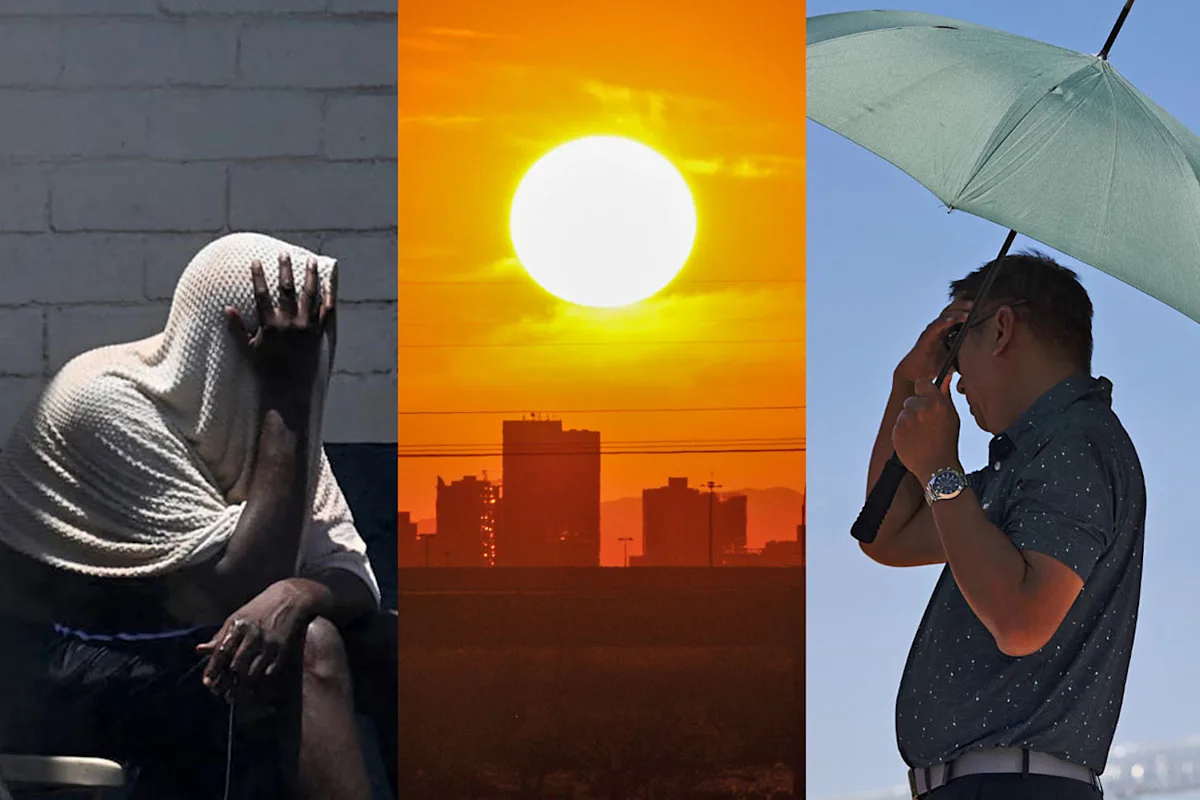
Spain plans to establish a national network of climate shelters in public buildings to protect people from intense heat, as part of broader efforts to combat the increasing frequency and severity of heatwaves and climate-related disasters, following a record hot summer and devastating wildfires in 2025.

Severe heatwaves and droughts in the Amazon have caused lakes to heat up beyond 40°C, leading to mass die-offs of endangered river dolphins and fish, with lakes shrinking significantly and temperatures rising faster than the global average, highlighting the urgent impact of climate change on these ecosystems.
The article discusses the increasing danger of heat-related deaths in the Southwestern U.S., highlighting successful mitigation efforts in Maricopa County, Arizona, and the slower response in Clark County, Nevada, emphasizing the importance of preparedness, vulnerable populations, and funding challenges amid climate change.
A study led by Monash University found that heatwaves caused over 1,000 deaths in Australia from 2016 to 2019, with Queensland and New South Wales most affected, highlighting the increasing health risks posed by climate change and the need for adaptive measures, especially in vulnerable communities.
Australia faces increasing climate risks including more frequent and severe heatwaves, rising sea levels, and ecological impacts, prompting the government to announce a new emissions reduction target for 2035 to mitigate these effects.
Leading researcher Stefan Gössling warns that climate change-induced heatwaves, wildfires, and rising travel costs could lead to a significant decline in international tourism, potentially ending the era of mass tourism within the next 80 years due to environmental and economic pressures.
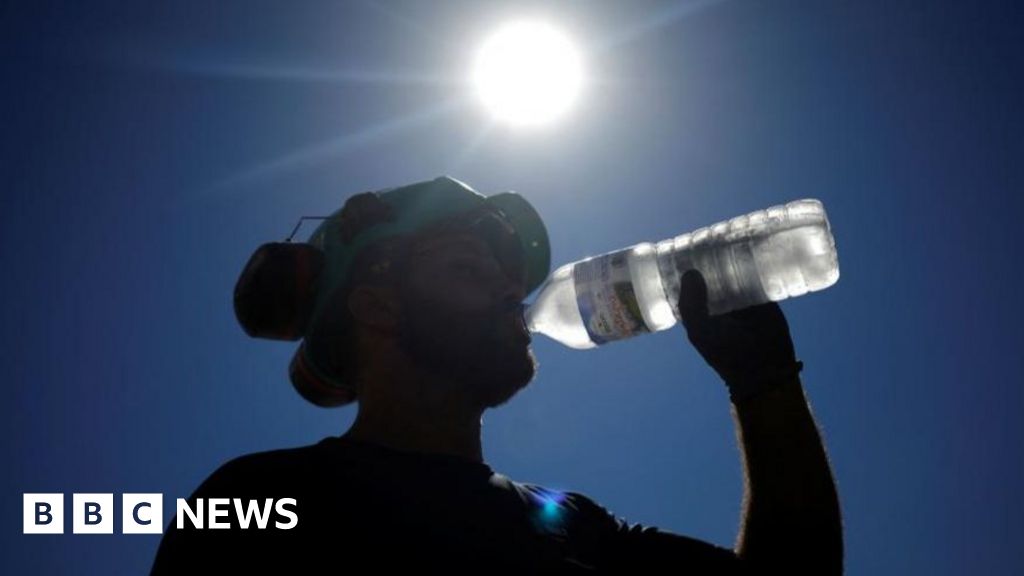
The WHO and WMO warn that increasing extreme heat due to climate change poses serious health and productivity risks for workers, urging governments, employers, and communities to implement adaptation measures such as adjusting work hours, improving building infrastructure, and protecting vulnerable populations, despite the financial challenges involved.
A recent study highlights that heatwaves in Europe, intensified by climate change, have caused thousands of deaths, with urban areas like Milan and Paris being particularly vulnerable due to factors like building materials, pollution, and lack of air conditioning. The risk of heat-related mortality varies across cities, influenced by urban design, socioeconomic factors, and local climate, emphasizing the need for better cooling strategies to mitigate future risks.
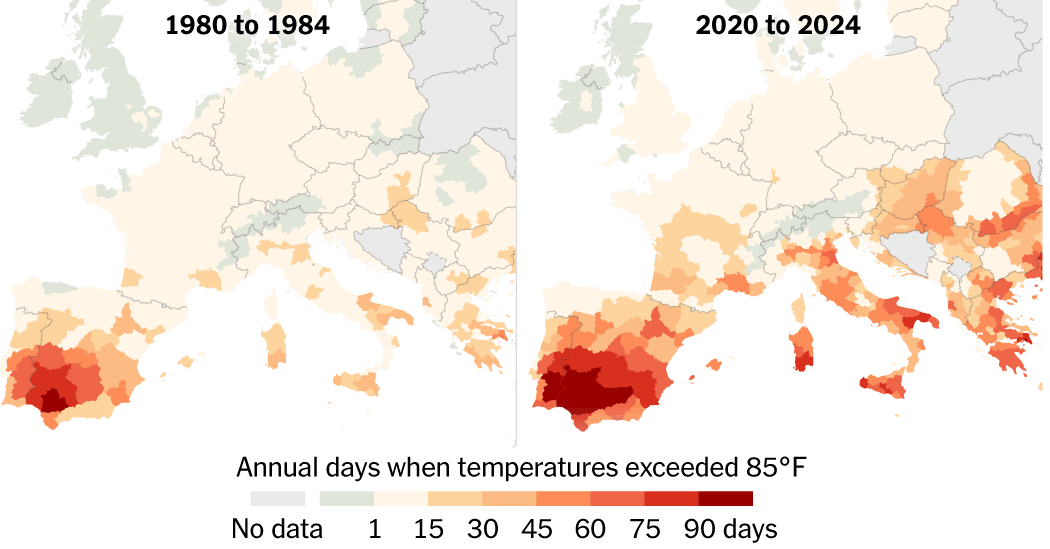
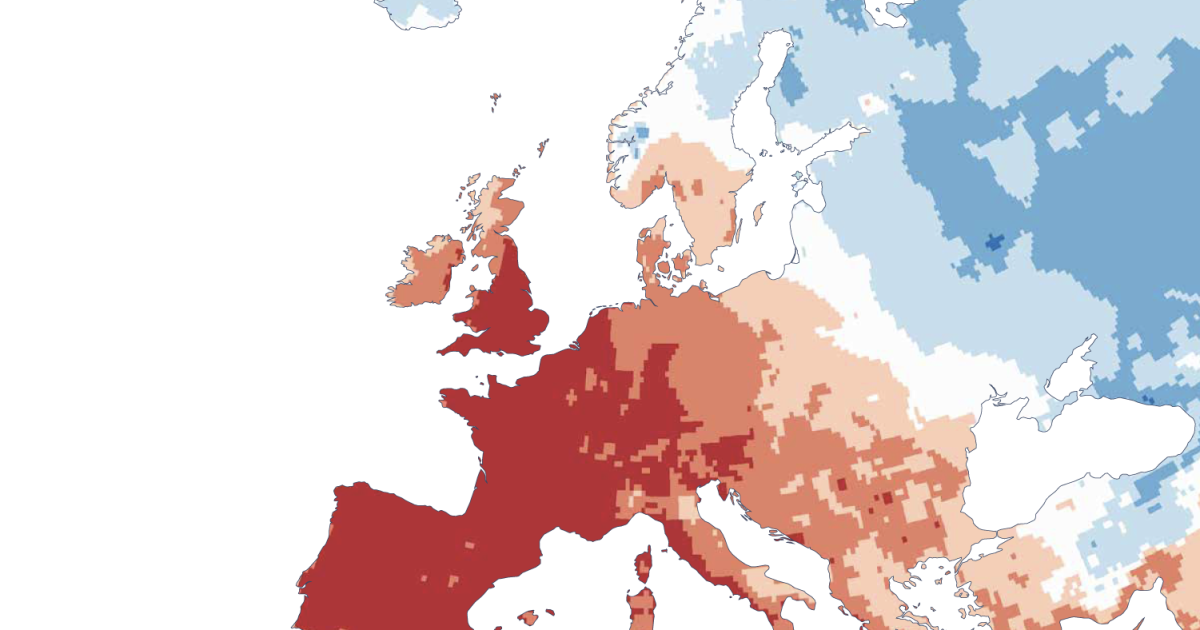
The summer of 2025 has seen unprecedented heatwaves across Europe, driven by climate change, leading to record temperatures, increased heat-related deaths, wildfires, and displacement, highlighting the urgent need for better heat management and adaptation strategies.
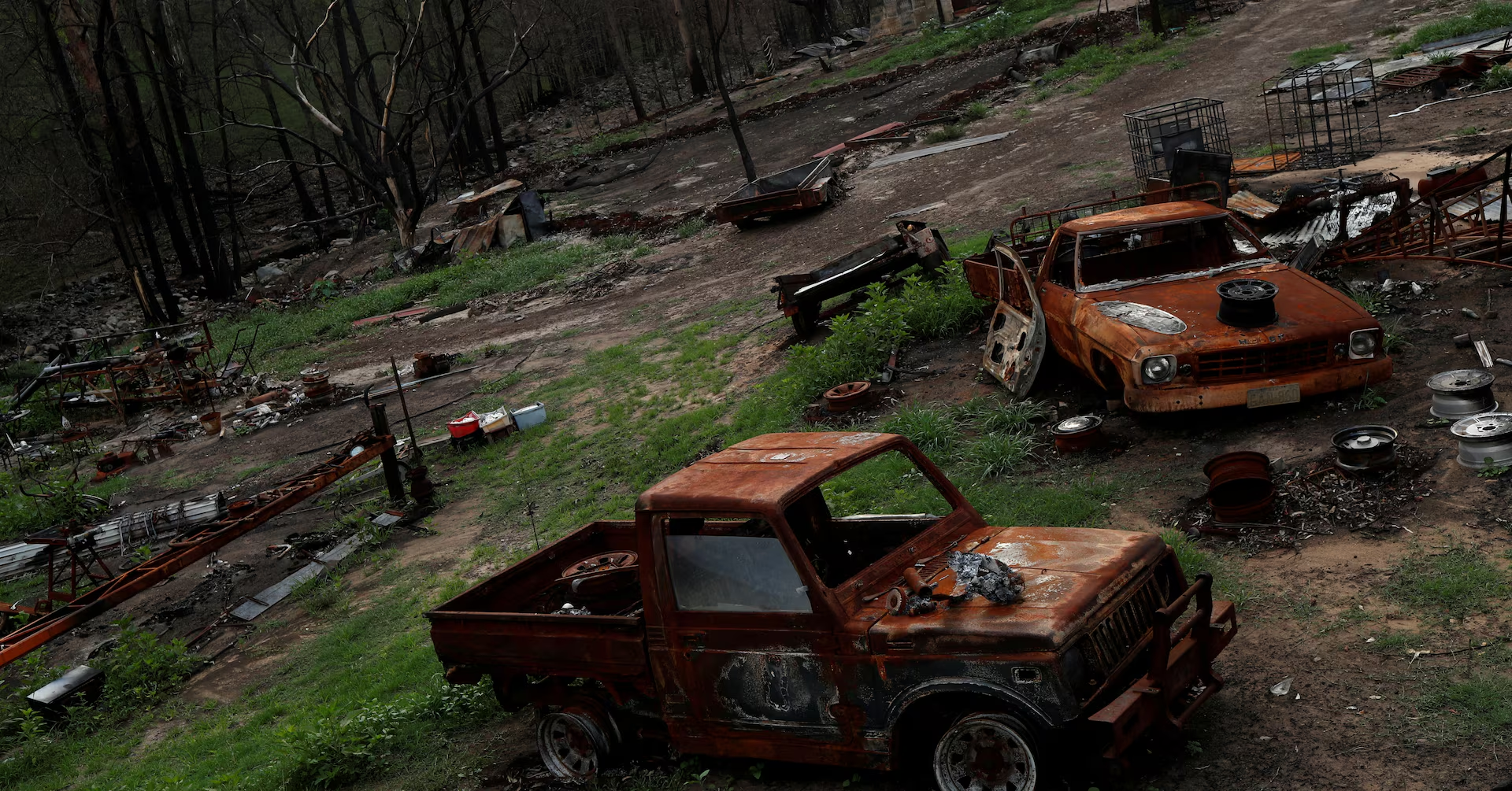
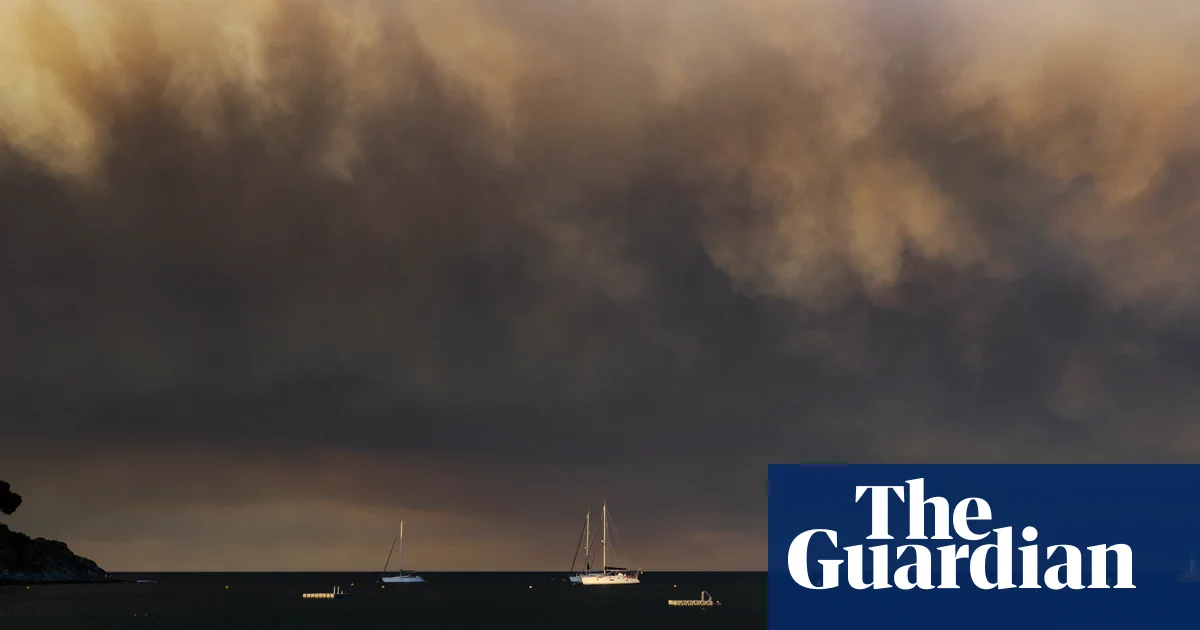
Wildfires across southern Europe, fueled by heatwaves and other factors, have resulted in at least three deaths, displaced thousands, and stretched firefighting resources thin, prompting international aid and evacuations.
As Europe faces increasingly severe heatwaves, France is embroiled in a political debate over the use of air-conditioning, with opinions divided along ideological lines. While some see it as necessary for vulnerable populations, others criticize it for environmental reasons, reflecting broader tensions about climate adaptation and energy use amid rising temperatures across the continent.
Rising global temperatures due to climate change are increasingly impacting brain function and neurological health, exacerbating conditions like epilepsy, stroke, and neurodevelopmental issues, while also affecting mood, behavior, and vulnerability to neurodegenerative diseases, with vulnerable populations such as the elderly and low-income groups at higher risk.
Europe is experiencing unprecedented early and intense heatwaves driven by a high-pressure heat dome, with record temperatures and deadly consequences, largely attributed to climate change, which is causing the continent to warm rapidly and increasing the frequency and severity of such events.
The UK is experiencing increasingly extreme weather patterns, including record-breaking heatwaves, wetter winters, and rising sea levels, driven by global warming. These changes are impacting natural ecosystems, agriculture, and infrastructure, highlighting the urgent need for adaptation and resilience measures.
Asia experienced one of its hottest years on record in 2024, with severe heatwaves, floods, and glacier loss, driven by rapid warming that threatens ecosystems, water supplies, and regional stability, highlighting the urgent need for global climate action and resilient infrastructure.