
"Surviving the Toba Supervolcano: Evidence of Remarkably Adaptive Human Population 74000 Years Ago"
TL;DR Summary
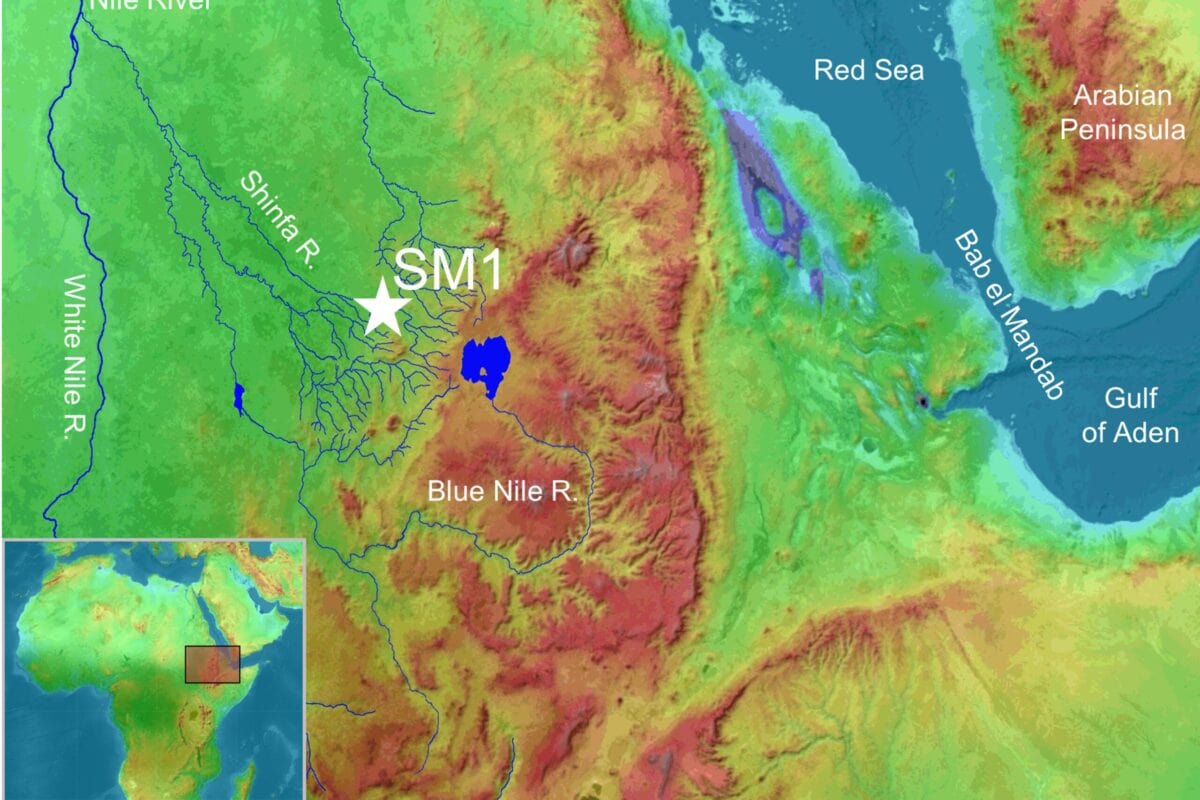
Researchers in Ethiopia have discovered evidence at the Shinfa-Metema 1 site showing that a human population survived the Toba supervolcano eruption 74,000 years ago. The findings suggest that humans may have dispersed during arid intervals along "blue highways" created by seasonal rivers, challenging previous hypotheses about human migration. The discovery of stone tools also indicates the oldest evidence of archery. The study's implications include the ability to correlate archaeological sites across Africa with a time resolution of weeks, shedding new light on the impact of the Toba eruption on early human populations.
Topics:science#archaeological-site#archaeologyanthropology#ethiopia#human-survival#middle-stone-age#toba-supervolcano
- Researchers Found Evidence in Ethiopia of a Human Population that Survived the Eruption of the Toba Supervolcano 74000 Years Ago arkeonews
- Adaptive foraging behaviours in the Horn of Africa during Toba supereruption Nature.com
- One of the largest eruptions in Earth’s history could have wiped out humans. Here’s how scientists say some survived CNN
- Fossil Trove From 74000 Years Ago Points to Remarkably Adaptive Humans The New York Times
- Massive Eruption Set Human Migration in Motion Archaeology Magazine
Reading Insights
Total Reads
0
Unique Readers
1
Time Saved
3 min
vs 4 min read
Condensed
85%
634 → 92 words
Want the full story? Read the original article
Read on arkeonews