Tag

Anthropocene

All articles tagged with #anthropocene

environment1 year ago

"Geologists Reject Anthropocene Epoch, Giving Humanity a Reality Check"

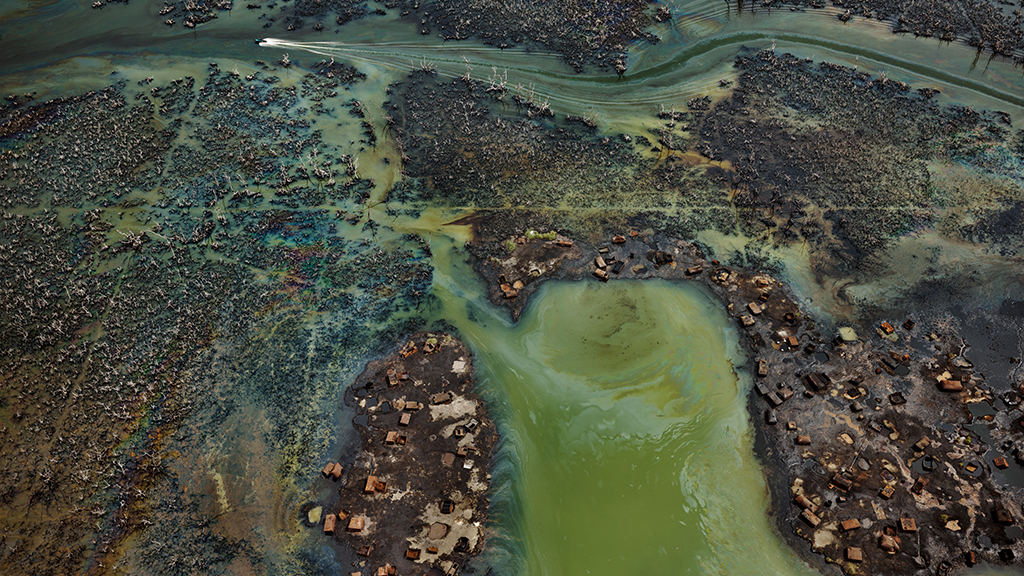
The Anthropocene era, characterized by significant human impact on the planet, has sparked debate among scientists about its recognition as a distinct geological epoch. Despite a recent vote declining to designate it as such, the evidence of human transformation on Earth is undeniable and extends far beyond the proposed start date in the 1950s. The Anthropocene Project, a multidisciplinary endeavor by Canadian artists, showcases the profound impact of human activity on the environment through photography, film, and virtual reality, highlighting locations such as deforested areas in Borneo, oil-damaged waterways in Nigeria, and a sprawling landfill in Kenya.

science-and-environment1 year ago

"Scientists Clash Over Declaring the Anthropocene Epoch"

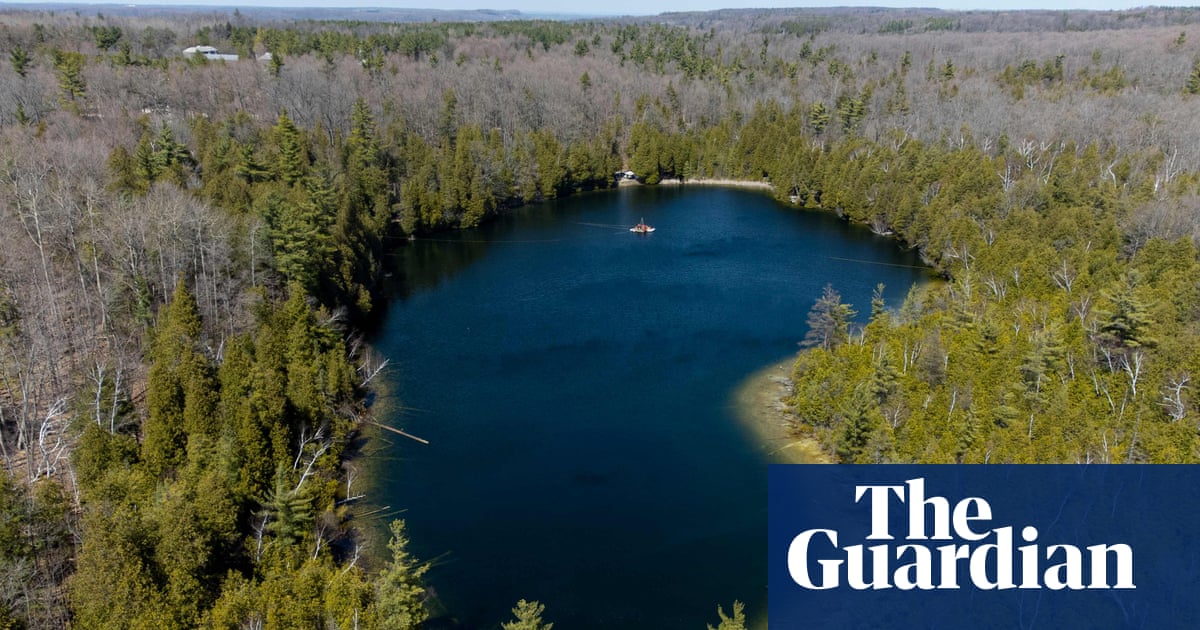
The quest to declare the Anthropocene an official geological epoch has sparked a heated debate after a leaked vote apparently killed the proposal, leading to questions about its validity. Supporters argue that it would recognize the irreversible impact of human activity on the planet, while opponents believe it fails to acknowledge the long history of anthropogenic changes. The proposal, which sets the start date of the Anthropocene in 1952, was rejected by a geological committee, prompting calls for an inquiry. Despite the controversy, the concept of the Anthropocene is widely used to describe humanity's planet-altering impact, and alternative proposals may be considered in the future.

science1 year ago

"Scientists Reject Proposal to Declare Anthropocene Epoch"

Geologists have been debating whether human impact on the Earth warrants the recognition of a new geological epoch called the Anthropocene, but the Subcommission on Quaternary Stratigraphy has rejected the proposal. The debate is not just about semantics, as it reflects a political struggle over how to interpret humanity's impact on the planet. While some argue that the Anthropocene began around 1950 due to significant human-induced changes, others disagree on the starting point and duration of this proposed epoch. Despite the rejection, some scientists emphasize that human impact on the planet remains significant and must be addressed.

science1 year ago

"Geologists Challenge the Notion of an 'Age of Humans'"

Geologists have rejected a proposal to define a new epoch, the Anthropocene, marking the start of the "Age of Humans" in the mid-20th century, citing concerns about rigidly defining human impacts within a specific timeframe. The working group behind the proposal, which emerged from 15 years of research, plans to continue advocating for the Anthropocene despite the rejection. While the debate over the Anthropocene's geologic definition continues, some geologists suggest defining it as a geologic event rather than an epoch, acknowledging the significant impact of human activities on Earth's history.

science1 year ago

"The Age of Humans: Embracing the Anthropocene Era"

The proposal to mark the Anthropocene as an epoch in the geologic time scale starting in 1952 was rejected by the Subcommission on Quarternary Stratigraphy, with 12 of 18 members voting no. The rejection does not diminish the overwhelming evidence of human impact on the planet, but rather reflects concerns that the proposed start date was too recent and narrow to encompass the deeper evidence of human-caused planetary change. Despite the rejection, discussions about the Anthropocene continue, and a scientific definition of the Anthropocene as an ongoing transformative event remains widely available.

science1 year ago

"Scientists Reject Proposal to Mark New Chapter in Earth's History"

Scientists have rejected a proposal to declare a new geological epoch called the Anthropocene, which would reflect the significant impact of human activity on the planet. The proposal was voted down by the Subcommission on Quaternary Stratigraphy, part of the International Union of Geological Sciences, with 66% against it. Despite the rejection, proponents of the Anthropocene plan to continue advocating for its formal recognition, while acknowledging that the term is already widely used outside of the field of geology.

science1 year ago

"Scientists Reject Declaration of Anthropocene Beginning"

A committee of scientists organized by the International Union of Geological Sciences has voted down a proposal to declare the beginning of the Anthropocene, a new geological epoch marked by human impact on the planet. The debate centers around the start date of the Anthropocene, with some scientists preferring to characterize it as an "event" rather than an "epoch" due to the thorny question of when it began and the earlier impact of humans on the planet.

climate1 year ago

"Geologists Reject Anthropocene Epoch Declaration"

A panel of scientists has voted against officially declaring the start of the Anthropocene, a proposed new epoch of geologic time defined by humanity's impact on the planet. The decision means that, according to current geologic timelines, the Earth remains in the Holocene, which began 11,700 years ago. The proposed declaration would have significant implications for scientific terminology and understanding of human-induced changes to the planet for generations to come.

environment1 year ago

"Microplastics Threaten Accuracy of Ancient Rock Age Markers"

Microplastics have been found to seep through layers of rock, making their presence in rock strata an unreliable indicator of the beginning of the Anthropocene epoch. A study analyzing sediment samples from three lakes in Latvia revealed that smaller plastic particles could travel deeper into the mud, reaching layers predating the acceleration of plastic production in the 1950s. This challenges the use of plastic presence in rock strata as a marker for human impact on the planet. The study identified 14 different types of plastic in the sediment samples, highlighting the pervasive nature of microplastics in the environment and their potential to impact natural cycles and food chains.

environment1 year ago

"Uncovering the Impact of Buried Microplastics on Defining the Anthropocene"

The presence of microplastics in lake sediments, often used to determine the onset of the Anthropocene, is proving to be an unreliable marker as researchers have found that plastic particles can infiltrate deep into older sediments, muddying the ability to accurately date the start of the geological age marking human impact on the environment. The study, published in Science Advances, revealed that microplastics, including biodegradable plastics, have migrated into sediments dating back more than 200 years, challenging the use of microplastics as precise markers for defining the Anthropocene.

science-and-environment1 year ago

"The Impact of a New Force of Nature on Earth's Transformation"

Erle Ellis, a leading scientist investigating the Anthropocene, synthesizes interdisciplinary research to illustrate how human cultural practices have historically enabled the transformation of ecosystems, emphasizing the need to leverage society's social and cultural capabilities towards sustainable coexistence with nature. He argues for reimagining our relationship with the environment for a better future, highlighting the importance of cooperation and the extension of social and cultural capabilities to life beyond human societies. Ellis emphasizes that the societal capabilities to shape a much better future have existed for decades and can be implemented successfully through the unprecedented planetary power of shared human aspirations to live in a better world.

space-exploration1 year ago

"Unveiling Humanity's Lunar Legacy: From Trash to Cultural Clash"

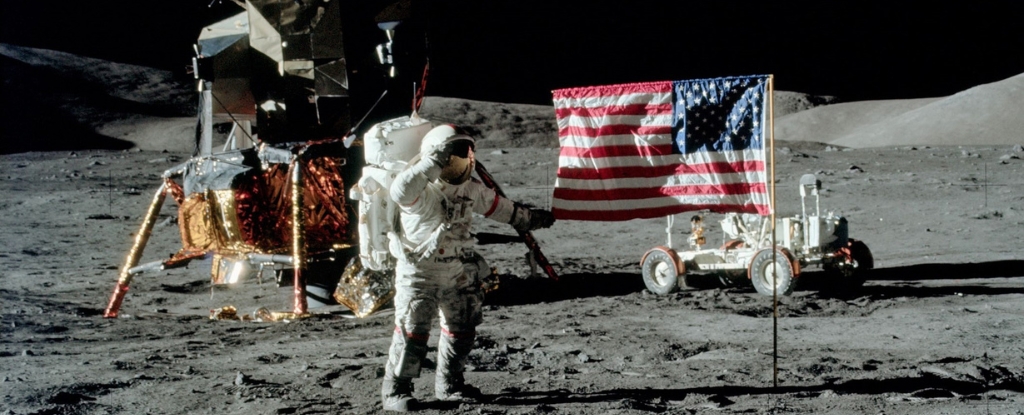
The rapid development of space exploration and plans for resource extraction on the moon have led to concerns about the environmental impact, with NASA estimating over 500,000 pounds of human garbage already littering the lunar surface. Researchers are advocating for the recognition of a "lunar Anthropocene" to highlight the significant human impact on the moon, similar to the impact seen on Earth. They argue that the exploitation of resources and increasing space missions could lead to habitat destruction on the moon, emphasizing the need for responsible and sustainable practices in space exploration.

environment1 year ago

"Global Hermit Crabs Embrace Plastic Trash as Shells"

Hermit crabs around the world are increasingly using plastic trash as shells, with a study revealing that at least 10 of 16 terrestrial hermit crab species are affected. Researchers found that plastic caps, like those on soda bottles, accounted for up to 85 percent of the artificial shells. The study suggests that factors such as sexual selection and practicality may be driving this behavior, and it remains unclear whether the plastic shells are impacting the well-being of the hermit crabs. The researchers hope to further investigate the consequences of plastic pollution on marine ecosystems and the evolution of species in the Anthropocene.

environment2 years ago

Plastic Rocks: A Global Geological Phenomenon

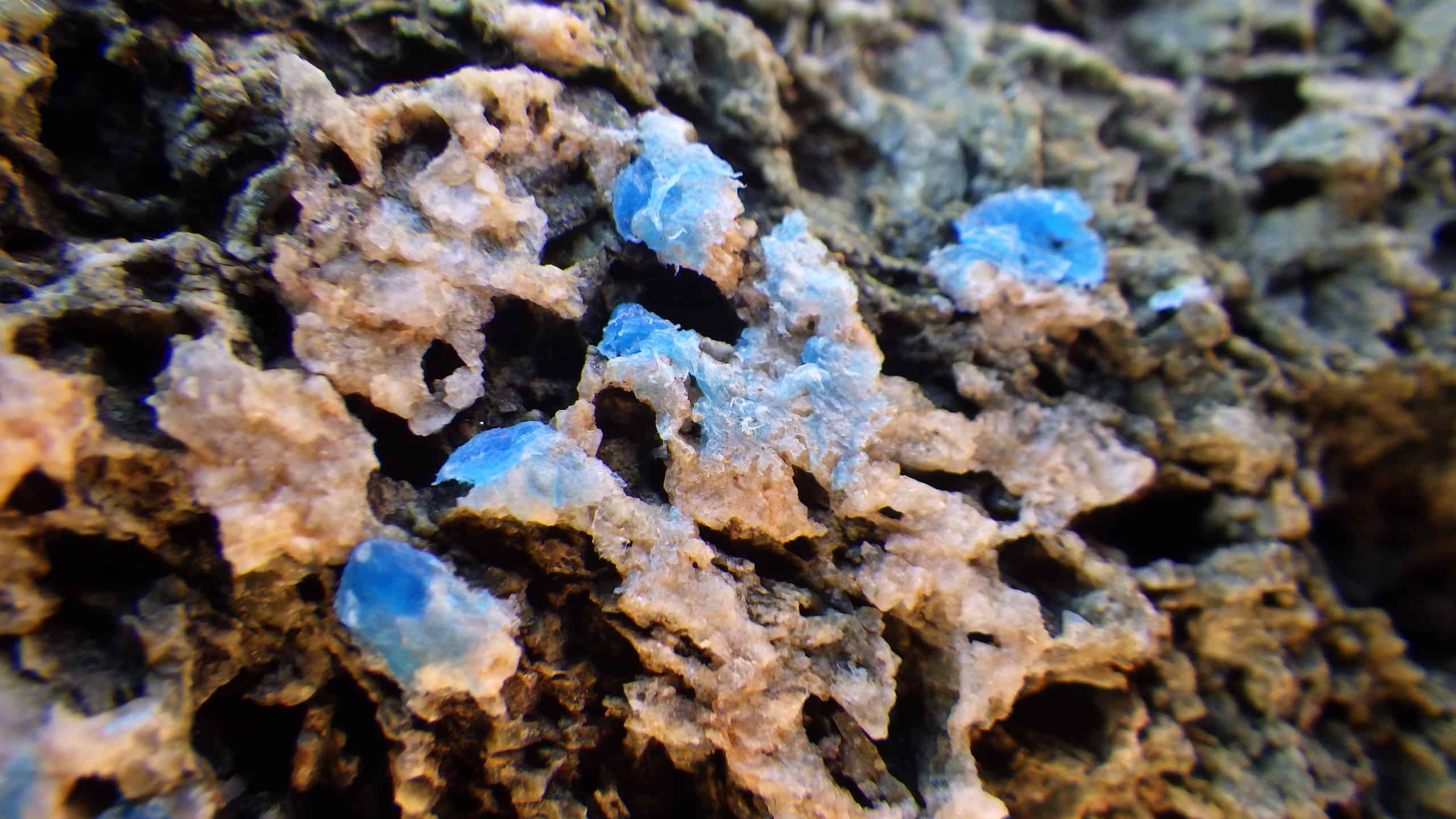
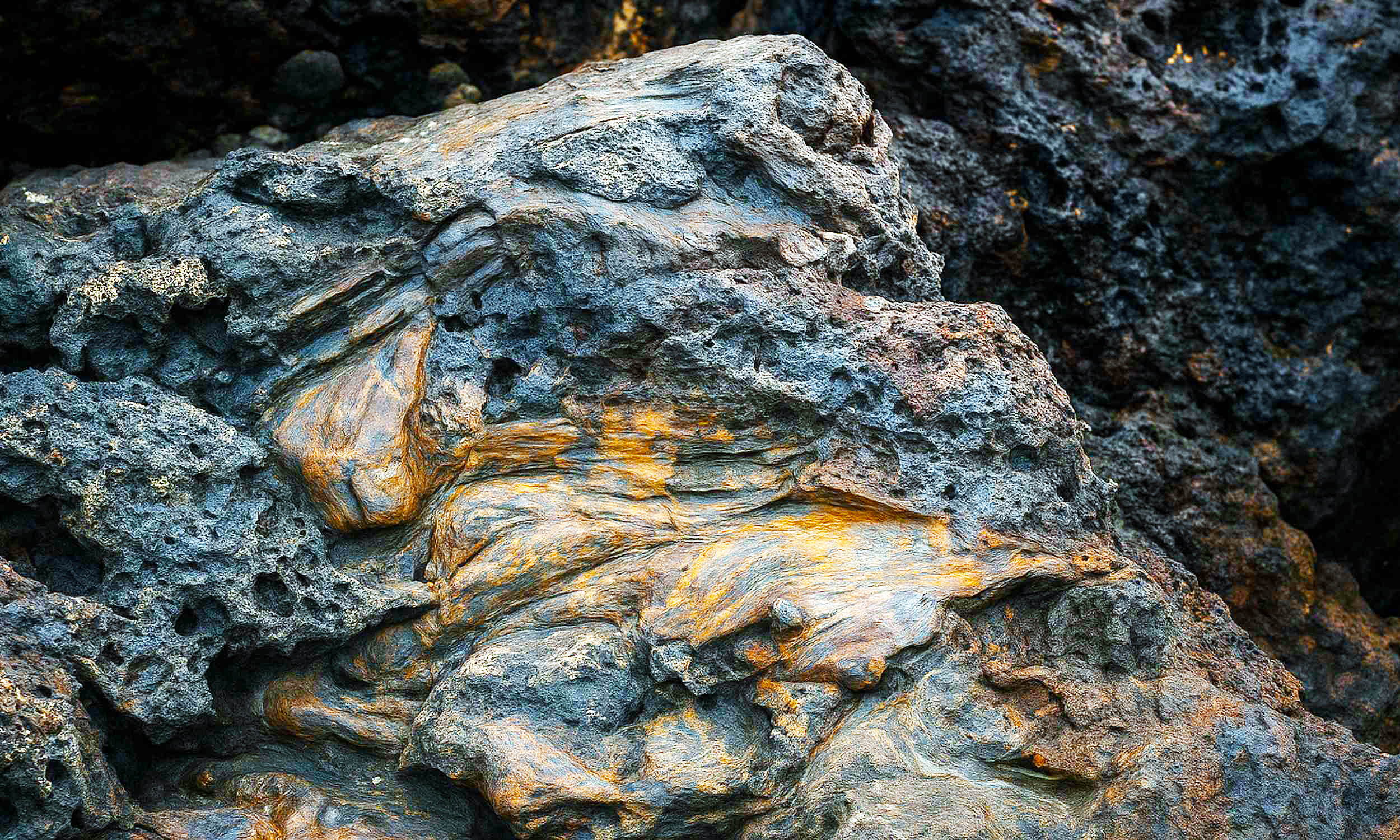
Geologists have discovered a new type of sedimentary rock called plastistone, which is a hybrid of natural rock and synthetic plastic. These rocks form when plastic waste becomes intertwined with natural rock elements through the process of lithification. Plastistones have been found globally and are a stark indicator of human impact on the planet. They can form through various mechanisms, such as the melting of plastic debris in campfires or waste burning sites. Plastistones can alter microbial communities, release microplastics and nanoplastics, and pose ecological risks. This emerging type of rock highlights the profound and lasting impact of plastic pollution on Earth's geology, symbolizing the Anthropocene era. Further research is needed to understand the formation, distribution, and environmental implications of plastistones.