Twelve swans at Lake Eola in Orlando have died recently, suspected to be due to bird flu, prompting investigations by local officials. The swans are iconic symbols of the city, and necropsies are underway to determine the exact cause of death.
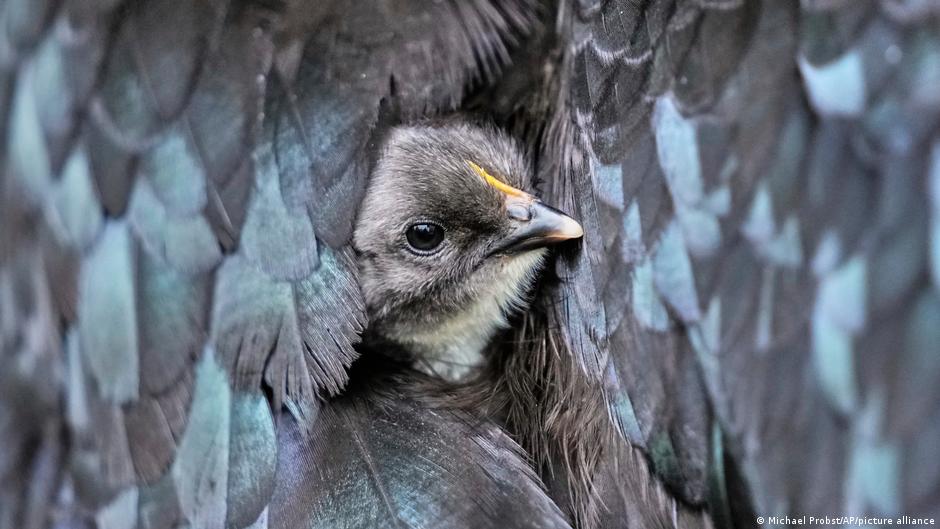
The bird flu has caused the death of nearly 9 million birds worldwide and affected multiple animal species, but the risk to humans remains low. The outbreak, driven mainly by the H5N1 subtype, has led to extensive culling and concerns about biodiversity and animal health, with experts emphasizing the importance of biosecurity and international cooperation to control the spread and prevent potential mutations that could threaten human health.
The Canadian Food Inspection Agency has completed a humane cull of 300-330 ostriches at a farm in British Columbia to prevent the spread of bird flu, despite legal challenges and protests from the farm owners who argued the birds were healthy and valuable for research.
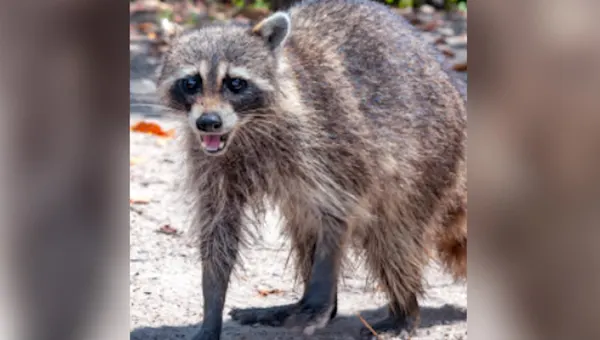
Suffolk County reports its 15th rabies case this year, mainly in raccoons, marking a significant increase after over a decade without cases. Officials urge pet owners to vaccinate their animals and remain vigilant, especially in areas like Amityville, to prevent the spread of rabies, which is preventable through vaccination and awareness.
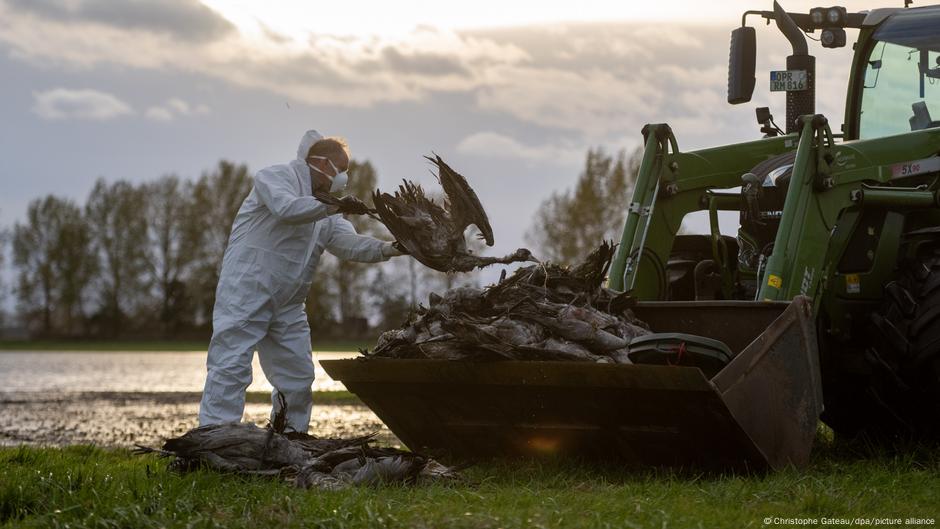
Germany has culled over 500,000 birds due to a widespread outbreak of the highly infectious H5N1 bird flu strain, with cases mainly in northern and eastern regions, and concerns about potential impacts on poultry prices and factory farming vulnerabilities.
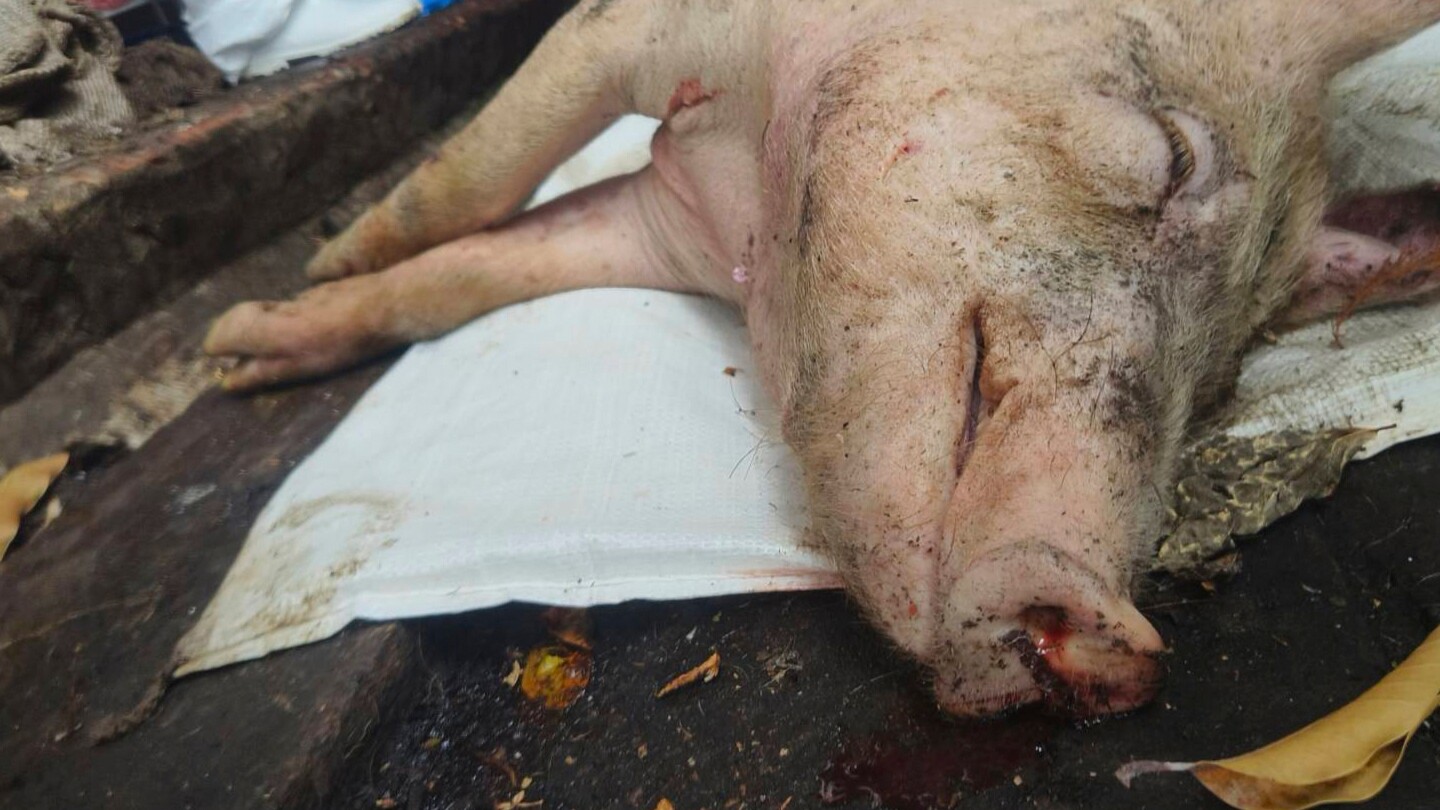
Taiwan reported its first case of African swine fever, leading to the culling of 195 pigs and a ban on pig movement across the island to prevent the spread of the fatal virus, which is likely introduced through illegal pork imports.
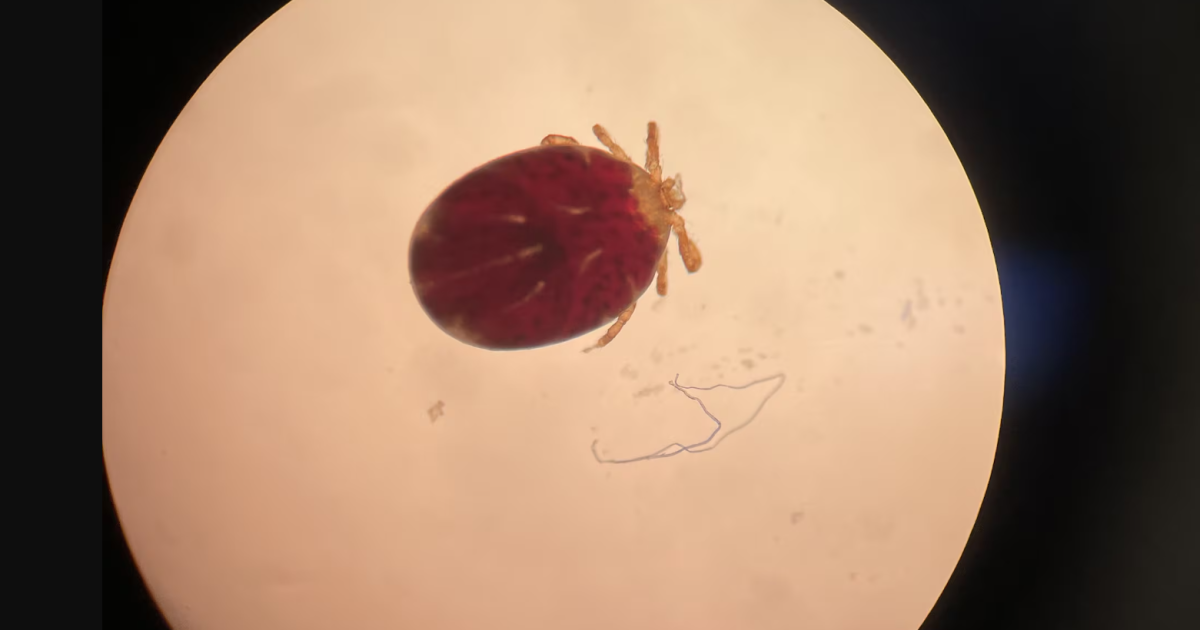
A potentially dangerous invasive Asian long-horned tick has been found on a dog in Butler County, Ohio, marking its first detection in the area. The tick can carry diseases affecting humans, dogs, cats, and cattle, and reproduces rapidly through asexual females. Experts warn of the increasing prevalence of this species and recommend year-round tick prevention for pets.
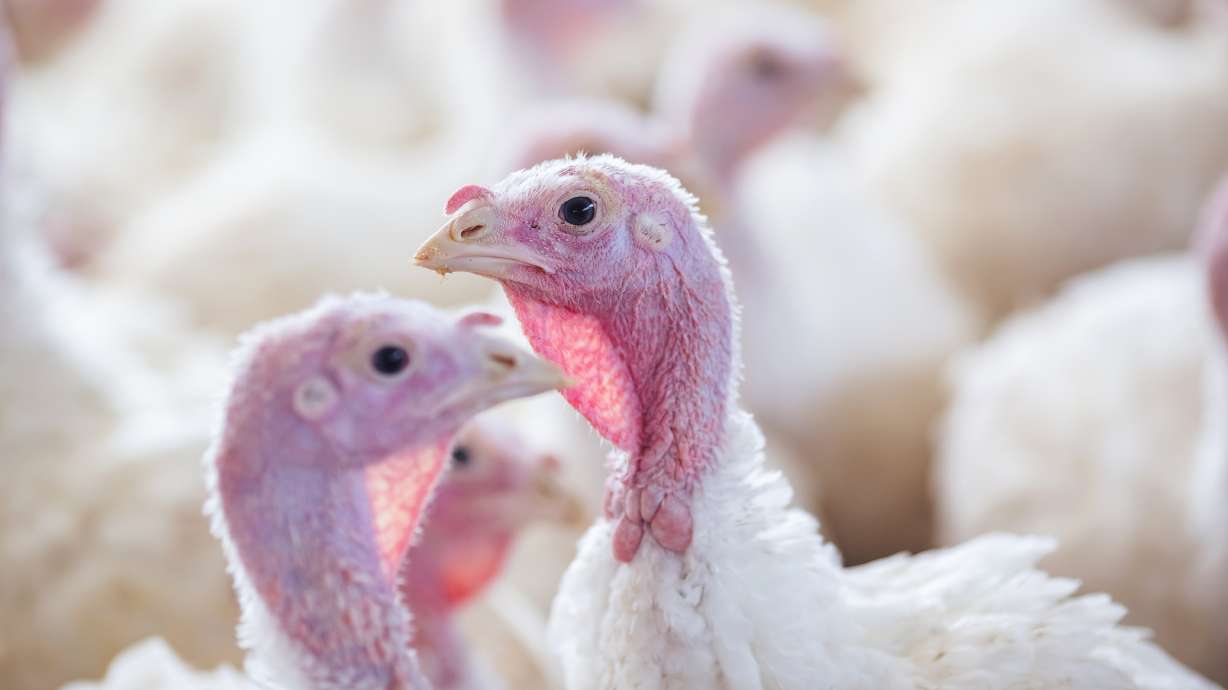
Nearly 35,000 turkeys were culled in Utah due to a bird flu outbreak, marking the state's first major incident in months, with no expected impact on turkey availability or prices, and ongoing efforts to contain the virus.
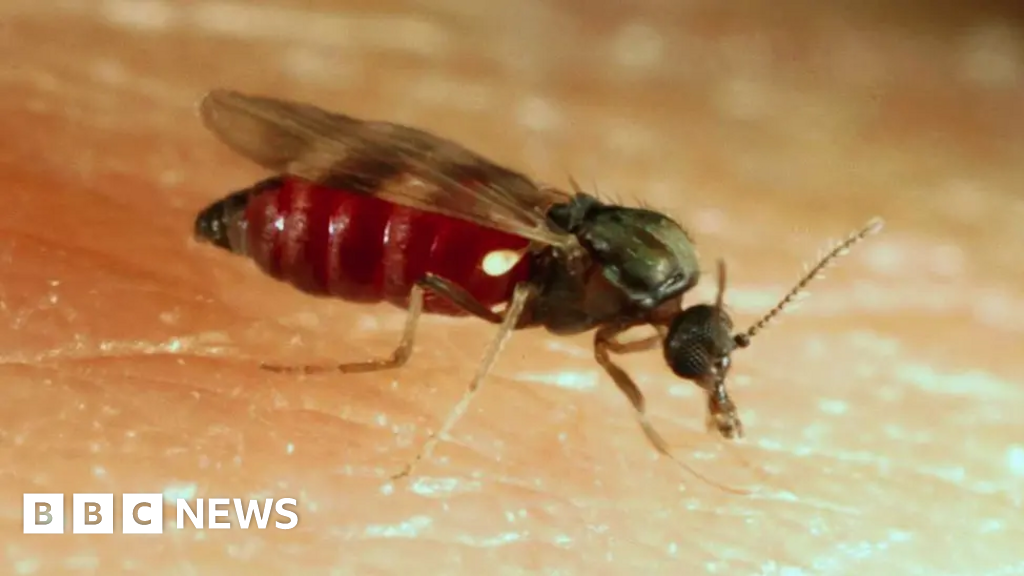
A sheep in Cornwall tested positive for bluetongue, a disease spread by biting midges that affects ruminants but not humans. The sheep died, but no culling of other animals is planned. Farmers are advised to maintain strict biosecurity and report any signs of infection to authorities.
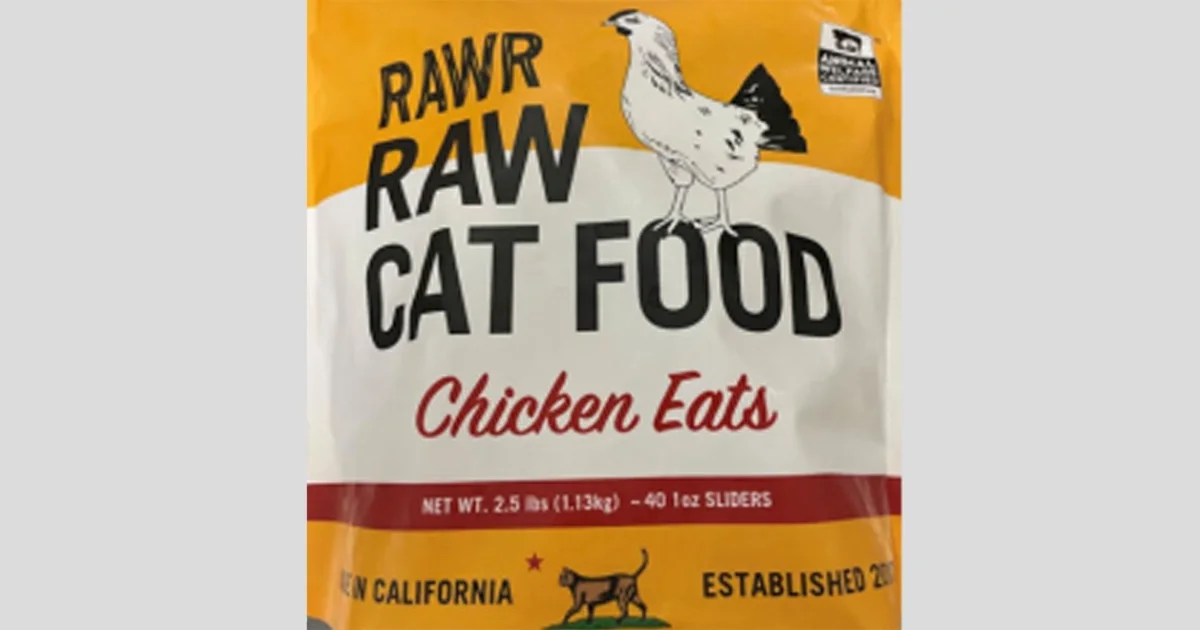
A California cat was euthanized after contracting bird flu (H5N1) from eating raw cat food contaminated with the virus, leading the FDA to investigate and remove the affected lots from circulation, while reassuring that no human cases have been reported.
Fort Wayne Animal Care and Control warns cat owners about the highly contagious and potentially deadly feline panleukopenia virus, emphasizing the importance of vaccination. They are partnering with Humane Fort Wayne to offer low-cost, walk-in vaccines to help prevent the spread of this disease, which affects rapidly dividing cells in cats and can be fatal if not vaccinated against.
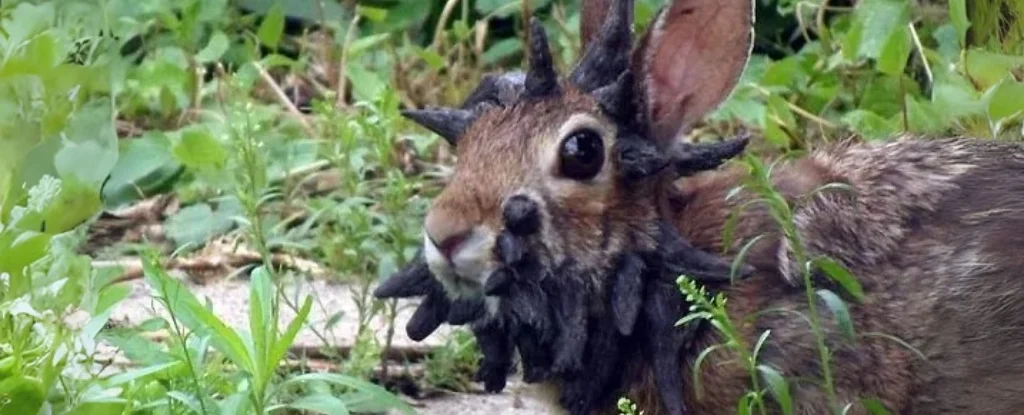
Wild rabbits in Colorado, Minnesota, and Nebraska are exhibiting horn-like growths caused by the Shope papilloma virus, which is spread by insects and usually benign, though it can sometimes lead to cancer; these growths are generally temporary and not a threat to humans.
The appearance of 'zombie squirrels' in the U.S. and Canada is due to squirrel fibromatosis, a benign tumor caused by leporipoxvirus infection, which results in lumps on squirrels' bodies. While alarming, these tumors often regress over time and do not significantly threaten squirrel populations or humans, with transmission mainly through insect bites or contact among squirrels.
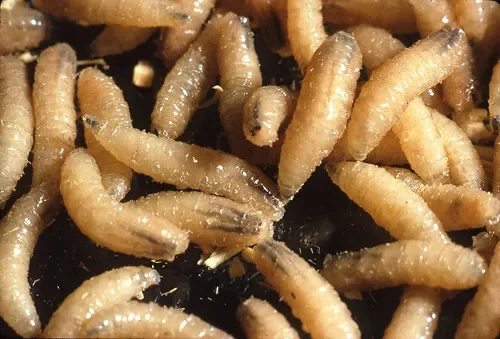
The U.S. Department of Health and Human Services has authorized emergency use of animal drugs to combat the threat of screwworm infestations, which are approaching the U.S. border from Mexico and pose a risk to livestock and wildlife, with potential economic impacts on the cattle industry, especially in Texas.
Biotech companies are developing GLP-1 based implants for dogs to help control their appetite and combat pet obesity, with trials expected as early as 2028. These treatments aim to reduce excessive eating behaviors in overweight dogs, providing an additional tool for veterinarians alongside traditional methods like diet and exercise.