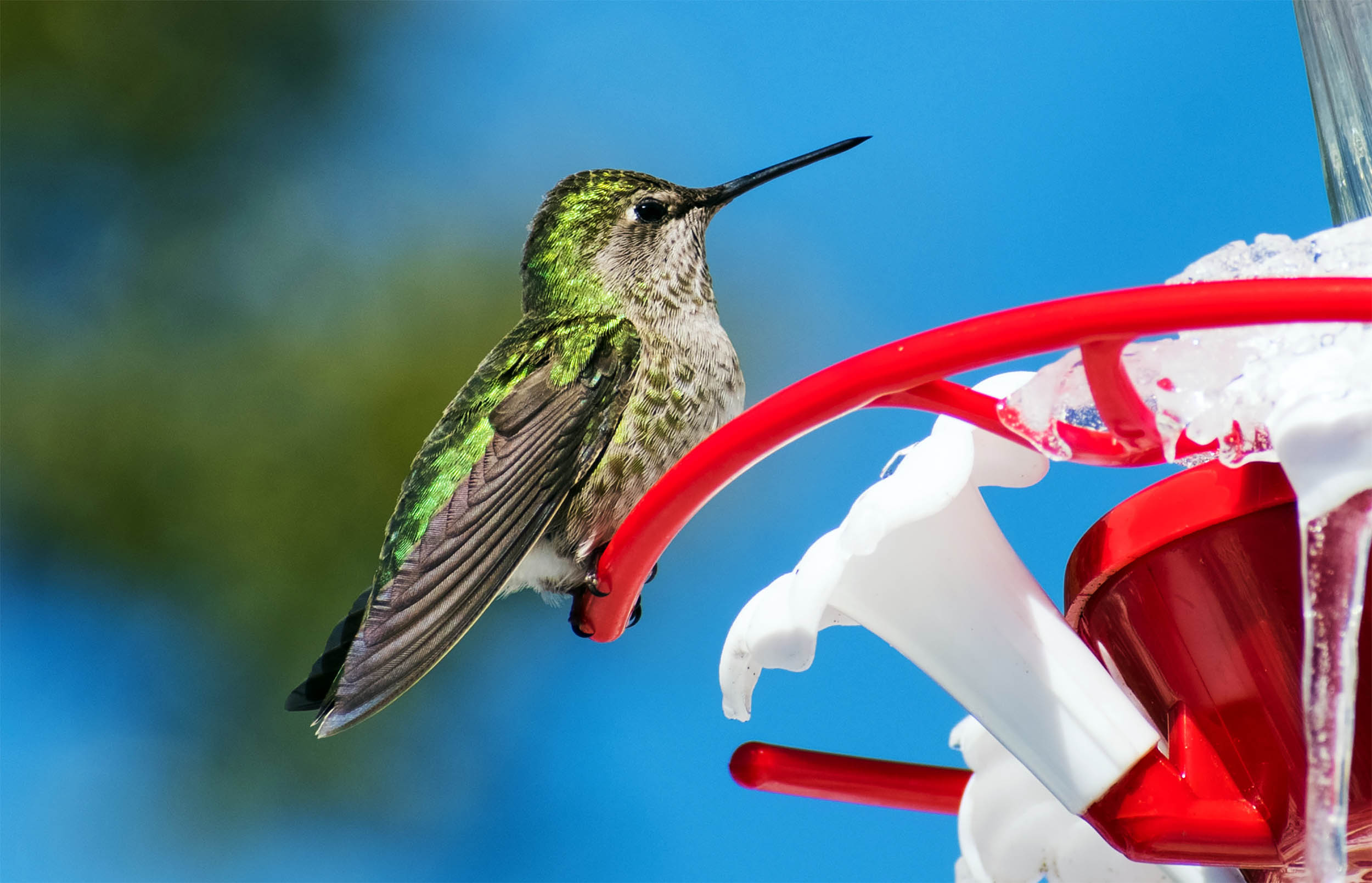
A study shows that human activities like feeding hummingbirds and planting non-native nectar sources have led to rapid evolutionary changes in Anna's hummingbirds, particularly in their bill shape, as they adapt to new environments and food sources over decades.
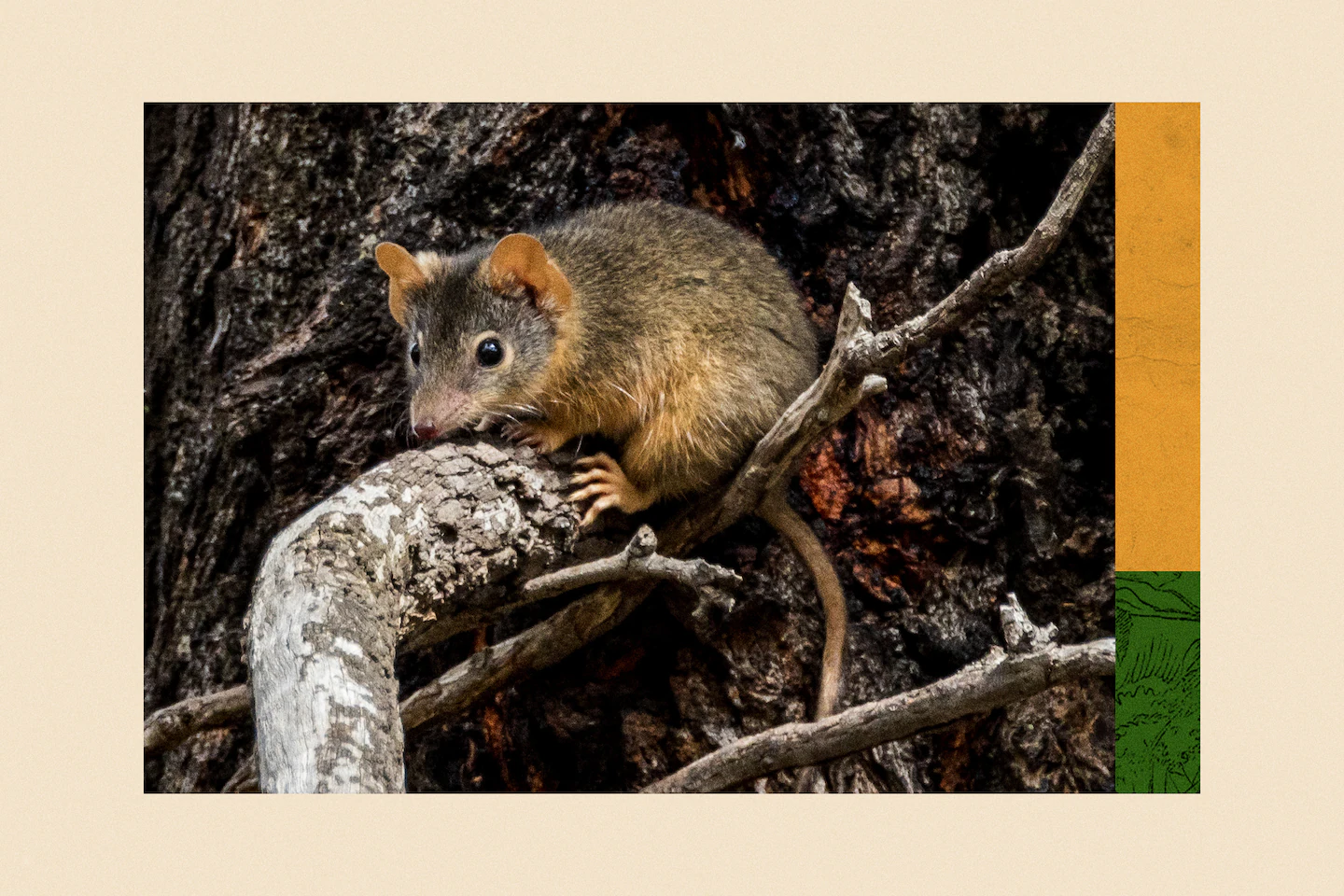
As wildfires become more frequent and intense, animals are evolving to cope with these changing conditions. Examples include the black fire beetle, which can sense infrared light and uses fire as a signal to mate and lay eggs; the spotted owl, which thrives in small burn patches but faces challenges with larger fires; the antechinus, a marsupial that survives by sheltering underground and entering a state of torpor to conserve energy; the black-backed woodpecker, which feeds on beetles in recently burned forests; and the frilled lizard, which seeks refuge in trees to escape fires. The ability of wildlife to adapt quickly enough to these changing fires remains a concern.