Tag

Deep Diving

All articles tagged with #deep diving

"Great White Sharks Venture into the Mysterious Depths of the Ocean's 'Twilight Zone'"
marine-biology2 years ago

"Great White Sharks Venture into the Mysterious Depths of the Ocean's 'Twilight Zone'"

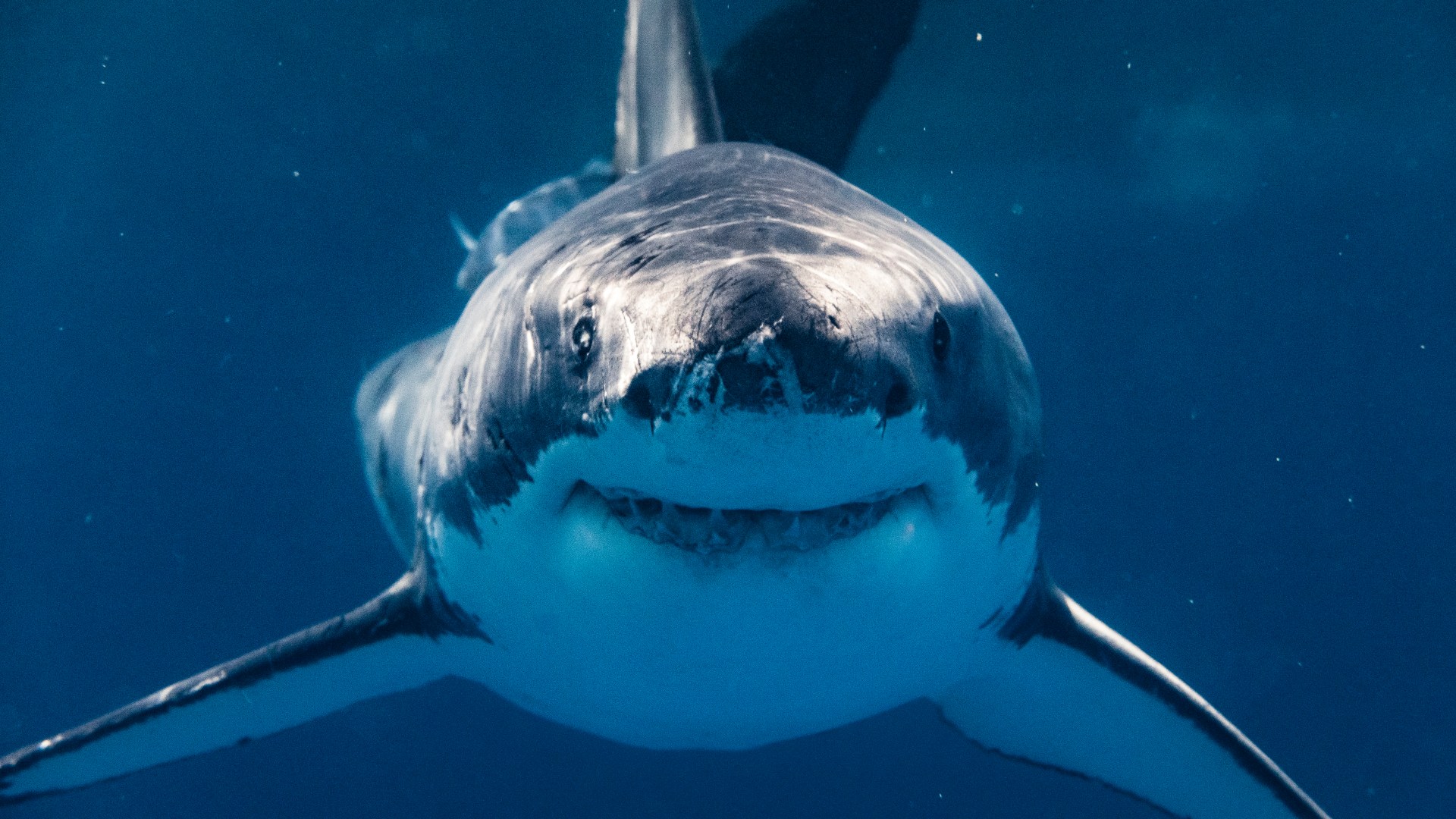
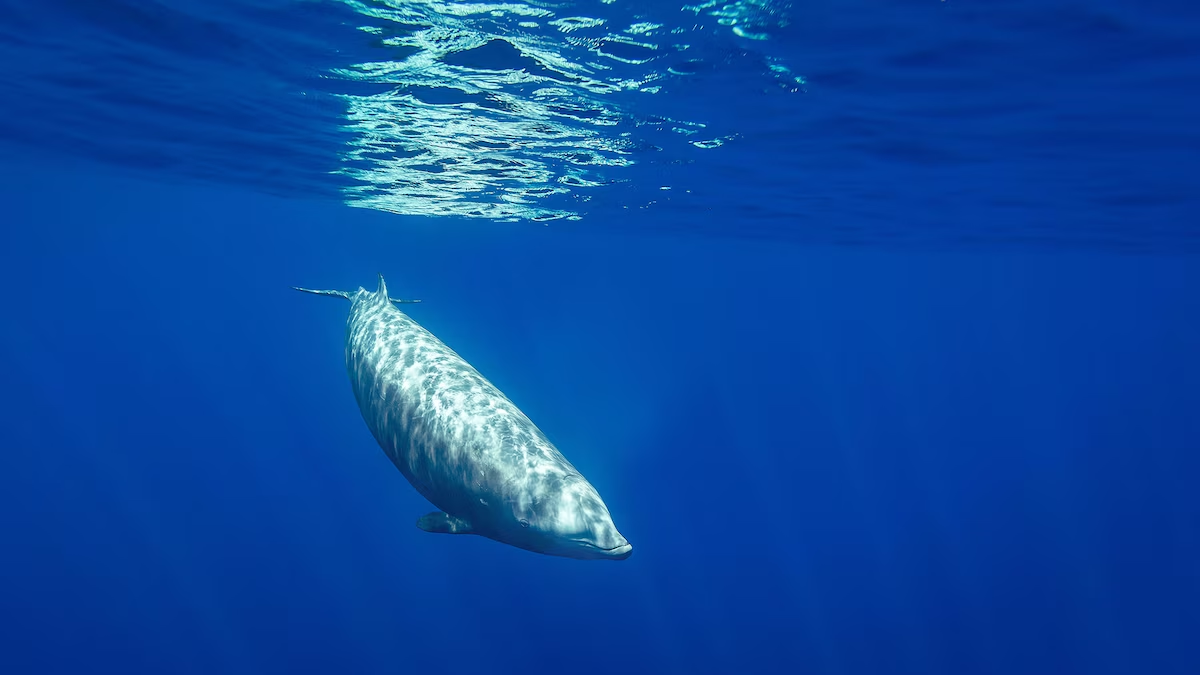
Researchers have discovered that great white sharks are diving thousands of meters deeper than usual into the ocean's twilight zone, leaving experts puzzled about the reason behind these deep dives. A study tracking 12 species of large predatory fish, including great white sharks, found that they frequently ventured into the twilight zone and even deeper into the midnight zone. The purpose of these visits to the dark depths, where little light penetrates, remains unclear as these animals typically feed in shallower waters. The findings suggest that the twilight zone is an overlooked crucial habitat for marine life, and further research is needed to understand the predator-prey interactions and resources in this region.

"Delving into the Abyss: Unraveling the Secrets of Marine Predators' Deep Sea Dives"
marine-ecology2 years ago

"Delving into the Abyss: Unraveling the Secrets of Marine Predators' Deep Sea Dives"

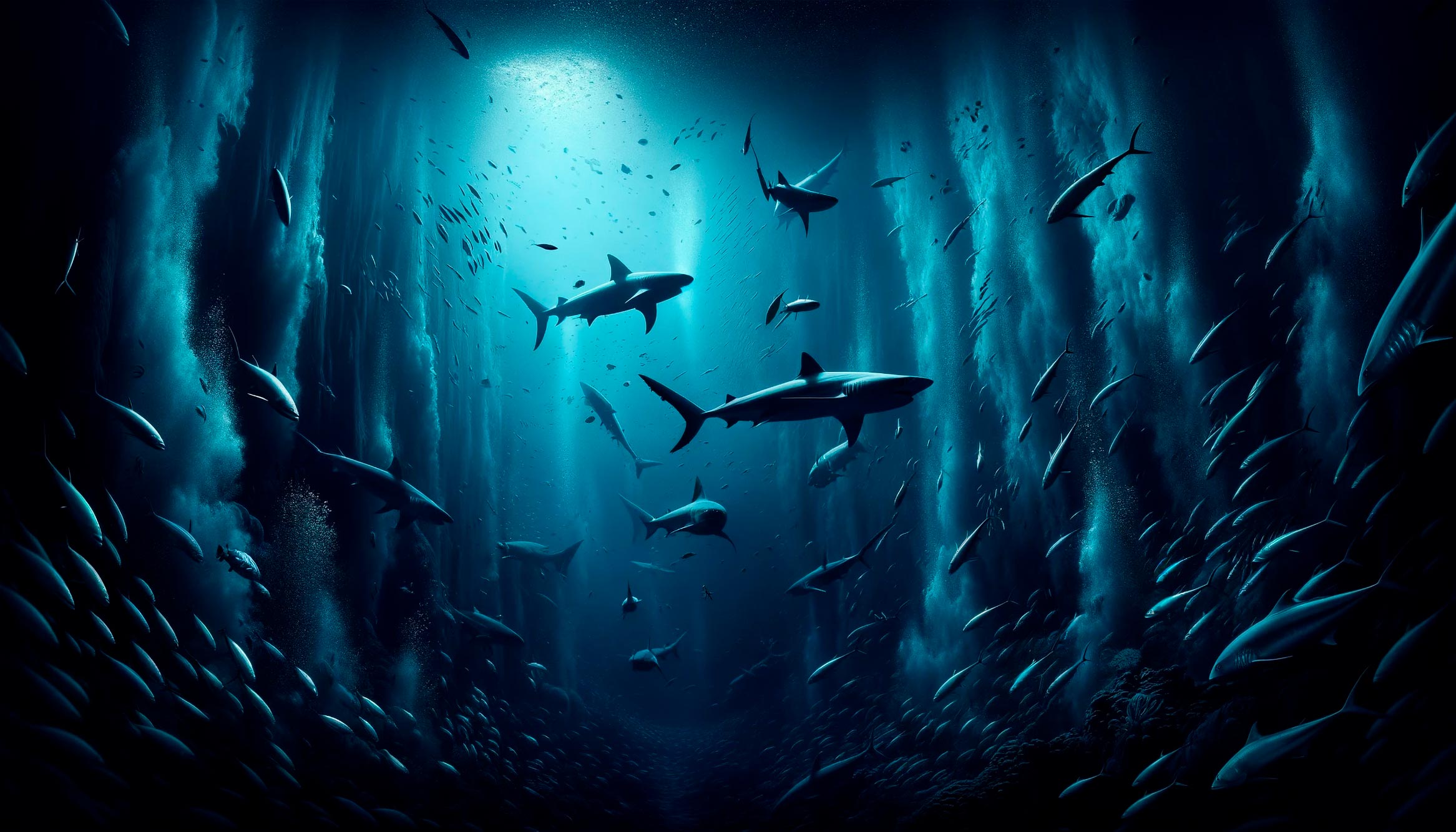
New research using electronic tags and sonar data reveals that large marine predators, such as sharks and tunas, frequently dive into the deep mesopelagic zone, also known as the twilight zone, to interact with its dense layer of organisms for feeding and potentially other purposes. This study highlights the ecological importance of the mesopelagic zone and emphasizes the need for its conservation to prevent irreversible damage. The findings also raise questions about the motivations behind deep diving behaviors and the potential ecosystem services provided by this critical habitat.

Hammerhead Sharks' Breath-Holding Technique for Staying Warm in Deep Waters
science2 years ago

Hammerhead Sharks' Breath-Holding Technique for Staying Warm in Deep Waters

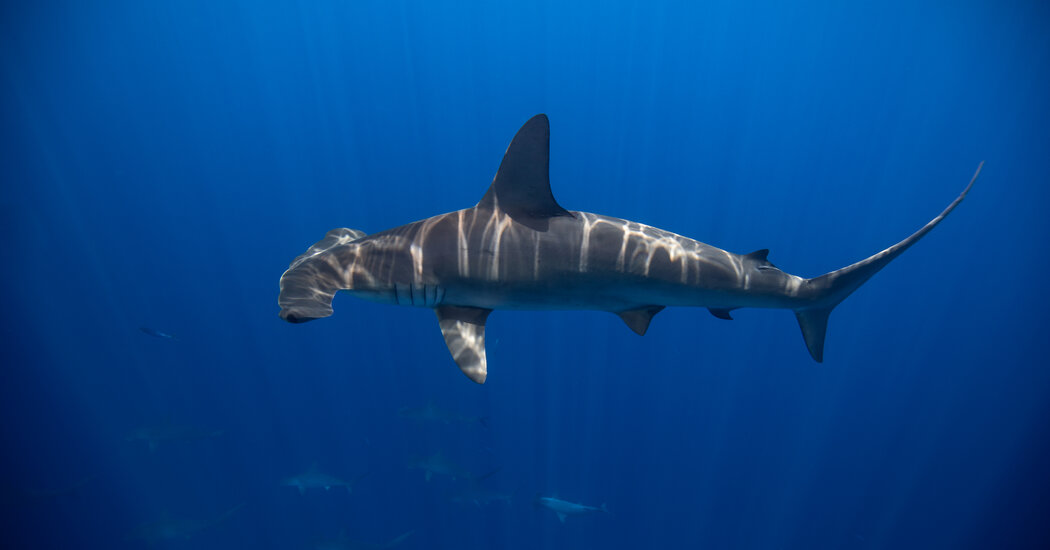
Hammerhead sharks have been observed to dive more than 2,600 feet from tropical surface waters into the ocean’s frigid depths multiple times every night to hunt for fish and squid, tolerating a 68-degree Fahrenheit plunge in temperature to dine. A study published in the journal Science shows how one species, Sphyrna lewini or scalloped hammerhead sharks, stay warm during their nightly dives: They skip the frills and close their gills, essentially holding their breath. This strategy for regulating a cold-blooded fish’s temperature has never been observed before and distinguishes them from high-performance fish like great white sharks or Atlantic bluefin tuna that use vastly different strategies to tolerate extreme cold.

"Elephant seals' deep sleep strategy to avoid predators"
science2 years ago

"Elephant seals' deep sleep strategy to avoid predators"

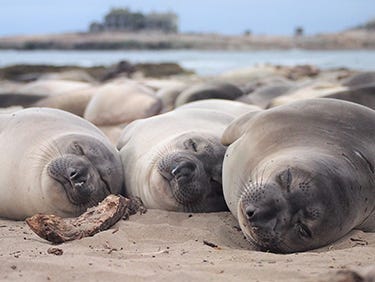
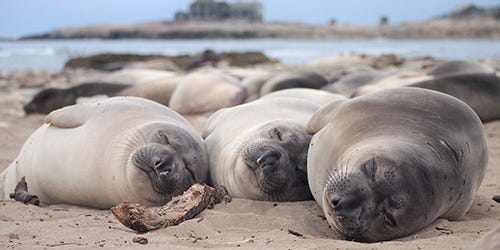
Elephant seals have been found to drift downwards in a "sleep spiral" when deep diving in the ocean to catch up on sleep while on months-long foraging trips. The seals fall into sleep during deep dives of up to 1,235 feet to avoid predators. Scientists recorded the brain waves of 13 young female seals in California as part of the study, marking the first time scientists have studied the brain waves and recorded the sleeping habits of a free-ranging, wild marine mammal. Elephant seals do get a lot of sleep when they are on land — about 10 hours — scientists said, which makes their sleeping pattern "unusual."

Deep Sleep: How Elephant Seals Outsmart Predators
science2 years ago

Deep Sleep: How Elephant Seals Outsmart Predators

Elephant seals are able to sleep while deep diving up to 1,235 feet to avoid predators, according to a new study. The seals spiral downwards for about 10 minutes at a time during half-hour dives, and they sometimes even catch some sleep on the sea floor. Scientists recorded the brain waves of 13 young female seals in California as part of the study, marking the first time the sleeping habits of a free-ranging, wild marine mammal have been studied. The study examined the crucial nature of sleep for mammals, and pointed out that marine mammals "encounter especially challenging conditions for sleep when they are at sea."