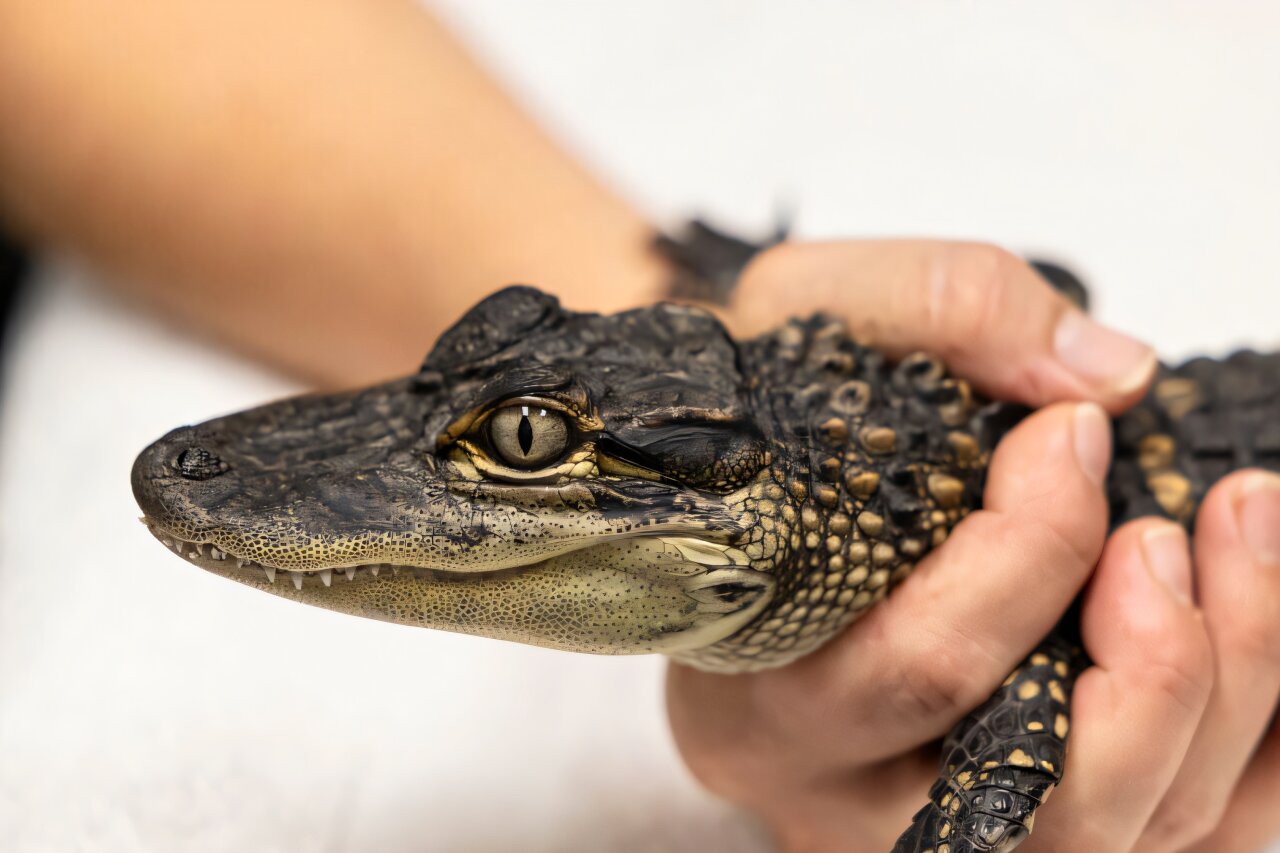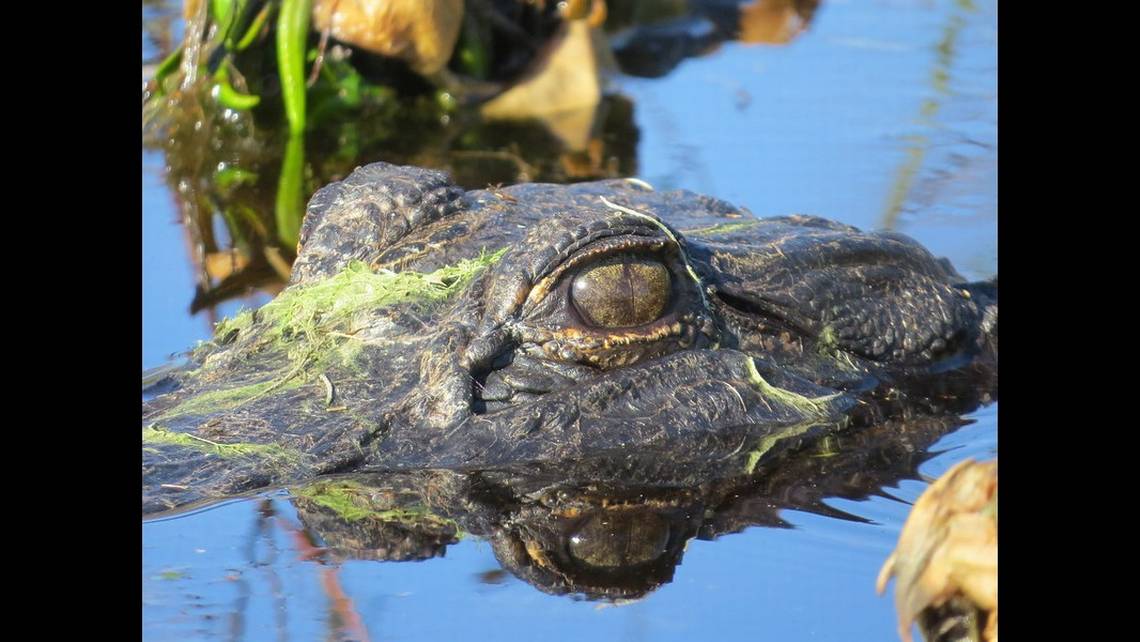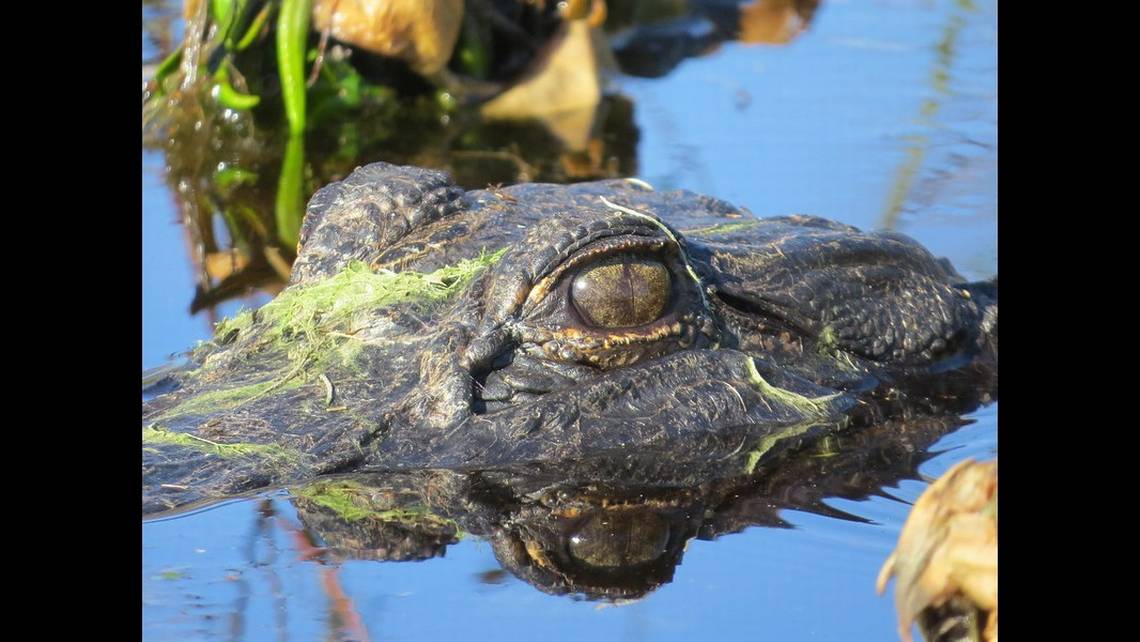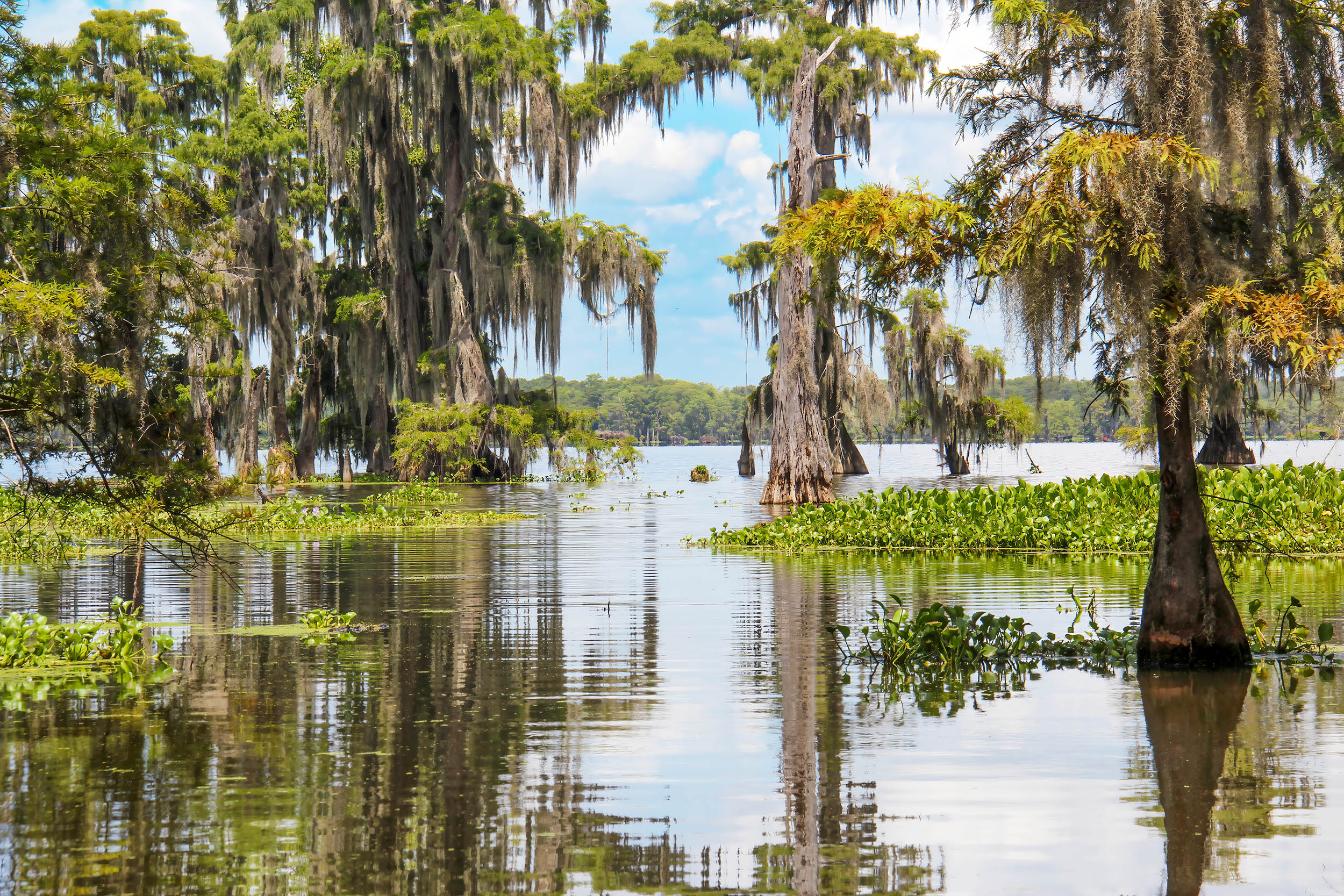
Scientists have found dangerously high levels of mercury in swamp alligators in Georgia and South Carolina, especially in the Okefenokee Swamp, raising concerns about environmental contamination and health risks for wildlife and humans, with mercury entering food webs and accumulating in top predators like alligators.
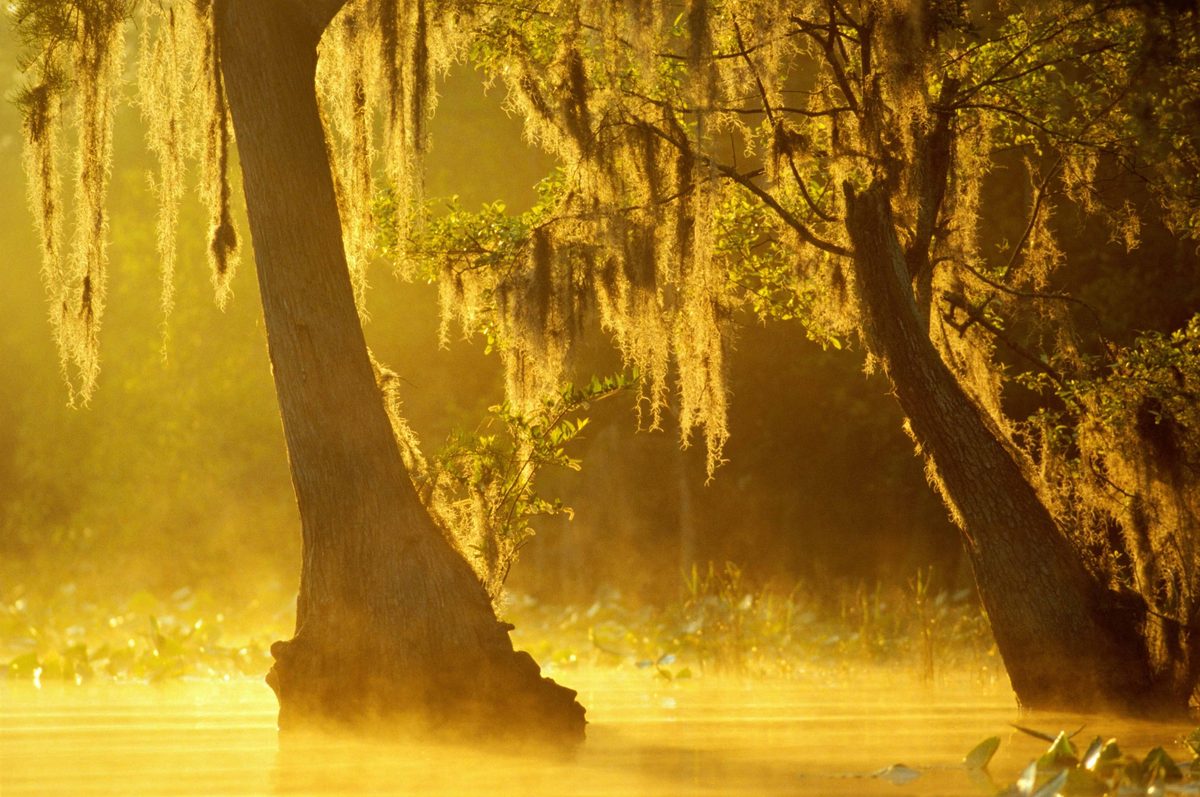
A study found high levels of mercury in alligators from Georgia's Okefenokee Swamp, raising concerns about ecosystem health and potential risks to humans due to mercury contamination, which accumulates through the food chain and affects top predators like alligators.
A University of Georgia study found high levels of mercury in alligators from Georgia's swamps, especially in the Okefenokee, indicating potential environmental contamination that could affect other wildlife and humans, with mercury levels increasing with age and being passed from mothers to offspring.
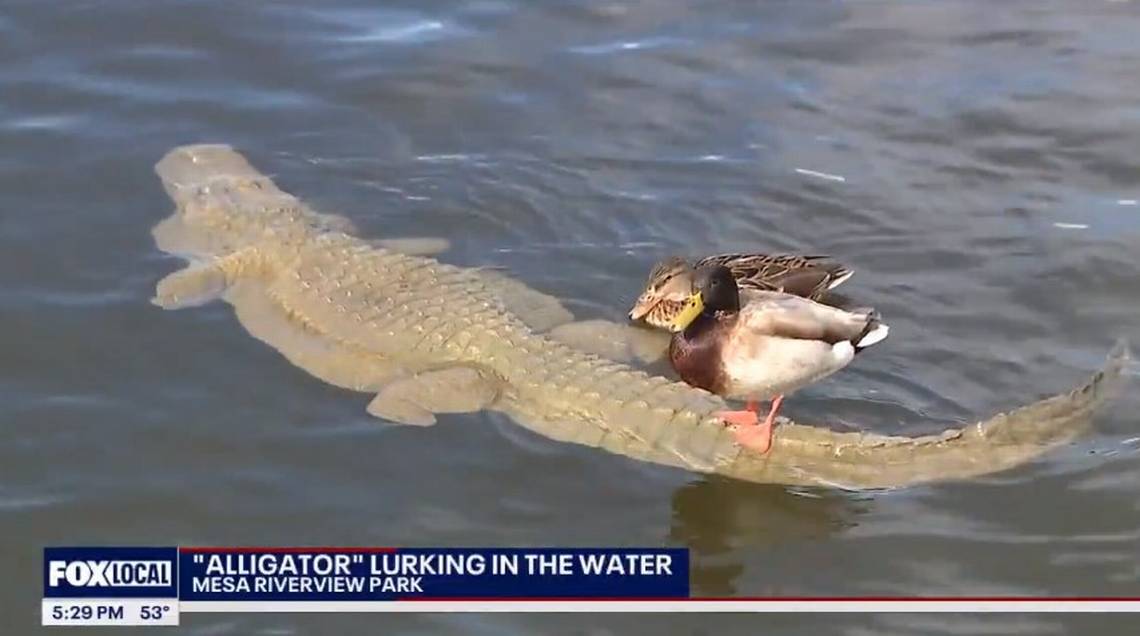
Visitors to a Mesa park in Arizona have been calling 911 to report alligators in the water, but city officials have clarified that the three alligators at Riverview Park are actually made of foam and are not real. The faux alligators were installed to provide more places for birds and turtles to sun themselves, but some visitors have found them so convincing that they've called 911 to report them. Park officials plan to add foam hippos next.
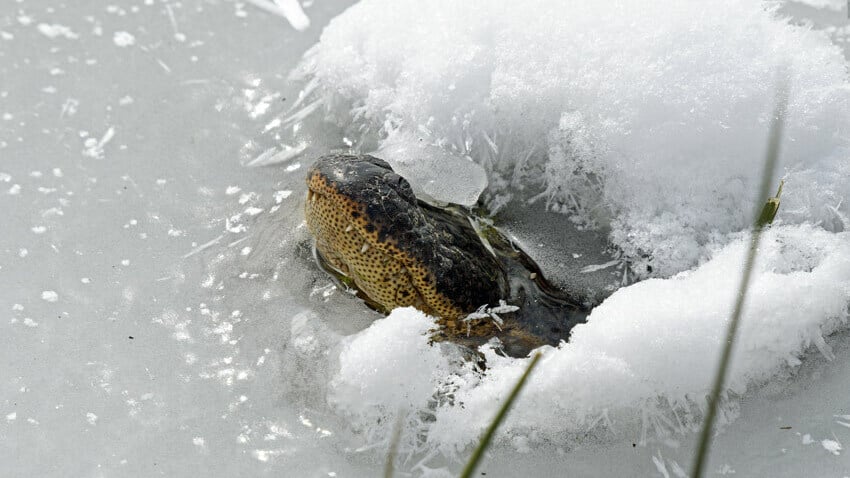
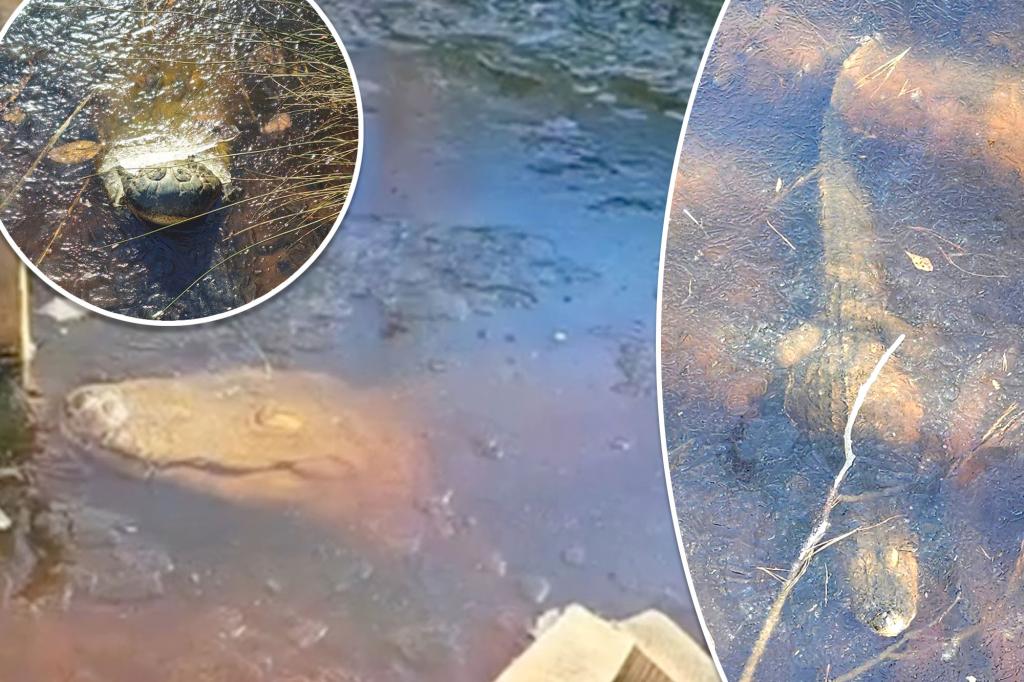
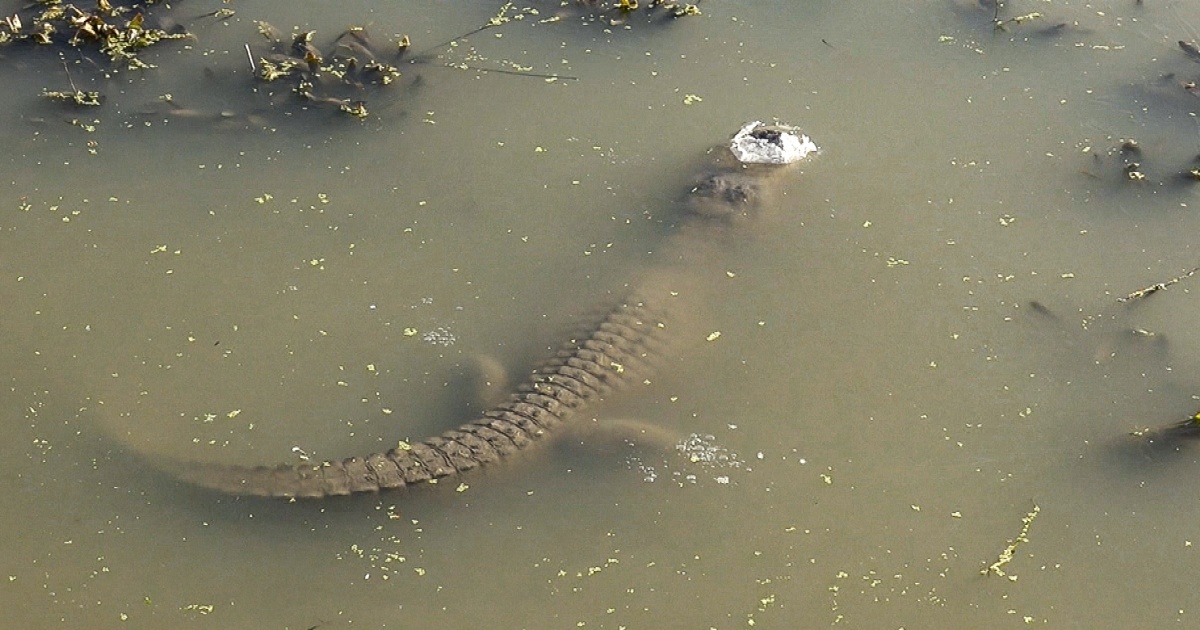
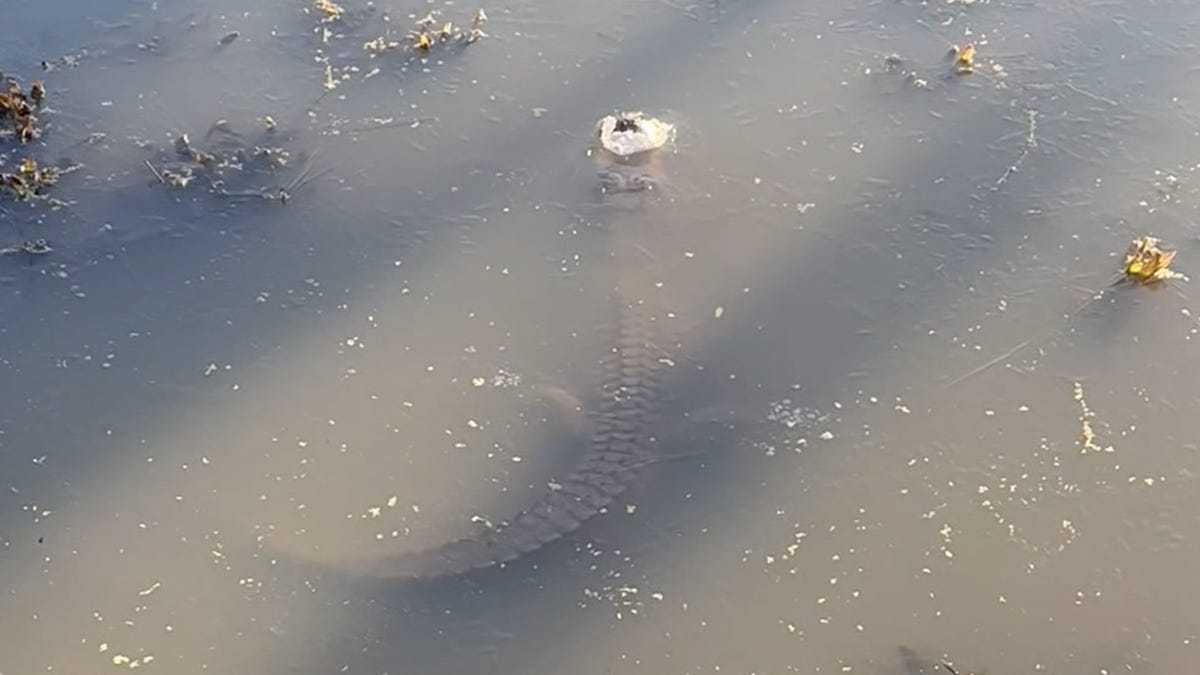
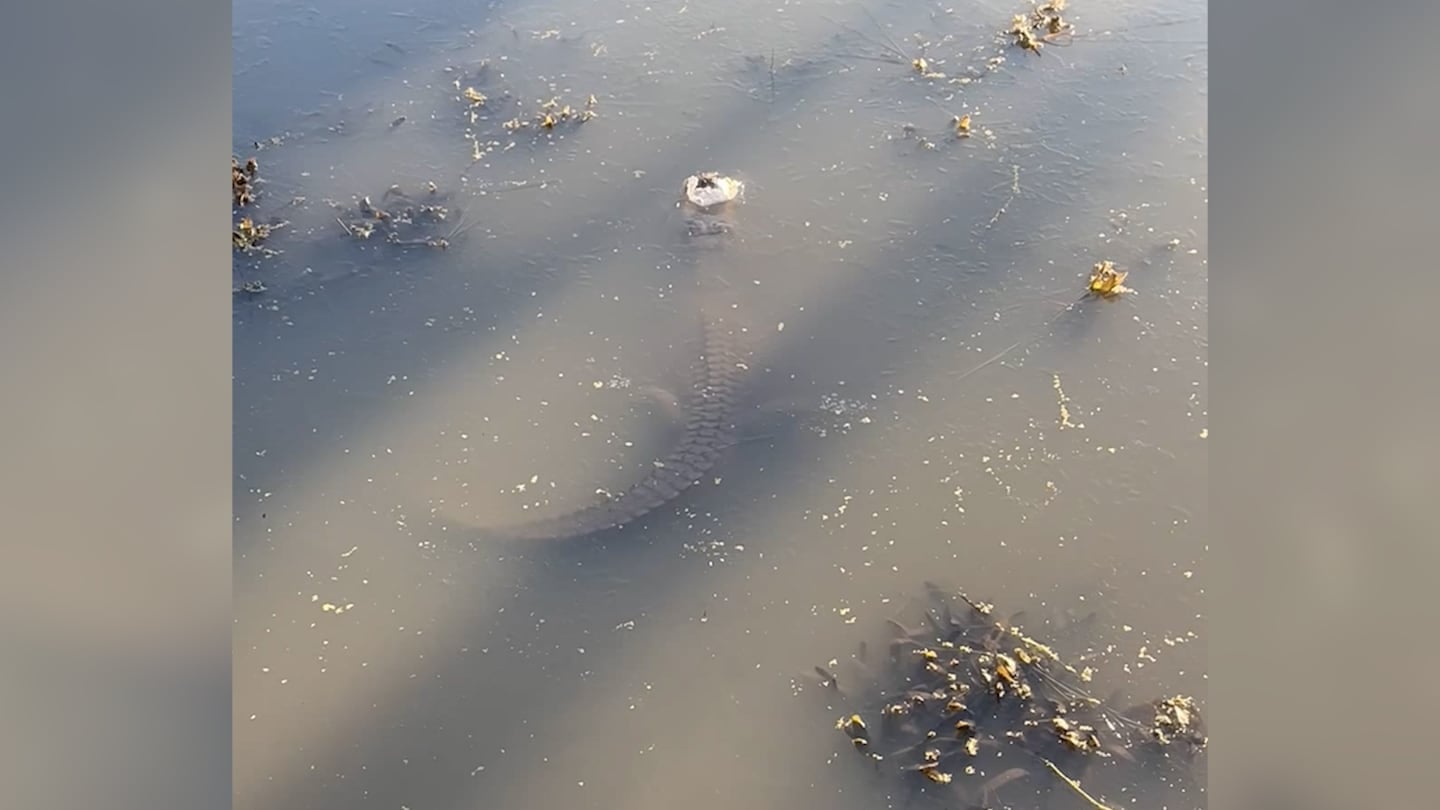
During the recent cold spell in Texas, alligators were found frozen underwater but still alive, as they enter a state of brumation, the cold-blooded version of hibernation, during winter months. This behavior allows them to survive icy winters by becoming lethargic and decreasing their metabolism and body temperature. As long as they can keep their nostrils above water level, they should survive, according to the U.S. Forest Service. Similar sightings of brumating alligators were reported in North Carolina, demonstrating the reptiles' ability to adapt to extreme weather conditions.
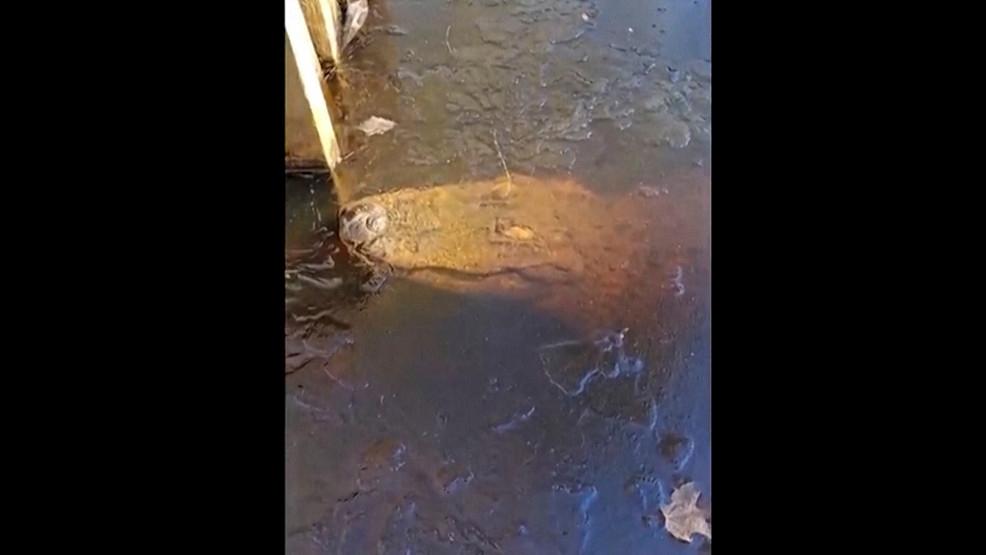
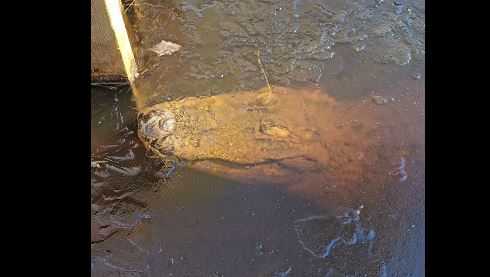
Videos of frozen alligators, dubbed "gatorcicles," have gone viral in South Carolina as temperatures dropped, showing the reptiles with only their snouts protruding from frozen ponds. The alligators are not dead but are using an evolutionary technique called brumation to survive the cold weather, slowing down their metabolic rate and becoming lethargic. This phenomenon is not limited to South Carolina, as similar sightings have been reported in Texas following a drop in temperatures.
Social media videos showing apparently frozen alligators in North Carolina and Texas have gone viral, but experts explain that the reptiles are actually alive and well, displaying a survival behavior known as brumation. During brumation, alligators' metabolic rates slow down, and they become lethargic, allowing them to survive in cold temperatures. The videos, posted by gator rescue parks, aim to educate the public about this rarely witnessed behavior and the adaptability of alligators in their environment.
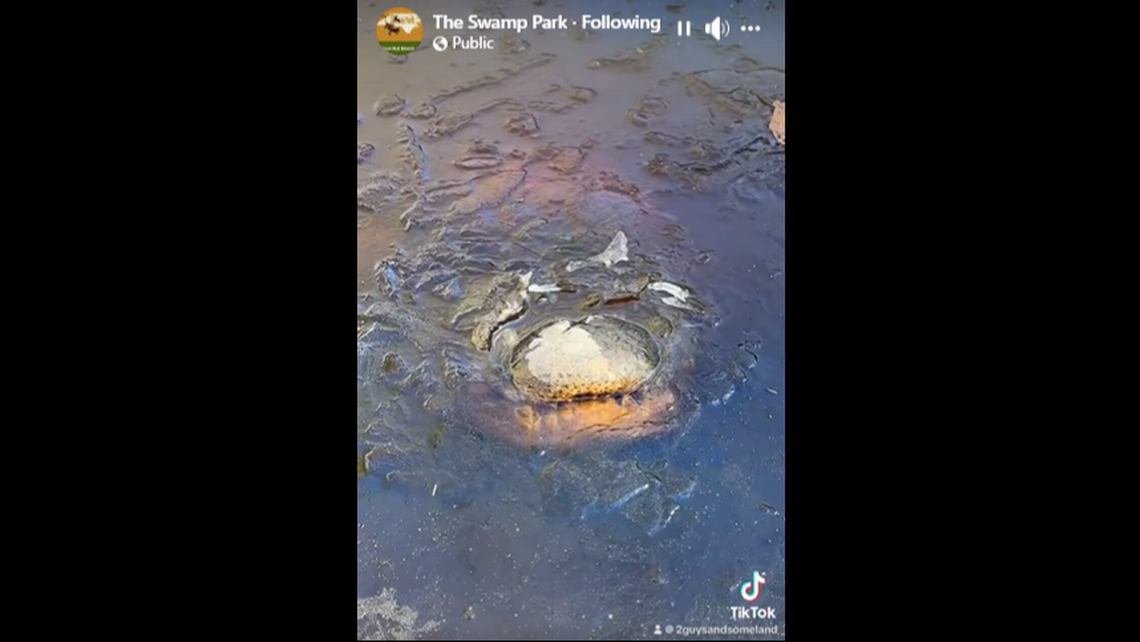
The recent cold weather in Ocean Isle Beach, North Carolina, allowed alligators at The Swamp Park Outdoor Adventure Center to showcase their survival skill by being suspended in frozen ponds with only their snouts above the ice, a phenomenon known as brumation. The cold-blooded animals can't regulate their own temperature, so they enter this state to survive freezing temperatures, sticking their noses up out of the water to breathe while the water freezes around them. The alligators returned to normal as temperatures rose, demonstrating their remarkable ability to adapt to extreme weather conditions.
Photos and videos of frozen alligators in North Carolina and Texas have sparked fear and amazement online, but experts assure that the reptiles are not dead – they are simply using a survival instinct called brumation to endure the cold temperatures. Brumation is the reptilian equivalent of mammal hibernation, during which alligators become lethargic and have a slowed metabolic rate. This phenomenon allows them to survive in the cold without suffocating, and they rely on the environment to regulate their body temperature.
Alligators in North Carolina and Texas have been spotted submerged under ice with just their snouts poking out to breathe, a behavior known as brumation, the reptilian version of hibernation. During brumation, reptiles reduce their body temperature, heart rate, breathing, and metabolic rates to conserve energy in cold temperatures. Alligators in Texas are mostly inactive from mid-October until early March, and when they eventually emerge from brumation, they are lethargic and slow until they warm up by basking in the sun.
The Swamp Park in eastern North Carolina recently posted pictures and a video of frozen alligators, as the rescued gators went into a state of brumation, a form of hibernation for alligators, to survive and protect themselves in the extreme cold by tilting their noses above water to breathe and suspending themselves in the water with closed eyes. This isn't the first time this has happened, with similar occurrences reported in 2019 and 2018.
Frozen alligators, dubbed "gatorcicles," were found suspended in a North Carolina swamp as temperatures dropped to 17 degrees, allowing them to survive by sticking their noses out of the ice to breathe and suspend themselves in the water. The rarely witnessed adaptation is an extreme form of brumation, enabling the alligators to survive cold snaps while frozen in place. The park's videos of the "gatorcicles" have garnered attention on social media, with some daring the park to "boop the snoot" of an alligator, and one staffer even recorded himself doing just that.
New research reveals that American alligators have the remarkable ability to hear underwater, allowing them to adjust their hearing between land and water by tightening their eardrums. This discovery, along with their underwater vision due to a second set of eyelids, makes sense for a predator known to hunt in various environments. The study, conducted by scientists at Kirksville College of Osteopathic Medicine, involved dissecting the ears of nine alligators and was published by the American Association for Anatomy.
New research reveals that alligators have the ability to hear underwater, which is part of their submergence reflex and occurs automatically when they go underwater. This discovery, made by scientists at A.T. Still University’s Kirksville College of Osteopathic Medicine, shows that alligators can adjust their hearing to land or water by tightening their tympanic membrane. This ability, in addition to their underwater vision and hunting prowess, makes them even more formidable aquatic predators.
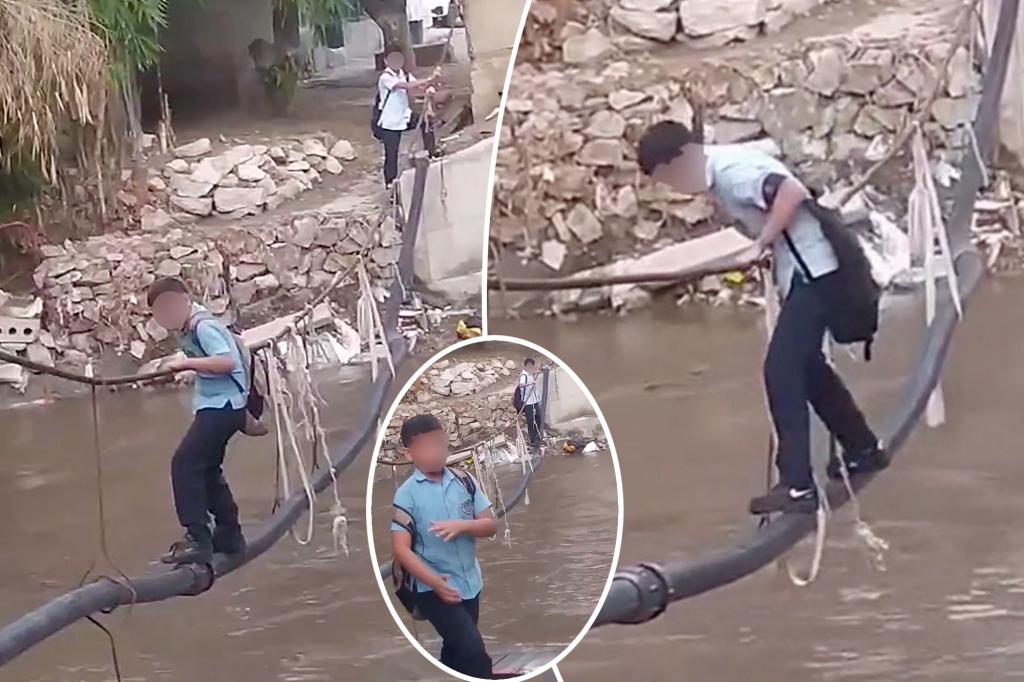
Over 70 students from Villa Leidy, Colombia, risk their lives daily to get to school by crossing a makeshift bridge made of a water pipe and a rope over the alligator-infested Gaira River. The previous wooden bridge collapsed, and despite pleas from parents, the town council has ignored their requests for a safer bridge. The lack of a proper bridge puts everyone in the neighborhood at risk, including children, elderly people, and pregnant women. Authorities have not provided a timeline for building a new bridge, leaving residents to resort to using a local resident's raft when water levels are low or crossing via the water pipe when the river is high.