Greek yogurt, a popular dairy product in the Mediterranean diet, is made by straining out whey and is considered very healthy, with experts highlighting its nutritional benefits and versatility in recipes.
Eggs are a nutritious and economical source of protein, vitamins, and essential amino acids, with a single egg containing about 6 grams of protein. The healthiest way to eat eggs depends on personal goals and preferences, with options like omega-3-enriched eggs for added benefits. For weight loss, lower-fat preparations like hard-boiled or poached eggs are recommended, while those aiming for muscle gain might add extra egg whites or cottage cheese. Despite previous concerns, dietary cholesterol in eggs, mainly found in yolks, is not linked to cardiovascular risk, and yolks also offer additional nutrients like lutein and zeaxanthin for eye health. The American Heart Association now suggests that eggs can be safely consumed daily, though people with high blood cholesterol should monitor dietary cholesterol intake.
The article presents a collection of one-pot Mediterranean diet dinners that are not only easy to prepare but also offer health benefits by reducing inflammation. These recipes feature key ingredients like poultry, seafood, olive oil, whole grains, and a variety of vegetables, which are central to the Mediterranean diet. Highlights include dishes like Chicken Enchilada Skillet Casserole, One-Pan Spicy Okra & Shrimp, and Vegan Jambalaya, all designed to provide flavorful and nutritious meals with the convenience of minimal cleanup.
Dr. Tenforde from Harvard Medical School recommends more regular exercise during winter as it can be more efficient due to lower temperatures. To combat winter laziness, it's suggested to exercise at home, workout with friends, complete household chores, stay hydrated with water and warm beverages, and eat healthy seasonal vegetables while avoiding overeating. These strategies can help maintain physical activity levels during the colder months.
A Harvard nutrition expert outlines four strategies for eating to promote longevity: 1) Increase intake of whole and minimally processed foods, particularly plant-based options, similar to the Mediterranean or Okinawan diets. 2) Reduce consumption of processed and ultra-processed foods to lower the risk of chronic diseases and premature death. 3) Be flexible with your diet by creating a personalized fusion of healthy dietary patterns for greater enjoyment and adherence. 4) Use meal times as social gatherings to strengthen social connections, which are also crucial for a longer life. These guidelines aim to improve overall health and increase life expectancy by focusing on diet quality and lifestyle.
The article presents four mushroom-based recipes to help combat vitamin D deficiency during winter: Mushroom Soup, Mushroom Curry, Mushroom Spinach Omelette, and Kadhai Mushroom. These dishes are not only flavorful but also serve as a nutritious way to increase vitamin D intake when sunlight exposure is limited. Mushrooms are highlighted as a versatile and vitamin D-rich ingredient, offering a tasty solution to maintaining adequate nutrient levels in colder months.
U.S News health experts have named WeightWatchers (WW) as the best weight loss diet for 2024, which emphasizes lasting weight loss without the need for calorie counting. The diet uses a Points system that assigns values to foods based on nutritional content, encouraging healthier eating habits and portion control. The Mediterranean Diet and the volumetric diet were also highly ranked for their focus on food quality and low-calorie density, respectively. WW provides support through an app and workshops, offering a flexible approach to weight loss that includes a variety of foods and accommodates individual daily Points allowances.
A health correspondent shares 10 key lessons from her successful weight loss journey, emphasizing the importance of understanding calories, the role of protein and fiber, the benefits of high-volume eating, and the lesser impact of exercise on weight loss compared to diet. She highlights the pitfalls of fad diets, the need for a sustainable approach, the significance of sleep, and the individual nature of weight loss. Her experience shows that consistency, long-term thinking, and finding enjoyable forms of exercise are crucial for maintaining weight loss.
Nutritionist Rob Hobson was surprised to find his diet included more ultra-processed foods (UPFs) than expected, prompting him to create homemade alternatives to popular UPFs. His new book, "Unprocess Your Life," encourages preparing food from scratch to avoid the health risks associated with UPFs, which studies link to increased risks of heart attacks, high blood pressure, stroke, and dementia. Hobson's approach involves making easy, budget-friendly, and nutritious meals, and he provides tips for identifying and replacing UPFs in one's diet with healthier options.
To enhance immune defenses, especially during the ongoing Covid-19 pandemic, incorporating certain foods into one's diet is recommended. Citrus fruits, kiwi, fatty fish, garlic, spinach, and broccoli are highlighted for their rich nutrient profiles that support the immune system. These foods are packed with vitamins, minerals, antioxidants, and anti-inflammatory properties that can help protect against infections and strengthen overall health.
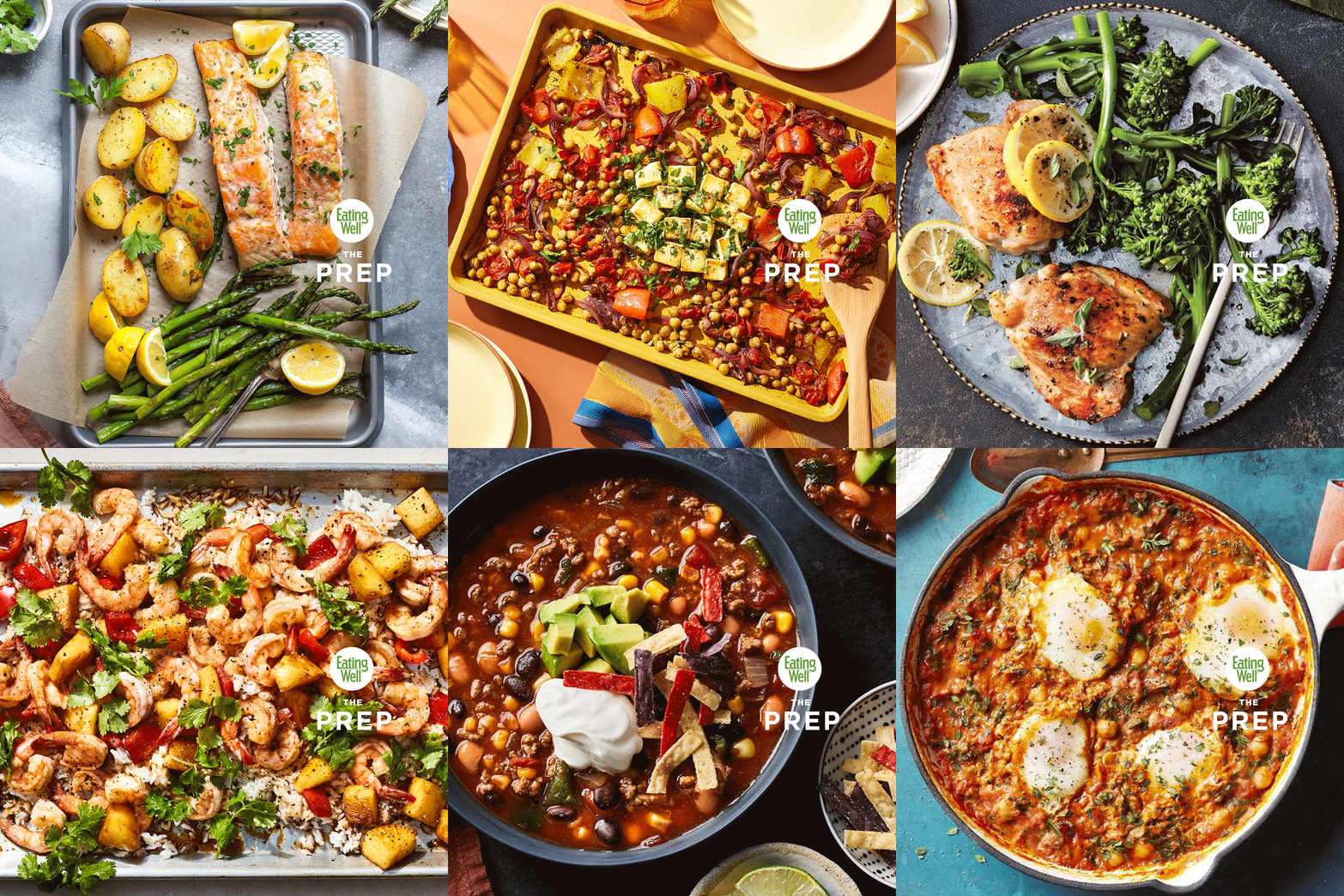
ThePrep column offers a weekly meal plan with easy, nutritious dump-and-go dinners around 500 calories each, perfect for post-holiday routines. The plan includes cozy options like Bean & Beef Taco Soup and convenient sheet-pan meals, with a focus on simplicity and flavor. Additionally, the article suggests a Tart Cherry Nighttime Mocktail to improve sleep and highlights January deals at Costco for healthy snacking options.
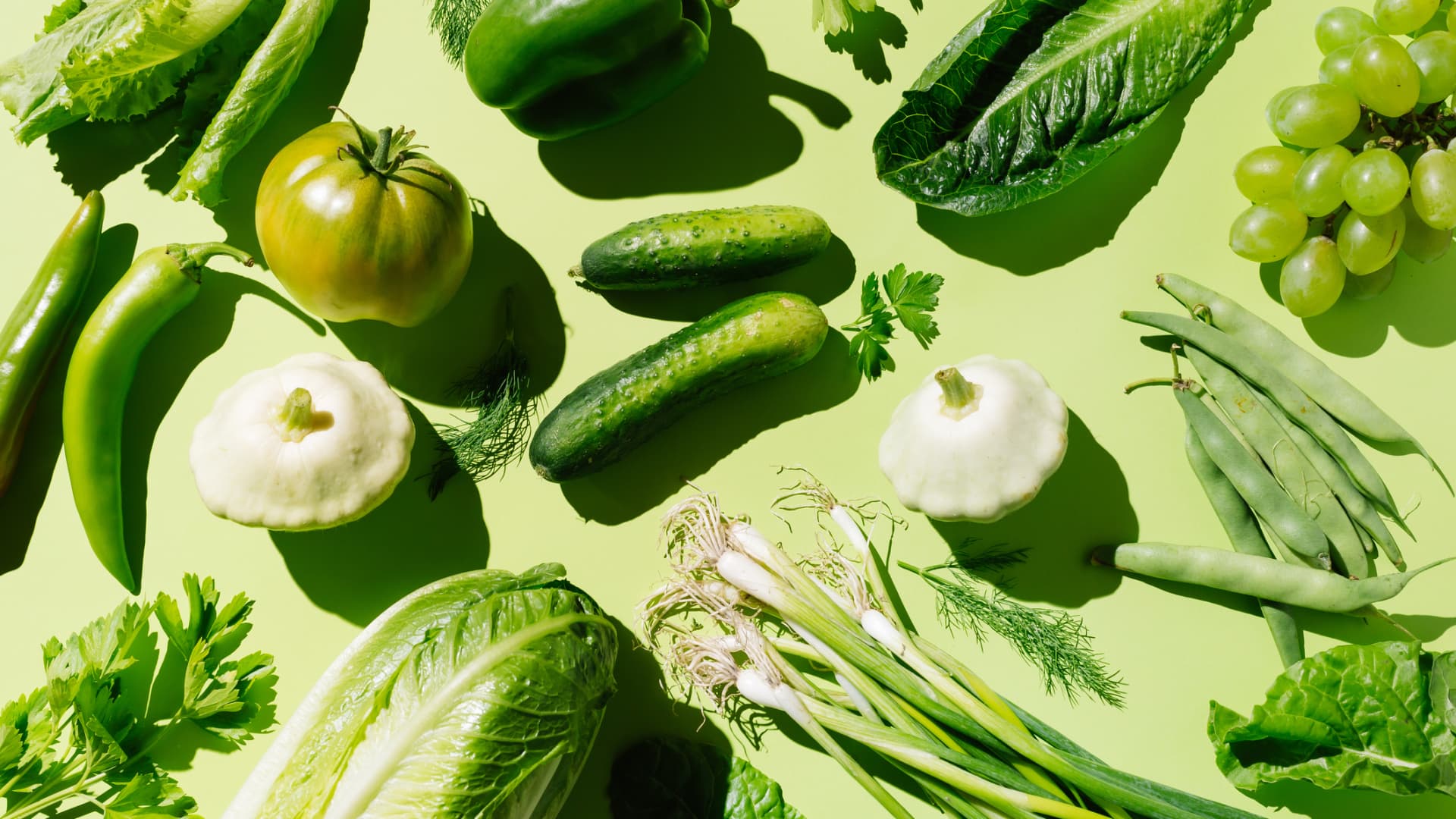
Experts suggest that a plant-based diet can be healthier and aid in weight loss, emphasizing the importance of high protein and fiber from plants rather than meat. The Mediterranean diet is highlighted as a beneficial plant-based option, focusing on whole foods and reducing animal fats and proteins. Caution is advised regarding ultra-processed plant-based meat alternatives, which may not be as healthy due to high saturated fats and processed ingredients. Plant-based diets are also linked to improved gut health, but most Americans fall short of the recommended fiber intake, essential for gut microbes. The article encourages incorporating more whole plant foods into diets for overall health benefits.
Nutritional psychiatrist Dr. Uma Naidoo recommends consuming certain foods and beverages to help manage stress and anxiety. These include green tea for its L-theanine and polyphenols, anti-inflammatory spices like turmeric and cinnamon, masala chai, golden milk turmeric lattes, extra virgin olive oil and avocado oil for their healthy fats, lavender tisane for its calming effects, and a variety of vegetables for their nutrients and antioxidants. These foods, along with a balanced diet rich in phytonutrients, can help reduce neuroinflammation and promote relaxation. It's important to observe how these foods affect your mood, as individual responses can vary.
Potassium is crucial for various bodily functions, and a diet rich in potassium can offer benefits like lowering blood pressure and reducing kidney stone risk. Adults typically need 4,700 mg of potassium daily, which can be found in foods such as bananas, leafy greens, avocados, potatoes, and fish. Dried fruits like apricots, raisins, and prunes are also high in potassium. However, individuals with chronic kidney disease or those on certain medications should monitor and potentially limit their potassium intake to avoid health complications. Less than 2% of Americans meet their daily recommended potassium intake, highlighting the need for dietary adjustments in many cases.
Vanessa Rissetto, a registered dietitian, advises against five common health missteps in the new year: 1) Skipping fiber in meals, crucial for gut health and weight management. 2) Drinking less than 96 ounces of water daily, as proper hydration supports various bodily functions. 3) Omitting any macronutrients, like carbs, which is unsustainable and can lead to overeating. 4) Neglecting magnesium intake, essential for blood pressure and sleep, but warns against high-dose supplements. 5) Meal prepping too far in advance, suggesting instead to keep staples ready for quick, fresh meals.