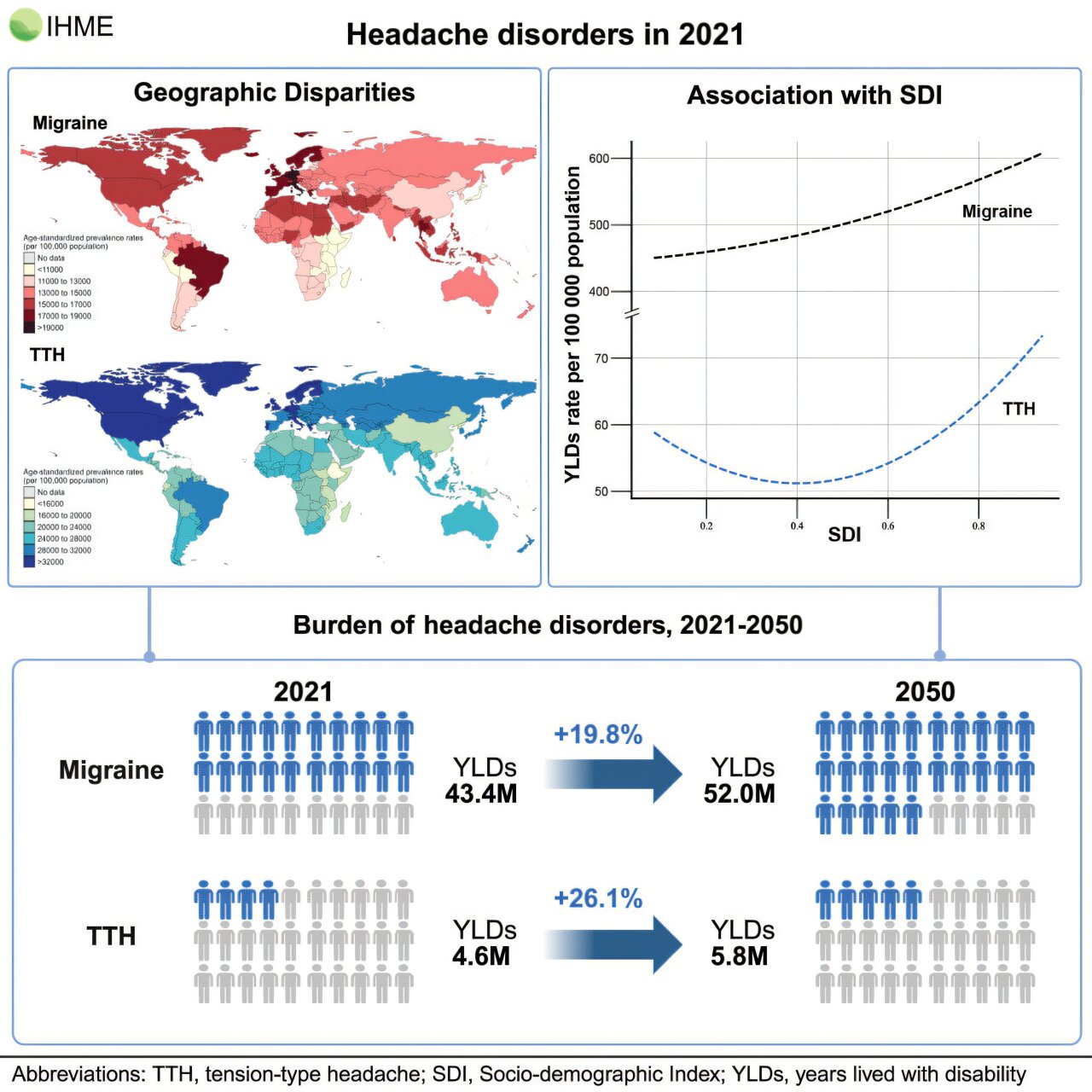
A comprehensive international study highlights that migraines and headaches affect over a third of the global population, with modern lifestyle factors and the COVID-19 pandemic exacerbating the issue, calling for increased healthcare recognition and targeted interventions.
The World Health Organization's cancer agency predicts a 77 percent increase in new cancer cases globally by 2050, with key factors including tobacco, alcohol, obesity, and air pollution. The report also highlights the disproportionate burden on lower-income countries, where the cancer burden is projected to more than double by 2050. Lung and breast cancer are the most common types, and colorectal cancer is on the rise due to lifestyle factors. The agency emphasizes the need for investment in early diagnosis, prevention, and palliative care for cancer patients.
A global review of maternal health has found that over 40 million women worldwide experience lasting health issues after childbirth, with one in three new mothers affected. The study highlights the underappreciation and neglect of common postnatal problems such as pain during sex, low back pain, anxiety, depression, and urinary incontinence. Researchers call for greater recognition and effective care throughout pregnancy and childbirth to prevent and address these conditions. The lack of attention to maternal health contributes to the failure of many countries to reduce maternal deaths.
A new study published in Lancet Planetary Health reveals that the global death toll from lead exposure is six times higher than previously estimated. The study estimates that 5.455 million adults worldwide died in 2019 from cardiovascular disease (CVD) attributable to lead exposure. Additionally, children under 5 years old lost a collective 765 million IQ points due to lead exposure. The study puts the combined toll of cognitive damage and CVD mortality at $6 trillion for 2019 alone, with the greatest burden falling on low- and middle-income countries. The findings highlight the ongoing problem of lead exposure and the need for legislative responses to reduce lead pollution and exposure globally.
Stroke deaths worldwide could increase by 50 percent by 2050, reaching up to 9.7 million deaths per year, according to a report by the World Stroke Organization-Lancet Neurology Commission Stroke Collaboration Group. The study highlights the disproportionate impact on young people and low- and middle-income countries. Factors such as unequal healthcare resources, lack of prevention programs, pollution, and lifestyle choices contribute to the high number of stroke deaths. The report calls for urgent action, including awareness campaigns, improved treatment options, and regional cooperation, to address the growing burden of stroke.
A new study published in The Lancet Rheumatology journal estimates that nearly one billion people globally are likely to have osteoarthritis by 2050, with 15% of the global population aged 30 years or above currently affected. Factors contributing to this surge include aging, population growth, and obesity. Women are more likely to be affected by osteoarthritis than men, with genetics, hormonal factors, and anatomical differences playing a role. Osteoarthritis is a degenerative joint disease characterized by the breakdown of cartilage, leading to pain, inflammation, and reduced joint mobility. The global burden of osteoarthritis could be reduced by addressing obesity. Management includes lifestyle changes, physical therapy, medication, and surgical interventions if necessary.
A new study predicts that the global burden of diabetes is expected to surpass 1 billion by 2050, with type 2 diabetes being more prevalent. Complications associated with diabetes include ischemic heart disease, stroke, vision loss, and foot ulcers. Age and obesity are identified as major risk factors for diabetes. Identifying and addressing prediabetes can help reduce the risk of developing diabetes. Health agencies recommend adopting healthy lifestyles, including increasing fiber intake, engaging in regular physical activity, and maintaining a healthy body weight.
Poor diet was a significant factor in the development of over 14.1 million cases of type 2 diabetes in 184 countries in 2018, accounting for over 70% of all new diagnoses worldwide, according to a study by the Friedman School of Nutrition Science and Policy at Tufts University. The study found that insufficient intake of whole grains, excesses of refined rice and wheat, and the overconsumption of processed meat were the top contributors to the rising global incidence of type 2 diabetes. The study offers valuable insights into the dietary factors responsible for the burden of type 2 diabetes by region, based on an analysis of data from 1990 to 2018.
Poor diets account for 70% of newly diagnosed type 2 diabetes cases worldwide, with excess wheat intake, refined rice, and processed meat consumption being the top contributors. Inadequate whole-grain consumption also plays a significant role. The study highlights the need for nutritional priorities to address this global epidemic and reduce the devastating burdens of diabetes. The burden of type 2 diabetes was generally larger among urban versus rural residents and higher versus lower educated individuals, except in high-income countries, Central and Eastern Europe, and Central Asia, where burdens were larger in rural residents and in lower educated individuals.