A study predicts that in about 250 million years, Earth's continents will form a supercontinent called Pangea Ultima, leading to extreme global temperatures, widespread heat stress, and reduced habitability, which could threaten mammalian survival and offer insights into planetary habitability beyond Earth.
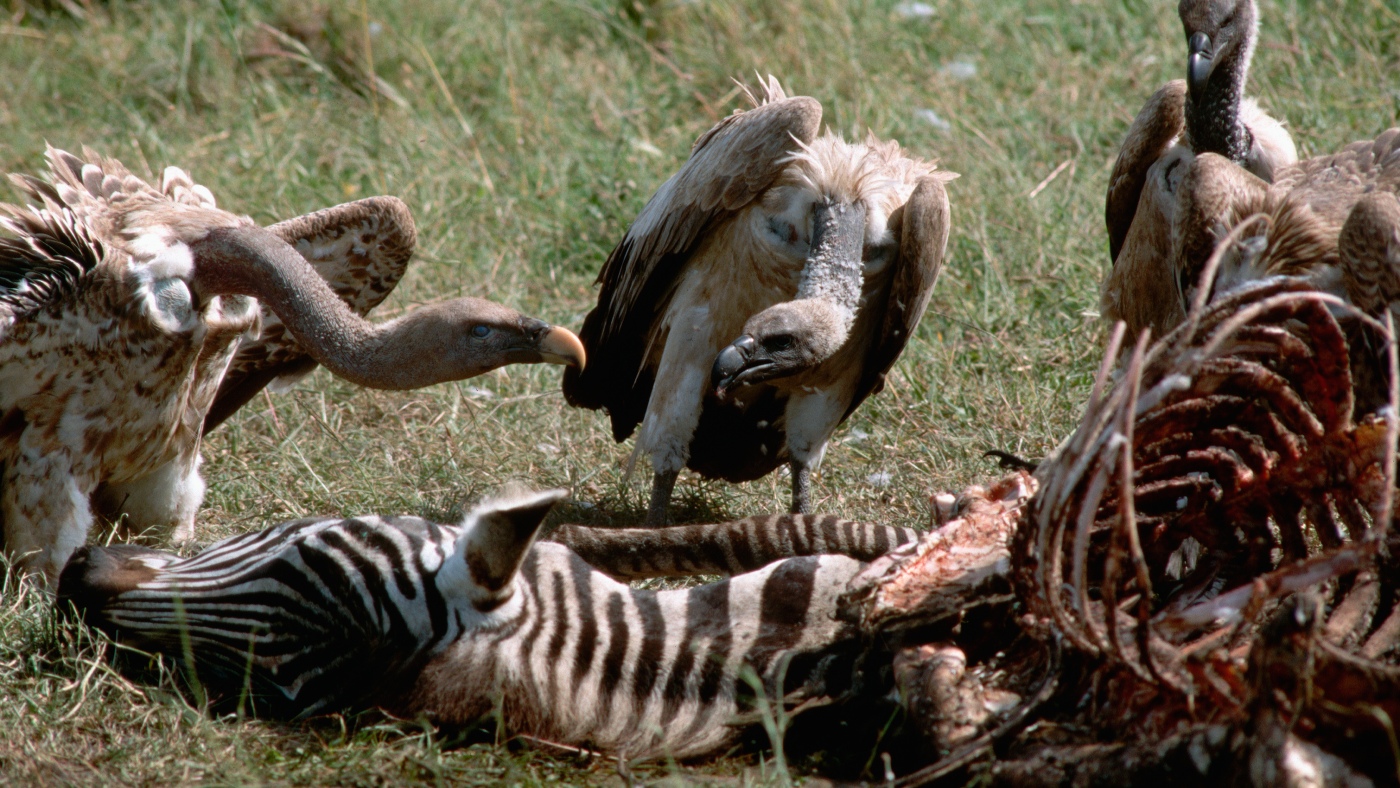
The decline of vultures due to toxic painkillers has led to increased carcass decomposition time, proliferation of disease-carrying bacteria, and a rise in feral dogs, highlighting the crucial role of scavengers in maintaining human health and ecosystem stability.
New research using tree ring data from over 1,500 piñon pines across nearly 1,000 sites challenges the climate envelope theory, showing that all sampled trees suffer from warming rather than some benefiting. This suggests that without evolutionary changes, the common piñon faces a risk of extinction as the climate warms.
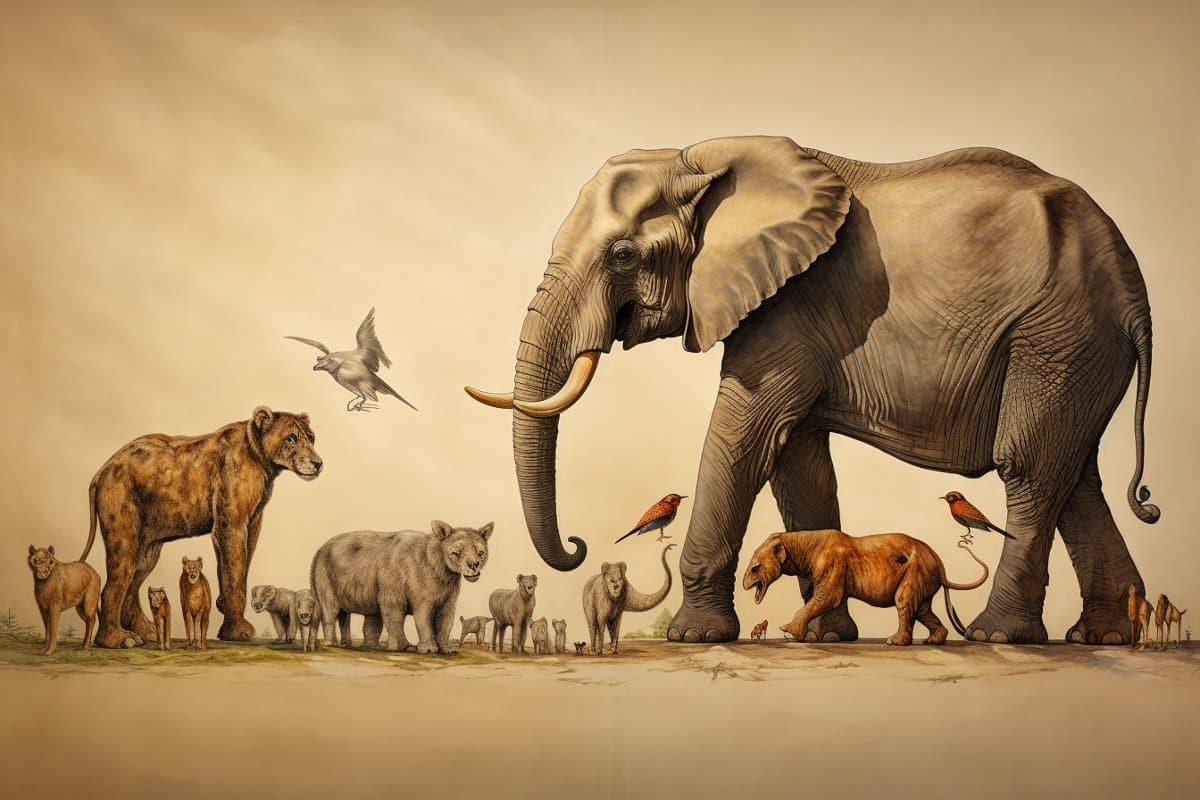
A new study challenges traditional views on animal size evolution by demonstrating how ecological factors, such as competition for resources and extinction risk, influence animal size changes over time. Contradicting Cope’s rule, the research finds that intense competition often leads to smaller sizes, as seen in Alaskan horses and island lizards. The study provides a nuanced understanding of size evolution, explaining the conflicting patterns observed in fossil records.
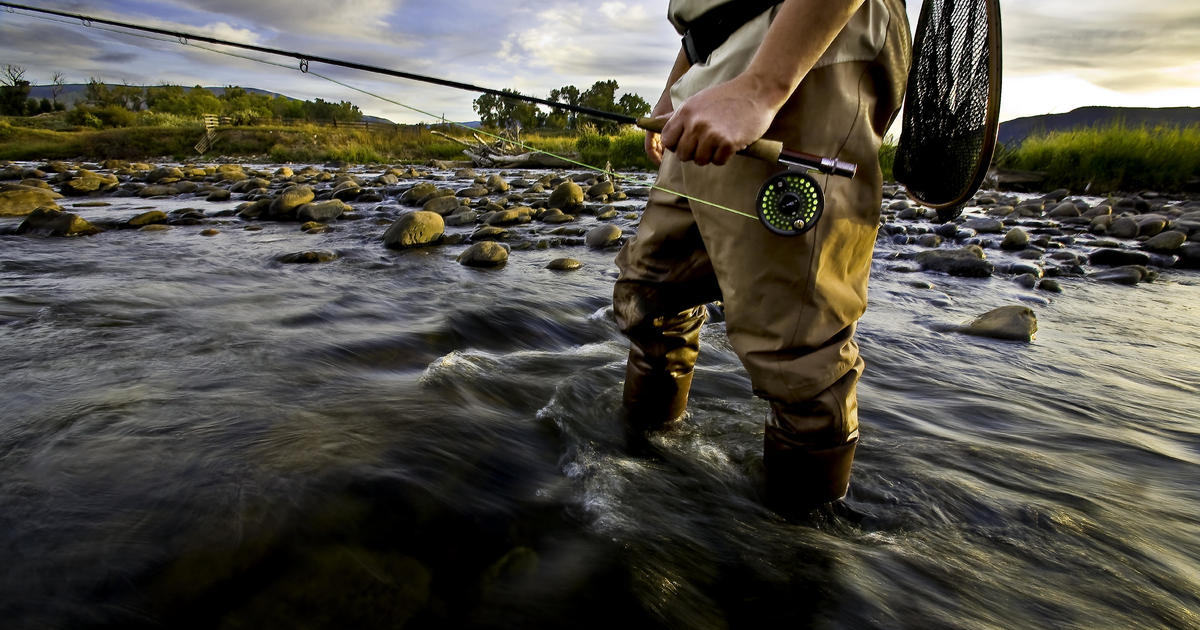
A report released by the International Union for Conservation of Nature (IUCN) warns that 25% of the world's freshwater fish species, amounting to thousands of species, are at risk of extinction. Climate change, pollution, overfishing, invasive species, disease, dams, and water extraction are all contributing factors. The IUCN emphasizes the importance of well-managed freshwater ecosystems to maintain food security, livelihoods, and economies. Around 200 million people rely on freshwater fish as their primary source of protein. The IUCN's Red List of Threatened Species now includes 157,190 species, with 44,016 facing extinction.
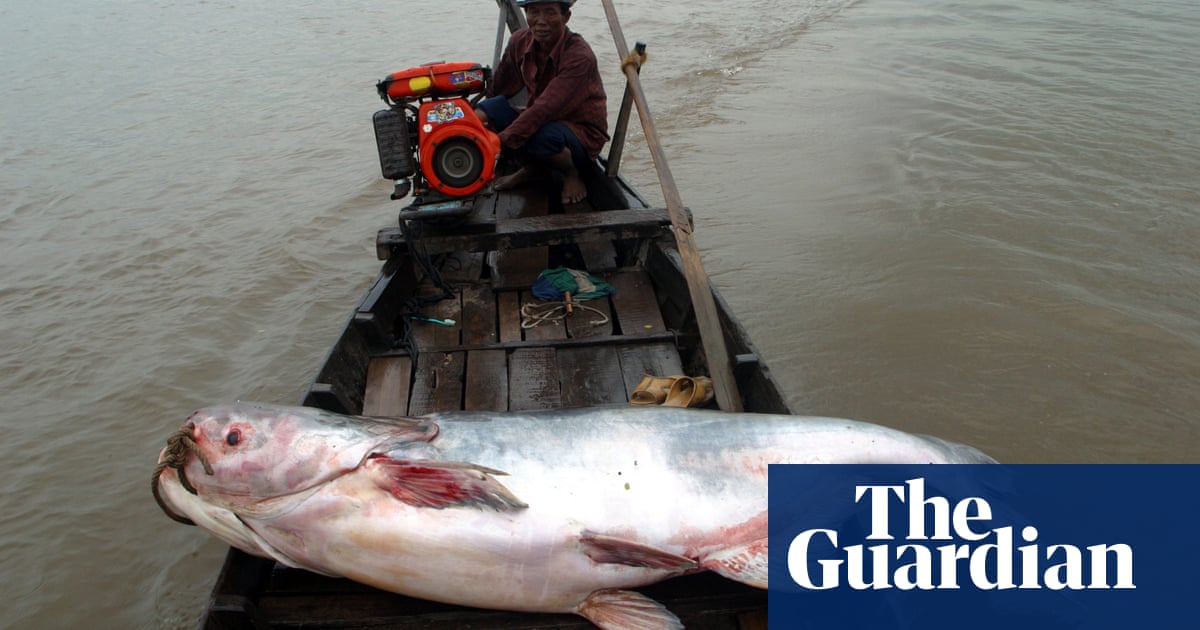
A new assessment by the International Union for Conservation of Nature (IUCN) reveals that nearly a quarter of the world's freshwater fish species are at risk of extinction due to global heating, overfishing, and pollution. Climate change is impacting nearly a fifth of all threatened freshwater species, causing falling water levels, shifting seasons, and seawater intrusion. Out of the assessed species, 3,086 out of 14,898 are at risk of disappearing. The assessment also highlights the increasing threats to mahogany, Atlantic salmon, and green turtles, but there is good news about the saiga antelope population in Kazakhstan, which has increased by 1,100% in just seven years. The reintroduction of the scimitar-horned oryx in Chad is another success story, while the Atlantic salmon and green turtles are also at risk of vanishing due to habitat loss and climate change.
Business leaders and public figures, including CEOs of OpenAI and Google DeepMind, have signed a statement warning of the risk of mass extinction posed by artificial intelligence (AI). The statement calls for mitigating the risk of AI extinction as a global priority alongside other societal-scale risks such as pandemics and nuclear war. The rise of vast quantities of AI-generated content has raised fears over the potential spread of misinformation, hate speech, and manipulative responses. The signatories suggest regulatory intervention by governments will be critical to mitigate the risks of increasingly powerful AI models.