New research reveals that Earth's stable continents were formed by extremely high temperatures deep within the crust, driven by radioactive decay of elements like uranium and thorium, which facilitated the cooling and solidification of the crust. These processes, akin to forging metal, shaped Earth's landmasses and created a stable foundation for life, offering insights into planetary habitability and guiding the search for life on other planets.
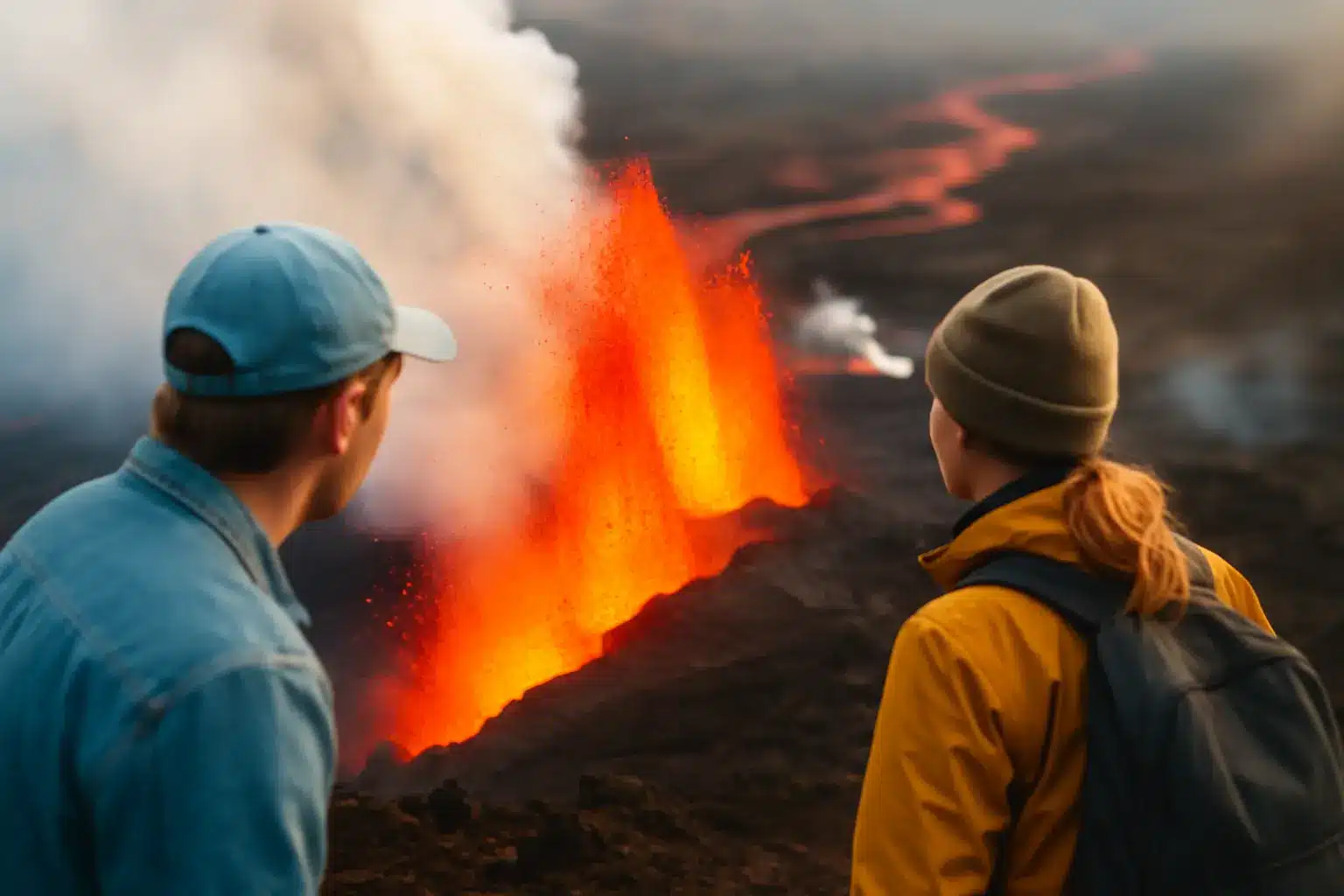
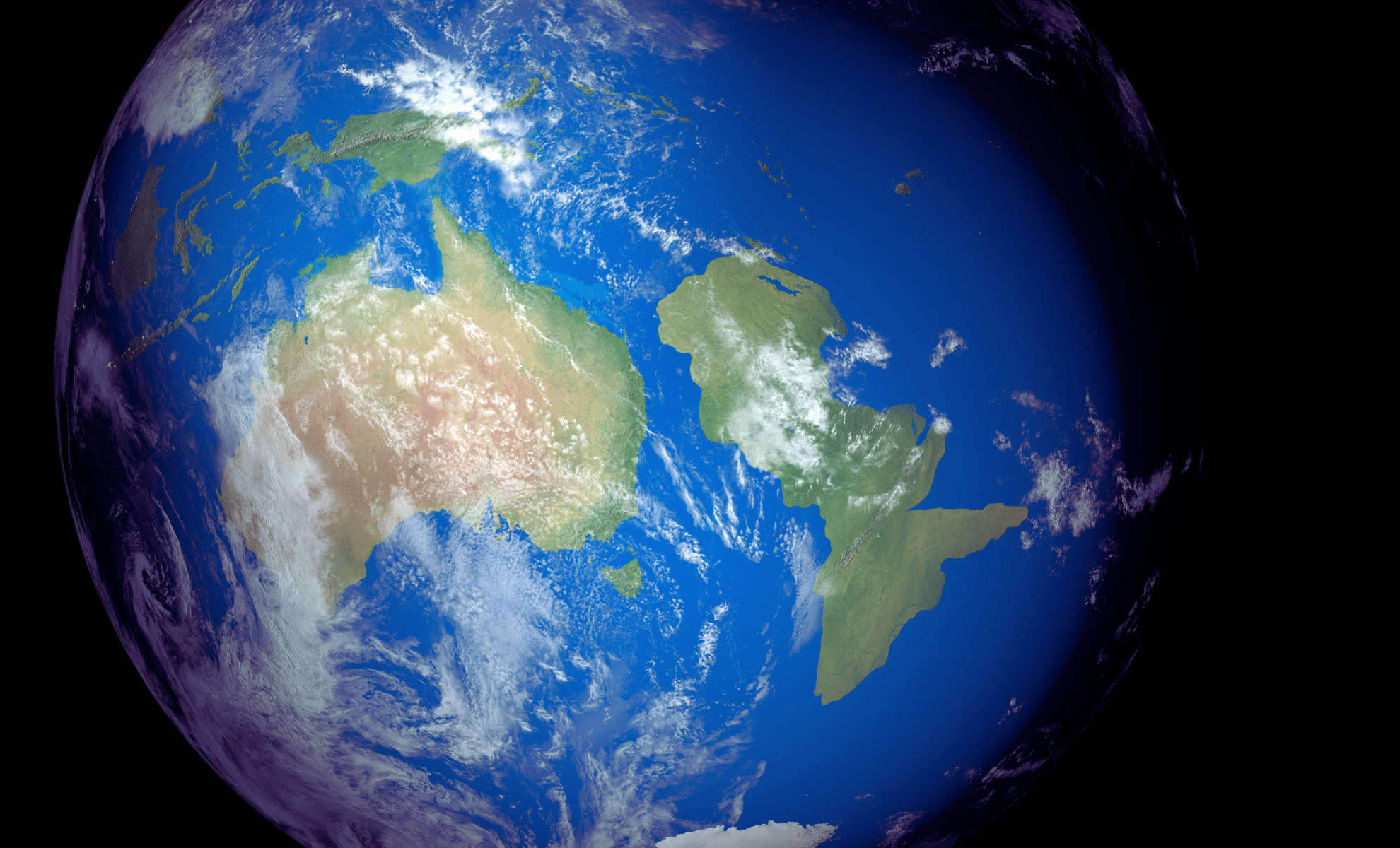
Scientists have discovered massive, branching mantle plumes beneath Earth that have historically shaped and may continue to reshape the planet's continents, including the formation of volcanic hotspots and the potential for future continental reconfigurations over millions of years.
Recent research using ancient crystal chemistry and geodynamic models shows Earth's continents began forming over 4.3 billion years ago, much earlier than previously believed, with implications for understanding Earth's climate and the development of life.
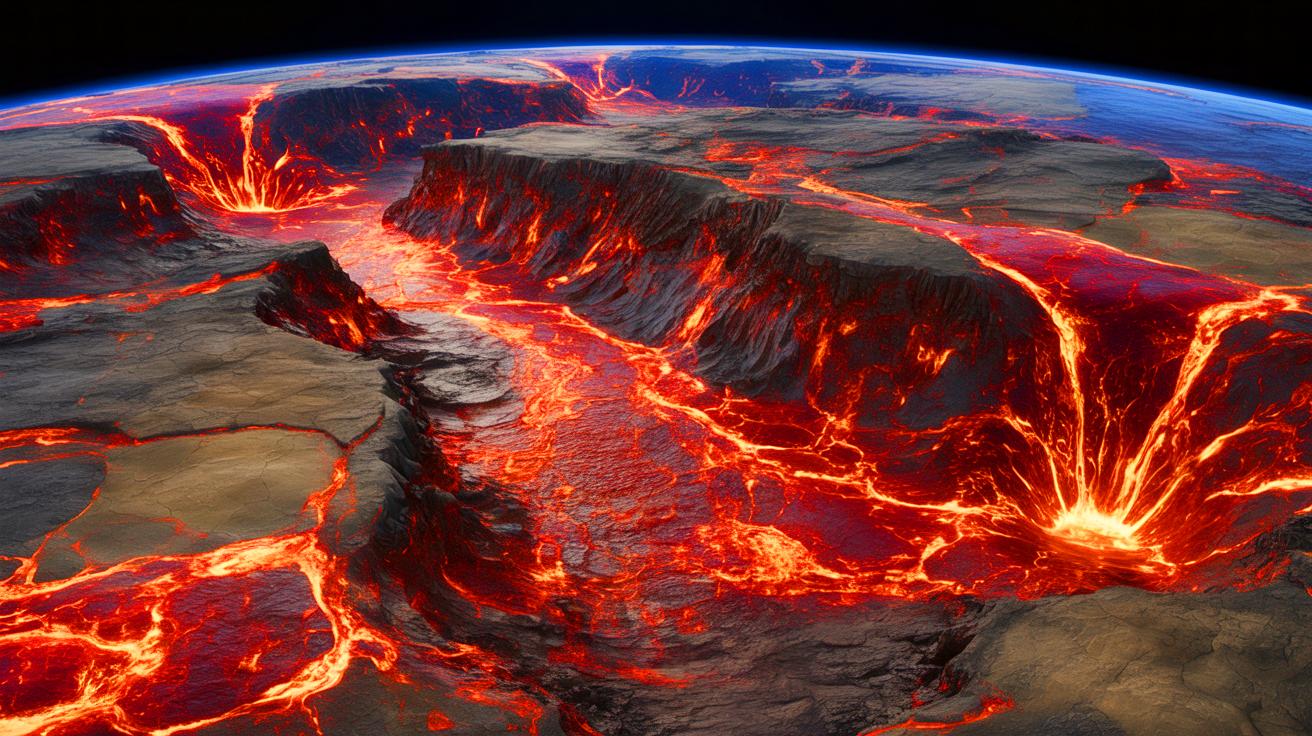
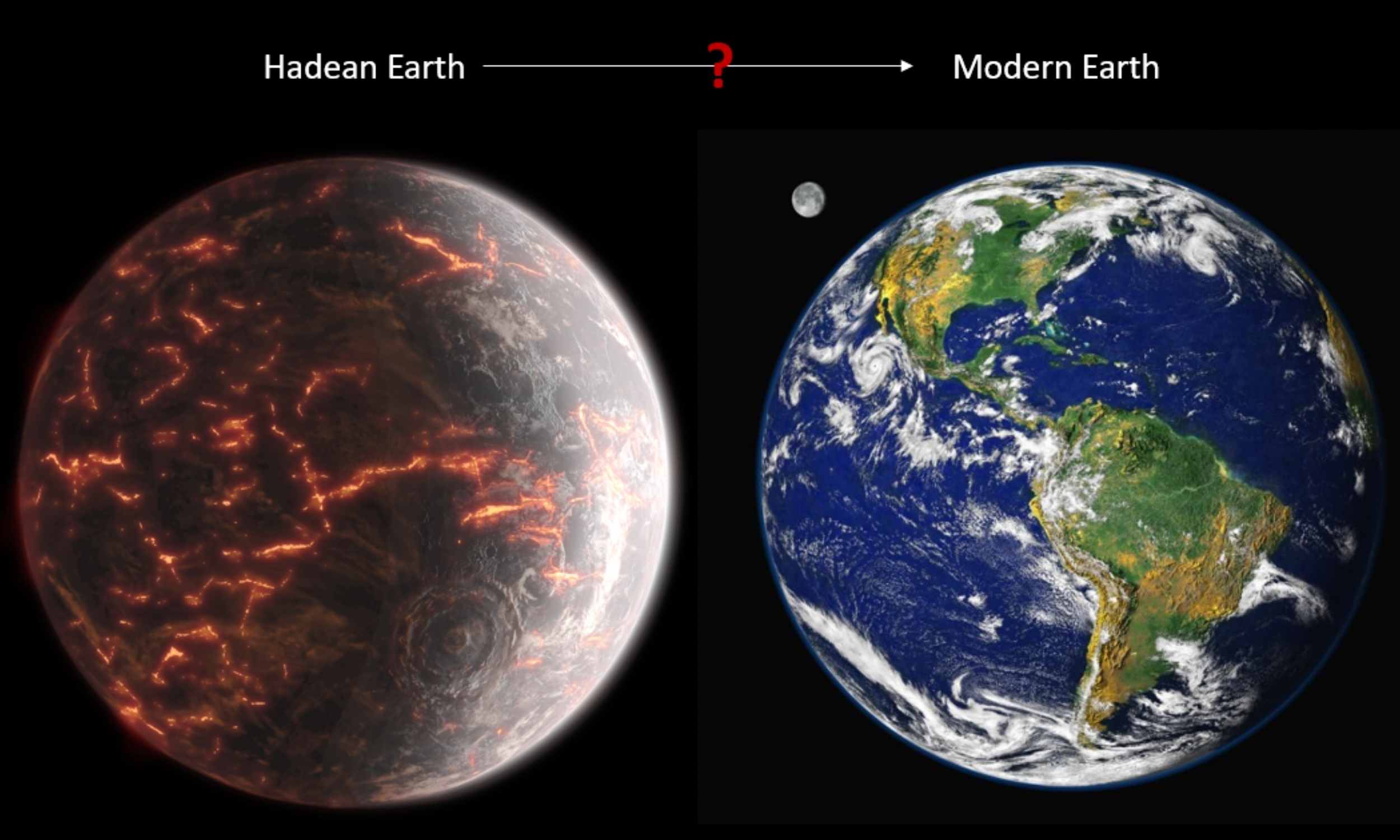
Recent research indicates Earth's continents formed much earlier than previously believed, around 4.3 billion years ago, driven by active tectonic processes and mantle plumes during the Hadean, challenging the idea of a stagnant early Earth and providing new insights into crust formation and mantle recycling.
A new study suggests that Earth's continents began forming much earlier than previously thought, with evidence of active plate tectonics and crust recycling during the Hadean eon, based on chemical analysis of ancient crystals and geodynamic models.
New research challenges the theory that the crystallization of garnet in magma beneath volcanoes was responsible for removing iron from Earth's crust, allowing the crust to remain buoyant in the planet's seas and form the continents we see today. The team of researchers recreated the intense conditions of Earth's interior in the lab to test the garnet theory and found it to be an unlikely explanation for why magmas from continental arc volcanoes are oxidized and iron-depleted. The findings pose more questions than they answer, leaving geologists and planetary scientists to rethink how this iron may have been removed from the material that would go on to form Earth's continents.