Tag

Luminescence Dating

All articles tagged with #luminescence dating

science1 year ago

"Uncovering Ancient Mysteries: Sahara's 13,000-Year-Old Star Dune Dormancy"

Scientists have unraveled the mystery of the absence of star-shaped dunes from Earth’s geological history by dating a 13,000-year-old star dune in Morocco and discovering its rapid formation in the last thousand years. The study, published in Scientific Reports, used ground penetrating radar and luminescence dating techniques to reveal the dune's growth and history, shedding light on Earth's past climate changes and geological formations.

science1 year ago

Unveiling the Secrets of Morocco's Massive Mobile Star Dune

Scientists from Aberystwyth University and University of London have uncovered the age and movement patterns of a giant star dune in Morocco's Erg Chebbi sand sea, revealing that its base is 13,000 years old while the upper part formed in the last 1,000 years. The dune moves at a rate of about 50cm a year due to winds blowing in opposing directions, and luminescence dating techniques were used to determine its age. This research sheds light on the formation and movement of these natural wonders, with implications for infrastructure planning and understanding of past climates.

science1 year ago

"Unraveling the Mystery of Earth's Largest Desert Sands: The Star Dune Revelation"

Scientists have determined the age of the Lala Lallia star dune in Morocco, one of Earth's largest and most complex sand dunes, to be 13,000 years old using luminescence dating. These dunes, also found on Mars, are formed by opposing winds and provide insight into past climates. The discovery sheds light on the rapid formation and movement of these massive dunes, which were previously unrecognized in Earth's geological history.

archaeology2 years ago

Ancient Wooden Structure Unveils Prehistoric Carpentry Skills

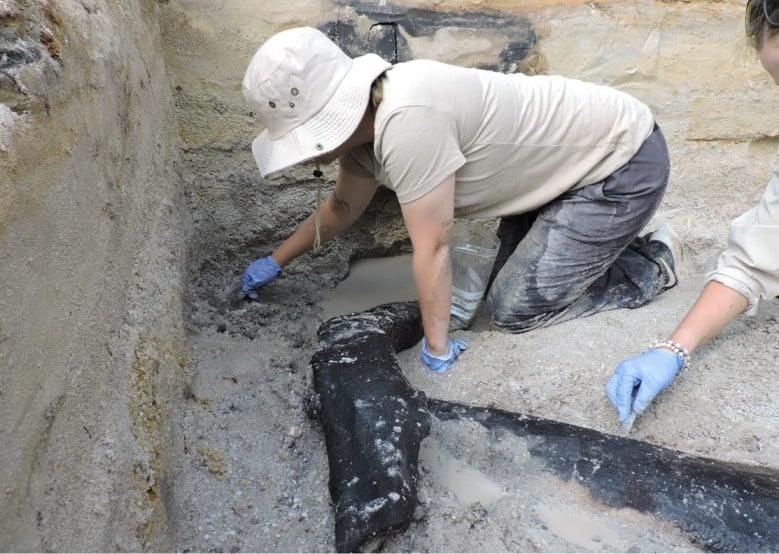
Archaeologists have discovered a half a million-year-old wooden structure at the archaeological site of Kalambo Falls in Zambia, predating the evolution of Homo sapiens. Stone tool cut marks on the wood indicate that early humans shaped and joined two logs to create a structure, challenging the belief that Stone Age humans were nomadic. The finding provides evidence of early humans using wood for more than just fire, sticks, and spears, and suggests they had the intelligence and skills to create something new. The wood was dated using luminescence dating, and the researchers hope to uncover more discoveries in the area in the future.