Tag

Dinosaur Discovery

All articles tagged with #dinosaur discovery

science2 months ago

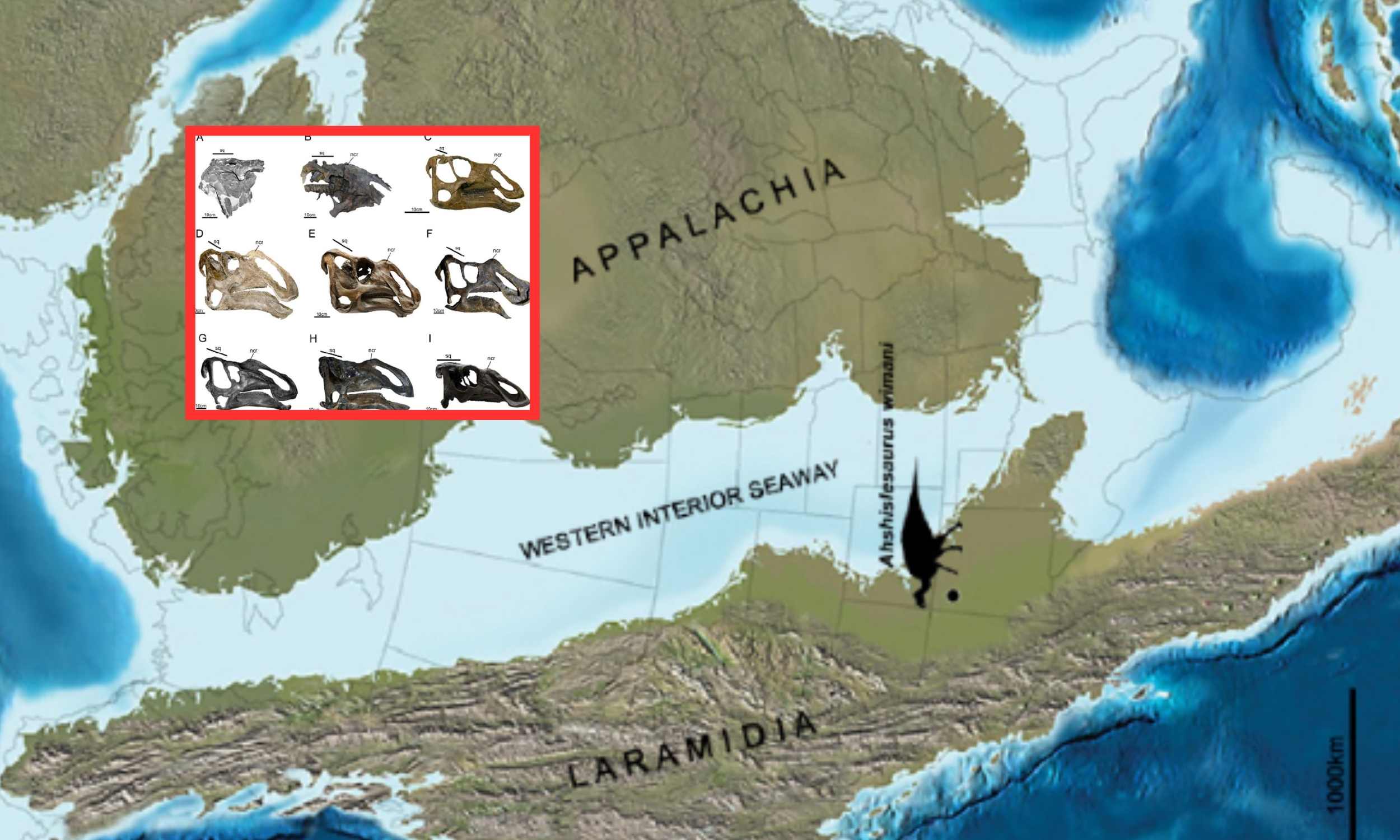
Massive Duck-Faced Dinosaur Discovered in New Mexico

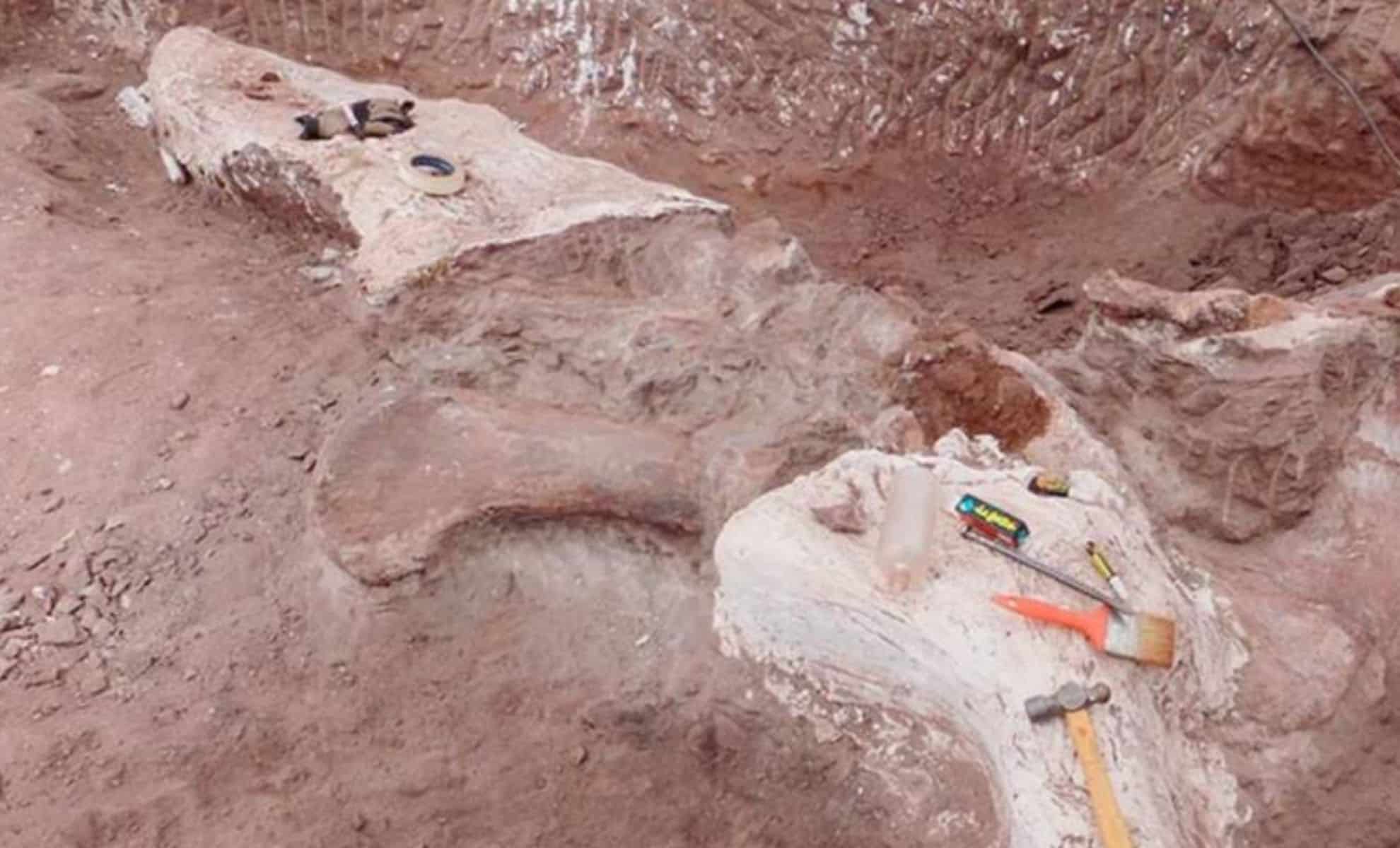
A new species of duck-billed dinosaur, Ahshislesaurus wimani, was discovered in New Mexico, dating back about 75 million years. The fossil, initially misclassified, was re-examined and identified as a distinct species, adding to the diversity of Late Cretaceous dinosaurs in North America and highlighting the region's rich paleontological history.
science6 months ago

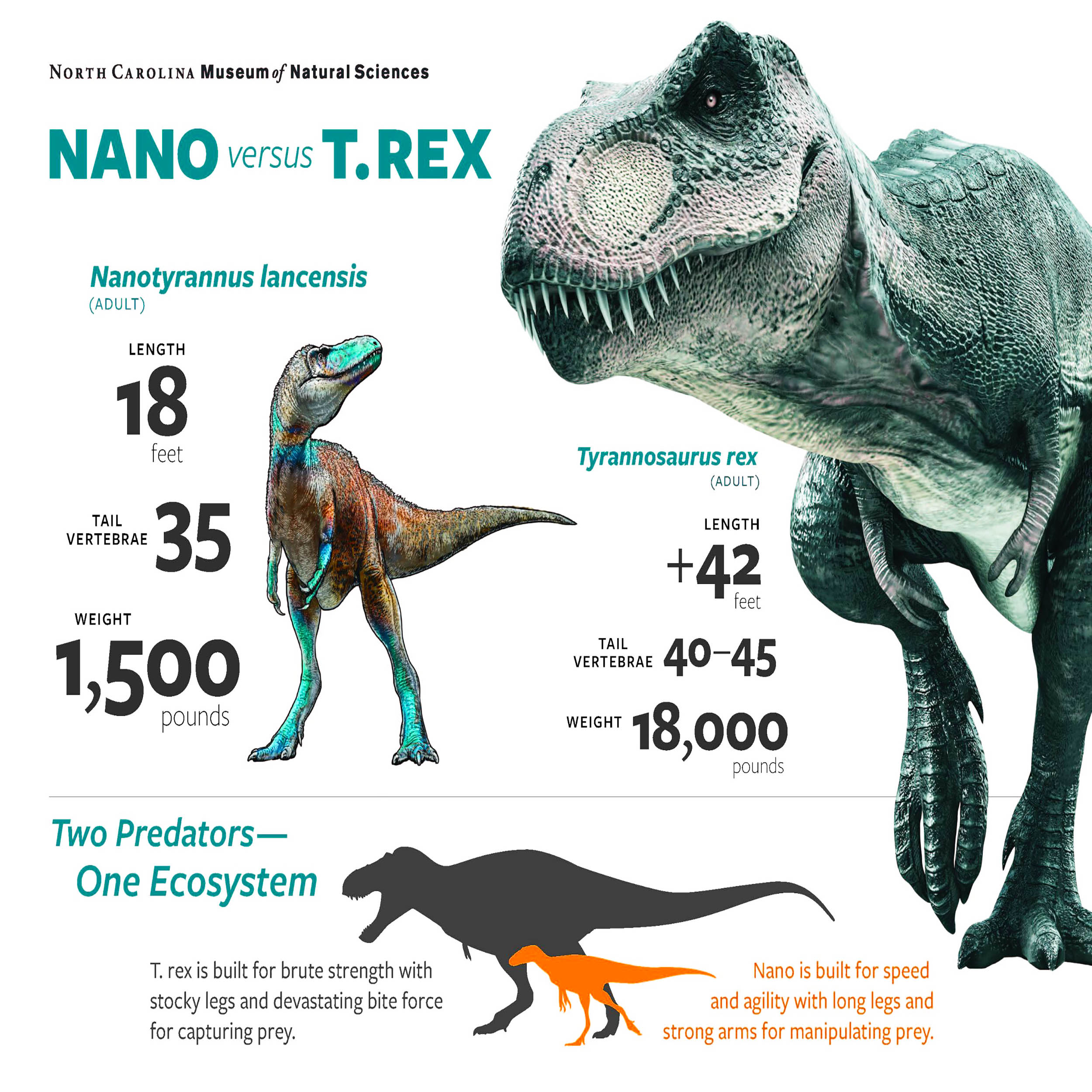
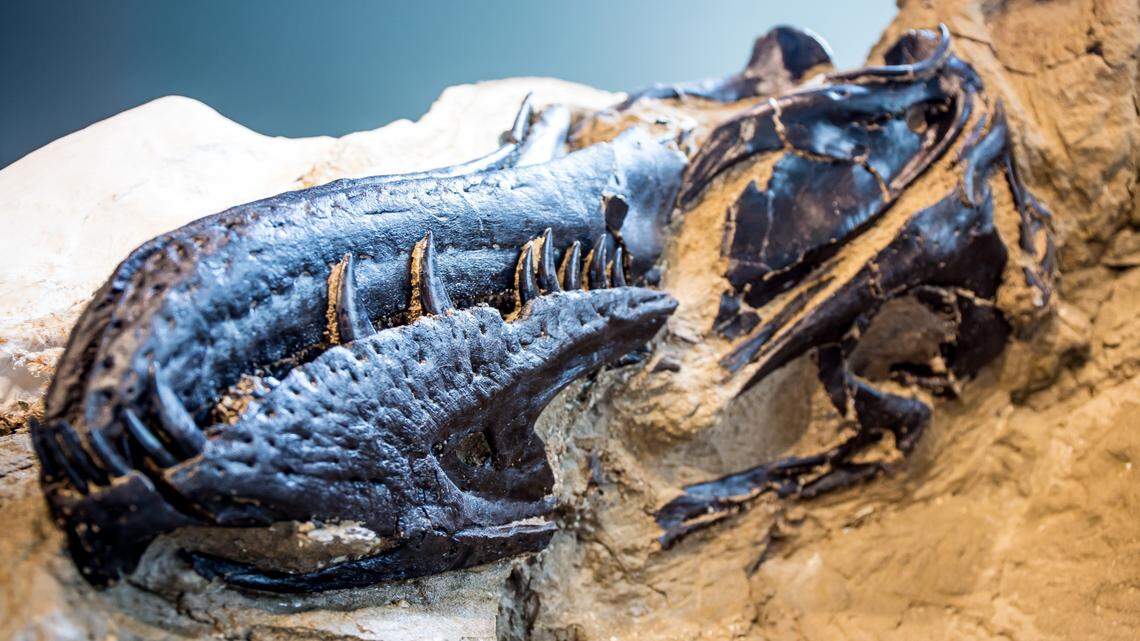
Ancient T-Rex Relative Discovered in Museum Drawer, Rewriting Dinosaur Family Tree

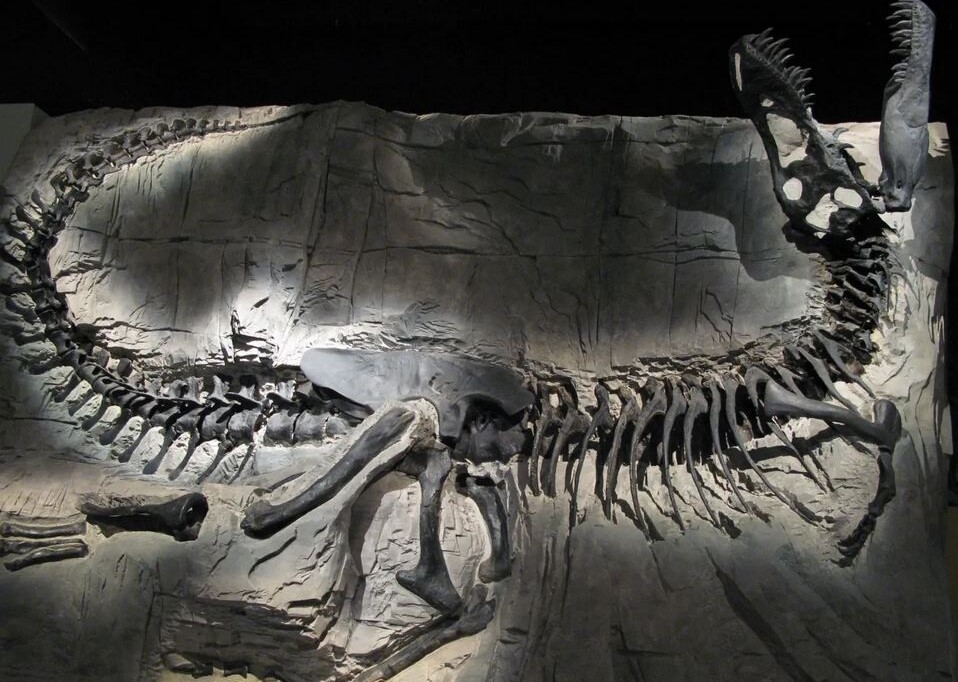
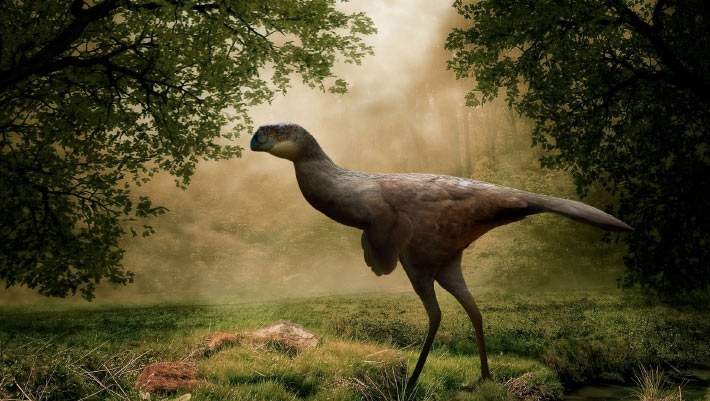
A fossil previously misidentified as Alectrosaurus was reclassified as a new species, Khankhuuluu mongoliensis, revealing insights into Tyrannosaurid evolution and migration between Asia and North America. Additionally, a fossil once labeled Nanosaurus was reclassified as Enigmacursor, highlighting how museum collections can still yield significant discoveries after decades of storage. These findings underscore the potential for new paleontological insights from existing museum specimens.

science1 year ago

World's Most Expensive Stegosaurus Fossil Debuts at NYC Museum

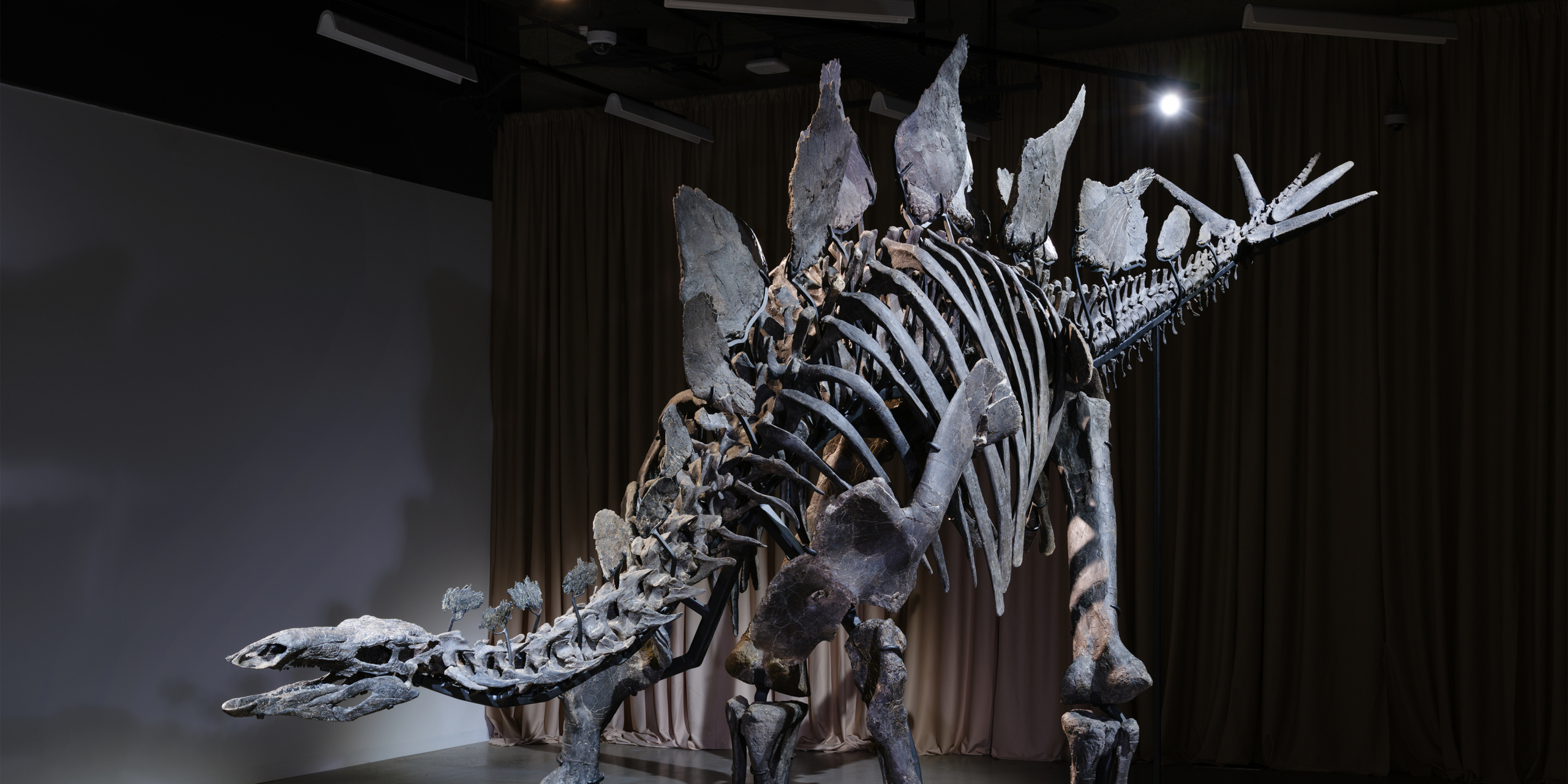
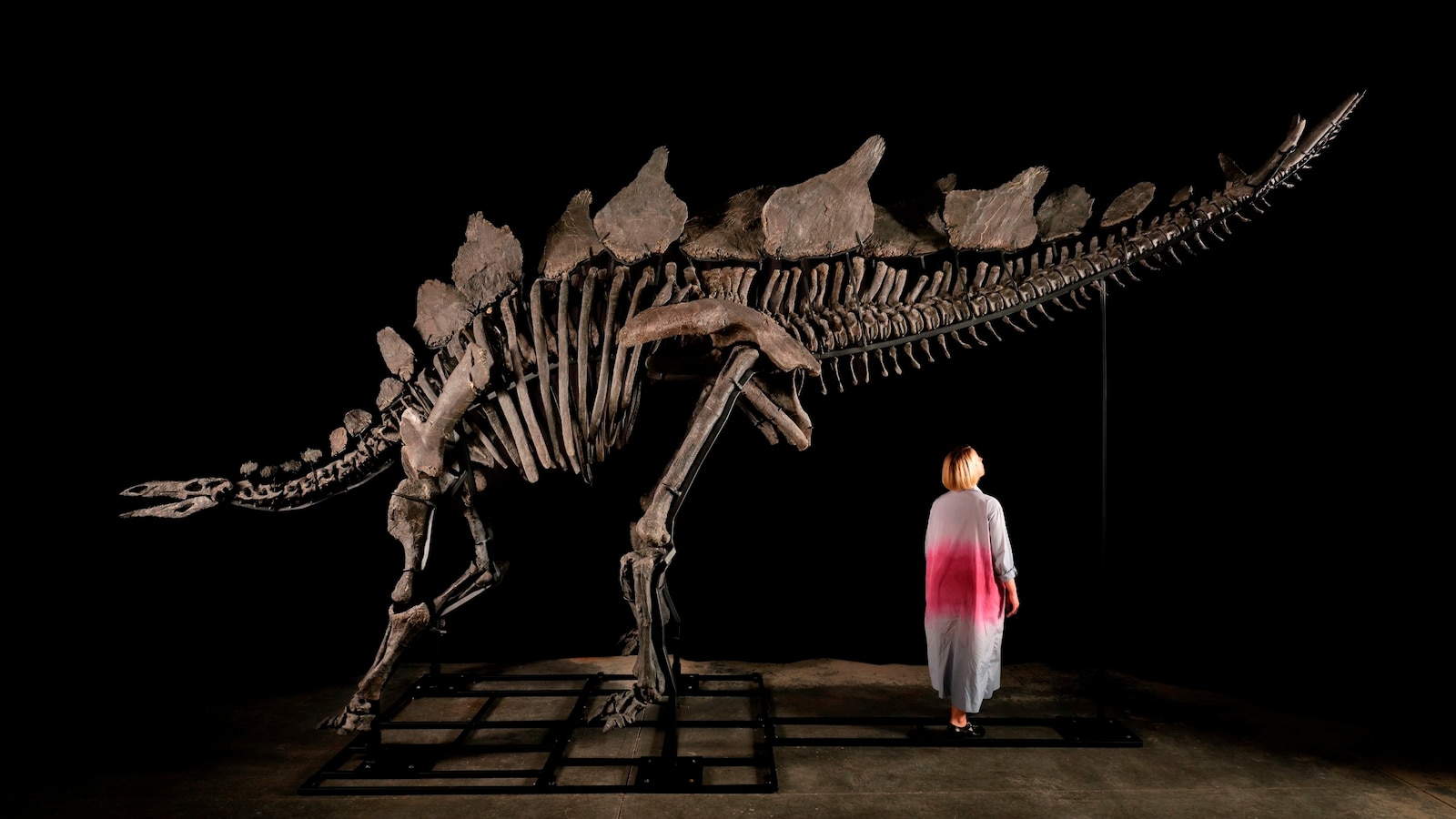
The American Museum of Natural History is showcasing a new Stegosaurus named "Apex," believed to be the largest ever found, starting December 8. This 11.5-foot-tall, 27-foot-long dinosaur is 80% complete and is on a four-year loan from financier Kenneth C. Griffin, who purchased it for $45 million. Discovered in 2022 in Colorado, Apex will provide valuable scientific data and is displayed in a defensive pose. It will eventually join the museum's fourth-floor collection next fall.

science1 year ago

New Dinosaur Species Unearthed in China

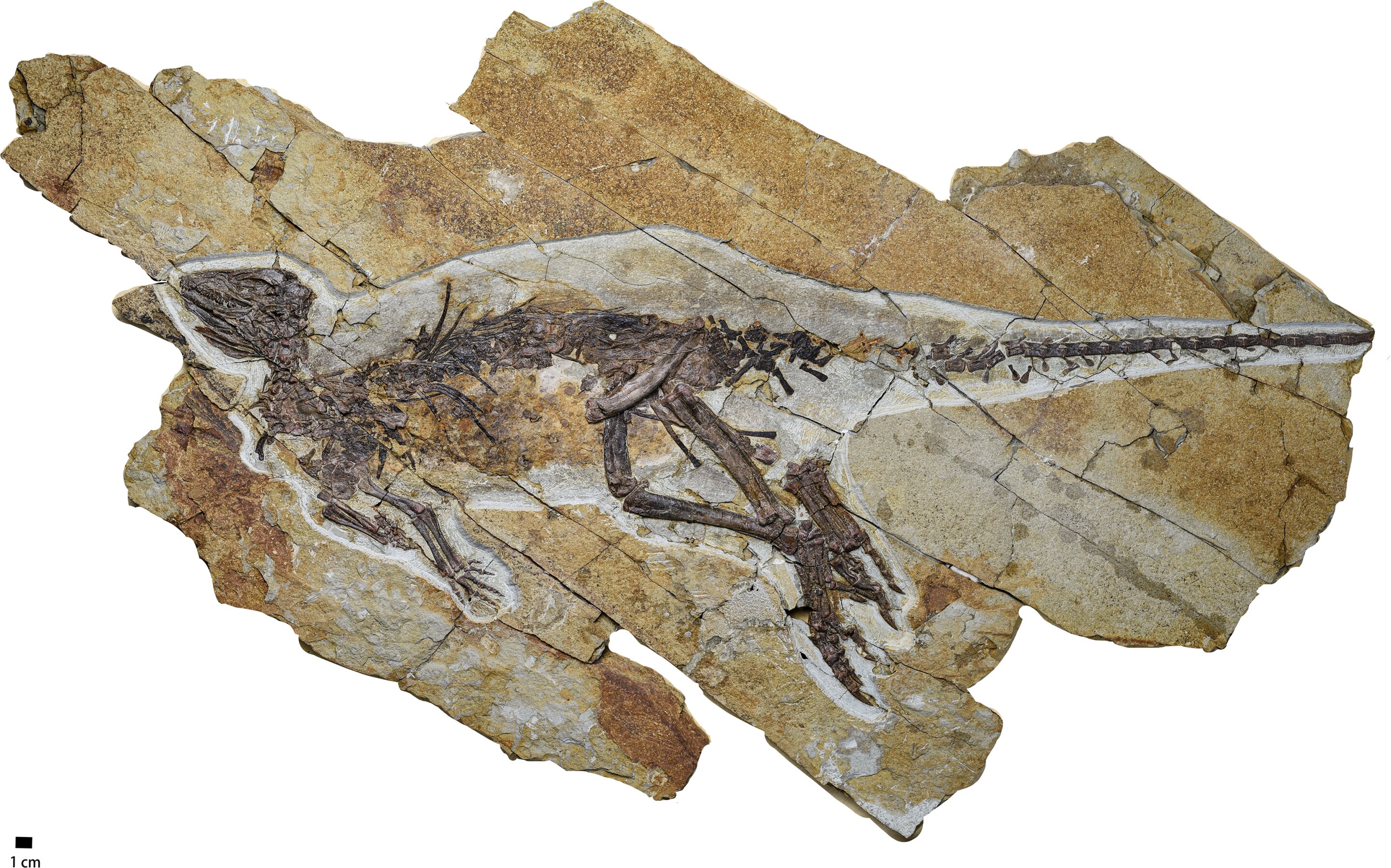
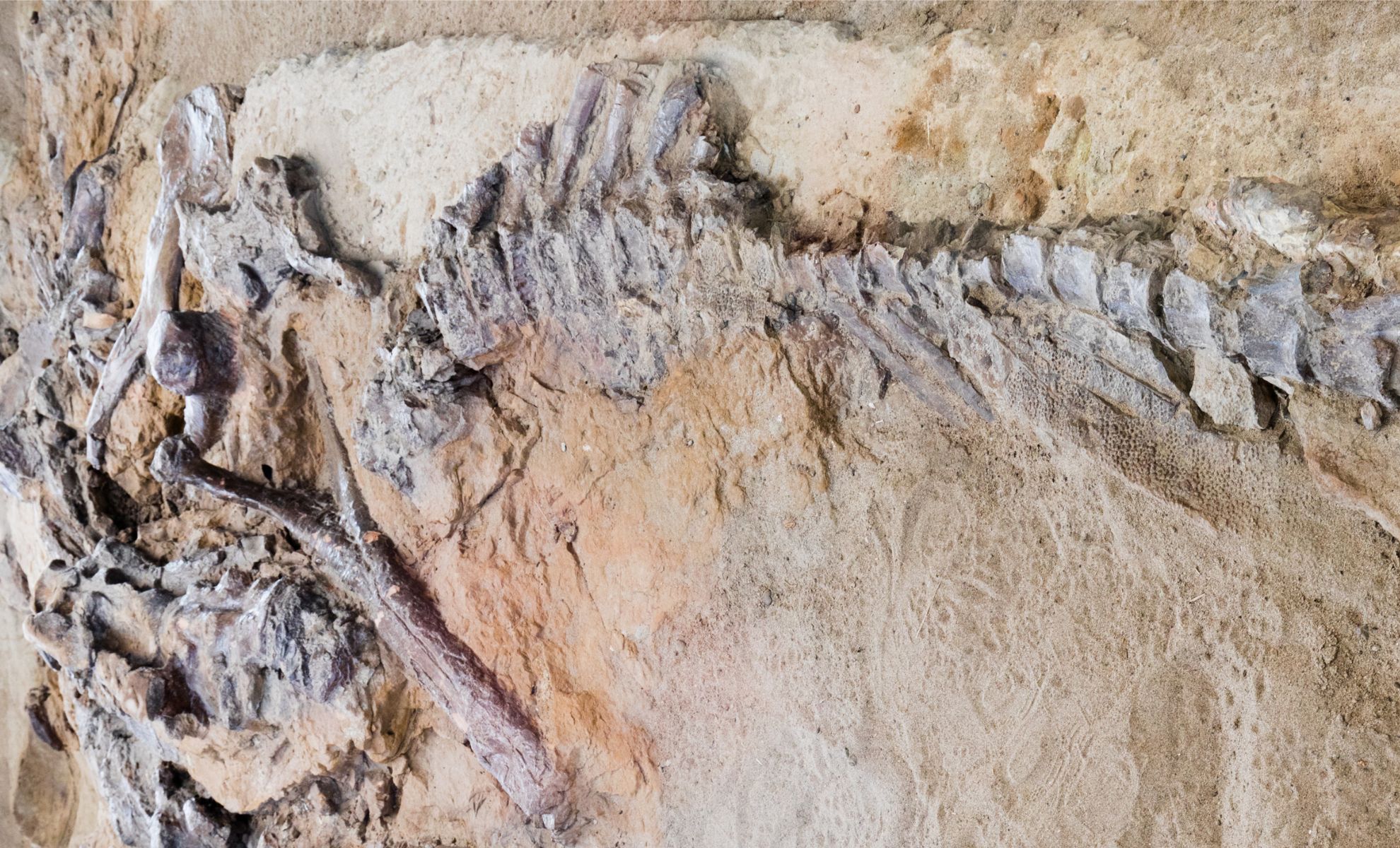
A new species of oviraptorosaur, named Yuanyanglong bainian, has been discovered in Inner Mongolia, China, dating back to the Early Cretaceous period, around 110 million years ago. This species, identified from two specimens, exhibits unique morphological features distinguishing it from other known oviraptorosaurs. The discovery provides new insights into the diversity and ecology of early-diverging oviraptorosaurs, suggesting potential wading behavior and a gastric mill function similar to Caudipteryx. The findings were published in Cretaceous Research.

sciencetechnology1 year ago

World's Largest Stegosaurus Fossil, Apex, to Fetch Millions at Sotheby's Auction

The largest and most complete stegosaurus fossil ever found, named "Apex," will be auctioned by Sotheby's in New York on July 17, with an estimated value of up to $6 million. Discovered near Colorado's Morrison Formation, the 11-foot-tall, 20-foot-long specimen includes 247 fossil bones and is believed to be between 146 million and 161 million years old. The auction has sparked debate over the sale of fossils to private collectors, potentially limiting scientific study and public access.

paleontology2 years ago

"New Mexico Discovery: Unearthing T. Rex's Bigger, Older Cousin"

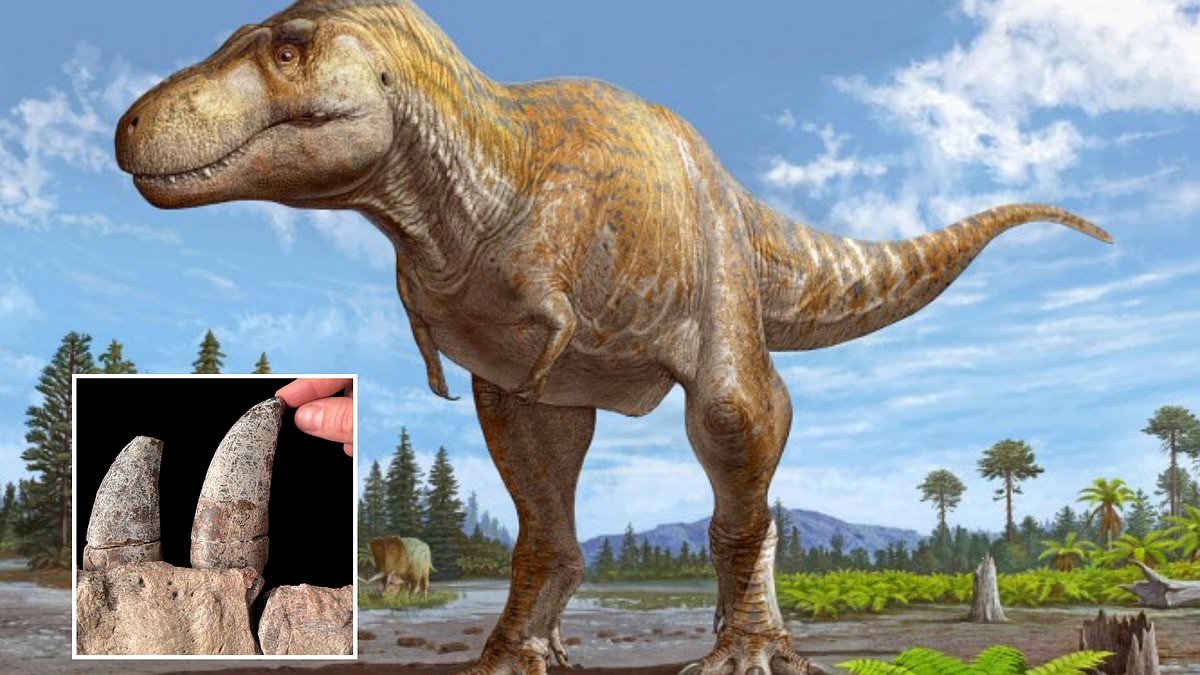
Paleontologists have discovered a newly identified subspecies of tyrannosaur, Tyrannosaurus mcraeensis, in New Mexico, which is believed to be the closest known relative of the T.Rex. This finding reshapes scientists' understanding of how T. Rex might have first arrived in North America, suggesting that tyrannosaurs lived in the southern United States at least 72 million years ago. The newly discovered dinosaur, roughly the size of a T. rex, predates it by about five to seven million years, indicating the presence of larger, more advanced species in the southern United States. The findings, based on a partial skull collected years ago, have been published in the Scientific Reports journal.

paleontology2 years ago

Unearthing Ancient Secrets: Utahraptor and Oldest Mosasaur Fossil Discovered

A groundbreaking study led by Utah's state paleontologist, Jim Kirkland, has established the absolute age of the Utahraptor to be 135 million years old, 10 million years older than previously believed. This discovery not only expands our knowledge of Utah's state dinosaur but also fills a significant gap in the fossil record, shedding light on the transition from the Jurassic to the Cretaceous period. The study, which utilized uranium-lead geochronology and radiocarbon dating techniques, also revealed the first North American record of the Weissert Event, a global catastrophe that occurred approximately 133 million years ago. This finding further solidifies Utah's status as a prominent hub for paleontology and geology.