Tag

Genetic Variant

All articles tagged with #genetic variant

science5 months ago

Neanderthal Gene Variant Lowers Muscle Enzyme Activity

A study found that a genetic variant inherited from Neanderthals reduces the activity of a key muscle enzyme, AMPD1, by up to 80% in mice and 25% in lab proteins. This variant, present in 2-8% of Europeans, impairs muscle performance but is generally tolerated, and carriers are less likely to reach elite athletic levels. The research highlights the impact of ancient DNA on modern human physiology and performance.


science6 months ago

Neanderthal gene variant decreases muscle enzyme activity in humans

A Neanderthal gene variant affecting the AMPD1 enzyme, which is crucial for muscle energy, was inherited by modern humans and reduces enzyme activity. While generally tolerated, this variant can impair athletic performance, with carriers being less likely to reach top athletic levels. The study highlights the importance of understanding ancient genetic influences on modern physiology and performance.

health7 months ago

New discovery reveals cause of high blood pressure

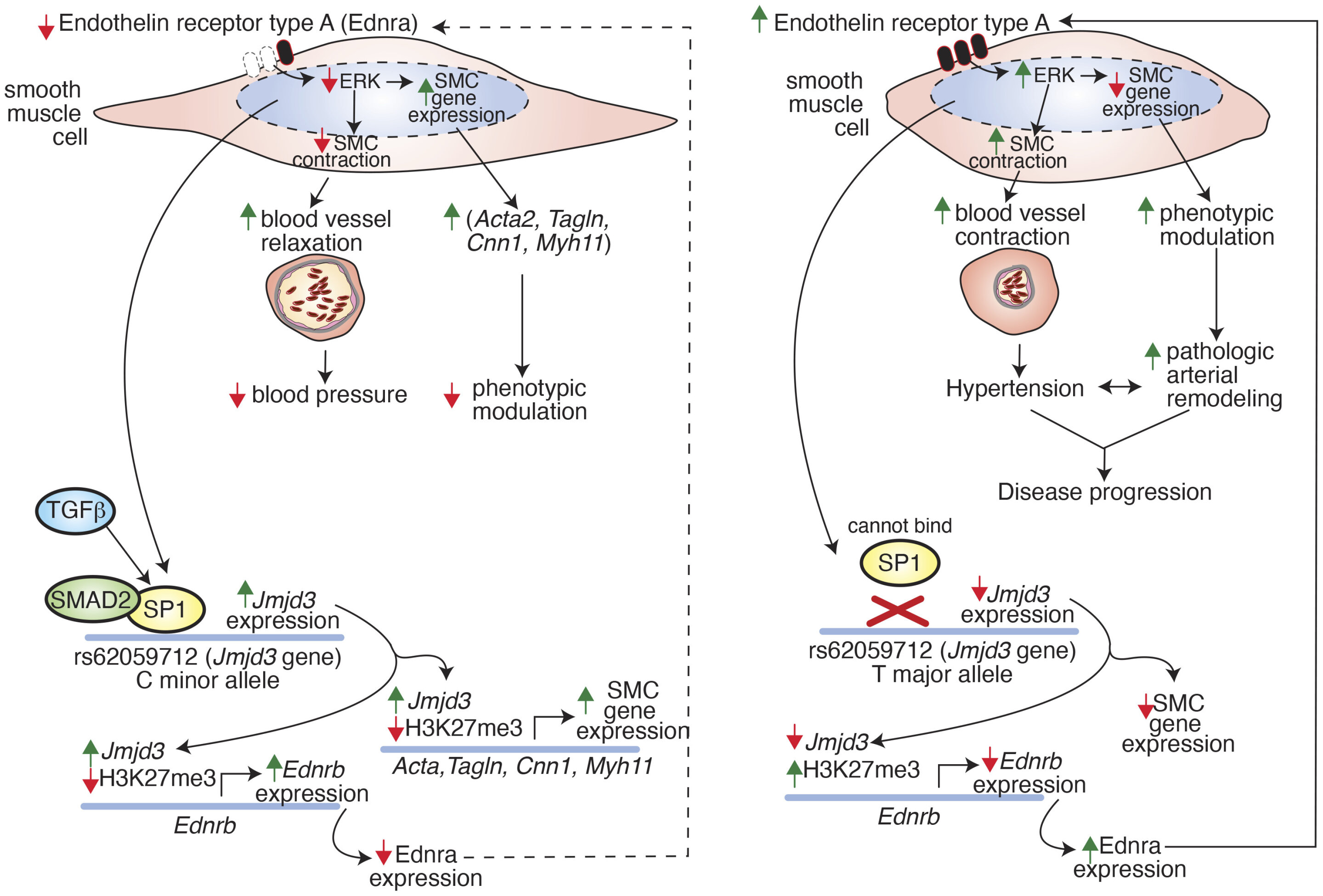
Researchers at Michigan Medicine discovered that the enzyme JMJD3 regulates blood pressure by controlling endothelin receptor expression in smooth muscle cells, with a common genetic variant decreasing JMJD3 levels and increasing hypertension risk. Blocking endothelin receptor A showed potential as a targeted therapy for genetically predisposed individuals, advancing understanding of gene-disease interactions in cardiovascular health.

health1 year ago

"Uncovering the Genetic Roots of Parkinson's Disease: Key Genes and Pathogenic Mechanisms"

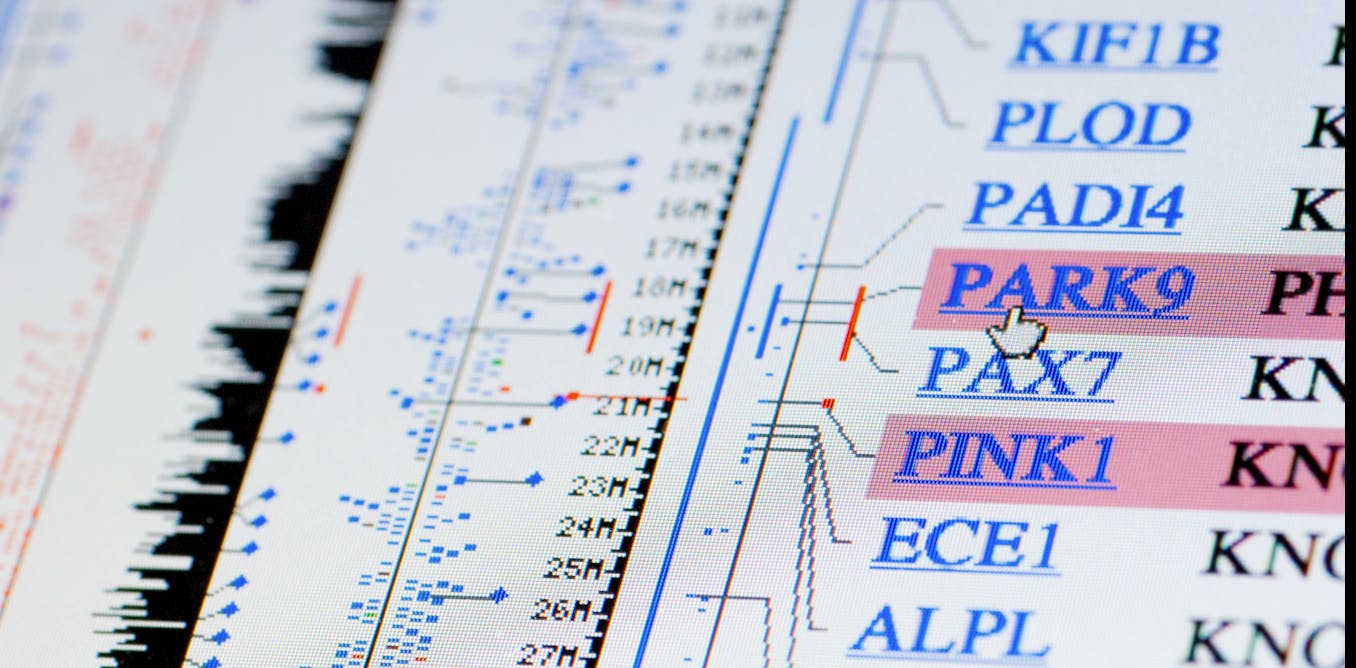
A newly discovered genetic variant, RAB32 Ser71Arg, has been linked to Parkinson’s disease, shedding light on the evolutionary origin of familial parkinsonism and providing insight into the molecular causes of the condition. This discovery may pave the way for better understanding and treatment of the disease, as well as the development of medications to slow or halt its progression. The variant interacts with proteins related to early- and late-onset parkinsonism, as well as nonfamilial Parkinson’s disease, and affects dopamine levels and specialized autophagy processes. Identifying such genetic differences is crucial for understanding the disease and developing targeted treatments.

health1 year ago

"Protective Gene Variant Reduces Alzheimer's Risk, Paving the Way for New Treatments"

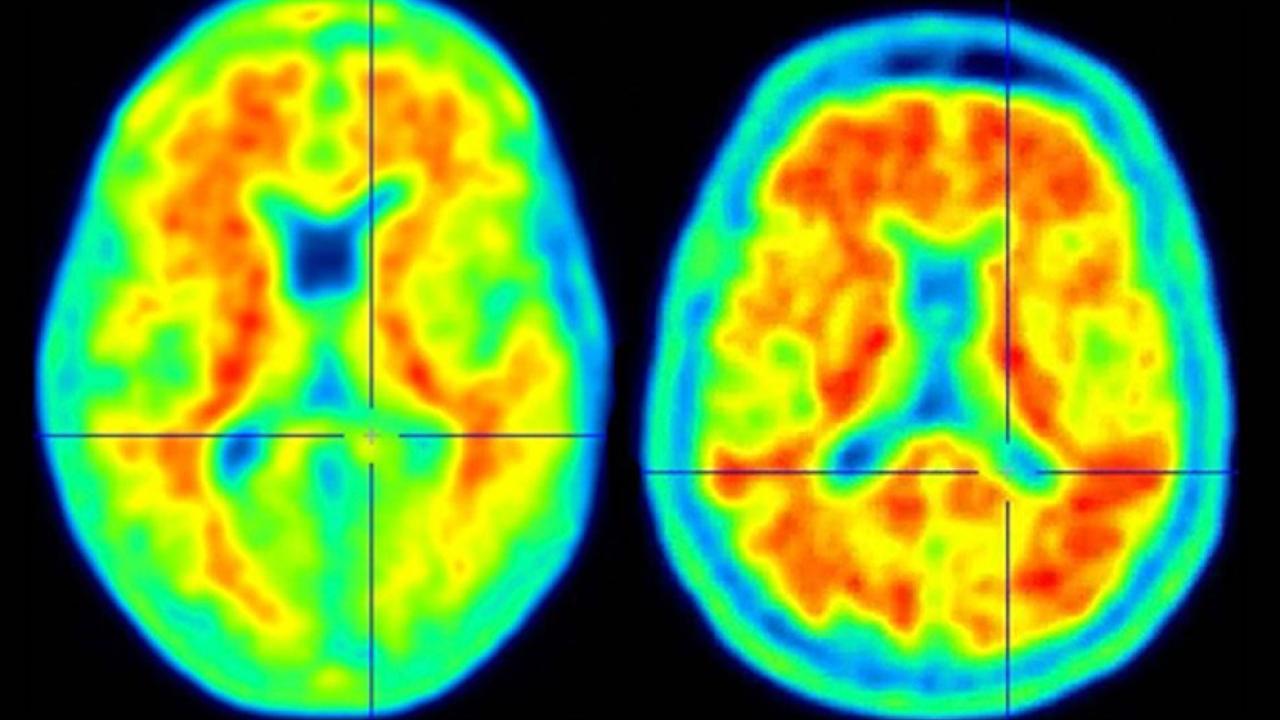
Researchers have identified a genetic variant in the fibronectin gene that reduces the risk of Alzheimer's disease by up to 70% and delays disease onset, potentially benefiting hundreds of thousands in the U.S. This variant aids in preventing amyloid accumulation in the brain, highlighting the crucial role of the brain's vasculature in the disease. The discovery opens up promising avenues for drug development targeting fibronectin to prevent or treat Alzheimer's, with potential therapeutic implications for a broader population regardless of their APOE status.

health-research1 year ago

"Discovery of Protective Gene Variant Offers Potential Breakthrough in Alzheimer's Treatment"

Researchers at Columbia University have identified a genetic variant that reduces the risk of developing Alzheimer's disease by up to 70% and delays its onset by about four years. The variant occurs in a gene that regulates fibronectin, a component of the blood-brain barrier, and appears to facilitate the clearance of toxic amyloid from the brain. This discovery suggests a new direction for therapeutic development, targeting the blood-brain barrier to prevent or treat Alzheimer's disease. The protective gene was found in individuals resilient to Alzheimer's and may have wide therapeutic potential beyond APOEe4 carriers, offering hope for future treatments.

health1 year ago

"Sweat Protein: A Potential Cure for Lyme Disease"

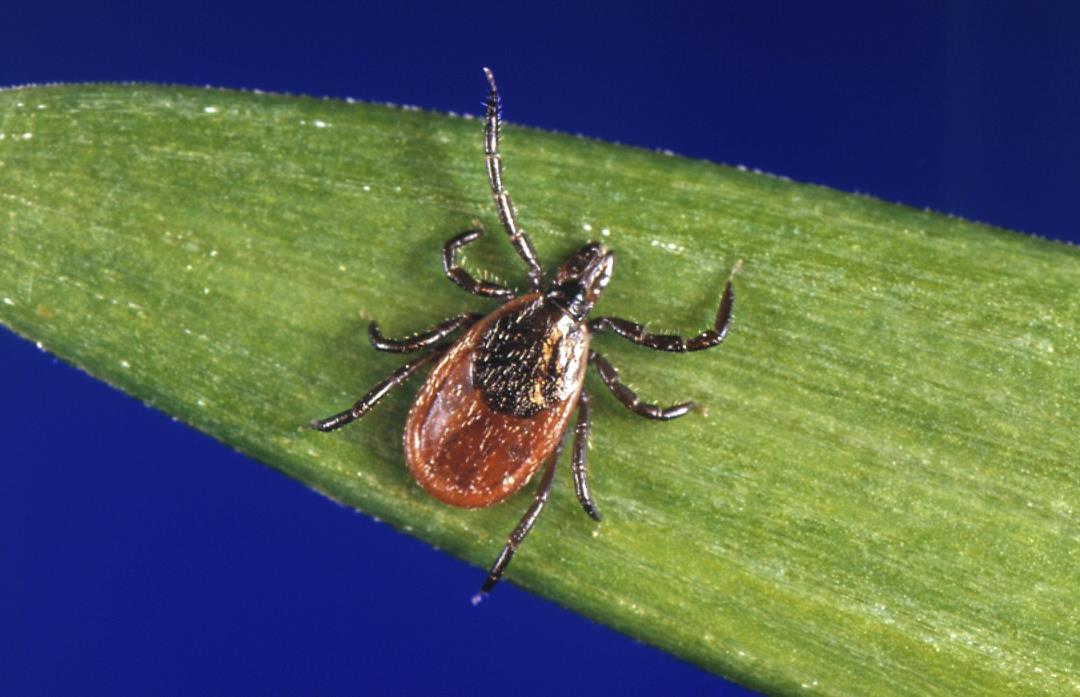
A new study published in Nature Communications has identified a genetic variant of a protein found in human sweat, secretoglobin SCGB1D2, that appears to make people more susceptible to Lyme disease. This discovery could potentially lead to the development of a topical cream for preventing Lyme disease in the future. The research found that the mutated version of the protein is linked to a significantly greater risk of developing Lyme disease, and understanding its role could provide insights into treatment resistance and long-term health issues in patients.

health-research2 years ago

"Immune Attack on Blood-Brain Barrier Linked to Alzheimer's"

A new study has identified a genetic variant, P460L, which disrupts the function of the EphA1 gene and is linked to an increased risk of late-onset Alzheimer's. This variant affects the immune system's response and compromises the blood-brain barrier, potentially leading to the targeting of healthy brain cells by T cells. The findings provide insight into how Alzheimer's may damage brain cells and suggest potential therapeutic targets for treating the disease in the future.

health2 years ago

Unlocking the Genetic Key to Obesity Resistance

A study by Weill Cornell Medicine has identified a genetic variant in the GIP receptor that may enhance metabolism and insulin release, potentially aiding in obesity resistance. Mice with this variant processed sugar more efficiently and remained leaner. The findings highlight the importance of understanding genetic differences in response to weight loss medications and may lead to new strategies for treating obesity.

health2 years ago

"Genetic Discovery: ALS Onset Delayed by 3 Years with Gene Variant"

A genetic variant that increases the activity of the NEAT1 gene has been found to advance the onset of amyotrophic lateral sclerosis (ALS) by more than three years, according to a study conducted in China. The variant, rs10128627, was associated with an earlier age of onset in a large patient group, with men experiencing onset 2.86 years earlier and women 3.25 years earlier. The NEAT1 gene's exact role in ALS is still unknown, but the findings provide insights into the genetic mechanisms underlying the disease's timing and offer a potential treatment target for delaying onset or slowing progression.

health2 years ago

Genetic Variant Linked to 'Implosive' Cell Death Carried by Millions

Researchers have identified a genetic variant, known as S132P, in the MLKL gene that can be found in up to 3 percent of people. This variant enhances necroptosis, a type of programmed cell death, and could increase the risk of inflammatory diseases such as diabetes when combined with other genetic and environmental factors. The variant is less responsive to stop signals, leading to an excessive inflammatory response. Further research is needed to understand how this genetic variant contributes to inflammatory conditions in humans.

health2 years ago

Unraveling the Genetic Link to Asymptomatic COVID-19

Researchers have identified a genetic variant that makes some individuals twice as likely to never get sick when they contract COVID-19. Those with two copies of the variant are eight times more likely to remain asymptomatic. This finding provides the first potential explanation for the group of individuals known as "superdodgers" who do not experience symptoms when infected with the virus.

health2 years ago

"Breakthrough Discovery: Single Gene Variant Determines Severity of Multiple Sclerosis"

A study in Denmark found that autologous hematopoietic stem cell transplant (aHSCT) was highly effective in treating highly active relapsing-remitting multiple sclerosis (RRMS), with nearly 80% of participants being relapse-free two years after treatment. Another study identified a genetic variant associated with faster MS progression and greater brain tissue damage. Additionally, a study in Denmark found that a plant-rich diet was linked to a reduction in MS symptoms, while red meat consumption was associated with increased symptom burden.