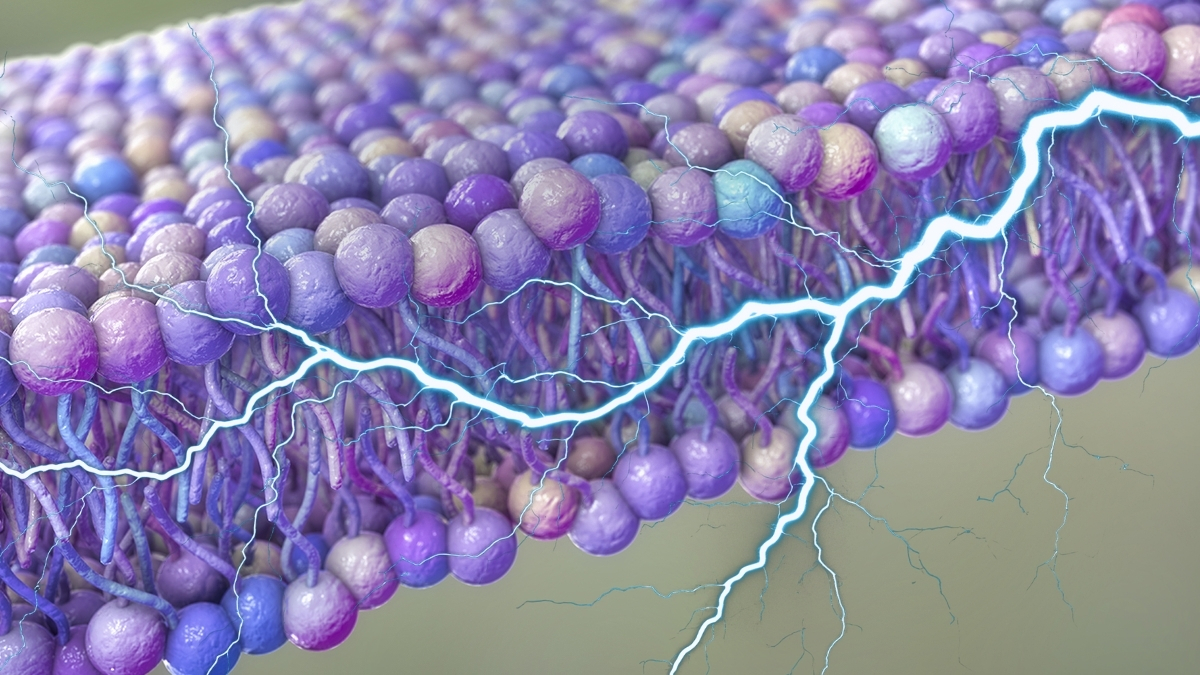
Researchers suggest that tiny ripples in cell membranes could generate enough voltage through flexoelectricity to serve as a hidden power source for biological processes, potentially influencing cell communication and movement, and inspiring bio-inspired technologies.
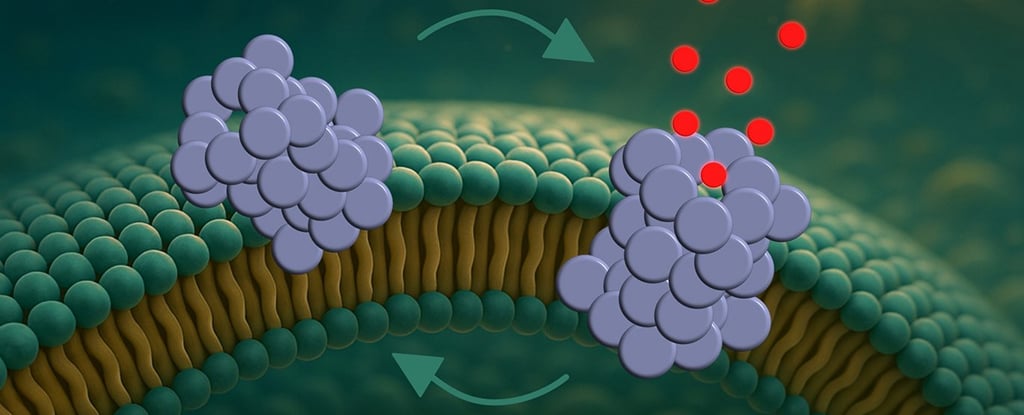
A new study suggests that alpha-synuclein oligomers may damage brain cells by forming dynamic pores in cell membranes, potentially contributing to Parkinson's disease progression, and offers new insights into the disease's mechanisms and potential treatments.
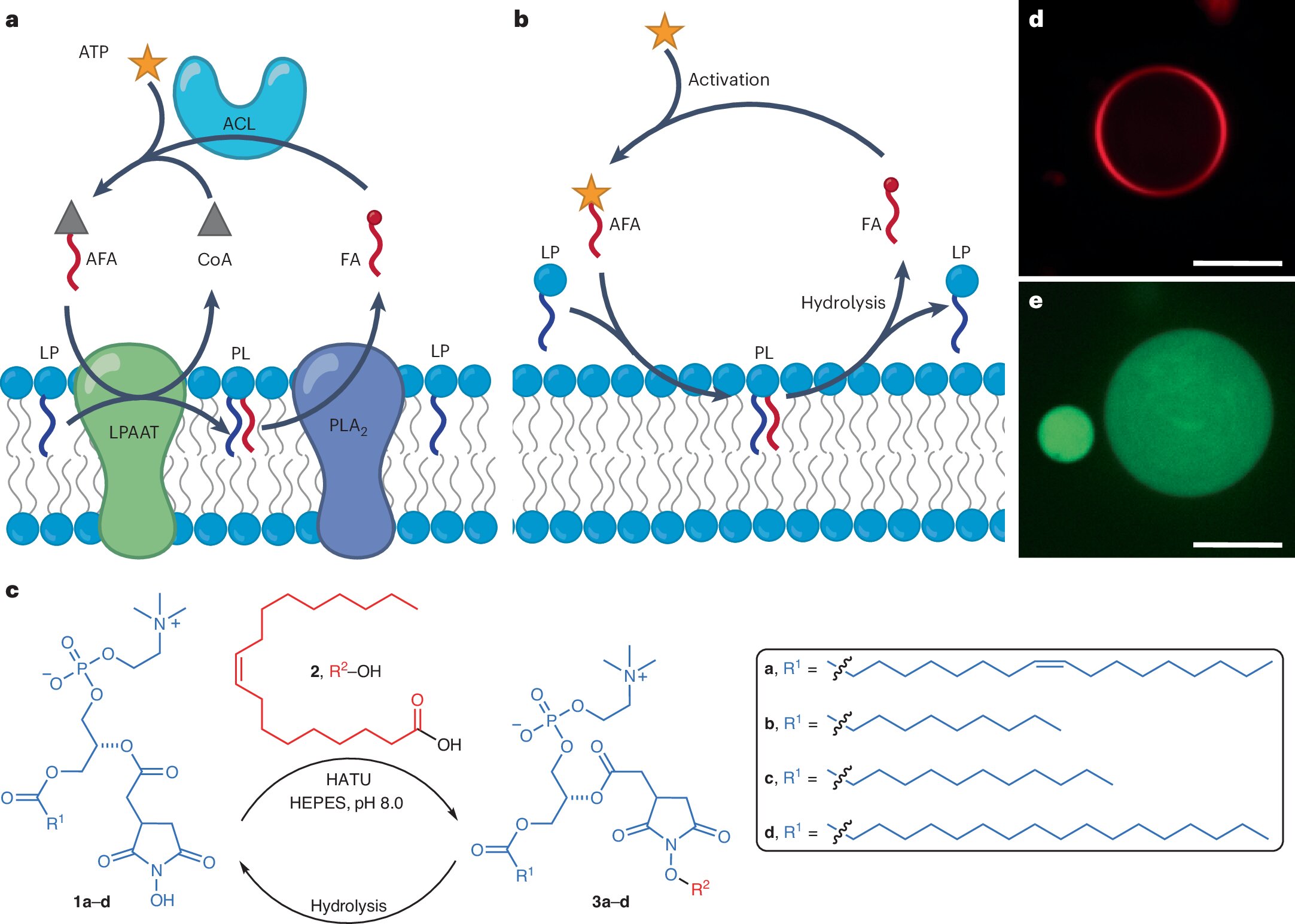
Scientists from UC San Diego have developed an abiotic system that synthesizes cell membranes and incorporates metabolic activity, providing insights into how life may have originated from nonliving matter on prebiotic Earth and advancing the creation of primitive, functional artificial cells.
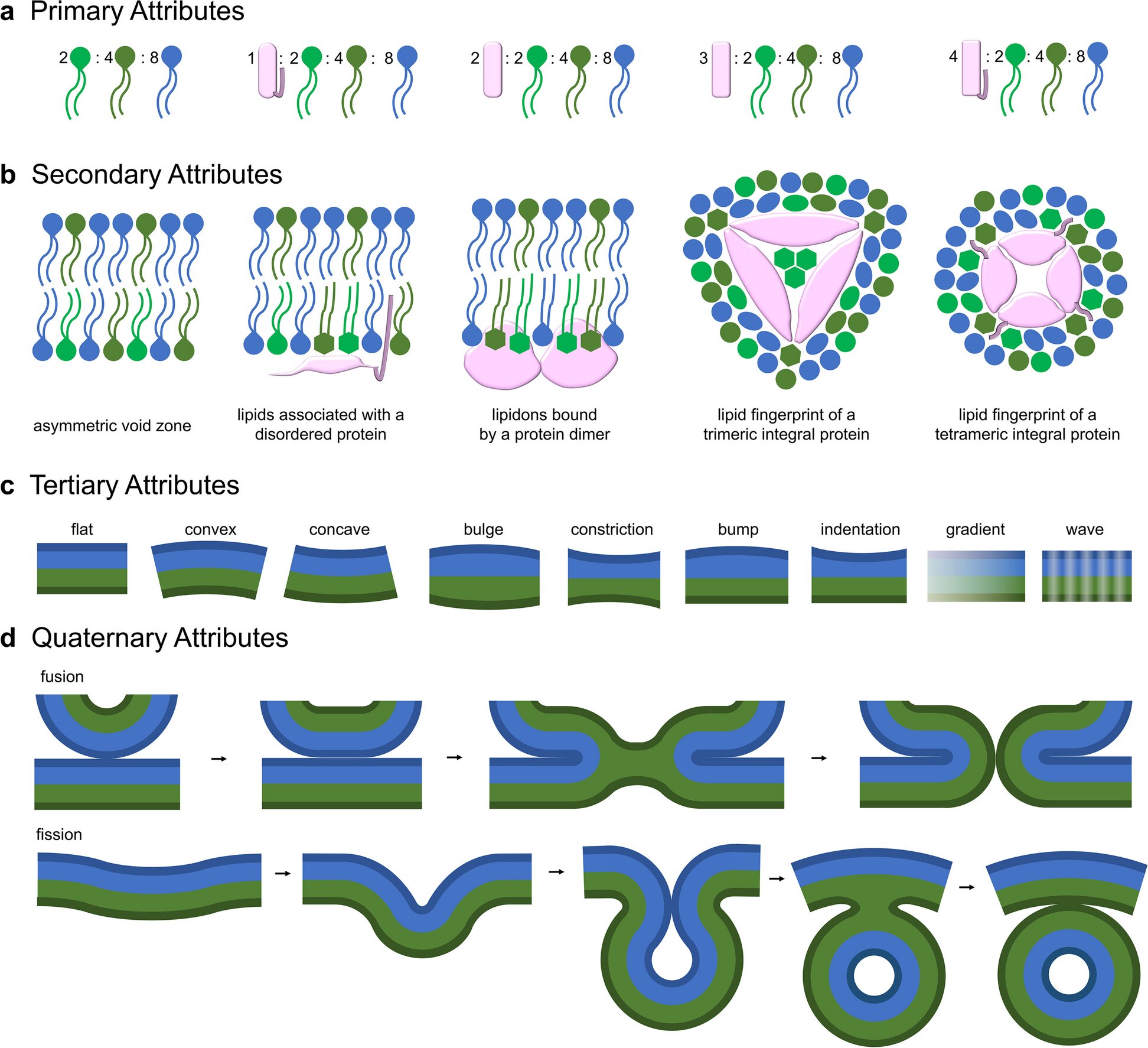
Researchers at the University of Alberta have discovered a universal code that guides the binding of proteins with lipids to form cell membranes, representing a conceptual revolution akin to the discovery of the genetic code. This proteolipid code could aid in understanding fundamental biological processes and help in drug development for diseases caused by proteins interacting incorrectly with membranes. The team's findings suggest four levels of membrane structure and introduce the concept of "lipidons" to describe the rules for how sets of lipids interact with proteins to form different membranes.
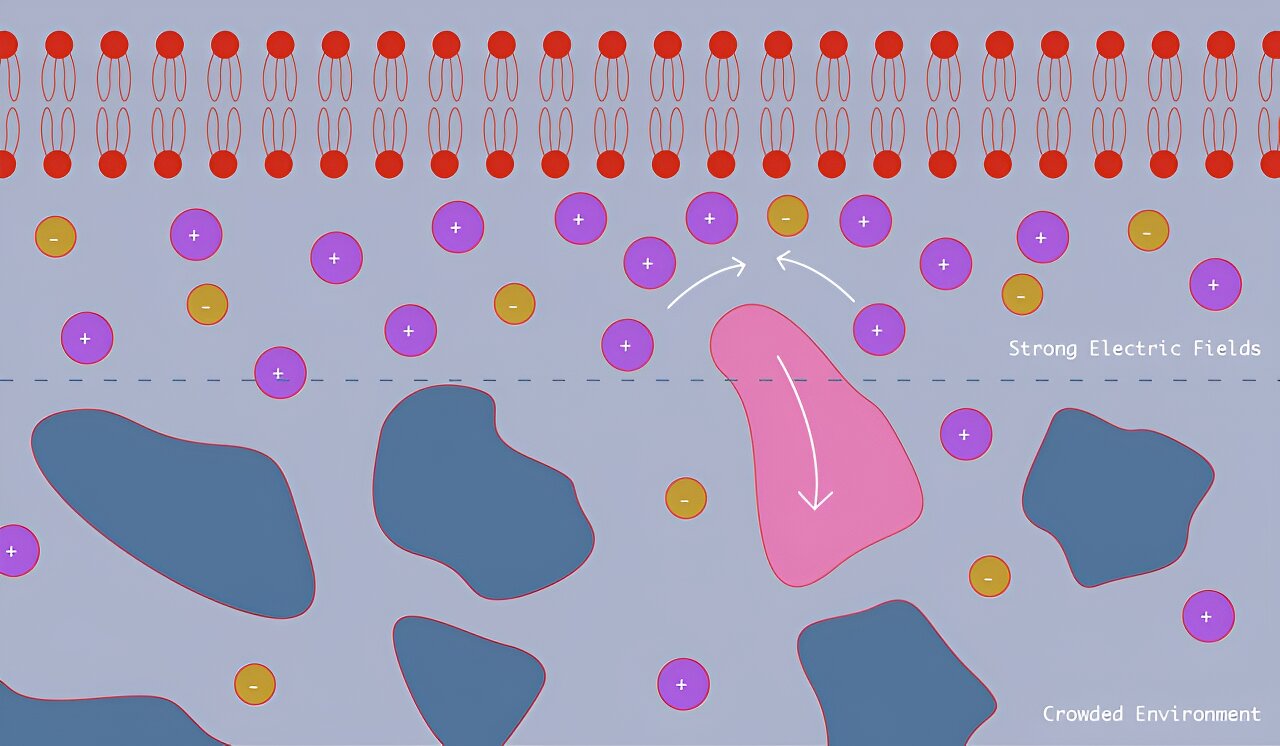
Scientists have confirmed that cell membranes generate powerful electric field gradients that repel nano-sized particles, affecting uncharged nanoparticles and potentially influencing the effectiveness of drug treatments targeting cells. The discovery, published in the Journal of the American Chemical Society, provides the first direct evidence of the electric fields' role in repulsion and has implications for drug design and delivery. Understanding the behavior of molecules near cell membranes is crucial in medical science, as proteins in the membrane are frequent drug targets, and the cell membrane's effect on sorting molecules by size and charge could make a difference in cellular functions.
Researchers at the École Polytechnique Fédérale de Lausanne (EPFL) have discovered that proteins called ATP-Binding Cassette (ABC) transporters, found in cell membranes, exhibit features similar to Maxwell's demon, a hypothetical intelligent being that sorts molecules based on their energy. These ABC transporters, present in almost every living organism, use energy from ATP molecules to control the flow of molecules in and out of cells, regulating the cell's environment. This discovery provides insights into how cells manage molecule import and export, and sheds light on the fundamental aspects of life's building blocks. The research has been published in Communications Physics.