"Uncovering the Role of Altered Protein Folding in Multicellular Evolution"
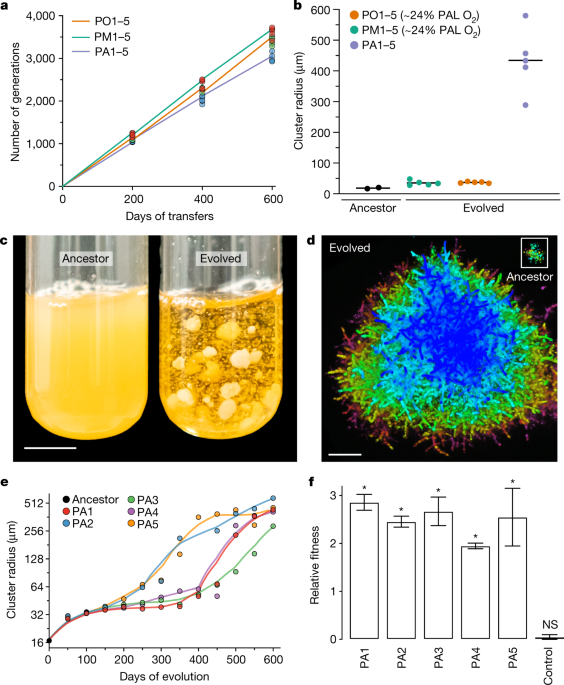
A new study led by researchers from the University of Helsinki and the Georgia Institute of Technology has discovered a mechanism driving the evolution of multicellular life, highlighting the role of altered protein folding. Through experimental evolution with laboratory yeast, the study found that changes in protein folding, particularly the expression of the chaperone protein Hsp90, played a crucial role in the evolution of novel multicellular traits, such as the development of robust bodies in snowflake yeast. This research emphasizes the significance of non-genetic mechanisms in driving rapid evolutionary change and provides insights into the complex nature of evolutionary adaptations.