The article discusses the implications of the EU-Mercosur mega trade deal, highlighting the potential winners and losers among the involved parties, and providing insights into its economic impact.
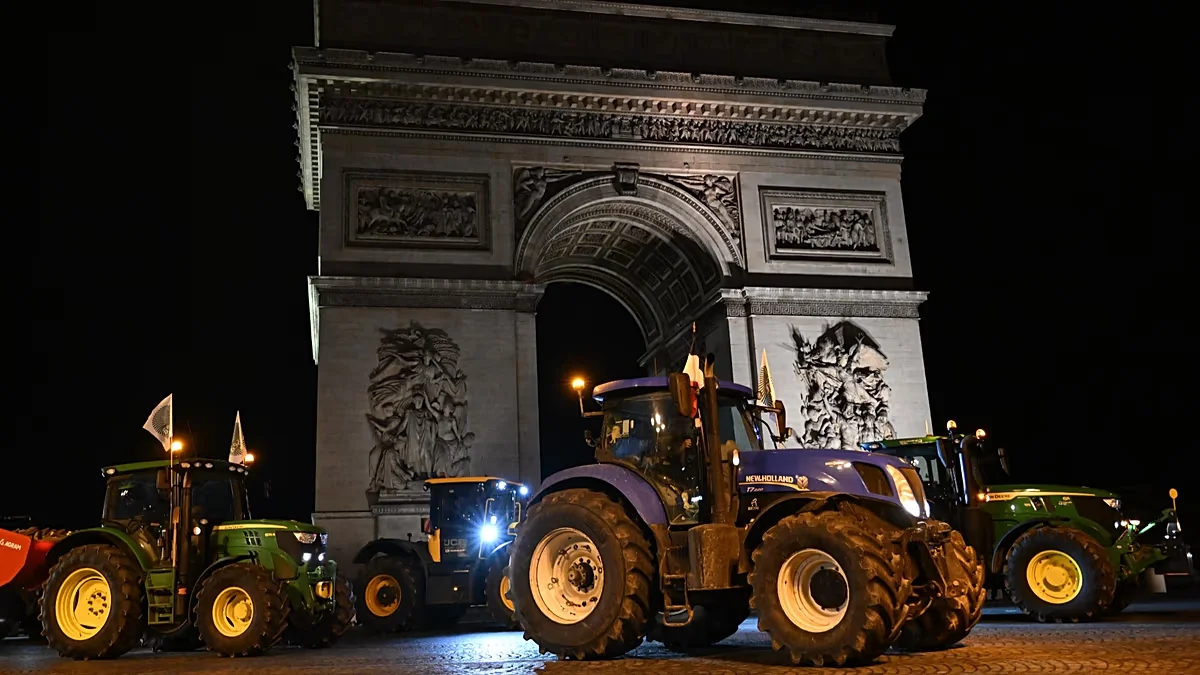
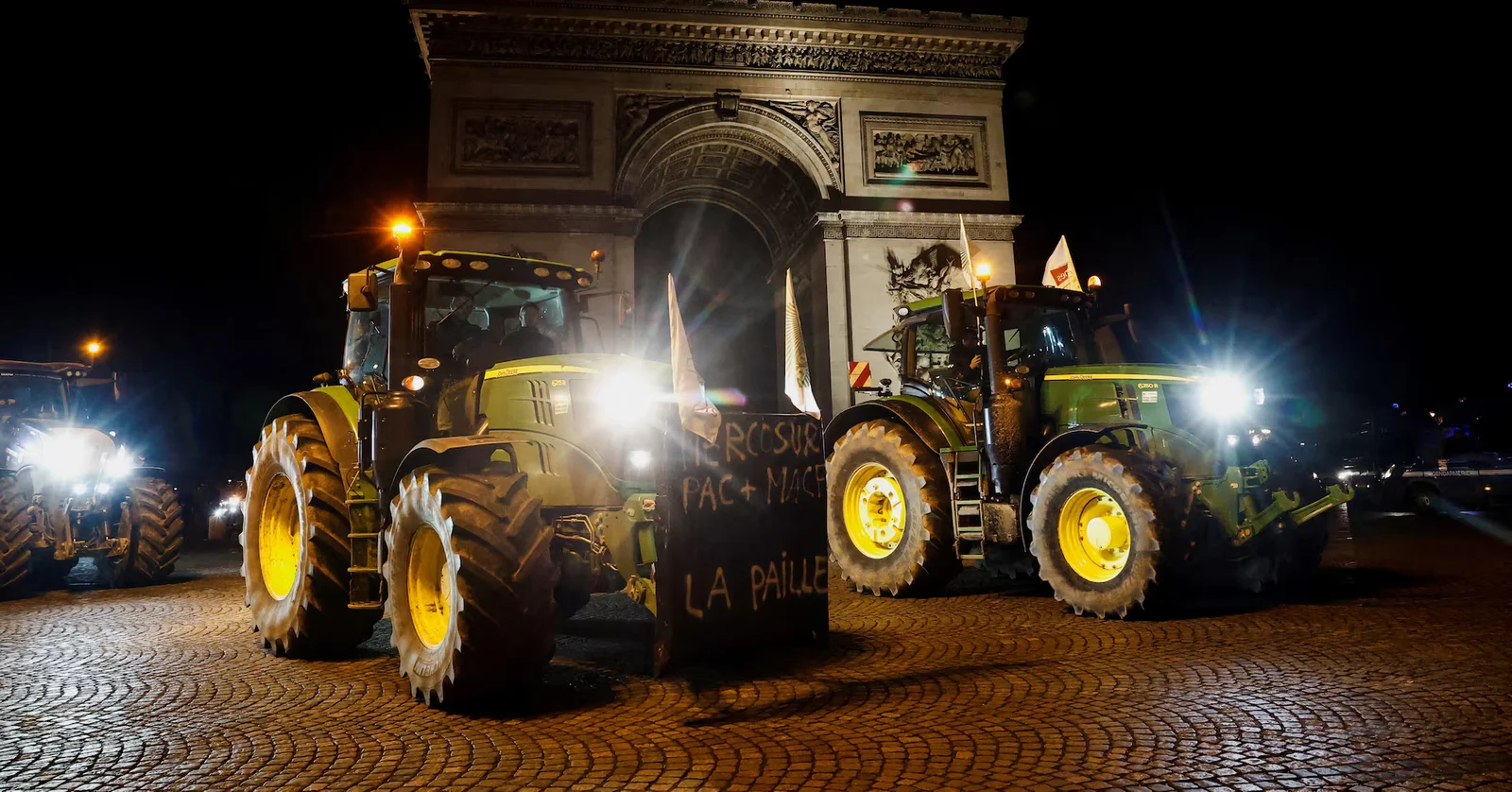
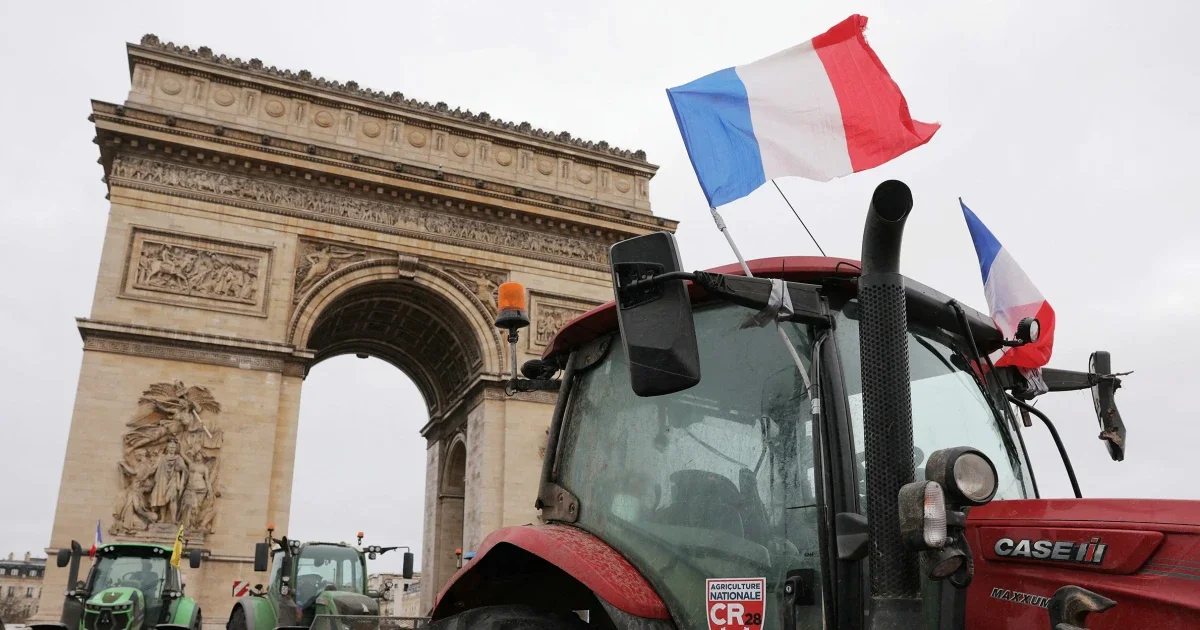
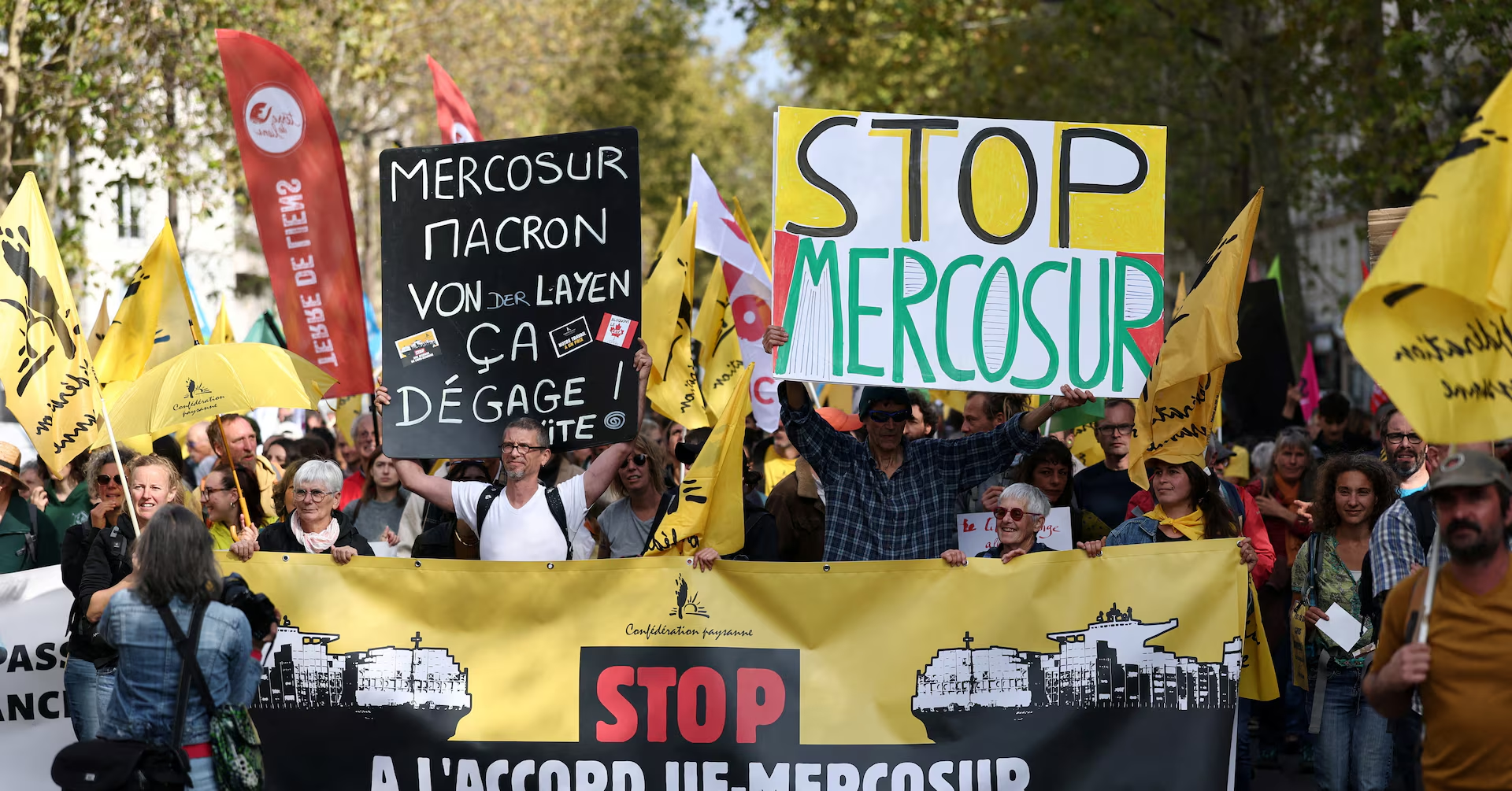
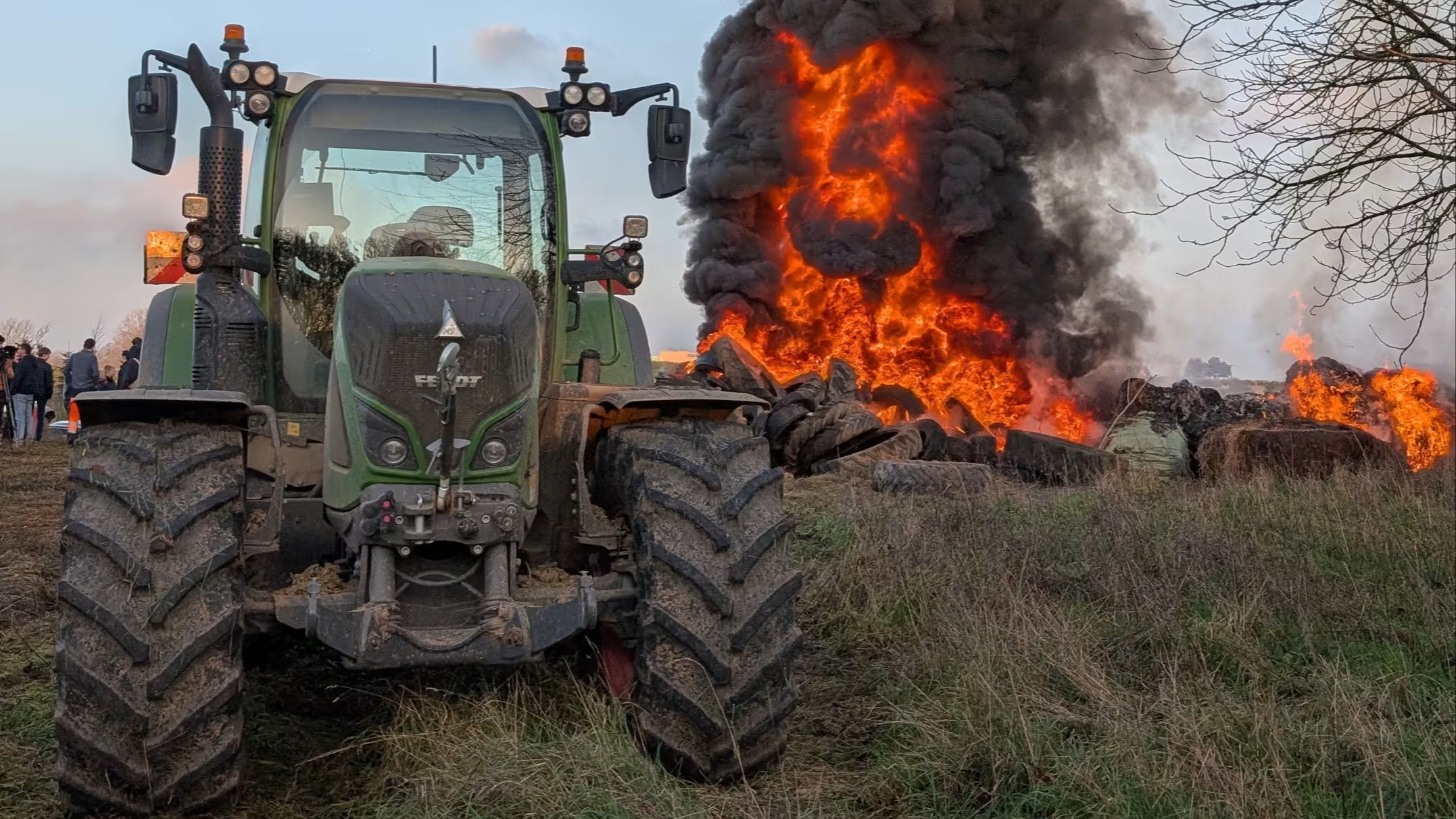
French farmers protested in Paris against the EU's free trade deal with South American nations, driving tractors into the city to express concerns over the deal's impact on their livelihoods and demanding stronger government opposition, amid broader discontent over agricultural policies and sanitary measures.
French President Macron criticized Trump's US for turning away from allies and breaking international rules, amid global tensions involving Greenland, EU trade deals, and Russia. Protests against EU-Mercosur trade deal and prisoner exchanges between France and Russia highlight ongoing geopolitical issues, while EU and US discuss responses to US actions in Greenland and Ukraine. The article also covers protests, diplomatic exchanges, and concerns over US and Russian activities.
The signing of the EU-Mercosur trade deal has been delayed to January due to Italy's request for more time to address agricultural concerns, amid political debates, protests, and opposition from some EU countries. The deal, which aims to boost exports and reduce reliance on China, faces hurdles from farmers and governments worried about cheap imports and agricultural impacts.
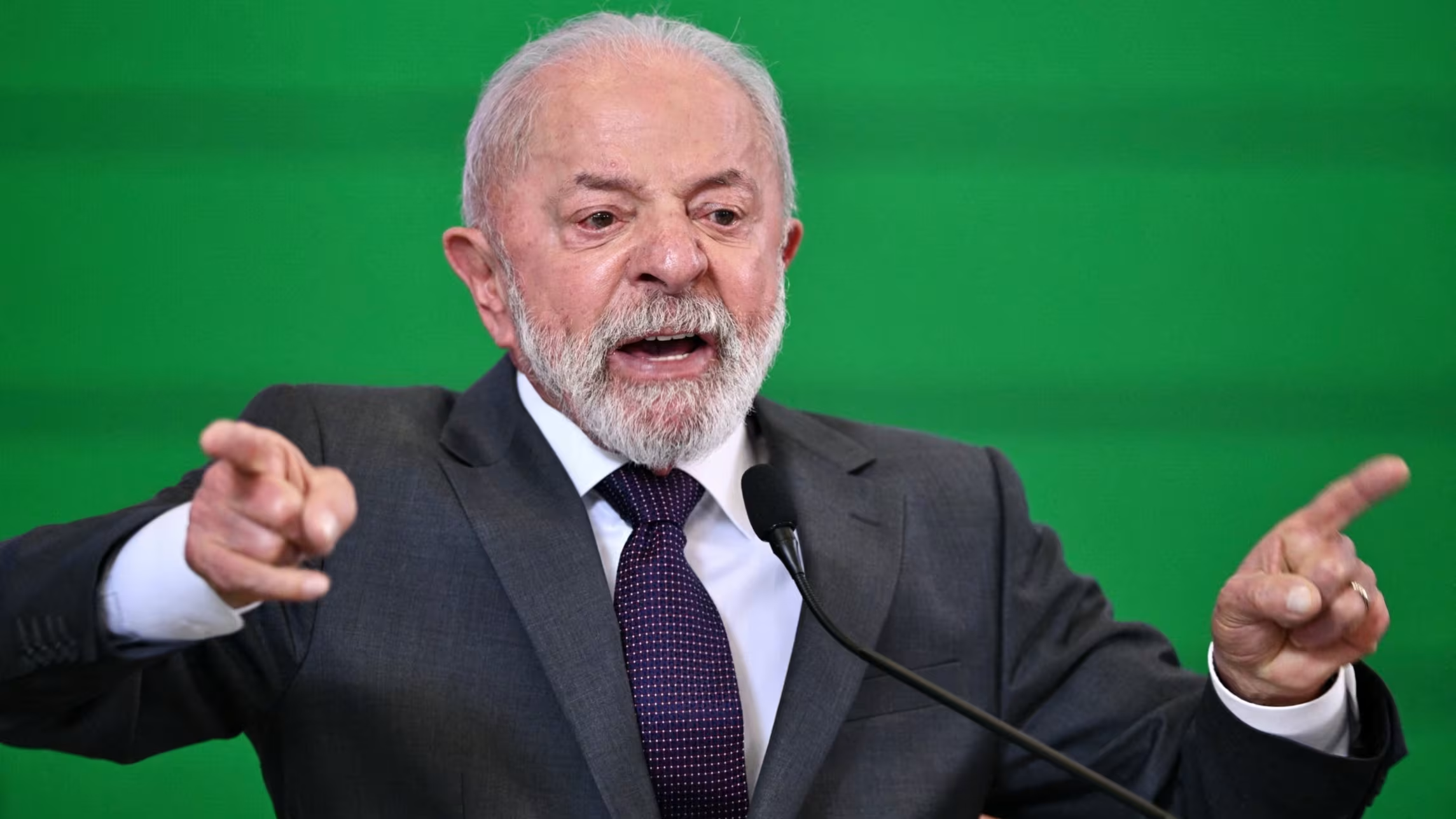
The EU-Mercosur trade deal, finalized after 25 years, faces potential delays or collapse due to opposition from France, Italy, and other EU countries, amid protests and concerns from farmers. German Chancellor Merz advocates for ratification, while French and Italian leaders express reservations, citing agricultural protections. Brazilian President Lula warns that if the deal isn't finalized soon, Brazil won't renegotiate during his tenure, emphasizing the geopolitical importance of the agreement. The deal aims to boost trade between the EU and Latin America but is hindered by internal political disagreements.
Brazilian President Lula has threatened to withdraw from the EU-Mercosur trade agreement, signaling potential disruptions in the trade negotiations between Brazil and the European Union.
France is attempting to delay the ratification of the EU-Mercosur trade agreement amid ongoing negotiations and concerns, highlighting tensions within the European Union regarding the deal.
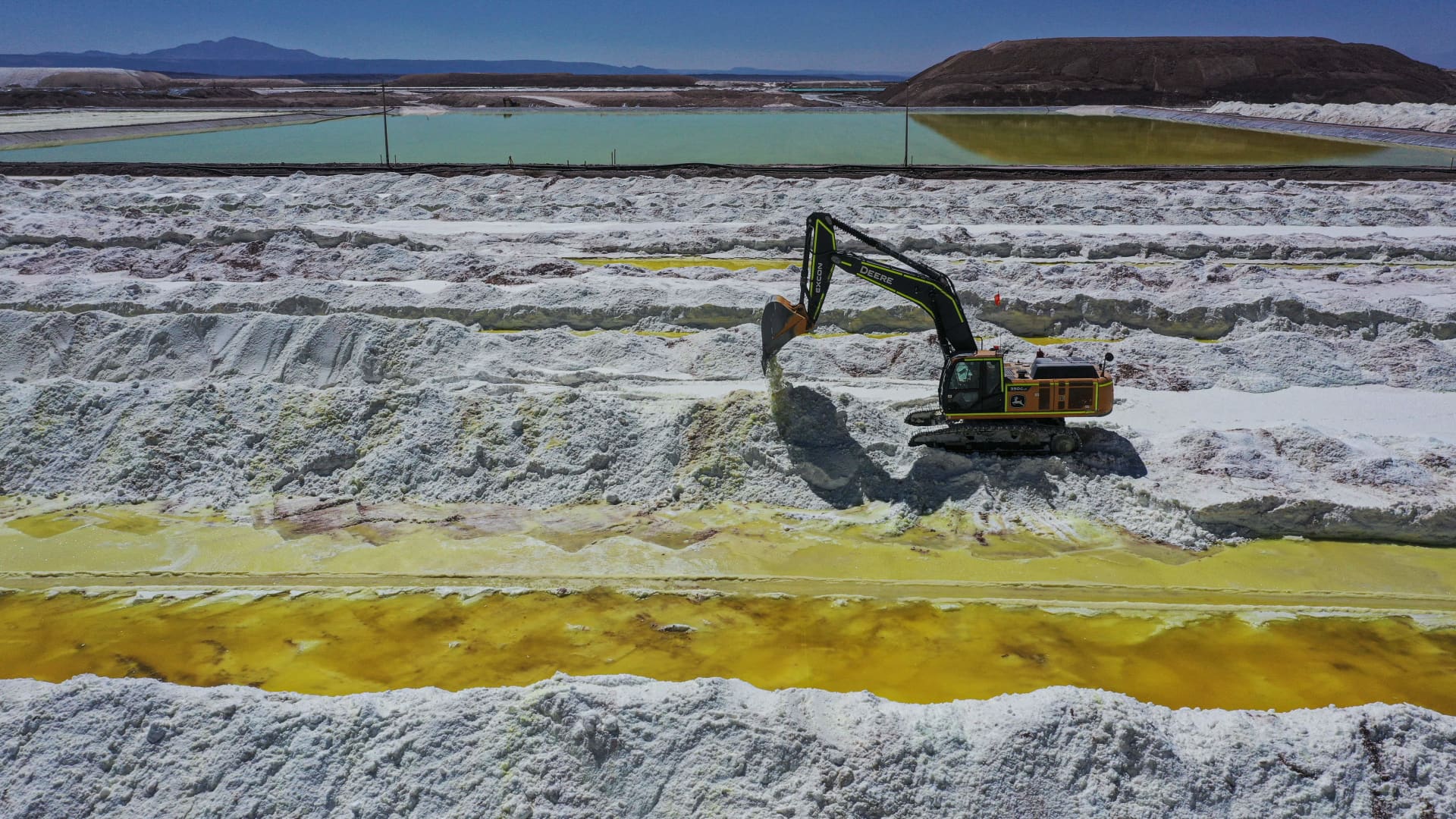
The European Union has reached a significant trade agreement with the Mercosur bloc, comprising Brazil, Argentina, Paraguay, Uruguay, and Bolivia, after 25 years of negotiations. The deal, if ratified, will create one of the world's largest free trade zones, enhancing access to critical raw materials like lithium, which is vital for Europe's shift to renewable energy. While the agreement promises economic benefits, such as reduced export duties and increased market access, it faces opposition from some EU countries concerned about agricultural competition. The deal is seen as a strategic move to diversify supply chains and reduce dependency on China.
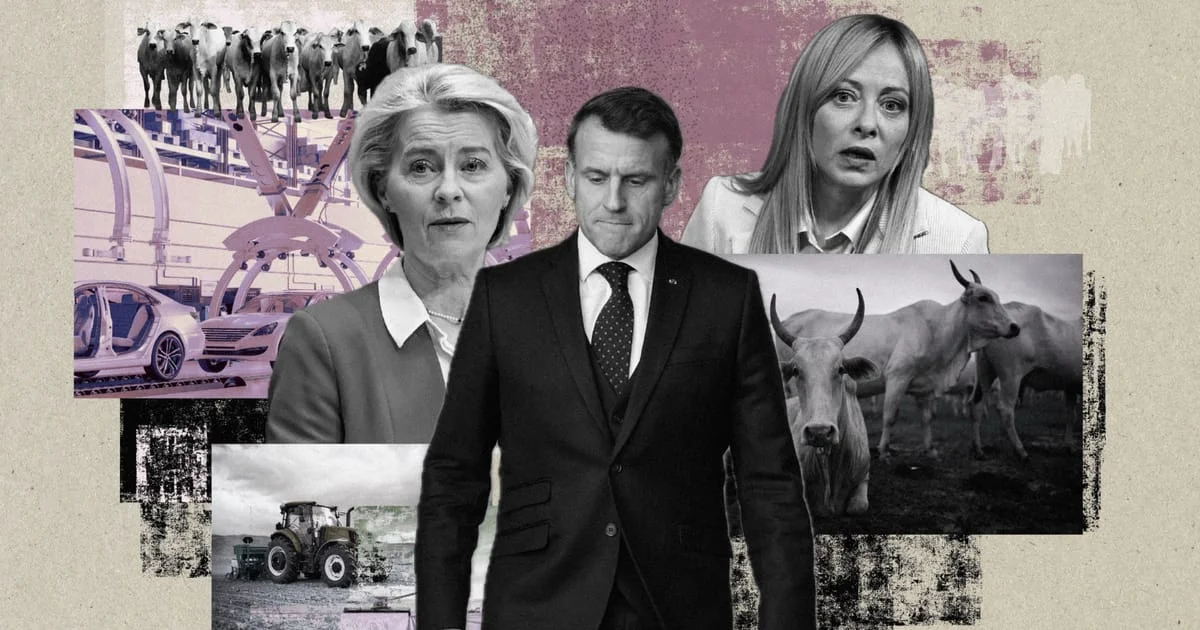
The EU-Mercosur free trade agreement, nearing finalization after 25 years of negotiations, presents both opportunities and challenges for European member states. While the deal could strategically diversify EU trade away from China and the US, it raises concerns about competition in the agricultural sector, particularly from South American beef and poultry imports. Germany and Spain stand to benefit from reduced tariffs on industrial goods, while France and Italy express opposition due to potential impacts on local farmers and environmental concerns. The agreement's future hinges on balancing economic benefits with agricultural and environmental standards.
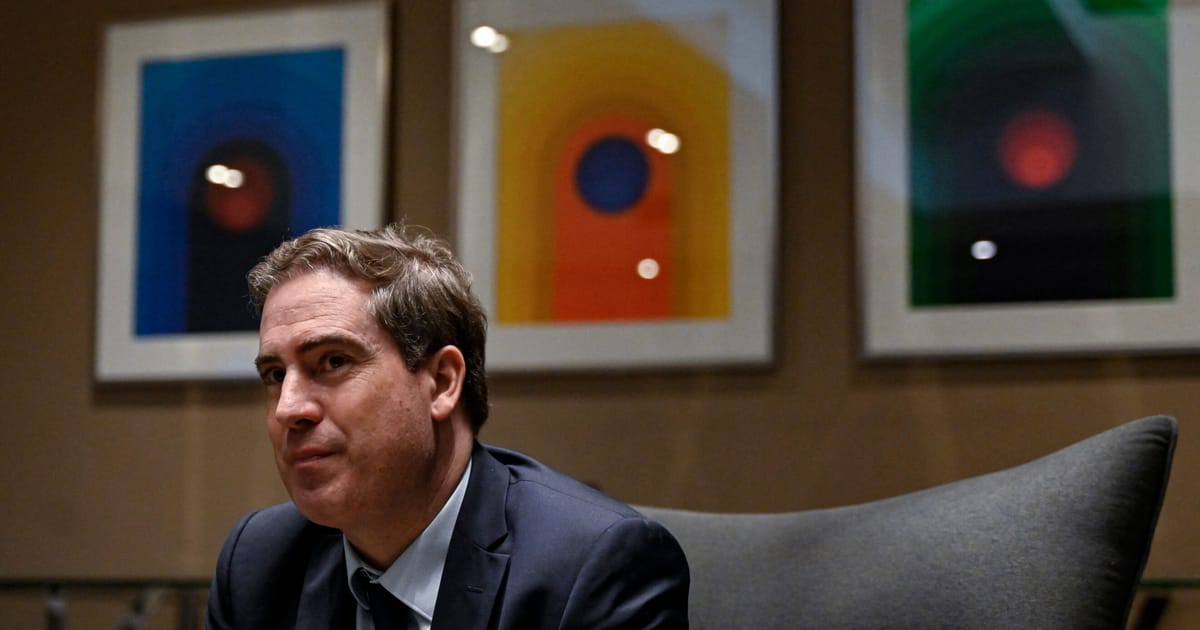
French Trade Minister Olivier Becht said that France is ready to back the EU-Mercosur deal if its demands are met, noting that French companies and farmers have much to gain from the trade agreement. However, Paris has repeatedly said that France could only change its mind if the Mercosur bloc commits to stop illegal deforestation in the Amazon, to comply with the Paris climate agreement, and to apply the same environmental and sanitary standards as EU farmers. The EU-Mercosur trade deal is set to be a priority for the Spanish presidency of the Council of the EU, which begins on July 1.